How to Paint a Laundry Room Floor for Lasting Durability (Guide)

There is a specific kind of comfort that comes from a home that functions exactly as it should. For those of us who spend our weeks managing high-stakes professional environments, the weekend is a time to regain control over our personal surroundings. I have spent over a decade as a facilities manager, overseeing large-scale maintenance for commercial buildings. Yet, some of my most rewarding moments happen in the quiet of my own home, tackling a project that makes a daily chore just a little bit easier. One such project is refreshing the walking surface of a utility space where the washer and dryer live.
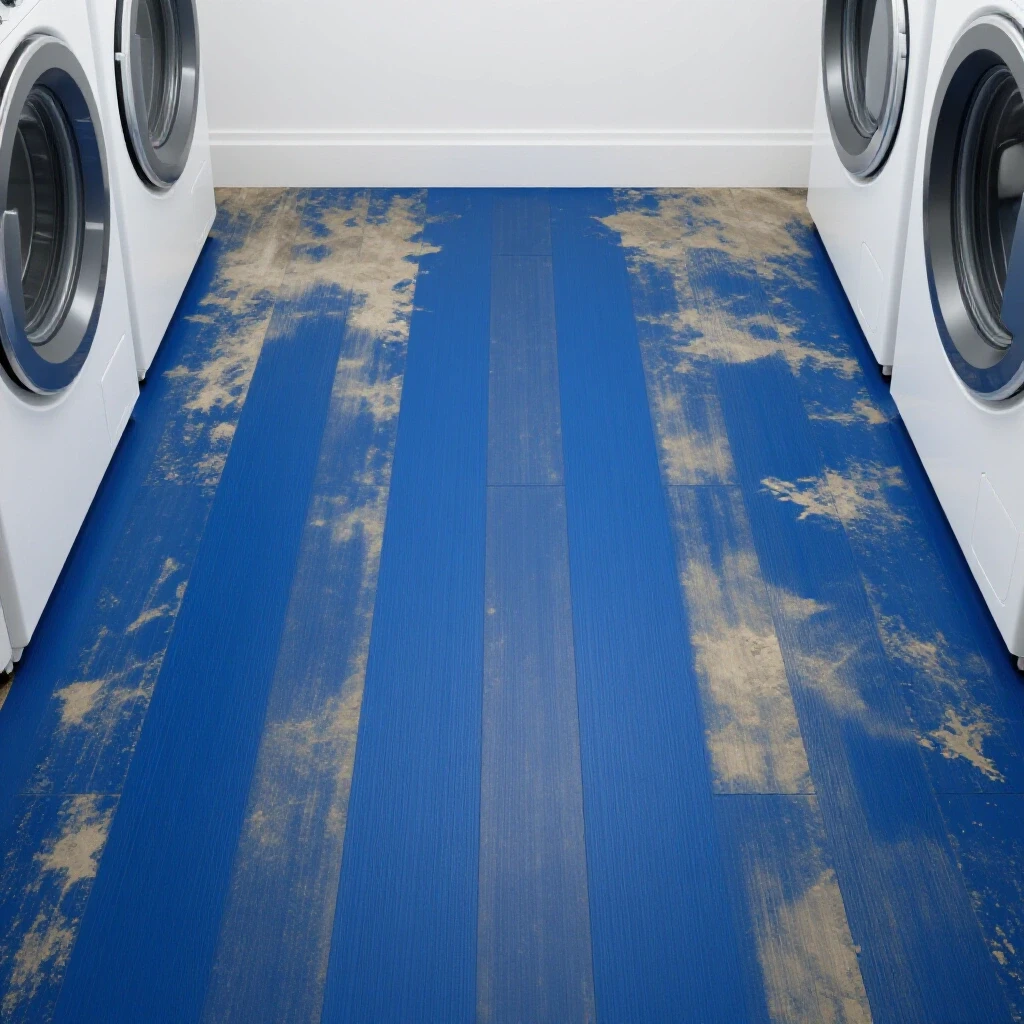
In my years of managing properties, I have learned that the smallest rooms often face the most abuse. A laundry area deals with high humidity, chemical spills from detergents, and the constant vibration of heavy machinery. When I decided to apply a specialized coating to my own laundry floor, I knew it wasn’t just about aesthetics. It was about creating a resilient barrier that could withstand the rigors of household labor. This guide is born from that experience—balancing a busy career with the desire for a high-quality, code-compliant home upgrade.
Assessing the Utility Space for a Surface Refresh
Before starting any surface upgrade in a laundry area, you must evaluate the existing substrate condition and environmental factors. This includes checking for moisture seepage, identifying previous coating types, and ensuring the room’s ventilation can handle chemical fumes. A thorough assessment prevents premature peeling and ensures the finish lasts.
Identifying the Substrate and Previous Coatings
Knowing what is under your feet is the first step in ensuring your new finish sticks. Most laundry floors are concrete or wood, and each requires a different approach to preparation. If there is an old layer of paint, you must determine if it is oil-based or water-based, as this dictates what products can be applied over it.
I once made the mistake of applying a high-performance water-based coating over an old, unidentified oil-based sealer in a small utility closet. Within three months, the new layer began to lift in large, rubbery sheets. This happened because the two materials could not form a chemical bond. Now, I always perform a “solvent test” by rubbing a small area with a cloth soaked in denatured alcohol. If the paint softens or comes off, it is likely water-based; if it remains unchanged, it is oil-based.
Testing for Moisture and Humidity Issues
Laundry rooms are naturally prone to dampness, which is the primary enemy of floor coatings. If moisture is rising through a concrete slab, it will push the paint right off the surface. You can test for this by taping a two-foot square of clear plastic sheeting to the floor, sealing all edges with duct tape.
Leave the plastic in place for 48 hours. If water droplets appear on the underside of the plastic, or if the concrete underneath looks significantly darker, you have a moisture vapor transmission issue. In professional facility management, we call this a high MVT rate. If you see this, you cannot proceed with standard floor paint; you would first need a moisture-mitigating primer to meet building standards for longevity.
Essential Tool Inventory for Floor Coating Projects
Selecting the right equipment is the difference between a professional-looking finish and a messy failure. You need specific tools for cleaning, mechanical abrasion, and precise application. This list focuses on items that provide the best return on investment for a weekend warrior looking for a durable, long-term result in a high-traffic area.
Required Equipment for Preparation and Application
- Orbital Sander or Floor Maintainer: Used to “scuff” the surface, creating tiny scratches that allow the coating to grip the floor.
- HEPA Vacuum: Standard shop vacs often blow fine dust back into the air; a HEPA filter ensures the room stays clean for the painting phase.
- Stiff-Bristled Scrub Brush: Essential for removing deep-seated detergent oils and grime from the floor pores.
- Respirator with Organic Vapor Cartridges: Essential for safety when working with high-VOC (Volatile Organic Compound) coatings in small rooms.
- High-Quality 3/8-inch Nap Rollers: A thicker nap holds more paint, but a 3/8-inch nap provides the smoothest finish for floor surfaces.
- Painter’s Tape (Multi-Surface): To protect baseboards and the bottom of the washer/dryer if they cannot be fully removed.
- Infrared Thermometer: Used to check the floor temperature, ensuring it falls within the manufacturer’s recommended range (usually 55°F to 90°F).
DIY vs. Professional Analysis
| Factor | DIY Approach | Professional Contractor |
|---|---|---|
| Active Labor Time | 6–10 hours | 4–6 hours |
| Total Project Duration | 3–4 days (including curing) | 2–3 days |
| Skill Level | Intermediate | Expert |
| Equipment Cost | $150 – $300 (one-time buy) | Included in quote |
| Risk of Failure | Moderate (mostly prep-related) | Low (covered by warranty) |
Navigating Safety Protocols and Building Standards
Working with chemical coatings in small, enclosed spaces requires strict adherence to safety guidelines. This includes managing volatile organic compounds, ensuring proper electrical safety around appliances, and maintaining slip resistance. Following these standards protects your health and ensures the project meets local residential requirements for safety and functionality in utility zones.
Ventilation and Air Quality Management
OSHA standards for indoor air quality emphasize the importance of air exchange when using solvent-based materials. In a small laundry room, fumes can reach toxic levels quickly. I always set up a “cross-ventilation” system by placing one fan in a window blowing out and another at the door blowing in.
If the room has no windows, you must use a respirator. Do not rely on a simple dust mask; it will not filter out the chemicals that cause headaches or dizziness. In my facility work, we treat any space under 100 square feet as a “confined space” when chemicals are involved, and I suggest you do the same at home.
Slip Resistance and Code Compliance
The International Residential Code (IRC) doesn’t always specify floor finishes, but it does emphasize safe egress. A freshly painted floor can be as slippery as ice when wet—and in a laundry room, water spills are inevitable. To keep the project safe and compliant with general safety standards, I recommend adding a slip-resistant additive to the final coat. These are usually fine, clear granules that provide “tooth” for your shoes without changing the color of the floor.
Step-by-Step Execution for a Resilient Laundry Surface
This phase involves the physical labor of transforming your floor through meticulous cleaning, sanding, and layering of the coating. Following a specific order of operations ensures that each layer bonds correctly to the one below it. Rushing these steps often leads to bubbling or chipping under the weight of heavy appliances.
Phase 1: Deep Cleaning and Degreasing
Laundry floors are often coated in a thin film of fabric softener and detergent over years of use. These chemicals act as “bond breakers,” meaning paint will not stick to them. I use a heavy-duty degreaser or a solution of Trisodium Phosphate (TSP).
Scrub the floor in sections, then rinse with clean water at least three times. Any residue left behind will cause the paint to peel. I once rushed the rinse step and ended up with “fish-eyes”—small circular gaps where the paint refused to settle—because of lingering soap film.
Phase 2: Mechanical Abrasion (Sanding)
Once the floor is bone dry, you must sand it. This is not about making it smooth; it is about making it rough. For concrete, this removes the “laitance,” which is a weak, milky layer on the surface. For wood or old paint, it breaks the gloss.
Use 80-grit to 100-grit sandpaper. You want the surface to feel like fine-grit sandpaper itself. After sanding, vacuum the floor twice and wipe it down with a tack cloth or a microfiber mop dampened with water (for water-based paints) or mineral spirits (for oil-based).
Phase 3: The Application Process
Start by “cutting in” the edges with a brush, then use the roller for the main floor. Work in small sections, always keeping a “wet edge” to avoid lap marks. A wet edge means you always overlap your new stroke onto paint that hasn’t started to dry yet.
- First Coat: Apply a thin, even layer. Do not try to achieve full color coverage on the first pass.
- Dry Time: Wait at least 4 to 6 hours, or as specified by the manufacturer.
- Second Coat: Apply the second layer perpendicular to the first. This “cross-hatching” technique ensures even thickness.
Material Cure and Drying Timelines
| Stage | Time Required | Restrictions |
|---|---|---|
| Dry to Touch | 1–2 Hours | Do not walk on it |
| Recoat Window | 4–12 Hours | Sand lightly if window is missed |
| Light Foot Traffic | 24 Hours | Clean socks only; no shoes |
| Heavy Appliances | 72 Hours | Do not drag machines |
| Full Chemical Cure | 7–10 Days | Avoid cleaning with chemicals |
Troubleshooting Common Application Failures
Even with careful planning, issues like uneven drying, debris trapped in the finish, or poor adhesion can occur. Understanding why these problems happen—such as high humidity or improper mixing—allows you to fix them before the coating fully cures. Proactive troubleshooting saves you from the frustration of a full strip-and-redo.
Dealing with Bubbles and Blisters
If you see small bubbles forming shortly after application, it is often due to “outgassing.” This happens when the floor temperature rises, causing air in the pores to expand and push through the wet paint. To avoid this, apply the coating when the temperature is falling—usually in the late afternoon or evening. If bubbles do appear, wait for the coat to dry, sand them flat, and apply a touch-up layer.
Correcting Debris and Hair in the Finish
In a laundry room, lint is everywhere. If a piece of lint or a hair gets stuck in the wet paint, do not try to fish it out while the paint is wet; you will create a bigger mess. Let the paint dry completely. Use a razor blade to carefully shave the debris flush with the surface, sand lightly with 220-grit paper, and dab a small amount of paint over the spot.
Monitoring Durability and Performance Over Time
A successful project is measured by how well the finish stands up to daily stressors like detergent splashes, heavy foot traffic, and machine vibrations. By tracking the surface condition over several months, you can identify if your preparation methods were adequate. This real-world observation helps determine the true value of the upgrade.
Impact of Detergent and Bleach Spills
After six months of use, I noticed that concentrated detergent spills are the toughest test. If left to sit, the surfactants in the soap can actually soften some lower-quality paints. My wear test showed that wiping spills immediately with a damp cloth prevented any staining or softening. However, high-pH cleaners (like bleach) can dull the gloss of the finish over time.
Resistance to Machine Vibration
The heavy “thumping” of a washing machine during a spin cycle creates significant friction between the machine’s feet and the floor. In my evaluation, I found that placing rubber vibration pads under the appliance feet is essential. Without them, the constant micro-movements can “burn” through the paint down to the substrate. After several months, the areas protected by pads showed zero wear, while the unprotected areas showed slight scuffing.
Project Maintenance and Long-Term Care
To keep your refreshed floor looking new, you must move away from harsh scrubbing. I recommend using a pH-neutral cleaner and a microfiber mop. Avoid using steam mops on painted floors, as the heat can weaken the bond between the paint and the substrate, leading to delamination.
If you notice a small chip, repair it immediately. Moisture can get under the edges of a chip and start to lift the surrounding paint. A tiny artist’s brush and a leftover capful of paint are all you need for a five-minute fix that saves the entire floor.
Essential FAQ for Laundry Surface Upgrades
How long must I wait before moving my heavy washer back into the room? You should wait at least 72 hours under normal humidity conditions. Even if the floor feels dry to the touch, the “mechanical hardness” of the coating takes several days to develop. Dragging a heavy machine too early will result in deep gouges that cannot be easily repaired.
Do I really need to sand the floor if it looks clean? Yes. Sanding is not about cleaning; it is about creating a “mechanical profile.” Paint needs something to grab onto. Without sanding, the paint sits on top of the surface like a sticker rather than becoming part of it. This is the number one reason for DIY floor failures.
What is the best way to handle the area under the appliances? If you cannot move the machines out of the room, you must move them to one side, paint that half, let it cure for 72 hours, and then move them to the finished side. This doubles your project time but ensures the entire floor is protected.
Can I apply these coatings over existing ceramic tile? It is possible, but it requires a specialized “bonding primer” designed for non-porous surfaces. You must also thoroughly clean the grout lines, as they often hold oils that will cause the paint to peel.
Will the paint smell linger in the house? Water-based coatings have a mild scent that dissipates in 24 hours with good airflow. Oil-based or epoxy-modified coatings have a much stronger odor that can last for days. Always keep the laundry room door closed and the window open during the curing process.
How do I know if the concrete is too cold to paint? Use an infrared thermometer to check the slab temperature, not just the air temperature. Concrete acts as a heat sink and is often 5 to 10 degrees colder than the air. If the slab is below 50°F, the paint may not chemically cure, leading to a “gummy” finish.
Should I use a sealer over the paint? Some specialized floor paints are self-sealing. However, adding a clear topcoat can provide an extra layer of protection against scratches and chemical spills. If you choose to add a sealer, ensure it is from the same manufacturer to avoid compatibility issues.
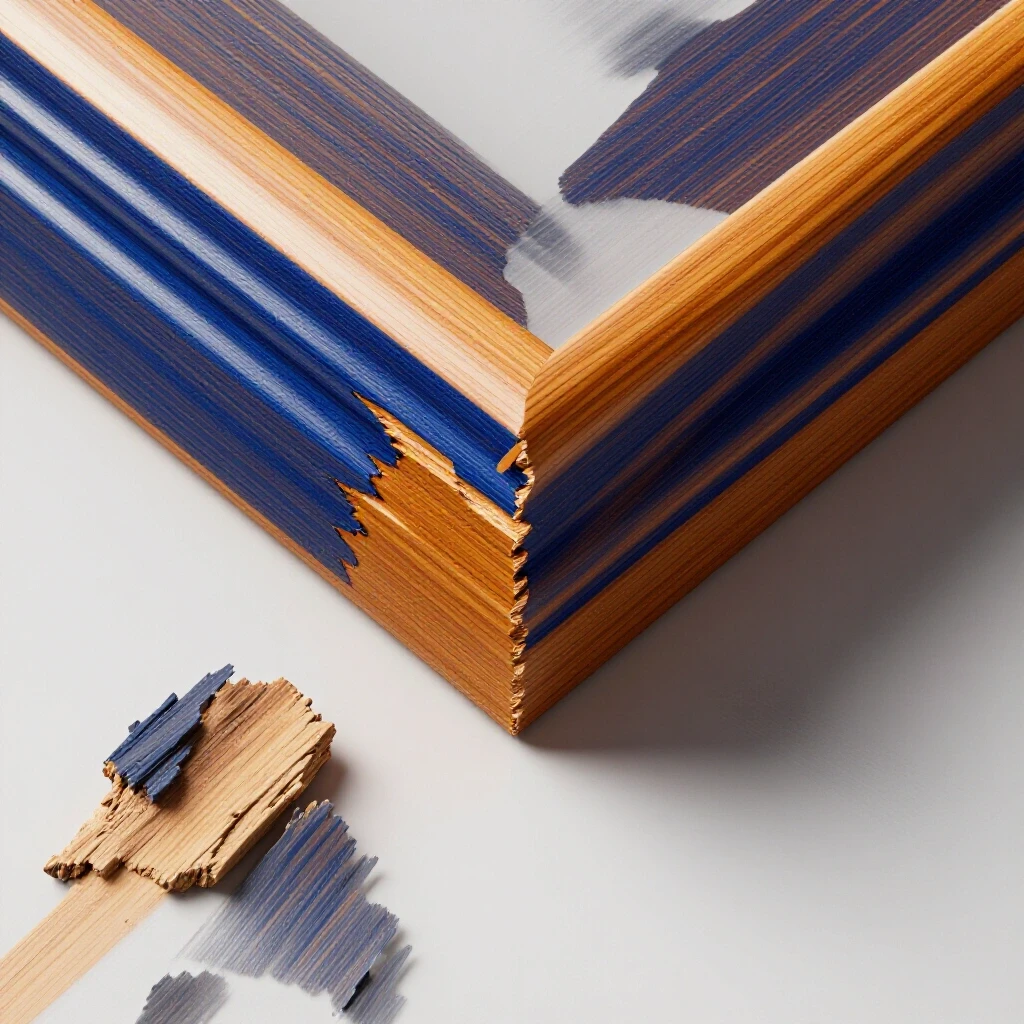
What should I do if the paint starts peeling after a month? Peeling is almost always a sign of poor preparation or moisture. You will need to scrape away the loose paint, identify the cause (check for soap residue or dampness), re-sand the area, and apply a fresh coat.
Is it safe to use a pressure washer to clean the floor first? I do not recommend this for indoor laundry rooms. A pressure washer can force water deep into the concrete or under baseboards, leading to mold issues or a floor that takes weeks to dry enough for painting.
How many coats are actually necessary? Two coats are the standard. The first coat acts as the bond and provides the base color. The second coat provides the actual wear surface and ensures consistent color and sheen.
Can I use regular wall paint on the floor? No. Wall paint is designed to be flexible and breathable, but it lacks the resins needed to withstand foot traffic and the weight of appliances. It will fail almost immediately under the pressure of a laundry room environment.
How do I handle the transition to the next room? Use a transition strip or a clean line of painter’s tape at the doorway. If you are painting up to a carpeted area, use a wide putty knife to tuck the carpet back while you paint the edge to ensure a clean finish without getting paint on the fibers.
(This article was written by one of our staff writers, Robert Callahan. Visit our Meet the Team page to learn more about the author and their expertise.)