How to Fix a Loose Cabinet Hinge Fast and Securely (Step-by-Step)

In my twelve years managing commercial facilities and maintaining two of my own homes, I have learned that the most frustrating household issues are often the smallest ones. A cabinet door that sags or refuses to stay closed is a classic example of a minor problem that can disrupt the flow of a busy kitchen. By utilizing simple, eco-friendly techniques like repurposing small wood scraps or toothpicks, we can extend the life of our cabinetry without replacing expensive components. This approach reduces waste and keeps functional hardware out of landfills, aligning perfectly with modern sustainable living goals.
During my first year as a facilities manager, I encountered a series of wobbly pantry doors in an office breakroom. I initially thought I needed to replace the entire cabinet box, but a senior carpenter showed me how to reinforce the internal wood fibers instead. That lesson saved the department thousands of dollars and taught me that most hardware failures are actually failures of the substrate, not the metal itself. Whether you are a busy professional or a weekend warrior, understanding how to restore the grip of a screw in a stripped hole is a foundational skill for any successful DIY home improvement.
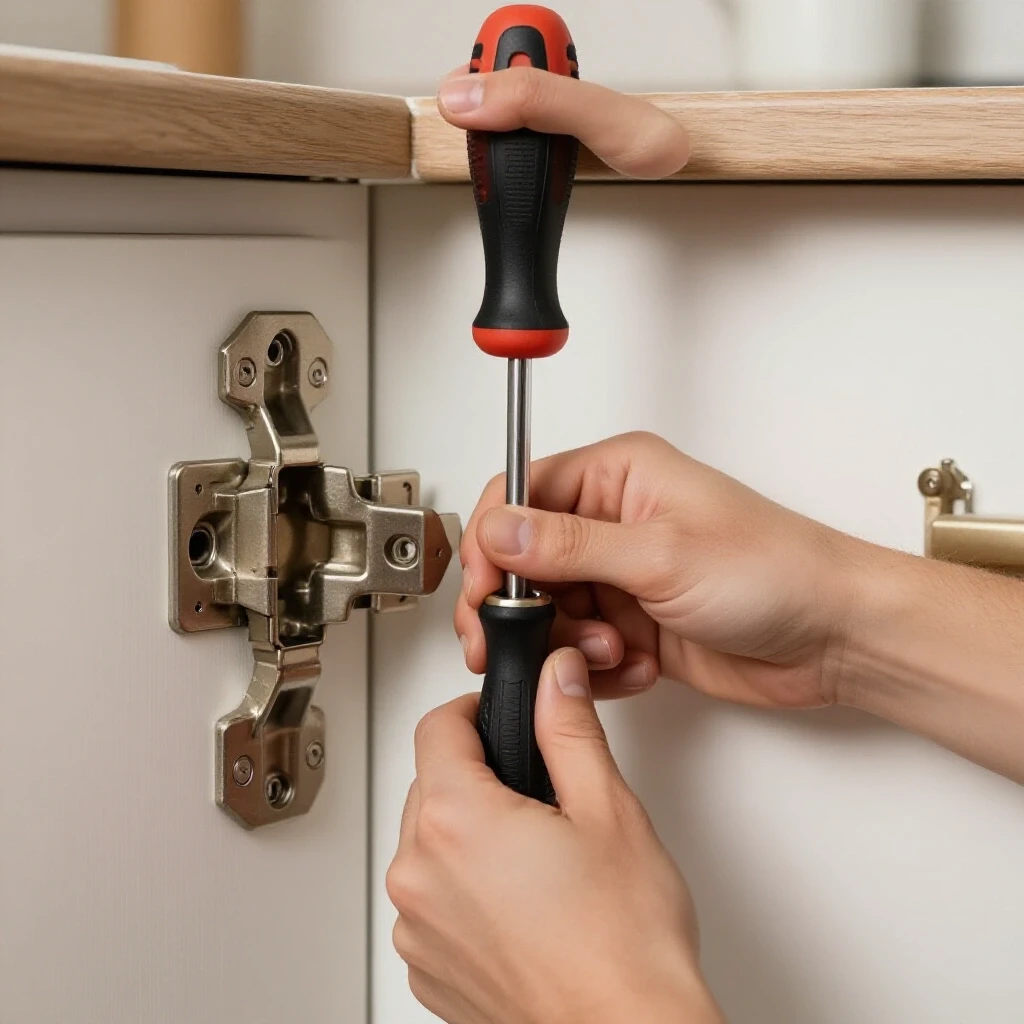
Assessing Cabinet Door Attachment Failures
Evaluating why a screw no longer holds in a cabinet frame involves inspecting the integrity of the wood or particle board. Over time, the constant tension and weight of the door can cause the screw threads to chew through the surrounding material, leaving a hole that is too large for the fastener. Identifying the extent of this internal wear is the first step in ensuring a long-lasting, functional result for your weekend DIY projects.
When you notice a door hanging at an angle, the culprit is usually the top attachment point. Because gravity pulls the door downward, the upper screws bear most of the load. In my experience, if you can pull the screw out with your fingers, the wood fibers have completely collapsed. This is common in medium-density fiberboard (MDF) or particle board cabinets, which lack the long, interlocking fibers of natural hardwood.
Identifying Stripped Wood Fibers
Stripped wood fibers occur when the internal structure of the cabinet wall loses its ability to provide friction against the threads of a screw. This usually manifests as a screw that spins indefinitely without tightening or a hinge that pulls away from the frame when the door is opened. Recognizing this specific type of failure allows you to apply the correct reinforcement method rather than simply trying to drive a larger screw into a compromised area.
I once made the mistake of simply using a longer screw to fix a sagging bathroom vanity. I didn’t realize that the longer screw would poke through the other side of the cabinet wall, ruining the finished exterior. That taught me the importance of measuring the depth of the cabinet gable—the side panel—before attempting any repairs. Most standard kitchen cabinets use 3/4-inch or 5/8-inch panels, leaving very little margin for error when selecting fasteners or reinforcement materials.
Essential Inventory for Woodwork Reinforcement
Gathering the correct tools and materials before starting ensures that you can complete the task efficiently during a busy weekend. For most hinge-related issues, you do not need specialized power tools; instead, a few common household items and basic hand tools are sufficient. Having these items ready prevents the frustration of stopping mid-project to search for supplies, which is a common pain point for many DIYers.
- Manual Screwdriver: A #2 Phillips head or a flathead, depending on your existing hardware. I prefer manual drivers over drills for this task to avoid over-torqueing the screws.
- Wooden Toothpicks or Matchsticks: These serve as the new wood fiber for the screw to bite into. Ensure matchsticks have the flammable heads removed first.
- Wood Glue: A standard PVA-based wood glue is essential for bonding the new wood inserts to the existing cabinet frame.
- Utility Knife: Used for trimming the filler material flush with the cabinet surface once the glue has set.
- Small Hammer: Helpful for gently tapping the wood fillers into the stripped hole.
- Cleaning Cloth: To wipe away excess glue before it hardens on your cabinet finish.
| Tool/Material | Purpose | ROI Level |
|---|---|---|
| Wood Glue | Structural bonding | High – prevents future loosening |
| Toothpicks | Hole filler | High – nearly zero cost |
| Utility Knife | Precision trimming | Medium – ensures flush fit |
| Screwdriver | Fastener control | High – prevents over-tightening |
Safety and Site Preparation
Prioritizing safety and protecting your workspace is a hallmark of a seasoned DIY enthusiast. Even a simple task involving small hand tools requires eye protection to guard against wood splinters and a stable work environment to prevent the heavy cabinet door from falling. Taking ten minutes to prep the area ensures that your safe home repairs do not result in accidental damage to your floors or injuries to your hands.
Before I begin, I always clear the items out of the cabinet and place a drop cloth or an old towel on the countertop and floor. This catches any stray glue drips or wood shavings. If the door is particularly heavy, I use a stack of books or a small adjustable jack to support the weight of the door from underneath. This prevents the remaining screws from being stressed or bent while I work on the problematic one.
Personal Protective Equipment (PPE)
While reinforcing wood holes might seem low-risk, basic safety gear protects you from unexpected mishaps. Safety glasses are necessary when trimming wood fillers, as small shards can fly toward your face. Additionally, wearing work gloves can prevent blisters if you are working on multiple cabinets or dealing with old, stubborn hardware that requires significant manual force to remove.
In my facilities role, I have seen many “quick fixes” turn into minor injuries because someone skipped safety glasses. It only takes one splinter from a snapped toothpick to cause a trip to the clinic. I also recommend checking the lighting in your workspace. Using a small headlamp or a directed work light helps you see into the dark corners of the cabinet, ensuring you align the screw perfectly with the center of the hole.
Step-by-Step Restoration of the Screw Hole
Following a structured, step-by-step home upgrades plan ensures that the repair is as strong as the original installation. This process involves removing the hardware, cleaning the void, and introducing new material that can be compressed by the screw threads. By being methodical, you avoid the common mistake of rushing the drying process, which can lead to the hardware pulling loose again within a few weeks.
Phase 1: Hardware Removal and Hole Cleaning
Start by fully removing the screw that is no longer holding the hinge in place. If the hinge is still attached by other screws, loosen them slightly to give yourself room to work without removing the entire door. Once the screw is out, use a small pick or the tip of your screwdriver to clear out any loose wood dust or fragments from the hole, ensuring the glue can bond directly to the solid parts of the frame.
Phase 2: Filling the Void
Apply a small amount of wood glue to the tip of a toothpick or a headless matchstick. Insert the wood piece into the stripped hole, pushing it as far back as it will go. For larger holes, you may need to insert two or three pieces until the hole feels snugly packed. This technique, often called “shimming the hole,” provides the necessary density for the screw threads to create a new path and grip the side walls of the cabinet.
Phase 3: Trimming and Curing
Use your utility knife to cut the protruding ends of the toothpicks flush with the cabinet frame. Be careful not to score or scratch the surrounding finish; a sharp blade and a steady hand are key here. I usually allow the glue to set for at least 30 to 60 minutes before re-inserting the screw. While some tutorials suggest immediate reassembly, waiting for the glue to become tacky ensures the fillers don’t shift when you apply torque.
Phase 4: Re-driving the Fastener
Place the hinge back over the hole and insert the screw by hand. Use your manual screwdriver to slowly turn the screw clockwise. You should feel a significant increase in resistance as the screw enters the new wood material. Tighten until the hinge is snug against the cabinet wall, but stop before the screw begins to “spin out” again. This is where your professional-grade attention to detail pays off—knowing when to stop is just as important as the repair itself.
Performance Benchmarks and Testing
Once the hardware is secured, it is vital to test the operation of the door to ensure the repair can withstand daily use. A successful project should result in a door that opens and closes smoothly without any clicking or sagging. These benchmarks help you verify that your weekend DIY projects meet the same standards of functionality and safety as a professional installation.
- Load Test: Gently pull on the door while it is in the open position to see if the hinge moves.
- Alignment Check: Close the door and check the “reveal”—the gap between the door and the frame. It should be uniform.
- Swing Test: Open and close the door ten times rapidly to simulate a week of high-traffic use.
- Torque Verification: Give the screw one final quarter-turn with a manual driver to ensure it remains seated.
| Metric | Target Goal | Failure Sign |
|---|---|---|
| Alignment | +/- 1/16 inch | Visible sagging |
| Resistance | Firm stop when turning | Screw spins freely |
| Sound | Silent operation | Clicking or popping |
| Durability | No movement under load | Hinge pulls away from wall |
Troubleshooting Common Scenarios
Even with careful planning, you may encounter unexpected challenges, such as wood that is too soft or holes that are excessively large. Understanding how to pivot your strategy is a key part of becoming a proficient DIYer. In my experience, most issues can be solved by simply adding more filler material or allowing for a longer glue curing time in humid environments.
If the wood continues to crumble when you drive the screw, the cabinet material might be suffering from water damage, especially near kitchen sinks. In this case, the wood fibers are too weak to hold glue. You may need to use a specialized wood hardener first, which is a liquid resin that soaks into the soft wood and solidifies. Once the hardener is dry, you can proceed with the toothpick and glue method with much better results.
Final Clean-up and Maintenance
The final phase of any project is cleaning the area and maintaining the tools used. Wiping away any dried glue from the cabinet face preserves the aesthetic value of your home. Additionally, taking a moment to inspect the other hinges in your kitchen can prevent future failures, as loose screws often occur in clusters due to the age of the cabinetry or the way the doors are used.
I recommend keeping a small “maintenance kit” in a drawer with wood glue and a pack of toothpicks. This allows you to address wobbly hardware the moment you notice it, rather than waiting for the door to fall off completely. Regular inspections every six months—simply checking the tightness of cabinet screws—can save hours of repair work later. This proactive approach is exactly how I manage large facilities, and it works just as well in a residential setting.
Knowing When to Seek Further Guidance
While reinforcing a screw hole is a highly effective DIY task, there are times when the damage might be more structural. If the cabinet frame is cracked or the wood has completely rotted away, a simple filler will not provide a safe or lasting fix. Recognizing the limits of a “fast fix” is part of being a responsible homeowner who values the structural integrity of their property.
If you find that the entire corner of the cabinet box is moving, the issue is likely with the cabinet’s installation to the wall studs, not just the door attachment. In these cases, you might need to consult building code references regarding cabinet mounting and load-bearing requirements. However, for 90% of sagging door issues, the wood-filler method described here will restore your cabinets to full functionality with minimal cost and effort.
Frequently Asked Questions
Can I use plastic wall anchors instead of toothpicks?
Plastic anchors are generally not recommended for thin cabinet walls because they require a much larger hole to be drilled, which can further weaken the particle board. The toothpick method is superior because it adds wood fiber back into the existing hole, maintaining the structural integrity of the surrounding material without the need for additional drilling.
How long does the glue really need to dry?
While some glues claim to be “quick-set,” I recommend waiting at least 30 minutes for the glue to become tacky before driving the screw. For maximum strength, especially on heavy pantry doors, wait 24 hours for a full cure. This ensures the bond between the new wood and the old frame is strong enough to handle the leverage of a heavy door.
Is it okay to use a power drill to tighten the screws?
I strongly advise against using a power drill for the final tightening. Drills provide too much torque and can easily strip out your new repair in a split second. Using a manual screwdriver gives you the tactile feedback necessary to feel when the screw is properly seated and tight without over-stressing the wood fibers.
What if the hinge itself is bent?
If the metal hinge is visibly bent or the spring mechanism is broken, reinforcing the screw hole will not fix the door’s alignment. You must replace the hinge with an identical model. However, you should still use the toothpick method to ensure the new hinge has a solid, fresh surface to attach to, as the old holes are likely worn.
Will this repair work on “European style” concealed hinges?
Yes, this method works for both traditional surface-mount hinges and modern concealed hinges. The principle of restoring the screw hole remains the same regardless of the hinge style. Just ensure that the filler material does not interfere with the adjustment screws found on many European-style hinges.
Can I use sawdust and glue instead of toothpicks?
A paste made of sawdust and glue can work, but it is often messier and harder to pack tightly into a small hole. Toothpicks or matchsticks act like solid “rebar” within the glue, providing more structural reinforcement and a more consistent surface for the screw threads to grip compared to a sawdust paste.
Should I use a larger screw instead of fixing the hole?
Using a larger screw is a common mistake that often leads to splitting the cabinet frame or poking through the finished side. It is always better to restore the hole to its original size using filler. This allows you to reuse the original hardware, which is designed to fit the specific recesses of the hinge.
Does the type of wood glue matter?
For indoor kitchen and bathroom cabinets, a standard yellow or white wood glue (PVA) is perfectly adequate. These glues are designed to be stronger than the wood itself once cured. Avoid using “super glue” or hot glue, as they are too brittle or lack the necessary penetration to create a lasting bond with wood fibers.
What if the matchstick is too thick for the hole?
If a matchstick won’t fit, you can use a utility knife to shave it down or switch to thinner toothpicks. The goal is to fill the void as much as possible without having to force the filler in so hard that you crack the surrounding cabinet material.
How do I know if my cabinets are made of MDF or solid wood?
MDF or particle board will look like compressed sawdust or fibers when you look inside the stripped hole. Solid wood will have a visible grain pattern. The toothpick repair method is effective for both, but it is especially critical for MDF, which does not hold screws as well as natural hardwood.
Can I do this repair if the cabinet is damp?
No, you should always wait for the wood to be completely dry before attempting a repair. Glue will not bond to wet wood fibers, and the repair will fail almost immediately. Use a small fan or a hairdryer on a low setting to dry out the area if there was a recent leak before proceeding with the reinforcement.
Will this fix a door that is rubbing against another door?
If the rubbing is caused by a loose hinge that has allowed the door to sag, then yes, this will fix the alignment. However, many modern hinges also have adjustment screws that move the door left, right, in, or out. You may need to combine the hole repair with these adjustments to get the spacing perfect.
(This article was written by one of our staff writers, Robert Callahan. Visit our Meet the Team page to learn more about the author and their expertise.)