How to Install a Shower Curtain Rod Step-by-Step (Easy Guide)

Home hardware trends have shifted significantly over the last decade. While tension-based systems were once the standard for quick bathroom updates, many homeowners now prefer the stability and permanence of screw-mounted hardware. As a facilities manager with 12 years of experience, I have seen how a simple hardware failure can lead to larger issues, such as damaged drywall or cracked floor tiles. I remember a specific Tuesday at 2:00 AM when a tension rod in my first guest bathroom finally gave way, crashing into the tub and waking the whole house. That moment taught me that even the smallest weekend DIY projects deserve a professional-grade approach to ensure they last.
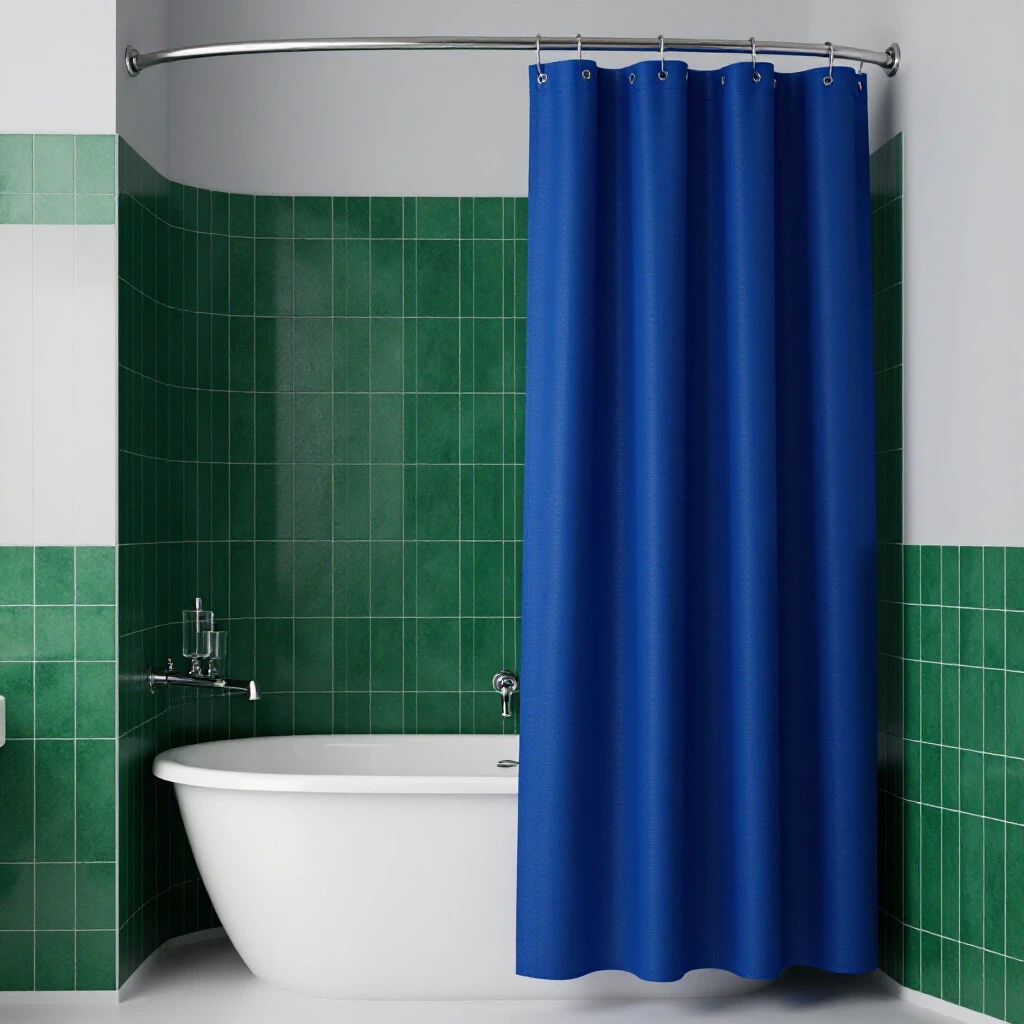
Securing a permanent rail in a bathroom environment requires more than just a screwdriver. You are dealing with high-moisture areas and varying wall substrates like ceramic tile, porcelain, or moisture-resistant drywall. My goal is to walk you through the process of mounting a stable, long-lasting support system for your shower enclosure. We will focus on precision, tool selection, and code-compliant heights to ensure your work looks like it was done by a high-end contractor.
Evaluating the Structural Integrity of Your Bathroom Walls
Before you pick up a tool, you must understand what is behind your shower surround. This initial assessment determines which anchors you will use and the level of effort required for the installation.
In my years of facilities maintenance, I have found that most “simple” upgrades fail because the DIYer used a drywall anchor in a hollow space or tried to drill through porcelain with a standard steel bit. If your shower is a fiberglass insert, you need to ensure there is wood blocking behind the flange. If it is tile over cement board, you will need specialized masonry tools. Understanding your substrate is the first step in any safe home repairs.
Substrate Comparison and Requirements
| Wall Material | Drill Bit Needed | Anchor Type | Difficulty (1-10) |
|---|---|---|---|
| Drywall / Greenboard | Standard Twist Bit | Toggle Bolt or Zinc Self-Driller | 2 |
| Ceramic Tile | Carbide-Tipped Masonry | Plastic Ribbed or Winged Anchor | 5 |
| Porcelain Tile | Diamond-Grit Hole Saw | Heavy-Duty Toggle or Specialist Anchor | 8 |
| Fiberglass / Acrylic | Standard Twist Bit | Backing Plate or Toggle Bolt | 4 |
Essential Tool List for Mounting Bathroom Hardware
Having the right gear is the difference between a thirty-minute task and a four-hour frustration. I always recommend organizing your DIY tool list before you start to avoid mid-project trips to the hardware store.
For this specific upgrade, you will need tools that prioritize precision and cleanliness. Since bathrooms are often tight spaces, cordless tools are a significant advantage. I personally transitioned to a 12V cordless system for indoor tasks because it offers enough torque for drilling tile without the weight of a heavy 18V or 20V battery.
- Cordless Drill/Driver: A variable speed trigger is essential for starting holes in slippery tile.
- Diamond or Carbide Drill Bits: Choose based on your wall material.
- Torpedo Level: A 12-inch level is perfect for checking the horizontal alignment of the rail.
- Measuring Tape: Use a locking tape for accurate height marking.
- Masking Tape: This prevents the drill bit from “walking” or sliding across the tile surface.
- Dust Shroud or Vacuum: To catch fine masonry dust before it settles in your tub.
- Silicone Sealant: Essential for waterproofing the screw holes to prevent mold behind the wall.
- Pencil or Fine-Tip Marker: For clear layout marks on the masking tape.
Navigating Building Codes and Ergonomic Standards
While there isn’t a specific “shower rod code” in the National Building Code, there are standards for accessibility and moisture control that we should follow. According to ADA (Americans with Disabilities Act) guidelines and general residential best practices, the mounting height for bathroom hardware should balance ease of use with water containment.
Most standard curtains are 72 inches long. To ensure the curtain stays inside the tub and prevents floor damage, I typically mount the rail at 70 to 72 inches from the floor. This allows for a 2-inch overlap at the bottom, which is a standard safety clearance margin. If you are taller or using an extra-long curtain, adjust accordingly, but always verify your curtain length before drilling.
Phase 1: Precision Layout and Surface Preparation
The most common point of failure in weekend DIY projects is poor layout. If your mounting brackets are even an eighth of an inch off-center, the rod will either be too tight to fit or too loose to stay secure.
Start by cleaning the wall surface with isopropyl alcohol. This ensures your masking tape sticks firmly. I like to apply a square of masking tape exactly where I think the bracket will go. This gives me a surface to write on and protects the tile from scratches. Building on this, use your level to draw a perfectly horizontal line from one wall to the other. Do not assume your ceiling or tub rim is level; in older homes, they rarely are.
Step-by-Step Layout Checklist
- Measure the curtain length and add 2 inches for the rings.
- Mark the desired height on the left wall.
- Use a laser level or a long straight edge to transfer that height to the right wall.
- Hold the mounting bracket against the wall and mark the screw hole locations.
- Double-check the distance between the two walls to ensure it matches your hardware’s specifications.
Phase 2: Drilling and Anchoring into Challenging Surfaces
Drilling into tile is often the most intimidating part of step-by-step home upgrades. The fear of cracking a tile is real, but with the right technique, it is manageable. Interestingly, the key isn’t force; it’s speed and cooling.
If you are working with ceramic, a carbide-tipped bit at a low RPM will work. For porcelain, which is much denser, you must use a diamond-grit bit. I always keep a small cup of water nearby. Every 10 seconds of drilling, I dip the bit in the water to dissipate heat. This prevents the diamond coating from burning off and keeps the tile from cracking due to thermal expansion.
Once the hole is drilled, you must address the hollow space behind the wall. In most modern bathrooms, there is a gap between the tile and the studs. Standard plastic anchors are often insufficient for the weight of a heavy wet curtain. I prefer using toggle bolts or “molly” bolts. These expand behind the wall board, providing a much higher load tolerance.
Phase 3: Hardware Assembly and Final Adjustment
With the holes drilled and anchors inserted, it is time for the final assembly. Before you drive the screws, apply a small bead of 100% silicone sealant into the hole and around the anchor head. This is a pro-level tip from my facilities management background. It creates a gasket that prevents shower spray from seeping into the wall cavity, which can lead to rot over time.
Align your brackets with the holes and hand-tighten the screws first. Once all screws are in, use your driver to snug them up. Avoid over-tightening, as this can crack the tile or strip the anchor. If your hardware includes a decorative cover or “escutcheon,” slide it on before attaching the main rail.
Project Effort and Time Analysis
| Phase | Active Time | Effort Level | Key Risk |
|---|---|---|---|
| Preparation & Layout | 20 Mins | Low | Misalignment |
| Drilling (Tile) | 30 Mins | High | Cracked Tile |
| Anchoring & Mounting | 15 Mins | Medium | Stripped Screws |
| Cleanup & Sealing | 10 Mins | Low | Incomplete Seal |
| Total Project Time | Approx. 1.25 Hours | Moderate | N/A |
Troubleshooting Common Installation Failures
Even with careful planning, things can go wrong. One frequent issue I encounter is hitting a metal stud or a plumbing protector plate. If your drill bit stops suddenly and you see metal shavings, stop immediately. Do not force the bit. You may need to shift your mounting location slightly or use a self-tapping metal screw.
Another common failure is a “spinning anchor.” This happens when the hole is drilled slightly too large, and the anchor won’t grip the sides. To fix this, you can often pull the anchor out and replace it with a larger toggle bolt that doesn’t rely on the hole’s friction to stay in place. As a result of these potential hiccups, I always buy a small variety pack of anchors before starting any safe home repairs.
Tool Maintenance and Post-Project Cleanup
Once the rail is secure and the curtain is hung, don’t forget the final steps. Wipe down the walls with a damp cloth to remove any masonry dust. This dust is abrasive and can scratch your tub if left behind.
Inspect your drill bits. If you used a diamond bit, check if the grit is still present. Most consumer-grade diamond bits are only good for 3 to 5 holes in porcelain. If the bit looks smooth, toss it out. Keeping dull bits in your toolbox only leads to frustration during your next weekend DIY projects.
Knowing When to Call a Professional
While most homeowners can handle mounting a rail, there are times when it is safer to call a pro. If you discover that your walls are made of lath and plaster that is crumbling, or if you suspect there is a main plumbing stack directly behind where you need to drill, a professional can use specialized cameras to map the wall.
However, for the vast majority of standard bathrooms, following these steps will result in a sturdy, functional upgrade that adds value to your home. There is a unique satisfaction in pulling a shower curtain across a rail that doesn’t budge or sag.
Project Planning Checklist
- [ ] Measure curtain length (Standard is 72″).
- [ ] Purchase hardware (Fixed vs. Tension).
- [ ] Identify wall substrate (Drywall vs. Tile).
- [ ] Buy appropriate drill bits (Diamond for porcelain).
- [ ] Gather level, tape, and silicone.
- [ ] Mark height at 70-72 inches.
- [ ] Apply masking tape to drilling locations.
- [ ] Drill slowly with water cooling.
- [ ] Insert anchors and apply silicone.
- [ ] Secure brackets and test for weight.
Frequently Asked Questions
What is the best height to mount a shower curtain support?
For a standard 72-inch curtain, the ideal height is usually between 70 and 72 inches from the floor. This allows the curtain to hang low enough inside the tub to prevent water from splashing onto the bathroom floor while still looking aesthetically balanced. Always measure your specific curtain and rings before drilling, as some decorative rings add 2-3 inches of length.
Can I drill into the grout line instead of the tile?
While drilling into grout is easier, it is often less secure. Grout can crumble over time under the weight of a wet curtain, leading to a loose bracket. It is generally better to drill directly through the center of a tile using a diamond bit. If you must drill near an edge, stay at least half an inch away from the corner to prevent the tile from snapping.
What should I do if my bathroom wall is hollow?
If you are mounting into drywall or a hollow space behind tile, use a toggle bolt. Unlike standard plastic anchors that expand against the sides of the hole, a toggle bolt has “wings” that open up behind the wall board. This distributes the weight over a larger surface area, making it much harder for the hardware to pull out.
How do I prevent my drill bit from slipping on smooth tile?
The best way to prevent “walking” is to apply a piece of masking tape or painter’s tape over the mark. The tape provides enough texture for the bit to bite into. Additionally, start your drill at a very low speed and apply steady, light pressure until the bit has created a small divot in the tile surface.
Is a curved rod better than a straight one?
Curved rods provide more “elbow room” inside the shower, which is a great functional upgrade. However, they put more torque on the wall anchors because the weight is offset. If you choose a curved model, I strongly recommend using heavy-duty toggle bolts rather than the basic anchors that often come in the box.
Do I need to use a stud finder?
Yes, it is always a good idea to check for studs. If you can secure your brackets directly into a wooden stud, you won’t need anchors at all, and the connection will be incredibly strong. However, in many bathrooms, the studs are not positioned exactly where you need the rod to be, which is why high-quality anchors are so important.
How do I handle a porcelain tile that is too hard to drill?
Porcelain is much harder than ceramic. If a standard masonry bit isn’t making progress, you must use a diamond-grit hole saw. Keep the bit wet at all times. You can use a wet sponge held against the bit or a spray bottle to keep the temperature down. If the bit gets too hot, it will glaze over and stop cutting entirely.
What is the best way to seal the holes against moisture?
Use 100% silicone caulk. Before you put the screw into the anchor, squirt a small amount of silicone into the hole. Then, apply a small dab on the back of the bracket where it meets the wall. This creates a waterproof seal that protects your wall’s interior from the high humidity of the bathroom.
Can I install a permanent rod on a fiberglass shower surround?
Yes, but you need to be careful. Fiberglass is thin and can crack. Use a standard twist bit at high speed with very light pressure. Use toggle bolts that expand behind the fiberglass shell, or if possible, verify if there is wood backing installed behind the fiberglass flange.
How much weight can a well-installed shower rail hold?
A properly anchored rail using toggle bolts into 1/2-inch cement board or drywall can typically support 30 to 50 pounds. While you shouldn’t hang wet laundry from it, this is more than enough for a heavy decorative curtain and a liner, even when they are wet.
What if I make a mistake and drill the hole in the wrong place?
If you miss your mark on tile, you can fill the hole with a color-matched waterproof tile caulk or grout. If it is in drywall, use a small amount of spackle, sand it smooth, and touch up the paint. To avoid this, always “dry-fit” your hardware by holding it up with the rod attached before you start drilling.
How long does the silicone need to dry before I use the shower?
Most silicone sealants are “tack-free” within 30 minutes, but they require 24 hours to fully cure. I recommend waiting at least 12 to 24 hours before taking a hot, steamy shower to ensure the sealant has formed a permanent, waterproof bond behind your new hardware.
(This article was written by one of our staff writers, Robert Callahan. Visit our Meet the Team page to learn more about the author and their expertise.)