How to Paint a Staircase for Lasting Durability (Step-by-Step)

Focusing on ease of installation is often the first thing homeowners think about when they look at worn-out wooden steps. However, as a facilities manager, I have learned that the real challenge is not the first coat of paint, but how that finish looks six months later. In my second home, I rushed a stair project using a standard interior latex paint because I wanted a quick weekend win. Within three months, the “high-traffic” areas were peeling, and the treads looked like a construction site. I had to strip everything back to the bare wood and start over, which taught me that durability is earned in the preparation phase, not the application phase.
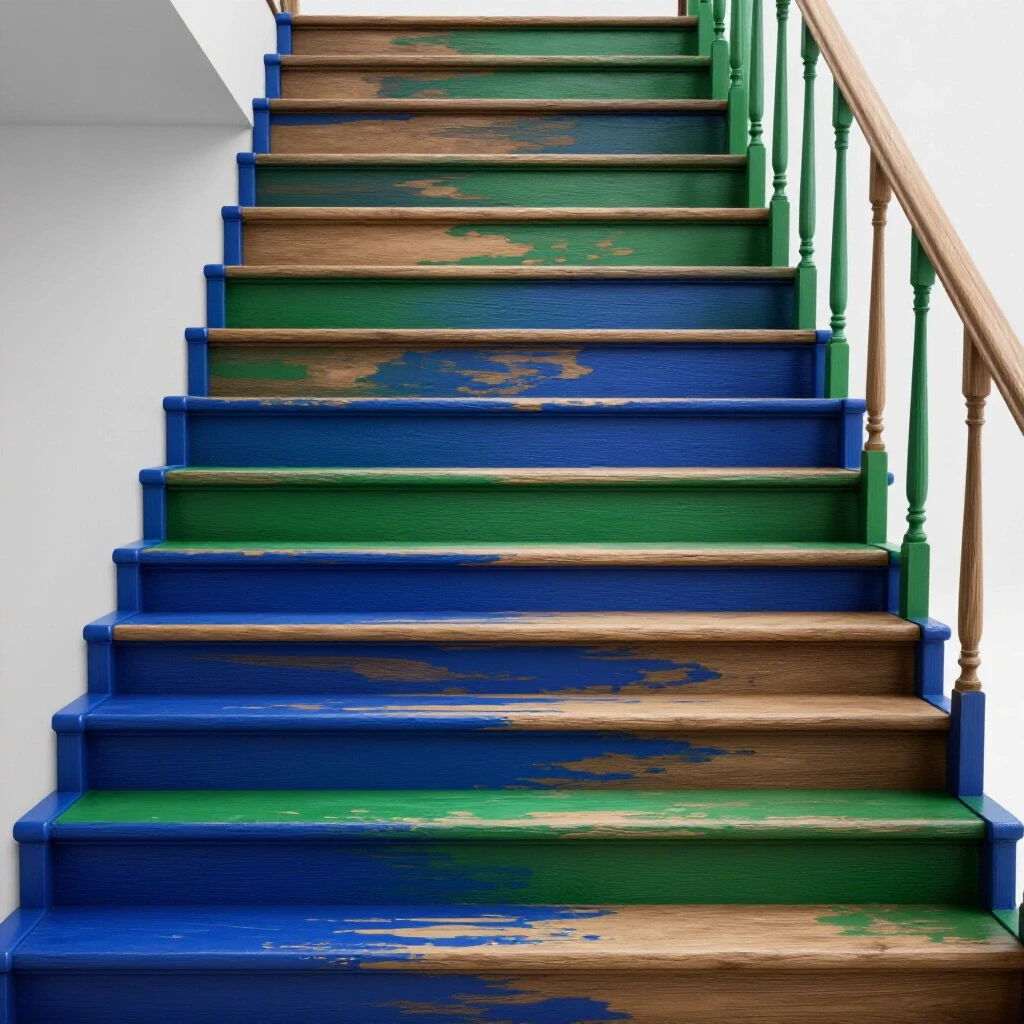
Managing large-scale buildings has taught me to look at residential projects through the lens of life-cycle costs. If a project takes ten hours but fails in a year, it is a poor investment of your limited weekend time. This guide focuses on a methodical approach to refinishing interior wood stairs using high-performance coatings. We will look at how to select materials that resist scuffs and how to time your work so you do not trap yourself upstairs while the floor is wet.
Preparing for a Multi-Day Interior Stair Refinishing Project
Planning for a staircase upgrade requires assessing the current finish, calculating the total surface area of treads and risers, and establishing a workspace that allows for safe household transit during the curing process. You must also account for the physical toll of working on your knees and the logistical challenge of losing access to a floor.
Before you pick up a brush, you need to know what you are working with. Most older stairs have layers of wax, polyurethane, or oil-based stains. New paint will not bond to these surfaces without mechanical and chemical intervention. I use a simple “bead test” to check for wax: drop a few beads of water on the tread. If they stay tight and round, there is a sealer or wax present that must be removed.
Table 1: DIY vs. Professional Refinishing Analysis
| Feature | DIY Approach | Professional Service |
|---|---|---|
| Direct Cost | $150 – $300 (Materials/Tools) | $800 – $2,500 (Labor/Materials) |
| Active Labor | 12 – 16 Hours | 8 – 10 Hours |
| Total Timeline | 3 – 5 Days (including cure) | 2 – 3 Days |
| Skill Level | Intermediate (Requires Patience) | Expert |
| Tool ROI | High (Sander/Vac used for years) | N/A |
Assessing Structural Integrity and Surface Condition
Before applying any coating, you must ensure the substrate is sound and free of defects that could cause the finish to crack or peel over time. This involves checking for loose treads, protruding nail heads, and deep gouges that require specialized wood fillers or epoxy resins.
I once ignored a slightly squeaky tread in my first house. After painting, the movement of that board caused the new finish to crack along the seam within weeks. Use trim screws to tighten any loose boards before you start. Sink nail heads 1/8 inch below the surface using a nail set. This prevents your sander from hitting metal and ensures a smooth, snag-free surface for the paint.
Essential Equipment and Materials for High-Traffic Wood Surfaces
Selecting the correct tools involves balancing professional-grade durability with DIY accessibility, focusing on abrasive media, specialized floor-grade primers, and protective gear to manage dust and fumes. Using the wrong brush or a cheap roller can leave texture marks that make the stairs hard to clean later.
You will need a mix of power tools and hand tools. A random orbital sander is the workhorse here. Unlike a belt sander, which can gouge wood quickly, an orbital sander moves in tiny circles to prevent swirl marks. For the corners where the tread meets the riser, a detail sander or a simple hand-sanding block is necessary.
The Essential Tool List:
- Random Orbital Sander: Used for flat tread surfaces to remove old finish and create a “profile” for the new paint to grip.
- HEPA Vacuum Attachment: Essential for dust containment. Wood dust is a respiratory irritant and ruins paint finishes.
- Synthetic Bristle Brushes: Specifically for “cutting in” edges. Use a 2-inch angled sash brush for precision.
- High-Density Foam Rollers: These apply a thin, even coat without the “orange peel” texture left by thick nap rollers.
- Tack Cloths: Sticky cheesecloth used to remove the very last microscopic bits of dust before the primer hits the wood.
- Deglosser (Liquid Sander): A chemical agent that softens the gloss of old finishes in hard-to-reach nooks.
Understanding Building Codes and Safety Standards for Residential Stairs
Compliance with local residential codes ensures that the refinishing process does not compromise the slip resistance or the dimensional consistency of the stair treads, which are critical for preventing falls. Even a thick layer of paint can technically alter the “reveal” of a step if applied incorrectly over many years.
The International Residential Code (IRC) R311.7.5.4 states that “walking surfaces shall be stable, firm, and slip-resistant.” When you apply a high-gloss floor enamel, you are creating a very slick surface. In my facility maintenance role, we measure the Coefficient of Friction (COF). For home stairs, I recommend adding a slip-resistant additive—a fine, clear grit—into the final topcoat of the treads. This does not change the color but provides the traction needed for safety, especially if you walk in socks.
Managing VOCs and Ventilation Requirements
Proper airflow is not just about comfort; it is a safety requirement when using high-durability alkyd or oil-modified paints that release volatile organic compounds (VOCs). These fumes can accumulate in enclosed stairwells, leading to dizziness or long-term respiratory issues if not managed with PPE.
I always use a NIOSH-approved respirator with organic vapor cartridges. A simple dust mask is useless against paint fumes. Set up a “box fan” in a nearby window to pull air out of the house, creating negative pressure. This ensures that the smell of the paint moves outside rather than settling into your bedrooms or kitchen.
Step-by-Step Execution: From Surface Prep to Final Coating
The core phase of the project involves mechanical sanding to remove old finishes, chemical cleaning to ensure adhesion, and the methodical application of high-durability floor coatings in multiple layers. This process cannot be rushed, as each layer relies on the integrity of the one beneath it.
Phase 1: The Deep Clean and Sanding
Start by scrubbing the stairs with a solution of TSP (Trisodium Phosphate) and water. This removes oils from skin and pet fur that sanders often just smear around. Once dry, start sanding with 80-grit sandpaper to remove the old finish. Move to 120-grit for a smoother feel, and finish with 150-grit. Do not go higher than 180-grit on treads; if the wood is too smooth, the paint cannot “bite” into the fibers, leading to premature peeling.
Phase 2: Priming for Maximum Adhesion
Use a high-quality, “stain-blocking” bonding primer. In my experience, a water-based modified alkyd primer works best. It behaves like oil—leveling out smoothly—but cleans up with water. Prime the risers first, then the treads. If you must use the stairs during the project, paint every other step. Mark the “safe” steps with a small piece of painter’s tape on the wall so family members know where to tread.
Phase 3: Application of the Floor Enamel
Apply the paint in thin coats. Thick coats take forever to dry and are prone to “sagging” on the vertical risers. I recommend at least two coats of a dedicated porch and floor enamel. These paints are formulated with harder resins than standard wall paint to withstand the “shear force” of a human heel striking the surface.
Table 2: Material Drying and Curing Benchmarks
| Stage | Time to Wait | Activity Allowed |
|---|---|---|
| Dry to Touch | 2 – 4 Hours | None (Keep pets away) |
| Recoat Window | 6 – 12 Hours | Light sanding if needed, then next coat |
| Light Traffic | 24 – 48 Hours | Walking in clean socks only |
| Full Cure | 14 – 30 Days | Normal use, rugs, and cleaning agents |
Monitoring Long-Term Wear and Finish Resilience
Evaluating the success of a DIY staircase upgrade requires observing how the coating responds to daily foot traffic, pet claws, and cleaning agents over several months to verify the bond strength. A “durability check” is not a one-time event but a series of observations during the first year of use.
After six months, I inspect the “leading edge” or “nosing” of the treads. This is where most of the weight is placed. If you see the primer showing through, the paint was applied too thin or the resin was not hard enough. Interestingly, user-reported failures often stem from “hot tire” type scenarios—where rubber-soled shoes stay in one spot and the heat causes the paint to lift. To prevent this, ensure you allow the full 30-day cure time before wearing heavy work boots on the new surface.
Troubleshooting Common Finish Failures
If you notice bubbling or “alligatoring” (cracking that looks like reptile skin), it usually means the topcoat was applied before the bottom coat was fully dry. The gases from the lower layer get trapped and push up. If this happens, you must sand the area flat, wait 48 hours for the lower layers to off-gas, and then spot-apply the finish.
Maintenance and Cleaning Protocols for Painted Wood
Maintaining the integrity of the finish involves using the correct cleaning agents and avoiding abrasive tools that can micro-scratch the surface, which eventually leads to a dull appearance and reduced water resistance. Facilities standards suggest that dirt is the primary abrasive that destroys floor coatings.
Use a soft microfiber mop and a pH-neutral cleaner. Avoid “mop and glow” products or waxes, as they create a build-up that makes future touch-ups impossible without a full strip-down. If you have a scratch, do not wait. Use a small artist’s brush to “dab” paint into the scratch to seal the wood from moisture, which can cause the surrounding paint to lift.
Project Checklist for Success:
- Verify no rain is in the forecast (high humidity doubles drying times).
- Check that all treads are screwed down tight to prevent movement.
- Vacuum the entire area, including the walls and ceiling, to prevent falling dust.
- Wear a respirator and ensure cross-ventilation.
- Apply at least two thin coats rather than one thick one.
- Wait at least 24 hours before walking on the surface in socks.
When to Call a Professional
While most surface refinishing is well within the reach of a dedicated DIYer, there are times when the scope exceeds home tools. If you discover structural rot in the stringers (the side supports) or if the stairs have shifted significantly away from the wall, a structural carpenter is needed. Painting over structural failure is a safety hazard that no amount of high-quality enamel can fix.
For those of us balancing a career and family, the satisfaction of a job well done comes from knowing the stairs are safe and the finish will last for years. By following a strict prep-and-prime protocol, you avoid the frustration of a failing project and the expense of hiring out a redo.
FAQ: Frequently Asked Questions
Can I use regular wall paint on my stairs if I use a clear polyurethane over it? No, this is a common point of failure. Wall paint is designed to be flexible and “breathable,” whereas floor coatings are rigid and hard. Putting a hard clear coat over soft wall paint often leads to “crackle” failures because the layers expand and contract at different rates. Always use a dedicated floor enamel.
How long do I really have to wait before walking on the stairs? You can usually walk on them in clean socks after 24 hours, but this depends on humidity. If the paint feels “tacky” or soft to a fingernail press, wait another 12 hours. Do not allow pets or heavy shoes for at least 72 hours.
Do I need to sand between every coat of paint? If you wait longer than 24 hours between coats, a light “scuff sand” with 220-grit paper is recommended. This creates “mechanical tooth” for the next layer. If you are within the manufacturer’s recoat window, sanding is usually not required unless you see dust nibs in the finish.
What is the best way to paint stairs if they are the only way to the bedrooms? The “every other step” method is the standard solution. Paint steps 1, 3, 5, etc., on Friday. Let them dry for 24 hours. On Saturday, paint steps 2, 4, 6. Use blue painter’s tape on the wall to clearly mark which steps are safe to use.
How do I prevent the paint from peeling off the “nosing” of the step? Peeling on the edge is usually caused by poor sanding. The rounded edge of the nosing is hard to sand with a machine. Use a flexible sanding sponge to ensure the old finish is completely dulled and the primer can wrap around the edge properly.
Is a primer really necessary if the paint says “Paint + Primer in One”? For floors, yes, a separate primer is necessary. “All-in-one” products are generally designed for walls. Stairs require a dedicated bonding primer to handle the high-impact force of walking, which “Paint + Primer” products rarely manage over the long term.
How do I handle the gap between the tread and the wall? Use a high-quality paintable caulk after the primer coat but before the final paint coats. This fills the gap and prevents dust from collecting in the cracks. Ensure the caulk is “elastomeric” so it can stretch as the wood moves with the seasons.
Will the paint smell up the whole house? Modern water-based floor enamels have much lower odors than old oil-based paints. However, “low VOC” does not mean “no VOC.” Use a window fan to exhaust air and keep bedroom doors closed to prevent the scent from soaking into fabrics.
How many gallons of paint will I need for a standard 12-step staircase? Typically, one gallon of primer and one gallon of floor enamel are enough for two coats on a standard staircase. Most floor paints cover about 350-400 square feet per gallon. A standard 36-inch wide staircase with 12 steps is only about 60-70 square feet of surface area.
What should I do if I find a drip after the paint has dried? Wait until the paint is fully hard (usually 24 hours). Use a razor blade to carefully “shave” the drip down flat, then lightly sand with 220-grit paper and dab a tiny amount of paint over the area with a foam brush to blend it in.
(This article was written by one of our staff writers, Robert Callahan. Visit our Meet the Team page to learn more about the author and their expertise.)