How to Repair Chipped Tile Floors for an Invisible Patch (DIY Guide)

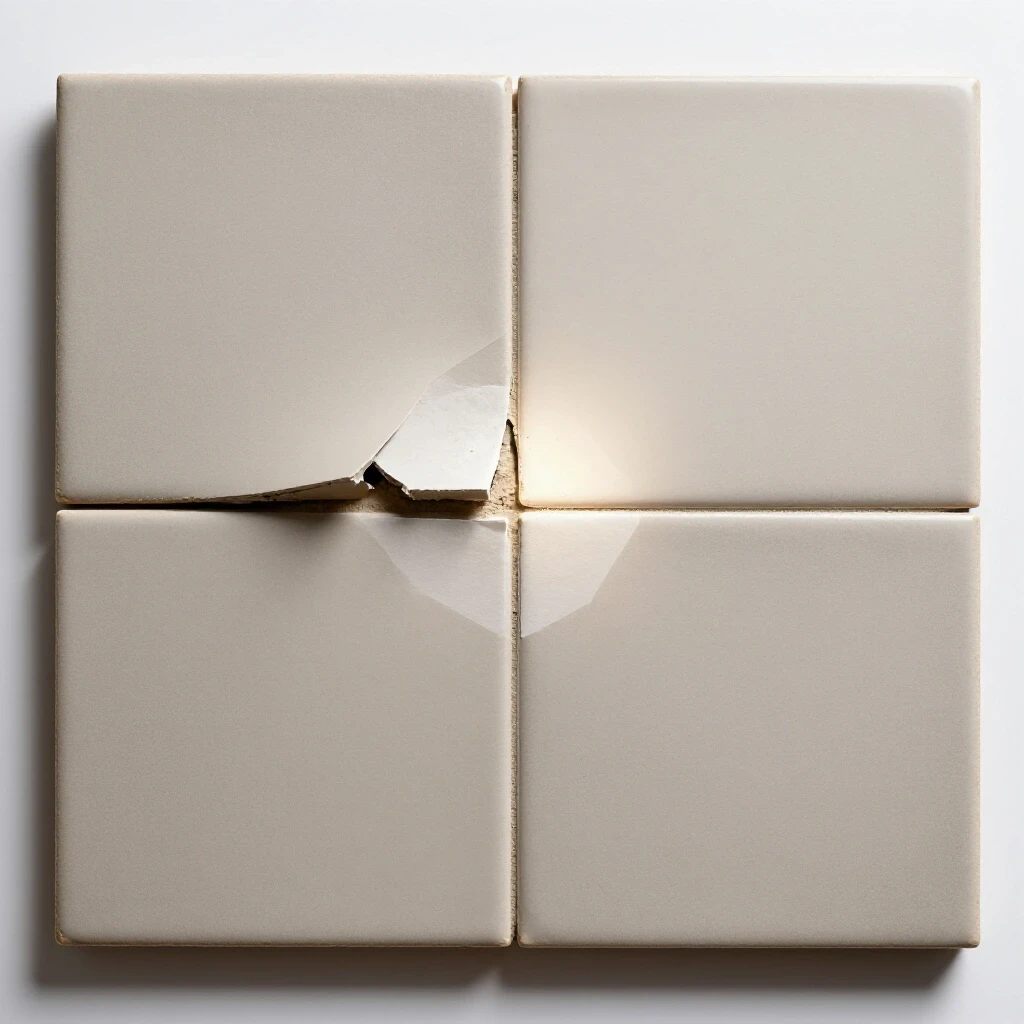
Introducing modern aesthetics into a high-traffic home often highlights the small imperfections that accumulate over years of use. In my twelve years managing facilities and maintaining my own properties, I have learned that the smallest divot in a kitchen or bathroom floor can become a magnet for dirt and a source of frustration. Last year, while I was upgrading the lighting in my mudroom, I dropped a heavy brass fixture. The impact left a jagged, white crater in the center of a charcoal-colored porcelain tile.
The damage was too small to justify tearing up the floor, but large enough to catch the light every time I walked into the room. As a professional who balances a demanding career with weekend home upgrades, I knew I needed a solution that was efficient and durable. I turned to the same principles I use in commercial maintenance: identifying the right chemical bond and ensuring a level finish. This guide covers how to restore the look of your flooring using specialized fillers and precise techniques.
Evaluating Surface Damage and Material Compatibility
Before starting any work, you must determine if the blemish is a candidate for a resin-based fix or if the structural integrity of the tile is compromised. This assessment involves checking the size of the void, the depth of the impact, and whether the surrounding glaze shows signs of spider-web cracking.
In my experience, surface-level fixes are most effective for chips under one inch in diameter. If the crack extends through the entire body of the tile or if the tile sounds “hollow” when tapped, the issue is likely a failure in the thin-set mortar underneath. For busy professionals, misdiagnosing a structural crack as a simple surface chip is a common mistake that leads to the filler popping out within weeks. I always recommend the “tap test” using the handle of a screwdriver to ensure the substrate is solid before proceeding with a cosmetic repair.
Understanding Ceramic vs. Porcelain Characteristics
Each material reacts differently to impact and adhesives due to their density and the way they are manufactured. Porcelain is denser and less porous than ceramic, which means the bond needs to be stronger to prevent the filler from peeling away.
Ceramic tiles often have a different colored “body” beneath the top glaze. When these chip, the contrast is stark. Porcelain tiles are often “through-body,” meaning the color goes all the way through, but a chip still creates a shadow-casting crater. Understanding these differences helps you select the right pigment for your epoxy. I have found that porcelain requires a slightly higher-quality resin to match its low absorption rate, as specified in many manufacturer technical guides for high-density materials.
Essential Inventory for Seamless Surface Restoration
Gathering the correct chemicals and tools ensures the filler bonds correctly and matches the surrounding floor texture without failing prematurely. Using the wrong adhesive, like standard wood putty or basic caulk, will result in a repair that shrinks, discolors, or attracts grime.
For a professional-grade result, you need a two-part epoxy or a light-cure acrylic resin. These materials are designed to harden into a plastic-like state that mimics the durability of the tile itself. I keep a dedicated kit for these tasks because searching for tools mid-project is the fastest way to lose your weekend to frustration. Below is the matrix of tools I rely on for these specific floor repairs.
Essential vs. Optional Tool Matrix
| Tool/Material | Purpose | Necessity |
|---|---|---|
| Two-Part Epoxy/Resin | Fills the void and provides structural bond | Mandatory |
| Tinting Pigments | Matches the filler to the tile color | Mandatory |
| 91% Isopropyl Alcohol | Cleans the site of oils and dust | Mandatory |
| Fine-Grit Sandpaper (400-2000) | Levels the filler flush with the glaze | Mandatory |
| Leveling Spatula | Spreads the resin evenly | Mandatory |
| UV Curing Light | Sets light-cure acrylics in seconds | Optional (Kit dependent) |
| Painter’s Tape | Protects surrounding tiles from excess resin | Recommended |
Material Selection and ROI
Investing in a high-quality repair kit usually costs between $25 and $50. When you compare this to the cost of hiring a flooring specialist, which can range from $150 to $300 for a service call, the return on investment is clear. Furthermore, a single kit can often handle a dozen or more small repairs across your home. I prioritize kits that offer a variety of pigments—black, white, brown, and grey—because most floor colors are actually a blend of these primary shades.
Safety Protocols and Workspace Preparation
Proper ventilation and skin protection are mandatory when working with chemical resins to prevent respiratory irritation or allergic reactions. Many epoxies emit volatile organic compounds (VOCs) during the mixing and curing phases, which can be concentrated in small spaces like bathrooms or laundry rooms.
I always approach these tasks with the same safety mindset I use at work. This means wearing nitrile gloves to prevent skin contact with unhardened resins and ensuring there is a cross-breeze in the room. According to OSHA guidelines for handling resins, skin sensitization is a real risk with repeated exposure. Even for a small ten-minute task, the prep work determines the safety and the final quality of the project.
- Ventilation: Open windows and use a floor fan to move air away from the work area.
- Skin Protection: Use powder-free nitrile gloves; latex can sometimes react with epoxy components.
- Eye Protection: Wear safety glasses to prevent splashes during the mixing process.
- Site Isolation: Use painter’s tape to mark a 2-inch perimeter around the chip to prevent accidental footprints in wet resin.
The Step-by-Step Process for Filling Voids
A methodical approach to cleaning, mixing, and applying resin ensures the repair remains flush and stays put under foot traffic. Skipping the cleaning stage is the most common reason for failure, as even invisible oils from skin or floor cleaners can prevent the epoxy from bonding to the tile.
In my early DIY years, I once tried to fill a chip in my kitchen without properly degreasing the area. Three weeks later, the entire patch popped out while I was mopping. Now, I follow a strict protocol that mimics the surface preparation standards used in industrial facilities maintenance.
Phase 1: Deep Cleaning the Impact Zone
The goal is to remove every microscopic bit of debris from the crater. Use a vacuum with a brush attachment to pull out loose shards, then scrub the area with a cotton swab dipped in 91% isopropyl alcohol. This solvent evaporates quickly and leaves no residue. Ensure the area is bone-dry before moving to the next step, as moisture trapped under the resin can cause cloudiness or bond failure.
Phase 2: Mastering the Color Match
This is where the “invisible” part of the repair happens. Most tiles are not a solid, flat color; they have depth and variegation. I recommend mixing your pigments into the resin on a scrap piece of cardboard or a plastic tray. Start with the base color and add tiny amounts of darker or lighter tints using a toothpick.
Remember that many epoxies dry slightly darker than they look when wet. Test a small dab on a piece of tape next to the chip and let it sit for a minute to see how it looks under your room’s specific lighting. If you have a mottled tile, do not mix the colors perfectly; a slightly “swirled” application can better mimic the natural look of stone or ceramic.
Phase 3: Application and Overfilling
Using a small spatula or a flat wooden stick, press the resin into the chip. You want to force out any trapped air bubbles. Building on this, always overfill the hole slightly. As the resin cures, some formulas may shrink. By leaving a small “mound” above the surface of the tile, you ensure you have enough material to sand down perfectly flush later.
Achieving a Flush Finish Through Precise Sanding
Using fine-grit abrasives allows the cured resin to blend into the tile’s factory glaze for a smooth transition. This stage requires patience and a light touch; if you sand too aggressively, you risk scratching the surrounding tile glaze, which cannot be easily repaired.
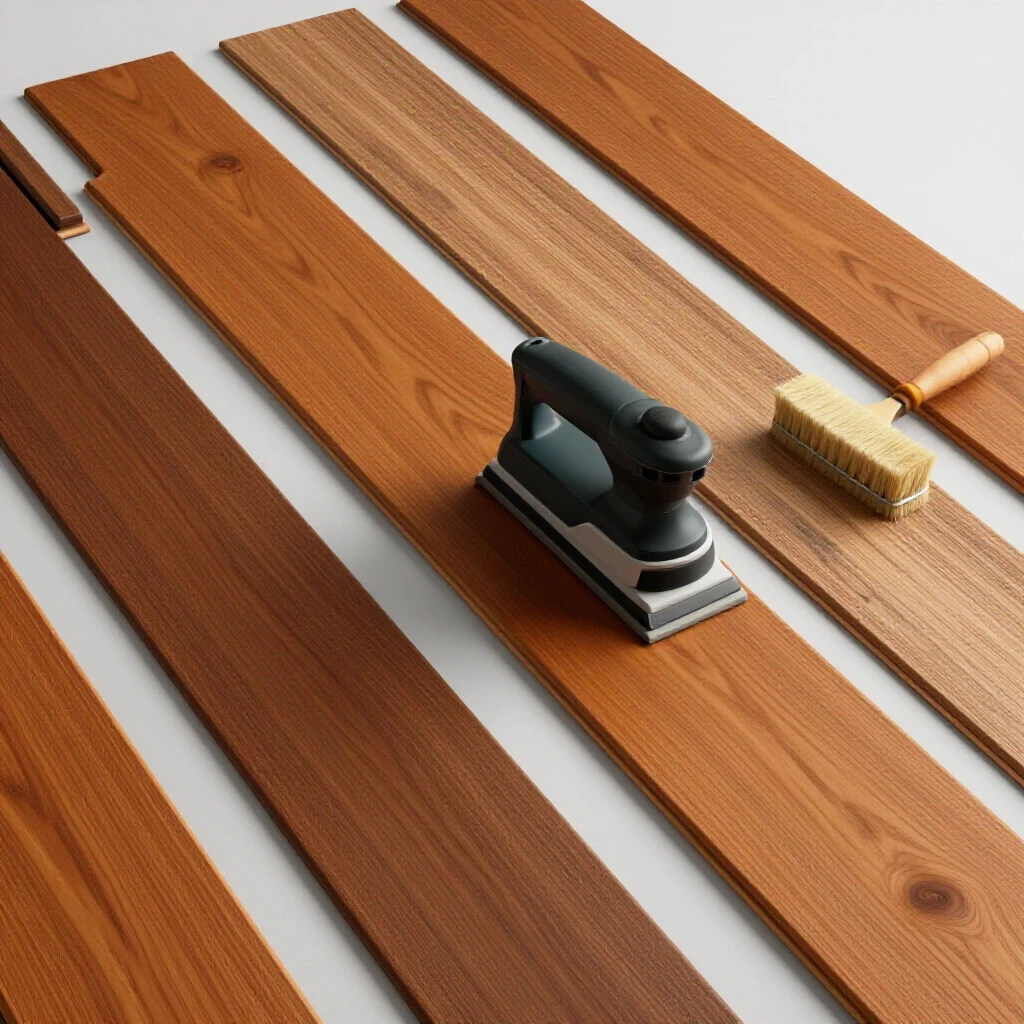
I prefer the wet-sanding method for floor repairs. By adding a few drops of water to the sandpaper, you reduce heat friction and prevent the sandpaper from clogging with resin dust. This results in a much smoother surface. I typically start with 400-grit to take down the bulk of the mound and finish with 2000-grit to restore the sheen.
Sanding and Curing Timeline
| Stage | Action | Time Estimate |
|---|---|---|
| Initial Cure | Resin sets to a hard touch | 20 – 60 Minutes |
| Leveling Sand | 400-grit to remove excess | 5 Minutes |
| Polishing Sand | 1000-2000 grit for shine | 10 Minutes |
| Full Hardness | Ready for heavy foot traffic | 24 Hours |
Maintaining the Glaze Integrity
When sanding, keep your movements small and localized. If you are worried about the surrounding area, you can leave the painter’s tape in place during the initial 400-grit sanding phase. Once the filler is almost flush with the tape, remove the tape and switch to the higher-grit papers. This technique, which I learned from automotive bodywork, protects the “factory finish” of your floor while allowing you to get the patch perfectly level.
Common Challenges and Quality Control
Identifying issues like air bubbles or color shifts during the curing process helps prevent rework and ensures structural integrity. Even with careful prep, things can go wrong. For example, if the room temperature is below 60 degrees Fahrenheit, the chemical reaction in the epoxy may slow down significantly, leading to a tacky finish that never fully hardens.
Interestingly, user-reported failure analyses often point to “over-working” the resin as a primary cause of bubbles. Once the resin is in the hole, stop touching it. If you see a bubble, pop it immediately with a needle, but do not keep stirring the mixture once it is applied. If the color looks wrong after it dries, do not panic. You can carefully scrape out the cured resin with a sharp utility blade and start over. It is a 20-minute setback that saves you from years of looking at a mismatched spot.
Troubleshooting Flowchart
- Is the filler still tacky after an hour?
- Check room temperature. If cold, use a hairdryer on a low setting to gently warm the area.
- If the ratio of resin to hardener was off, you must remove it and re-apply.
- Does the patch look too dull?
- Continue sanding with higher grits (up to 3000) or use a tiny drop of clear coat polish.
- Are there tiny pinholes in the surface?
- Apply a very thin “skim coat” of the same resin mixture to fill the pores and re-sand.
Long-Term Maintenance and Clean-Up
Once the repair is fully cured—usually after 24 hours—it should be as water-resistant and durable as the tile itself. However, you should avoid using steam mops directly over the repaired area for the first week. The high heat can occasionally soften newer resins before they have reached their maximum chemical resistance.
For clean-up, ensure all leftover resin is wiped off your tools with alcohol before it hardens. Once epoxy cures on a spatula or tray, it is essentially permanent. I keep a “repair log” for my home where I note the pigment ratios I used for specific rooms. This saves me hours of color-matching if another chip occurs in the future.
Project Planning Checklist
- [ ] Inspect tile for structural cracks (Tap test).
- [ ] Purchase color-matched epoxy or acrylic kit.
- [ ] Clean area with 91% Isopropyl Alcohol.
- [ ] Set up ventilation and PPE (Gloves/Glasses).
- [ ] Mix and test color match on a discreet area.
- [ ] Apply filler with slight overfill to account for shrinkage.
- [ ] Allow to cure according to manufacturer specs.
- [ ] Wet-sand flush using progressive grits (400 to 2000).
- [ ] Clean work area and document pigment mix.
Conclusion
Completing a subtle floor restoration is a high-value project that preserves the visual continuity of your home without the mess of demolition. By focusing on surface preparation, precise color blending, and patient sanding, you can achieve a result that is virtually undetectable to the naked eye. As a busy professional, these targeted weekend upgrades provide a sense of accomplishment and protect your property’s value. Your next step is to evaluate any minor blemishes in your high-traffic areas and gather the necessary resins to restore your floors to their original state.
Frequently Asked Questions
How do I know if my tile is too damaged for a simple filler?
If the chip is larger than a quarter or if there are cracks radiating out from the impact point like a spider web, the tile may be structurally compromised. Fillers work best for “divots” where the material was gouged out but the rest of the tile remains firmly bonded to the floor.
Can I use regular super glue for this repair?
Super glue is too thin and brittle for floor repairs. It does not have the “body” to fill a crater and will likely crack under the pressure of foot traffic. A two-part epoxy or a thick acrylic resin is necessary to provide the volume and durability required for a floor.
What if my tile has a matte finish instead of a glossy one?
You can control the gloss level during the sanding phase. For a matte finish, stop sanding at a lower grit, such as 400 or 600. For a high-gloss finish, proceed all the way to 2000 or 3000 grit and finish with a polishing compound.
Is the repair waterproof?
Yes, once fully cured, epoxy and acrylic resins are waterproof. This makes them ideal for kitchen and bathroom floors where frequent mopping or spills occur.
How long will the repair last?
When performed on a clean, stable surface, these repairs can last for many years. The bond is chemical and mechanical, meaning it essentially becomes part of the tile. However, dropping another heavy object on the same spot could damage it again.
Can I walk on the floor during the curing process?
You should avoid walking on the specific tile for at least 4 to 6 hours, even if the kit says “fast-dry.” For the best results, keep pets and children away from the area for a full 24 hours to ensure no dust or hair gets trapped in the resin.
How do I match a tile with multiple colors or a “stone” look?
The best technique is to mix a base color that matches the most prominent shade in the tile. While the resin is still wet in the chip, take a tiny amount of a secondary color on a needle and swirl it in slightly. This mimics the natural “veining” found in stone-look tiles.
Will the filler change color over time?
High-quality modern resins are UV-stable, meaning they won’t yellow quickly. However, if the floor is in direct, constant sunlight, some slight fading may occur over several years. Using a kit specifically labeled as “non-yellowing” or “UV-stable” is the best way to prevent this.
Can I use this method on grout lines?
This method is specifically for the tile surface. Grout is porous and moves differently than tile. For grout issues, it is better to use a dedicated grout repair pen or a small amount of matching grout.
What is the best way to remove excess resin if I get it on the good part of the tile?
If the resin is still wet, use a cloth dampened with isopropyl alcohol. If it has already hardened, you can very carefully use a single-edge razor blade held at a low angle to “shave” it off the surface, taking care not to scratch the tile’s glaze.
(This article was written by one of our staff writers, Robert Callahan. Visit our Meet the Team page to learn more about the author and their expertise.)