How to Replace Cabinet Doors: Full Cost Breakdown (DIY Guide)

Updating the look of a kitchen or bathroom often starts with the surfaces we touch and see the most. In my experience as a facilities manager, I have noticed that regional environmental factors play a massive role in how materials behave over time. For instance, if you live in a high-humidity coastal area, solid wood panels might expand and contract more aggressively than they would in a dry, high-desert climate. This movement can lead to warping or binding if you do not account for proper clearances. Before I dive into any project involving wood components, I always check the local moisture levels and allow my materials to acclimate to the home’s interior for at least 48 to 72 hours. This simple step prevents the frustration of doors that fit in the garage but stick once they are installed in the kitchen.
Why Precise Measurements Are the Foundation of a Successful Cabinet Face Upgrade
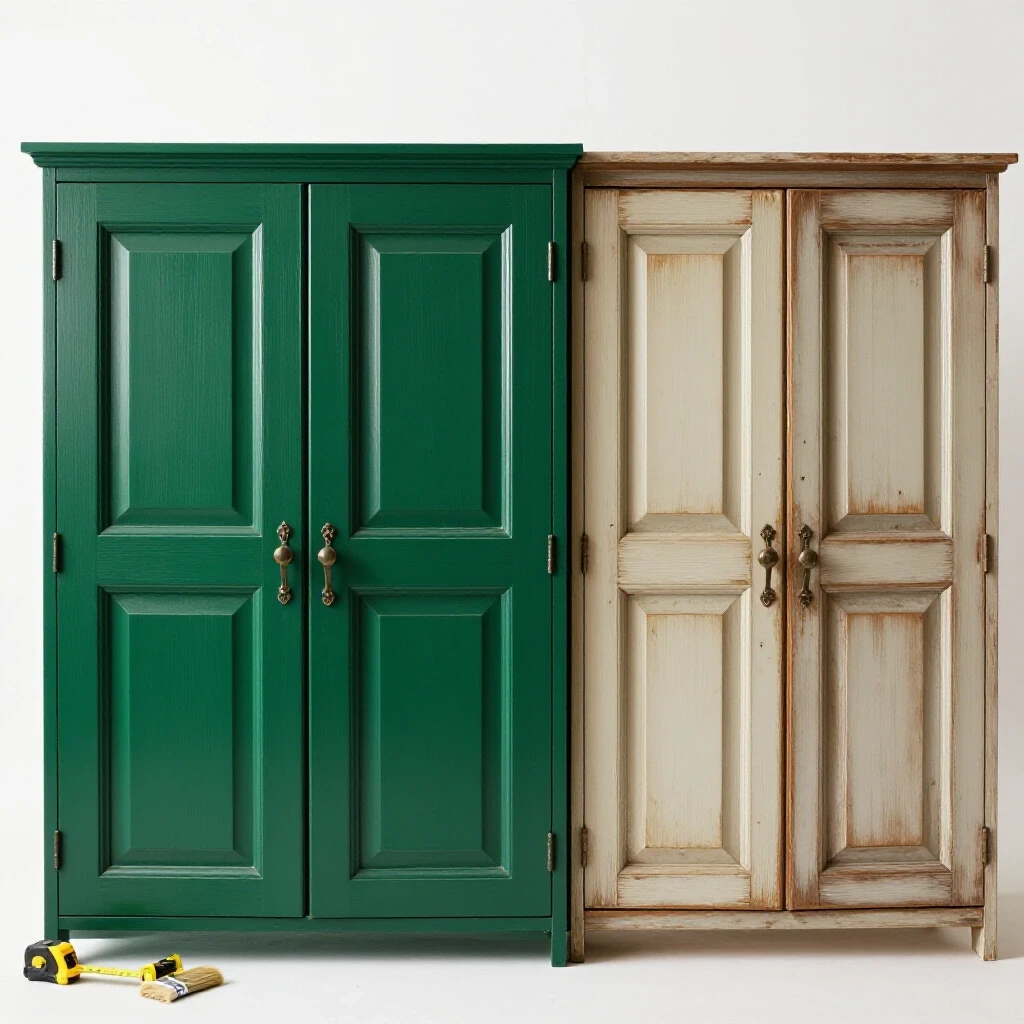
Accurate measurements ensure that new door panels fit the existing frames without overlapping or leaving unsightly gaps. This stage requires a high-quality tape measure and a clear understanding of your cabinet’s overlay style, which determines how much of the face frame remains visible.
I remember my first major DIY project in our 1940s colonial. I was confident I could eyeball the measurements, but I quickly learned that even a 1/16th-inch error across twenty doors creates a cumulative disaster. In the facilities world, we call this “tolerance stack-up.” If every door is just a tiny bit off, the entire run of cabinets looks crooked.
To avoid this, you must determine your “overlay.” This is the distance the door overlaps the cabinet opening on all sides. Most modern cabinets use a 1/2-inch or 1-1/4-inch overlay. To calculate the new door size, measure the width of the opening and add twice the overlay. For example, if your opening is 15 inches wide and you want a 1/2-inch overlay, your door should be 16 inches wide.
- Measure every single opening individually; do not assume they are all the same.
- Use a steel tape measure for accuracy, as cloth tapes can stretch.
- Record measurements in width by height format (W x H) to avoid ordering errors.
- Double-check for obstructions like soffits, appliances, or adjacent walls that might limit door swing.
Essential Tool Inventory for a Cabinet Front Refacing Project
Having the right tools minimizes frustration and prevents damage to expensive new materials. This list includes both basic hand tools for removal and precision power tools for drilling hinge cups and ensuring a level installation that meets professional standards.
When I am managing a facility, I never send a technician to a job without a complete kit. For a homeowner, the “return on investment” (ROI) for these tools is high because they can be used for dozens of future projects. I prefer cordless systems for mobility, especially when working in tight kitchen corners.
- Cordless Drill and Impact Driver: Essential for driving screws and boring hinge holes.
- Concealed Hinge Jig: A specialized guide that ensures every hinge cup is drilled at the exact depth and distance from the edge.
- Laser Level or 2-foot Spirit Level: Used to ensure all doors are perfectly horizontal across a run.
- Combination Square: Helpful for marking hardware locations consistently.
- Quick-Release Clamps: These act as a “second set of hands” to hold doors in place during mounting.
- Personal Protective Equipment (PPE): Includes safety glasses and a N95 mask if you are sanding or drilling into older materials that might contain lead-based finishes.
| Tool Type | Essential vs. Optional | Estimated Cost | Purpose |
|---|---|---|---|
| Hinge Jig | Essential | $30 – $50 | Ensures consistent hinge placement. |
| Cordless Drill | Essential | $80 – $150 | Driving fasteners and boring holes. |
| Laser Level | Optional | $40 – $100 | Speeds up alignment across long rows. |
| Cabinet Clamps | Optional | $20 – $40 | Holds doors while you screw in hinges. |
A Realistic Financial Breakdown: Material and Hardware Costs
Budgeting for a cabinet update involves more than just the price of the doors themselves. You must account for hinges, pulls, finishing supplies, and potential tool upgrades to get a clear picture of the total investment compared to a professional installation.
In my professional capacity, I track every cent to ensure projects stay under budget. For a typical kitchen with 20 doors and 5 drawer fronts, the costs can vary wildly based on material choice. Solid maple or cherry will always cost more than Medium Density Fiberboard (MDF). However, MDF is often more stable in fluctuating temperatures, making it a practical choice for painted finishes.
- Unfinished MDF Doors: $15 – $30 per unit.
- Solid Wood Doors (Unfinished): $40 – $80 per unit.
- Soft-Close Hinges: $5 – $10 per pair.
- Decorative Pulls/Knobs: $3 – $12 each.
- Finishing Supplies (Paint/Primer/Stain): $100 – $200 total.
DIY vs. Professional Cost Comparison A professional refacing service typically charges between $150 and $300 per door, including labor and materials. For a 20-door kitchen, that is a $3,000 to $6,000 bill. By handling the labor yourself, you can often complete the same project for $800 to $1,500, including the purchase of new tools.
Understanding Hinge Mechanics and Safety Standards
Selecting the correct hinge is a technical requirement that affects both the longevity of the cabinet and the safety of the user. Modern concealed hinges offer three-way adjustability, which allows you to fine-tune the door position after it is mounted.
In facilities management, we prioritize “cycle life”—how many times a door can open and close before the hardware fails. I recommend choosing hinges rated for at least 50,000 cycles. Also, be aware of “soft-close” mechanisms. These are not just a luxury; they prevent doors from slamming, which protects the structural integrity of the cabinet box and prevents pinched fingers for families with small children.
When installing hinges, you must adhere to manufacturer specifications for “cup depth.” Drilling too deep can ruin the door face, while drilling too shallow prevents the hinge from sitting flush. Most European-style hinges require a 35mm hole bored to a depth of roughly 11mm to 13mm.
Step-by-Step Execution: From Removal to Final Adjustment
This phase covers the physical labor of taking down old fronts, prepping the frames, and mounting the new panels. Following a logical sequence prevents rework and ensures that every door hangs straight and functions smoothly without hitting adjacent surfaces.
Phase 1: Preparation and Demolition
Start by emptying the cabinets. It might seem like extra work, but you need clear access to the interior frames. I once tried to skip this and ended up knocking a stack of ceramic plates onto the floor while reaching for a hinge screw. Remove the old doors and hardware, then clean the face frames with a degreaser. Kitchen grease is a silent project killer; it prevents new paint or adhesive from bonding correctly.
Phase 2: Boring the Hinge Holes
Using your hinge jig, bore the holes into the back of the new doors. I suggest doing a “dry-fit” test on a scrap piece of wood first. This confirms your settings are correct before you touch the actual doors. Set your drill to a high speed but apply steady, moderate pressure to avoid “blowout” on the front side of the door.
Phase 3: Mounting the Doors
Attach the hinges to the doors first. Then, using a clamp or a support block, hold the door against the cabinet frame at the desired height. Drive the mounting screws into the frame. If you are working alone, a small scrap of wood screwed temporarily to the frame can act as a ledge to hold the door’s weight.
Phase 4: The Three-Way Adjustment
Once all doors are hanging, they will likely look crooked. Do not panic. Concealed hinges have three screws: 1. The Depth Screw: Moves the door in or out relative to the frame. 2. The Vertical Screw: Moves the door up or down. 3. The Side-to-Side Screw: Adjusts the gap between doors.
Troubleshooting Common Installation Failures
Even with careful planning, issues like stripped screw holes or misaligned panels can occur. Knowing how to resolve these problems using standard maintenance techniques prevents the need for costly replacements or professional intervention.
One of the most common failures I see is “hinge pull-out,” where the screws strip the wood fibers in the cabinet frame. This often happens in older cabinets made of particle board. My go-to fix is the “golf tee method.” Dip a wooden golf tee or a toothpick in wood glue, tap it into the stripped hole, let it dry, and cut it flush. You now have fresh wood to bite into.
If a door is sagging and the adjustment screws are at their limit, the cabinet box itself might be out of square. In this case, you may need to use thin plastic shims behind the hinge plate to compensate for the tilt. Always check your work with a level; a door that looks straight to the eye might still swing open on its own if the vertical axis is tilted.
Time Estimates and Project Management for Busy Professionals
Balancing a full-time career with home improvements requires a realistic look at active labor hours versus “curing” time. Breaking the project into manageable weekend blocks prevents burnout and ensures that the kitchen remains functional during the week.
For a standard 20-door project, I break the timeline down as follows: * Weekend 1: Measuring, ordering, and tool acquisition (4-6 hours). * Weeknight 1: Cleaning and prepping face frames (2-3 hours). * Weekend 2: Drilling hinge cups and mounting doors (8-10 hours). * Weekend 3: Installing decorative hardware and final adjustments (4-5 hours).
If you are painting or staining the doors yourself, add at least 48 hours of drying time between coats. Rushing the “cure time” leads to “blocking,” where the paint on the door sticks to the paint on the frame, causing the finish to peel the first time you open the cabinet.
Safety Precautions and Code Considerations
While updating cabinet fronts does not usually require a building permit, there are safety standards and manufacturer guidelines that must be followed. These ensure the installation is stable and does not interfere with the safe operation of your home’s systems.
- Weight Limits: Ensure the new doors do not exceed the weight capacity of the hinges. Standard hinges are usually rated for doors up to 15-20 lbs.
- Clearance: Maintain a minimum clearance of 1/8 inch between doors to allow for natural wood expansion.
- Lead Safety: If your home was built before 1978, the existing cabinet finish may contain lead. Use a lead test kit before sanding. If positive, follow EPA Lead-Safe guidelines, which include using a HEPA vacuum and wet-sanding to minimize dust.
- Fire Safety: Keep a minimum 30-inch vertical clearance between the cooktop and any combustible materials (like wood cabinet doors) unless a range hood is present, as per many local residential codes.
Final Clean-up and Maintenance Procedures
The final stage of the project involves more than just throwing away boxes; it requires a systematic check of all fasteners and a cleaning of the new surfaces. Proper maintenance will extend the life of your upgrade and keep the hardware functioning smoothly for years.
After the installation is complete, I go back and tighten every screw one last time. Vibrations from daily use can loosen hinges in the first few weeks. Clean the doors with a mild soap and water solution; avoid harsh chemicals that can break down the clear coat or paint. If you notice a squeak, a small drop of silicone-based lubricant on the hinge pivot point usually solves the issue.
I also recommend keeping a small “touch-up kit” containing a small vial of the paint or stain used and a few spare hinges. In a facilities environment, we call this “attic stock.” Having these items on hand makes future repairs nearly invisible and much faster to execute.
Conclusion and Next Steps
Taking on the task of refreshing your cabinetry is a significant but rewarding undertaking. By focusing on precise measurements, investing in the right jigs, and following a structured timeline, you can achieve a result that looks professional while saving thousands of dollars. The key is to respect the materials and the process. Start by measuring your current openings this weekend and creating a detailed shopping list. Once your materials arrive and have had time to acclimate to your home’s environment, you will be ready to transform your space one door at a time.
Frequently Asked Questions
How do I know if I should replace the entire cabinet or just the doors?
If the cabinet boxes (the “carcass”) are structurally sound, level, and free of water damage or mold, you can save a significant amount of money by only replacing the fronts. If the boxes are sagging, cracked, or the wood is crumbling, a full replacement is necessary for safety and longevity.
What is the difference between “Inset” and “Overlay” doors?
Inset doors sit flush inside the cabinet frame, requiring very precise gaps and specialized hinges. Overlay doors sit on top of the frame. Overlay is much more DIY-friendly because the door itself hides the frame, allowing for more margin of error in your measurements and alignment.
Can I reuse my old hinges on new doors?
While possible, it is rarely recommended. New doors are often pre-drilled for modern concealed hinges, which offer better adjustability than older styles. Additionally, hinges wear out over time; starting with fresh hardware ensures the doors will hang straight and close properly.
Do I need to sand the cabinet frames before painting them to match the new doors?
Yes. To ensure the new finish adheres, you must scuff-sand the existing frames with 120-grit or 150-grit sandpaper. This removes the gloss from the old finish. Always follow up with a high-quality primer designed for cabinets before applying your topcoat.
How much gap should I leave between two doors that meet in the middle?
A standard gap (or “reveal”) is 1/8 of an inch. This provides enough space for the doors to swing open without hitting each other, while still looking tight and professional. In high-humidity areas, you might increase this to 3/16 of an inch to account for wood expansion.
What should I do if my cabinet frames are not perfectly level?
Use your hinges’ vertical and horizontal adjustment screws to “cheat” the doors into alignment. You want the doors to look level relative to each other and the countertop, even if the boxes themselves are slightly tilted. If the tilt is severe, you may need to shim the hinges.
Is MDF better than solid wood for kitchen cabinet doors?
MDF is often preferred for painted doors because it does not have a grain that can show through the paint and it is very resistant to warping. Solid wood is preferred for stained finishes where the natural beauty of the grain is the focus. Both are durable if finished correctly.
How do I measure for drawer fronts?
Measure the existing drawer front exactly. If you are starting from scratch, measure the drawer box and add your desired overlay. Ensure the new front does not interfere with the drawer’s ability to slide in or hit the cabinet frame above it.
What is a “bore distance” on a hinge?
This is the distance from the edge of the door to the edge of the 35mm hole you drill for the hinge cup. For most hinges, this is between 3mm and 6mm. Check your hinge manufacturer’s technical guide, as this distance affects how much overlay the door achieves.
How can I prevent the doors from banging against the frames?
Install small clear silicone “bumpers” on the top and bottom corners of the door’s interior face. If you are using soft-close hinges, these bumpers act as a secondary silencer and protect the finish on both the door and the frame.
(This article was written by one of our staff writers, Robert Callahan. Visit our Meet the Team page to learn more about the author and their expertise.)