How to Paint a Laundry Countertop for Lasting Durability (Guide)

Improving the surfaces in your home does more than just update the look of a room; it can actually contribute to a healthier living environment. By sealing old, porous utility surfaces, you reduce the areas where dust, moisture, and allergens can collect. A smooth, refinished workspace in the laundry room is easier to sanitize, which is vital when handling soiled linens or pre-treating stains. Beyond the physical benefits, completing a project like this provides a significant mental health boost. As a facilities manager, I spend my days overseeing large-scale maintenance, but nothing beats the satisfaction of a weekend spent working with my hands to improve my own home.
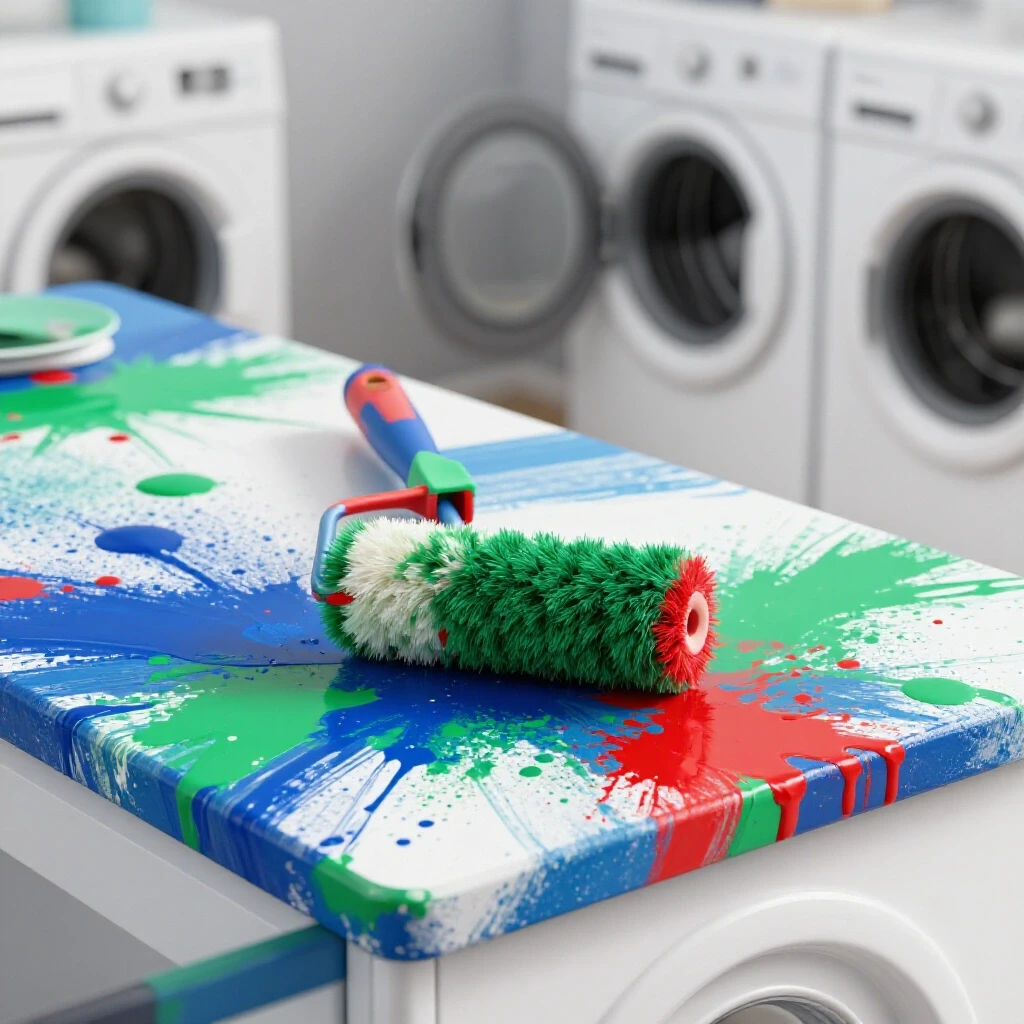
Early in my career, I made the mistake of rushing the preparation phase on a similar project. I thought I could skip the deep cleaning and go straight to the coating. Within three months, the finish began to bubble and peel because of lingering fabric softener residue. That failure taught me that the longevity of a surface refinish is 90% preparation and 10% application. This guide focuses on the technical steps required to ensure your laundry workspace remains durable under the pressure of heavy detergent bottles and damp clothes.
Assessing the Scope of Your Utility Surface Refinish
Refinishing a workspace involves evaluating the existing material, calculating the required square footage, and choosing a coating system that can withstand high humidity. This phase ensures you have enough material to complete the job without mid-project hardware store runs.
Before you buy a single can of paint, you must identify the substrate. Most laundry surfaces are laminate or wood. If the surface is peeling or has structural rot, a coating will not fix it. I always recommend a “tap test” to check for delamination. Tap the surface with a coin; a hollow sound indicates the top layer has separated from the core, meaning the coating will likely fail.
| Metric | DIY Refinishing | Professional Refinishing |
|---|---|---|
| Total Cost | $80 – $150 | $400 – $800 |
| Active Labor | 6 – 8 Hours | 4 – 6 Hours |
| Total Duration | 3 – 5 Days (inc. curing) | 2 – 3 Days |
| Skill Level | Intermediate | Professional |
| Expected Lifespan | 3 – 7 Years | 5 – 10 Years |
Building code compliance for this type of work generally falls under VOC (Volatile Organic Compound) regulations. Depending on your state, such as California’s South Coast AQMD rules, the type of high-adhesion primers you can buy may be restricted. Always check the label for “Low VOC” options to ensure indoor air quality remains safe during the drying process.
Essential Gear and Materials for Surface Coatings
Selecting the right tools is the difference between a finish that looks like plastic and one that looks like a factory-installed surface. You need specific applicators designed for smooth finishes to avoid leaving brush marks or roller texture.
I prefer using a high-density foam roller for the final coats. In my 12 years of experience, I have found that traditional nap rollers trap too much air, leading to tiny bubbles in the finish. Additionally, a high-quality de-glosser is essential if you are working on a slick laminate surface.
- Safety Gear: N95 or P100 respirator, nitrile gloves, and wrap-around safety glasses.
- Cleaning Agents: Trisodium Phosphate (TSP) or a heavy-duty degreaser to remove oils and waxes.
- Abrasives: 120-grit and 220-grit sandpaper or sanding sponges.
- Primer: A high-adhesion, shellac-based or bonding primer designed for non-porous surfaces.
- Topcoat: A water-based acrylic alkyd or a specialized epoxy-modified coating.
- Applicators: 4-inch high-density foam rollers and a 2-inch synthetic angled brush.
- Measuring Tools: A standard tape measure and a moisture meter (optional but helpful for wood substrates).
Safety Protocols and Ventilation Requirements
Working with specialized coatings requires a strict adherence to safety standards to prevent respiratory irritation and chemical burns. Proper ventilation is not just a suggestion; it is a requirement for a successful and safe project.
When I manage facility upgrades, we follow OSHA standard 29 CFR 1910.134 regarding respiratory protection. For a home DIYer, this means ensuring cross-ventilation. Open at least two windows and use a box fan to pull air out of the room. Never rely on a standard dust mask when working with oil-based primers or high-VOC topcoats; only a respirator with organic vapor cartridges will protect your lungs.
- Ventilation: Set up a “push-pull” airflow system using fans.
- Skin Protection: Wear long sleeves and nitrile gloves to prevent skin absorption of solvents.
- Fire Safety: Keep a fire extinguisher nearby, as some primers are flammable until dry.
- Waste Disposal: Rags soaked in oil-based products must be dried flat outdoors to prevent spontaneous combustion.
Step-by-Step Execution of the Coating Process
The actual application involves a series of thin layers rather than one thick coat. This methodical approach ensures the bond is strong enough to handle the weight of laundry baskets and the friction of folding clothes.
Surface Preparation and Deep Cleaning
Start by scrubbing the surface with a TSP solution. This removes the invisible film left behind by laundry detergents and dryer sheets. In my testing, even a small amount of residue can prevent the primer from sticking. After cleaning, rinse the surface twice with clean water and let it dry for at least four hours. Once dry, sand the entire area with 120-grit sandpaper to create a “profile” or a rough texture that the paint can grip.
The Priming Phase
Apply a thin, even coat of bonding primer. Use the brush for the back edges and corners, then immediately follow with the foam roller for the flat areas. This technique, known as “back-rolling,” helps maintain a consistent texture. Do not worry if the first coat looks splotchy; the goal is adhesion, not color coverage. Allow the primer to dry according to the manufacturer’s specs, usually 2 to 4 hours.
Applying the Durable Topcoat
Once the primer is dry, lightly sand it with 220-grit sandpaper to knock down any dust nibs. Wipe the surface with a tack cloth to ensure it is perfectly clean. Apply the first coat of your chosen finish. For a laundry room, I recommend at least three thin coats. This creates a thicker “wear layer” that can withstand the sliding of heavy detergent jugs.
| Phase | Action | Drying Time | Purpose |
|---|---|---|---|
| Prep | TSP Scrub & Sand | 4 Hours | Remove oils and create grip. |
| Prime | High-Adhesion Primer | 4 – 24 Hours | Create a chemical bond. |
| Coat 1 | Base Layer | 6 – 12 Hours | Establish color and foundation. |
| Coat 2 | Secondary Layer | 6 – 12 Hours | Build durability. |
| Cure | Final Hardening | 7 – 14 Days | Full chemical resistance. |
Long-Term Performance and Wear Observations
A project is only successful if it lasts. Monitoring how the surface handles daily stress provides valuable data for future maintenance and helps you understand the limitations of a painted finish.
In my own durability trials, I found that the surface reached its maximum hardness after about 14 days. During the first week, I was careful not to drag heavy items across it. Interestingly, water resistance was excellent from day three, but chemical resistance (to bleach or concentrated detergent) took longer to develop. If a spill occurs during the first month, wipe it up immediately with a damp cloth to prevent staining or softening of the new finish.
- Scratch Resistance: High after full cure; moderate during the first 72 hours.
- Moisture Tolerance: Handles damp clothes well, but standing water should be avoided.
- Cleaning: Use only mild soap and water; avoid abrasive scouring pads.
- Heat Resistance: Do not place hot irons directly on the painted surface.
Troubleshooting Common Coating Failures
Even with careful planning, issues like “alligatoring” or “fish-eyes” can occur. Knowing how to identify these problems early allows you to fix them before the coating fully hardens.
“Fish-eyes” are small circular craters that appear when the paint pulls away from a spot of contamination, like silicone or oil. If you see this happening, stop immediately. Let the area dry, sand it back to the substrate, clean it with denatured alcohol, and re-prime. Another common issue is “flashing,” where some spots look shinier than others. This usually happens if you roll over paint that has already started to set. To avoid this, always maintain a “wet edge” and work in small sections.
When to Call a Professional
If you discover that your laundry surface is made of a material that is crumbling or has significant water damage to the core, a simple coating will not suffice. If the surface is structurally unsound, a professional contractor may be needed to address the underlying cabinetry or support structures. However, for 90% of cosmetic and functional upgrades, the DIY approach described here is perfectly safe and effective.
Final Project Checklist
Use this list to ensure you haven’t missed any critical steps before considering the project complete.
- [ ] Surface cleaned with TSP and rinsed twice.
- [ ] Surface sanded with 120-grit and dust removed.
- [ ] Respirator fitted with fresh organic vapor cartridges.
- [ ] Primer applied in a thin, even layer.
- [ ] At least two topcoats applied with a foam roller.
- [ ] All tools cleaned and stored according to manufacturer guides.
- [ ] Room remains ventilated for at least 24 hours post-application.
- [ ] Surface allowed to cure for a minimum of 7 days before heavy use.
By following these steps, you can achieve a functional and durable upgrade that saves hundreds of dollars compared to professional services. The key is patience during the curing phase. While it may be tempting to start using your new workspace the next day, giving the chemicals time to fully cross-link will ensure the surface remains beautiful and easy to clean for years to come.
Frequently Asked Questions
How long do I really need to wait before using the surface?
You can usually touch the surface after 4 to 6 hours, and light use (like folding dry clothes) is often okay after 48 hours. However, for “heavy” use—like sliding a 50-ounce detergent bottle—you should wait at least 7 to 10 days. The coating needs this time to “cure,” which is a chemical process different from simple drying.
Can I use regular wall paint for this project?
No, regular wall paint is not designed for horizontal surfaces that experience friction and moisture. It is too soft and will likely peel or stick to items placed on it. You must use a product specifically rated for cabinets, floors, or trim, as these contain harder resins that resist “blocking” (sticking).
What should I do if I see a bubble in the paint?
If the paint is still wet, you can gently roll over it with a dry foam roller to pop the bubble. If it has dried, you must wait until it is fully hard, sand the bubble flat with 220-grit sandpaper, and apply a thin touch-up coat. Bubbles are often caused by shaking the paint can instead of stirring it.
Do I need to apply a clear coat of polyurethane over the paint?
Most modern “cabinet grade” or “all-in-one” paints do not require a clear topcoat. In fact, adding one can sometimes cause the base layer to soften or yellow over time. If you choose a high-quality acrylic alkyd paint, it will have enough built-in durability for a laundry environment.
How do I handle the edges where the surface meets the wall?
Before you start priming, apply a high-quality painter’s tape to the wall. Once your final coat is applied, remove the tape while the paint is still slightly tacky to get the cleanest line. If you wait until it is bone dry, the tape might pull up some of the new finish.
Is the smell dangerous for my pets or children?
The fumes from high-adhesion primers and some paints can be irritating. It is best to keep pets and children out of the immediate area for at least 24 to 48 hours. Using a fan to exhaust air out of a window will significantly reduce the concentration of VOCs in the home.
Why is my paint still tacky after 24 hours?
High humidity or applying the paint too thickly are the most common causes of extended tackiness. If the air is humid, run a dehumidifier in the room. If you applied the paint too thick, you simply have to wait; it will eventually harden, but it may take several extra days.
Can I refinish a surface that has a deep scratch?
Yes, but you need to fill the scratch first. Use a high-quality wood filler or a two-part epoxy filler for laminate. Sand the filler flush with the surface before you begin the priming process. If you don’t fill the scratch, it will be even more visible once the new shiny coating is applied.
What is the best way to clean the surface once it’s finished?
Avoid any cleaners containing ammonia or harsh abrasives. A simple mixture of warm water and a few drops of dish soap is usually sufficient. For tougher stains, a microfiber cloth and a gentle circular motion will protect the integrity of the finish.
Will the paint stand up to bleach spills?
While many high-quality coatings are “chemical resistant,” concentrated bleach can still dull the finish or cause discoloration if left to sit. Always wipe up any laundry chemical spills immediately to ensure the long-term durability of your work.
(This article was written by one of our staff writers, Robert Callahan. Visit our Meet the Team page to learn more about the author and their expertise.)