How to Paint a Hallway with Kids: Durable, Kid-Proof Tips (Guide)

Choosing the best option for a family hallway involves selecting materials that can survive the daily chaos of a busy home. In my twelve years as a facilities manager, I have seen how quickly a narrow corridor can degrade under the pressure of moving bodies, bags, and pets. A successful upgrade requires more than just a new color; it demands a strategy focused on surface resilience and ease of cleaning.
When I first moved into my current home, I made the mistake of using a flat finish in the main entry corridor. Within three months, my two young children had decorated the lower half with scuff marks from their sneakers and mysterious sticky handprints. I spent my weekends scrubbing the walls, only to find that the paint rubbed right off along with the dirt. This taught me that a durability-focused approach is the only way to save time and money in the long run. By choosing the right sheen and following a strict preparation protocol, you can create a space that looks fresh for years instead of weeks.
Assessing the Corridor Environment for Maximum Longevity
This phase involves evaluating the current state of your walls and identifying high-friction areas where damage is most likely to occur. Understanding the physics of how a hallway functions helps in selecting the right prep methods and finish types.
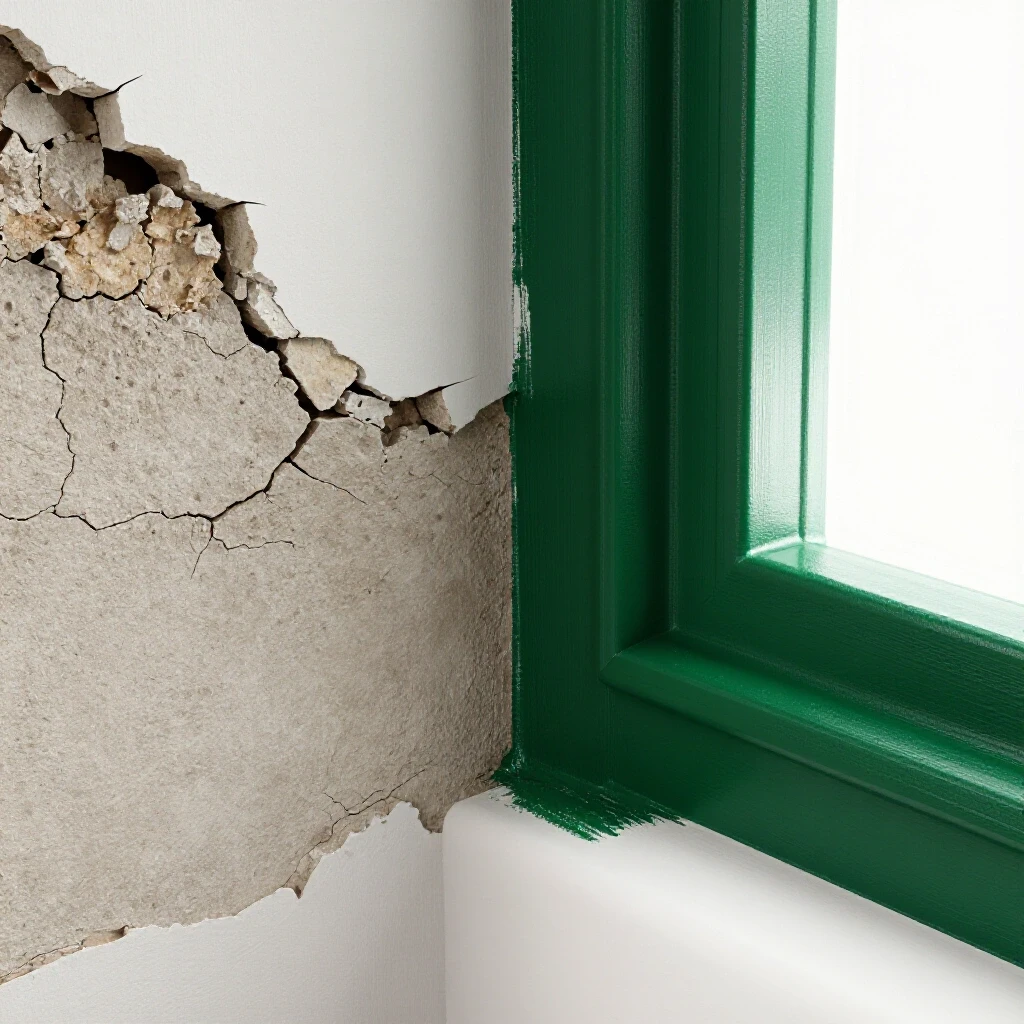
In a narrow space, the walls are constantly subjected to “glancing blows” from shoulders, backpacks, and toys. This is different from a living room where furniture usually protects the lower sections of the wall. To ensure your work lasts, you must look for signs of existing moisture, loose plaster, or “flashing,” which is an uneven gloss caused by poor application in the past.
I always start by checking for lead if the home was built before 1978. While we are just painting, sanding old layers can release harmful dust. I use a simple EPA-recognized lead test kit to be certain. Safety is the foundation of any successful weekend project, and knowing your substrate is the first step toward a code-compliant and healthy home.
Defining Your Project Scope and Goals
Establishing a clear plan helps you manage your time effectively between your professional duties and family life. A standard hallway usually takes about eight to ten hours of active work spread over two days.
- Active Labor Time: 8-12 hours
- Total Project Duration: 48 hours (including drying)
- Difficulty Rating: 3/10 (Moderate physical effort)
- Cost Range: $150 – $300 (Materials only)
| Project Phase | Active Time | Drying Time |
|---|---|---|
| Surface Cleaning | 1 hour | 1 hour |
| Patching and Sanding | 2 hours | 4 hours |
| Taping and Masking | 1.5 hours | N/A |
| First Coat | 2 hours | 4-6 hours |
| Second Coat | 2 hours | 24 hours (Full Cure) |
Essential Gear for a High-Performance Wall Refresh
Having the right tools prevents the frustration of mid-project hardware store runs and ensures a cleaner finish. A curated kit allows you to work efficiently and achieve results that stand up to the rigors of a household with active kids.
I have found that spending a few extra dollars on a high-quality brush makes a massive difference in how the paint lays down. Cheap brushes lose bristles and leave visible streaks. For hallways, I recommend a 2.5-inch angled sash brush made of a synthetic blend. This tool allows for precision “cutting in” around door frames and baseboards without the need for excessive taping.
The Durable DIY Tool Matrix
- Angled Sash Brush (2.5 inch): Used for precision edges and corners.
- 9-Inch Roller Frame: The standard for covering large flat areas quickly.
- Microfiber Roller Covers (3/8-inch nap): Best for smooth to semi-smooth walls.
- Telescoping Extension Pole: Saves your back and ensures even pressure.
- Paint Tray and Liners: For holding and distributing paint to the roller.
- Five-in-One Tool: Essential for opening cans, scraping loose paint, and cleaning rollers.
- Fine-Grit Sanding Sponge (120-220 grit): For smoothing patches and scuff-sanding.
- Lightweight Spackle: To fill nail holes and small dents.
- Painter’s Tape (Medium Adhesion): To protect trim and ceilings.
- Drop Cloths (Canvas): Better than plastic because they absorb drips and stay in place.
Preparing the Surface for Real-World Endurance
Preparation is the most critical stage because no paint can compensate for a dirty or damaged surface. Cleaning and repairing the walls ensures the new finish bonds correctly and does not peel when bumped by a stroller or toy.
In my experience, skipping the cleaning step is why most home projects fail within the first year. Dust, oils from hands, and household grime create a barrier that prevents paint from sticking. I use a solution of TSP (Trisodium Phosphate) or a mild degreaser to wipe down the walls from top to bottom. This is especially important in the lower three feet of the hallway where kids and pets interact with the surface the most.
Why Surface Cleaning Prevents Coating Failure
If you paint over oily fingerprints, the paint might look fine initially, but it will eventually bubble or flake. This is called a “bond failure.” By removing the surface contaminants, you create a “mechanical bond” where the paint can actually grip the microscopic pores of the wall.
After cleaning, I inspect for “popped” drywall nails or dents. I use my five-in-one tool to scrape away any loose material, then apply a thin layer of spackle. Once dry, I sand it flush with a 220-grit sponge. This ensures the hallway looks smooth even under the harsh overhead lighting common in narrow spaces.
Selecting the Right Finish for Kid-Proof Walls
The sheen of the paint determines its durability and how easy it is to clean. For a hallway that faces constant traffic, choosing the correct gloss level is a functional necessity rather than just a style choice.
I categorize paint sheens by their “resin-to-pigment” ratio. Flat paints have more pigment and less resin, making them look matte but very fragile. Glossier paints have more resin, which creates a hard, plastic-like film when dry. This film is what resists stains and prevents scuffs from penetrating the surface.
Sheen Comparison for High-Traffic Areas
- Flat/Matte: Best for hiding bumps but impossible to clean. Avoid in hallways.
- Eggshell: A soft glow that hides some flaws and offers moderate washability.
- Satin: The “gold standard” for hallways. It is very durable and easy to wipe down.
- Semi-Gloss: Extremely tough and moisture-resistant, but shows every imperfection in the wall.
| Sheen Type | Durability | Ease of Cleaning | Hide Factor (Imperfections) |
|---|---|---|---|
| Flat | Low | Very Low | High |
| Eggshell | Medium | Medium | Medium |
| Satin | High | High | Medium |
| Semi-Gloss | Very High | Very High | Low |
For my own hallway, I chose a high-quality Satin finish. It provides enough reflection to brighten a dark corridor while being tough enough to handle a damp cloth and mild soap.
Execution Phase: Professional Techniques for the Weekend Warrior
Applying the paint correctly involves a specific order of operations to avoid “lap marks” and uneven textures. Following a systematic approach ensures that the finish is consistent from the floor to the ceiling.
I start by “cutting in,” which means painting the edges where the roller cannot reach. I do one wall at a time to keep a “wet edge.” If the cut-in paint dries before you roll the main section, you will see a visible line known as “picture framing.” This is a common mistake that makes a DIY job look amateur.
The Rolling Method for Uniform Coverage
When it is time to roll, I use the “W” or “N” pattern. I start in a three-foot by three-foot section and roll a large “W” on the wall. Then, without lifting the roller, I fill in the gaps with horizontal and vertical strokes. This technique distributes the paint evenly and prevents some areas from being thicker than others.
Interestingly, the amount of pressure you apply matters. If you press too hard, you leave “ropes” or ridges of paint at the edges of the roller. I let the tool do the work, using a light, steady hand. I always finish a section with “back-rolling,” which is one long, continuous ceiling-to-floor stroke to align the texture.
Managing Safety and Building Code Considerations
Even a simple interior project must adhere to basic safety standards to protect the occupants of the home. Proper ventilation and ladder safety are the two most important factors to keep in mind.
According to OSHA guidelines for residential work, ladders should be placed on level ground and maintained at a specific angle (the 4-to-1 rule). In a narrow hallway, using a ladder can be tricky. I prefer using a sturdy step stool or a telescoping pole for most of the work to keep my feet on the ground. This reduces the risk of falls, which are the leading cause of DIY injuries.
Ensuring Proper Ventilation and Air Quality
While modern paints are lower in VOCs (Volatile Organic Compounds), it is still vital to keep air moving. I open windows at both ends of the house to create a cross-breeze. If your hallway has no windows, I place a box fan in a nearby room pointing away from the hallway to pull the air out. This speeds up the drying process and keeps the environment safe for your children and pets.
Troubleshooting Common Application Errors
Even with careful planning, mistakes can happen. Knowing how to fix them quickly prevents a small error from turning into a major setback that requires a professional’s help.
One common issue is “sagging” or “runs,” which happen when too much paint is applied in one spot. If the paint is still wet, I lightly brush out the run with my sash brush. If it has already dried, I have to wait until the next day, sand the drip flat, and re-apply a thin coat.
Dealing with Unexpected Wall Issues
- Bubbling: Usually caused by heat or moisture. Scrape, sand, and prime the area before repainting.
- Poor Coverage: If the old color is bleeding through, you may need a third coat or a dedicated primer.
- Tape Peeling: If the painter’s tape pulls off the new paint, it means you waited too long to remove it. Use a utility knife to score the edge before pulling.
In my facilities career, I have seen many people try to “stretch” a gallon of paint too far. This results in a thin, weak layer that will not stand up to cleaning. Always follow the manufacturer’s spread rate, which is typically 350 to 400 square feet per gallon.
Final Clean-Up and Tool Maintenance
Properly cleaning your tools ensures they are ready for your next weekend project and protects your investment. High-quality brushes can last for years if they are cared for correctly.
I never leave my brushes or rollers sitting in the open air during breaks. I wrap them tightly in plastic wrap or put them in a sealed plastic bag to keep the paint wet. When the project is finished, I wash the brushes with warm soapy water until the water runs clear. I use a “brush comb” to straighten the bristles before laying them flat to dry.
Long-Term Maintenance for High-Traffic Walls
To keep the hallway looking new, I recommend waiting at least 30 days before scrubbing the walls. This is the “cure time” required for the paint to reach its maximum hardness. After that, a soft microfiber cloth and a drop of dish soap are all you need to remove most marks.
I also keep a small “touch-up” jar of the paint in a climate-controlled closet. Hallways are prone to deep gouges from moving furniture. Having a small amount of paint ready to go allows for quick repairs that blend in perfectly.
Project Summary and Next Steps
Completing a hallway refresh is a rewarding way to improve your home’s function and appearance. By focusing on durability and proper technique, you create a space that can handle the reality of family life.
- Verify the wall condition and clean thoroughly with a degreaser.
- Purchase a high-quality Satin finish paint and professional-grade brushes.
- Fill all holes and sand them smooth for a seamless look.
- Maintain a “wet edge” by cutting in and rolling one wall at a time.
- Allow the paint to cure fully before attempting any heavy cleaning.
Taking these steps ensures your hard work survives the next “durability test” your kids throw at it. The satisfaction of a well-executed project comes not just from the color, but from knowing you built something that lasts.
Frequently Asked Questions
How long should I wait between the first and second coat?
Most modern latex or acrylic paints require four to six hours of drying time before the second coat can be applied. However, high humidity can extend this time. Always check the manufacturer’s technical guide on the back of the can. Applying the second coat too soon can cause the first layer to “pull” or tear, creating a messy texture.
Why does my paint look different in the corners than on the flat walls?
This is often due to “picture framing.” It happens when the paint applied by a brush has a different texture or thickness than the paint applied by a roller. To prevent this, roll as close to the corners and edges as possible while the “cut-in” paint is still wet to blend the two textures together.
Can I paint over old glossy paint without sanding?
It is not recommended. New paint needs a “profile” or a slightly roughened surface to stick to. If the existing paint is glossy, the new layer may peel off in sheets. Use a fine-grit sanding sponge to dull the shine, then wipe away the dust before starting your project.
How do I calculate how much paint I need for a hallway?
Measure the length and height of each wall to find the total square footage. Subtract the area of any doors or openings. A gallon typically covers 350-400 square feet for one coat. For a durable finish, you will always need two coats, so plan to buy enough for double the square footage.
Is it necessary to use a primer?
If you are painting a similar color over a clean surface, you might not need a separate primer. However, if you are making a drastic color change, painting over bare drywall patches, or covering a stain, a primer is essential. It provides a uniform surface for the topcoat to bond to and prevents “flashing.”
What is the best way to remove painter’s tape?
Remove the tape while the paint is still slightly tacky to the touch, or wait until it is completely dry and use a sharp utility knife to score the edge. Pulling the tape at a 45-degree angle away from the painted surface helps ensure a crisp, clean line without tearing the new finish.
How can I make my hallway feel wider with paint?
Using a lighter color with a Satin finish can help reflect light and make a narrow space feel more open. Cool tones like light blues or soft grays tend to “recede,” making the walls feel further apart than they actually are. Avoid dark, matte colors in small corridors as they absorb light and can make the space feel cramped.
What should I do if I find mold behind a hallway baseboard?
If you find a small area of mold, clean it with a mixture of bleach and water or a dedicated mold killer. However, if the area is larger than ten square feet, you should stop and consult a professional, as this may indicate a hidden plumbing leak or a more serious structural issue. Always address the source of moisture before repainting.
How do I prevent the roller from shedding lint onto the wall?
Before you start, wrap some painter’s tape around your hand with the sticky side out and run it over the new roller cover. This will pick up any loose fibers that would otherwise end up stuck in your fresh paint. High-quality microfiber rollers are also less likely to shed than cheap foam or polyester versions.
Can I use “Paint and Primer in One” for high-traffic areas?
These products are convenient and work well for many situations, but they are not a magical solution. They are essentially a thicker version of standard paint. For the best durability in a hallway, I still recommend a dedicated primer if you are dealing with repaired spots or significant color shifts to ensure the best possible bond.
(This article was written by one of our staff writers, Robert Callahan. Visit our Meet the Team page to learn more about the author and their expertise.)