How to Build a Blanket Storage Bench for Home Organization (Guide)

Setting a goal for a home upgrade often starts with a single problem: clutter. For me, that problem was a pile of throw blankets that seemed to migrate from the sofa to the floor every single evening. As a facilities manager, I spend my days ensuring large-scale buildings run safely and efficiently, but my own living room felt like it was failing its “occupancy” test. I wanted a solution that provided a place to sit while hiding the mess, but like many busy professionals, I had to find a way to fit this into a single weekend without compromising on safety or structural integrity.

In my twelve years of DIY home improvement, I have learned that the difference between a successful project and a pile of wasted lumber is the preparation phase. I remember one of my early attempts at a similar storage project where I skipped the dry-fit phase. I ended up with a lid that was a quarter-inch too wide, forcing me to recut finished wood and wasting three hours of a Sunday afternoon. Today, I approach every task with the same rigor I use at work, consulting manufacturer technical guides and building code references to ensure my furniture is as safe as it is functional.
Preparing Your Workspace and Essential DIY Tool List
Setting up a safe and organized workspace is the foundation of any successful interior storage project. This phase involves clearing a flat area, ensuring adequate lighting, and gathering all necessary safety gear and tools before the first cut is made. A controlled environment prevents accidents and ensures that measurements remain consistent throughout the assembly process.
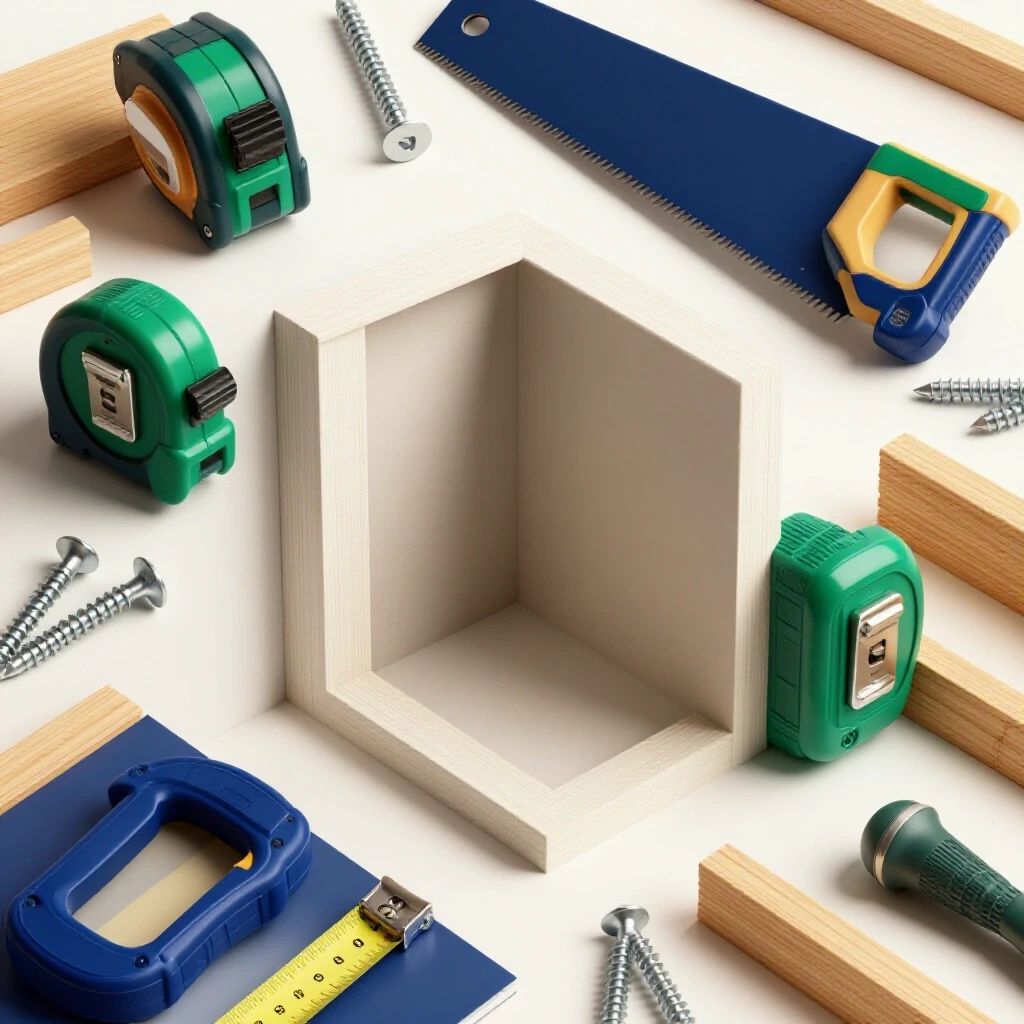
Before we look at the steps, you need to audit your toolbox. For this type of wood assembly, precision is more important than power. Having the right tools on hand prevents the frustration of mid-project hardware store runs, which is a common pain point for weekend warriors.
- Circular Saw or Miter Saw: Used for making straight, clean cuts in plywood or solid wood boards.
- Power Drill and Driver: Necessary for boring pilot holes and driving screws without splitting the timber.
- Pocket Hole Jig: This tool allows you to drill angled holes, creating strong, hidden joints that look professional.
- Measuring Tape and Speed Square: Essential for ensuring every corner is a true 90-degree angle.
- Clamps (at least four): These act as “extra hands” to hold pieces in place while the glue sets or screws are driven.
- Safety Gear: This includes ANSI-rated safety glasses, hearing protection, and a N95 dust mask for sanding.
- Wood Glue: A high-quality PVA glue provides a bond that is often stronger than the wood itself.
| Tool Category | Essential Item | Purpose in This Project |
|---|---|---|
| Cutting | Circular Saw | Breaking down 4×8 plywood sheets into manageable panels. |
| Assembly | Pocket Hole Jig | Creating internal joinery for a clean exterior finish. |
| Measurement | Speed Square | Verifying the box is square to prevent a wobbling base. |
| Safety | Safety Glasses | Protecting eyes from high-velocity wood chips during sawing. |
| Finishing | Random Orbital Sander | Smoothing surfaces to prevent snags on delicate fabrics. |
Material Selection and Structural Load-Bearing Requirements
Choosing the right materials involves more than just picking a pretty wood grain; it requires understanding how the unit will support the weight of adults sitting on it. For interior seating that doubles as storage, 3/4-inch plywood is the industry standard for durability and warp resistance. Understanding material tolerances ensures the bench remains stable for years of daily use.
When I select wood for a project like this, I look for “cabinet-grade” plywood. Unlike standard construction plywood, cabinet-grade options have more layers and fewer internal gaps, which makes them much stronger. In my facility maintenance experience, I have seen many DIY projects fail because the builder used 1/2-inch material that eventually sagged under the weight of a seated person.
- Material Thickness: Always use 3/4-inch (19mm) thickness for the top and side panels to ensure a load capacity of at least 300 pounds.
- Wood Type: Birch or Oak plywood offers a balance of strength and a smooth finish that takes paint or stain well.
- Fasteners: 1-1/4 inch pocket hole screws are the standard for joining 3/4-inch material.
- Adhesives: Use wood glue on every joint; screws provide the clamping force, but the glue provides the long-term structural bond.
Step-by-Step Assembly of the Main Storage Box
The assembly phase is where the individual pieces of wood are transformed into a functional piece of furniture through a series of logical, sequential steps. This process focuses on creating a “carcass,” or the main body of the unit, using hidden joinery techniques. Precision during this stage prevents the lid from being misaligned later in the project.
I always start by “breaking down” my plywood sheets. If you are working in a small garage, ask the lumber yard to make the primary cuts for you. This saves time and ensures the boards fit in your vehicle. Once home, I use my speed square to mark the exact locations for my pocket holes.
- Step 1: Cut the panels. You will need a front, a back, two sides, a bottom, and a top lid.
- Step 2: Drill pocket holes. Place these on the inside faces of the side panels and the bottom panel so they are hidden from view once the unit is finished.
- Step 3: Perform a dry-fit. Assemble the box without glue or screws. This is a critical safety check to ensure all pieces align. If the box is even 1/8-inch out of square, the lid will not close properly.
- Step 4: Final Assembly. Apply a thin bead of wood glue to the edges, align the panels, and drive your screws. Wipe away any excess glue immediately with a damp cloth, as dried glue will block wood stain.
Safety Standards for Lid Hinges and Finger Protection
Safety in furniture design is often overlooked, but it is the most important factor when building something with a heavy, moving lid. Using the correct hardware prevents the lid from slamming shut, which can cause serious injury to fingers. Following safety guidelines for “toy box” style hinges is a standard practice I bring from my professional maintenance background.
In the facilities world, we look at “points of failure.” A heavy wooden lid is a significant hazard. I recommend using torsion hinges or soft-close lid supports. These are designed to hold the lid open at any angle and require force to close, ensuring it never drops unexpectedly.
- Torsion Hinges: These look like heavy-duty hinges but have internal springs that counteract the weight of the lid.
- Soft-Close Gas Struts: These use compressed air to slow the closing speed, similar to the hatch on a car.
- Piano Hinges: A long, continuous hinge that provides maximum support across the entire back edge of the lid, preventing it from twisting.
Metric Benchmark: Load Tolerances For a standard bench that is 48 inches long, the lid should be able to support a static load of 350 pounds. If you plan on having multiple people sit on it, consider adding a center vertical divider inside the box. This divider acts as a support pillar, cutting the span of the wood in half and significantly increasing the weight capacity.
Finishing Techniques for Durability and Aesthetics
The finishing stage is where you protect the wood from moisture and wear while enhancing its natural beauty. This involves a multi-step process of sanding through various grits of sandpaper and applying a protective coating like polyurethane or paint. A well-finished surface is easier to clean and prevents the wood from splintering over time.
Many DIYers rush the sanding process, but this is a mistake. I follow the “Rule of 100.” I start with 80-grit sandpaper to remove any marks from the saw, then move to 120-grit, and finish with 220-grit. In my experience, skipping a grit level results in visible scratches that only show up after the stain is applied.
- Sanding: Always sand in the direction of the wood grain. If you go against the grain, you will create “pigtail” swirls that are difficult to remove.
- Pre-Stain Conditioner: If using a dark stain on light wood like Birch, apply a conditioner first. This prevents the wood from looking blotchy.
- Top Coat: Apply at least three coats of water-based polyurethane. It dries faster than oil-based versions, allowing you to finish the project in a single weekend.
| Stage | Grit/Product | Wait Time | Purpose |
|---|---|---|---|
| Initial Sand | 80 Grit | N/A | Remove mill marks and uneven edges. |
| Final Sand | 220 Grit | N/A | Create a glass-smooth surface for finish. |
| Staining | Wood Stain | 2-4 Hours | Add color to match your home decor. |
| Sealing | Polyurethane | 2 Hours (between coats) | Protect the wood from spills and scratches. |
| Full Cure | N/A | 24-48 Hours | Allow the finish to harden before use. |
Troubleshooting Common Construction Errors
Even with careful planning, issues like wood splitting or misaligned panels can occur during the build process. Troubleshooting involves identifying the root cause of the problem and applying a corrective measure that maintains the structural integrity of the piece. Knowing how to fix a mistake is a hallmark of a seasoned DIY enthusiast.
One common failure I see is “blowout,” where the screw breaks through the side of the wood. This usually happens because the pocket hole was drilled too close to the edge. If this happens, don’t panic. Back the screw out, fill the hole with a mixture of wood glue and sawdust, let it dry, and redrill the hole half an inch further in.
- The Lid is Uneven: Check if the floor is level. If the floor is slanted, the box may “rack” or twist. Use felt pads on the bottom to level the unit.
- Wood Splitting: This happens when you don’t drill a pilot hole. Always use a drill bit slightly smaller than your screw to create a path for the threads.
- Squeaky Hinges: This is often caused by screws that are slightly loose. Tighten them by hand rather than with a power driver to avoid stripping the wood fibers.
Project Maintenance and Long-Term Care
A handmade furniture piece requires minimal but consistent maintenance to ensure it remains safe and functional for years. Regular checks of the hardware and the wood finish prevent small issues from becoming major repairs. As a facilities manager, I advocate for “preventative maintenance” rather than “reactive repair.”
Every six months, I recommend a quick inspection of the interior hardware. The vibrations from opening and closing the lid can slowly loosen the hinge screws. A simple turn of a screwdriver can prevent a hinge from failing.
- Hardware Check: Tighten all screws and check that the soft-close mechanism is still slowing the lid effectively.
- Cleaning: Use a damp microfiber cloth for dusting. Avoid harsh chemicals that can break down the polyurethane finish.
- Finish Touch-ups: If the bench gets a deep scratch, lightly sand the area with 220-grit paper and dab on a small amount of matching stain or finish.
Actionable Project Planning Checklist
Use this checklist to track your progress and stay on schedule during your weekend upgrade.
- [ ] Measure the intended space in your home to determine the bench dimensions.
- [ ] Purchase 3/4-inch plywood and have it rough-cut if necessary.
- [ ] Verify you have all safety gear (glasses, mask, hearing protection).
- [ ] Cut all panels to final size and label them (Front, Back, Side A, Side B).
- [ ] Drill pocket holes and perform a dry-fit test.
- [ ] Assemble the main box using glue and screws.
- [ ] Install the lid using safety-rated hinges or lid supports.
- [ ] Sand through 80, 120, and 220 grit sandpaper.
- [ ] Apply stain and at least three coats of protective finish.
- [ ] Allow 48 hours for the finish to fully cure before adding blankets.
Building your own furniture is about more than just saving money; it is about the confidence that comes from knowing exactly how a piece was constructed. By following these professional-grade steps and prioritizing safety hardware, you create a functional asset for your home that is built to last. This project proves that even with a busy career, you can execute code-compliant, high-quality upgrades that improve your daily life.
Frequently Asked Questions
What is the best wood to use for a storage bench?
For a balance of cost and durability, 3/4-inch Birch or Maple plywood is the best choice. It is structurally stable, meaning it won’t warp as much as solid wood in changing humidity, and it provides a smooth surface for finishing. Avoid thin materials like 1/2-inch plywood for the top, as they will sag over time when sat upon.
Do I really need safety hinges for the lid?
Yes, safety hinges or lid supports are essential. A 4-foot wooden lid can be heavy enough to cause significant injury if it falls on a hand. Torsion hinges or gas struts hold the weight of the lid, ensuring it stays open and closes slowly and safely.
How do I make sure the bench is strong enough to sit on?
Ensure you are using 3/4-inch material and high-quality wood glue at every joint. For benches longer than 36 inches, adding a vertical center support inside the box will prevent the bottom and top panels from flexing. This simple addition can double the weight capacity of the unit.
Can I build this if I don’t have a table saw?
Absolutely. You can use a circular saw with a straight-edge guide to get perfectly straight cuts. Many home improvement stores will also make the initial large cuts for you, which makes the wood easier to transport and handle with smaller tools at home.
How long does the finish take to dry before I can put blankets inside?
While water-based polyurethane may feel dry to the touch in 2 hours, it takes about 24 to 48 hours to “off-gas” and harden. If you put blankets inside too early, the fabric may absorb the smell of the finish or even stick to the surface.
What are pocket holes, and why should I use them?
Pocket holes are angled holes drilled into one board that allow a screw to pass into a second board at an angle. This creates a very strong joint and hides the screw head on the inside of the project, giving the exterior a clean, professional look without visible fasteners.
How do I prevent the wood from splitting when I drive screws?
Always drill pilot holes or use self-tapping screws designed for wood. Additionally, using wood glue acts as a lubricant for the screw while it is being driven, and then creates a permanent bond once it dries.
What should I do if my floor is uneven and the bench wobbles?
Do not try to sand the bottom of the bench. Instead, use adjustable furniture glides or adhesive-backed felt pads. By adding an extra pad to the “short” corner, you can stabilize the unit without altering the woodwork.
Is wood glue really necessary if I’m using screws?
Yes. Screws are excellent mechanical fasteners, but wood glue creates a chemical bond between the wood fibers. Over time, screws can slightly loosen due to the wood expanding and contracting; the glue ensures the joint remains rigid and squeak-free.
Can I paint this instead of staining it?
Yes, but the preparation is different. If painting, you should use a wood primer first to seal the grain and prevent the wood from soaking up the paint. Sand lightly between the primer and the top coat for the smoothest possible finish.
(This article was written by one of our staff writers, Robert Callahan. Visit our Meet the Team page to learn more about the author and their expertise.)