How to Replace a Kitchen Sink Drain Pipe (Step-by-Step Guide)

Maintaining the existing systems in our homes is one of the most effective ways to embrace a sustainable lifestyle. By choosing to repair and upgrade the drainage components under your kitchen sink, you prevent minor leaks from causing structural rot and keep functional materials out of landfills. A well-maintained waste system ensures that your kitchen remains the efficient heart of your home without wasting water or resources.
I remember a Sunday evening about six years ago when I noticed a persistent puddle at the base of my kitchen cabinet. As a facilities manager, I deal with large-scale plumbing issues daily, but seeing a slow drip in my own home felt different. I had a busy week ahead at work, and the last thing I wanted was a warped cabinet floor. I realized then that understanding the nuances of under-sink connections is not just about stopping a leak; it is about the long-term integrity of your property. Over the years, I have learned that most failures in these weekend DIY projects stem from rushed measurements or choosing the wrong materials. Taking the time to do it right the first time saves you from the frustration of a second, more urgent repair later.
Essential Gear for Under-Sink Plumbing Projects
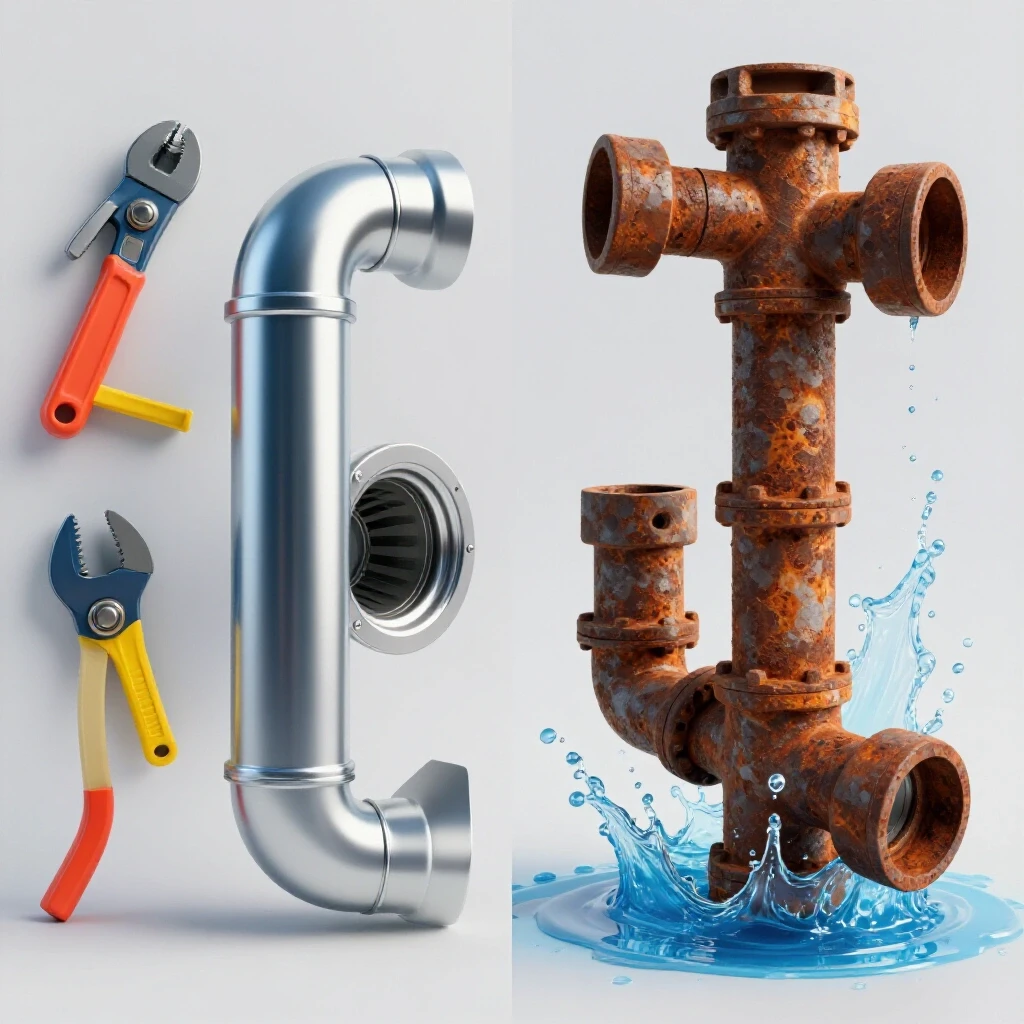
Having the right tools is the difference between a thirty-minute task and a three-hour struggle. For this type of work, you need tools that can grip large plastic nuts without cracking them and materials that create watertight seals. Preparation is the foundation of any code-compliant home upgrade.
- Channel-lock Pliers (Tongue-and-groove): These are adjustable pliers with serrated jaws. You use them to loosen and tighten the large slip-joint nuts that hold the drainage pipes together.
- Hacksaw or PVC Pipe Cutter: A fine-tooth saw is necessary if you need to trim a new tailpiece or waste arm to fit your specific cabinet dimensions.
- Plumber’s Putty or Silicone Sealant: This putty is a clay-like substance used to create a water-tight seal between the sink strainer and the sink basin.
- Bucket and Old Towels: Plumbing is inherently messy. You need a shallow bucket to catch the “gray water” sitting in the trap and towels to dry off the area for inspection.
- Tape Measure: Accuracy is vital. You must measure the distance from the sink outlet to the wall connection to ensure your new pipes are the correct length.
- Flashlight or Headlamp: Kitchen cabinets are dark, cramped spaces. Good lighting allows you to see the threads on the fittings and check for tiny hairline cracks.
| Tool Category | Essential Item | Purpose | ROI Rating |
|---|---|---|---|
| Hand Tool | 12-inch Channel-locks | Gripping large plastic nuts | High |
| Cutting | Fine-tooth Hacksaw | Trimming pipe lengths | Medium |
| Sealant | Plumber’s Putty | Sealing the strainer | High |
| Safety | Nitrile Gloves | Protecting hands from bacteria | Medium |
Understanding the Anatomy of Your Waste Line
Before you begin, you must understand how the components work together to move water out of your home while keeping sewer gases out of your kitchen. The system relies on gravity and a specific configuration of pipes called a P-trap. Following building codes ensures your home remains safe and functional.
Technical terms can be confusing, so let’s break them down. The P-trap is the U-shaped pipe under the sink. It holds a small amount of water that acts as a seal, preventing foul-smelling sewer gases from entering your home through the drain. The tailpiece is the straight vertical pipe that connects the sink strainer to the trap. The waste arm is the horizontal section that connects the trap to the wall.
According to the Uniform Plumbing Code (UPC), every fixture must have a liquid-seal trap. The “trap seal”—the depth of the water sitting in the U-bend—should generally be between 2 and 4 inches. If the trap is too deep, it may not self-scour, leading to clogs. If it is too shallow, the water could evaporate or be siphoned out, letting gas in. Understanding these dimensions is a key part of any safe home repair.
Cost and Time: DIY vs. Professional Intervention
Estimating the scope of a project helps you manage your weekend schedule effectively. While a professional plumber brings expertise, the cost of labor for a simple drainage part replacement can be significant. Doing it yourself allows you to invest in high-quality materials while saving on service fees.
| Metric | DIY Approach | Professional Service |
|---|---|---|
| Material Cost | $20 – $50 | $20 – $50 (plus markup) |
| Labor Cost | $0 | $150 – $300 |
| Time Investment | 1 – 3 Hours | 1 Hour (plus waiting for arrival) |
| Skill Level | Beginner to Intermediate | Licensed Professional |
| Risk Factor | Potential for small leaks | Guaranteed work |
In my experience, the “hidden” time in these projects is the trip to the hardware store. I always recommend taking the old parts with you. There is nothing more frustrating than buying a 1-1/2 inch kit only to realize your older home uses 1-1/4 inch connections. This simple step ensures your weekend DIY projects stay on track.
Step-by-Step Removal of the Old Assembly
The first phase of the project involves carefully dismantling the existing system without damaging the sink or the wall connection. This is the best time to inspect for any underlying issues like corrosion in the wall pipe. Working methodically prevents unnecessary mess and helps you remember how the parts fit back together.
- Clear the Area: Remove all cleaning supplies and items from under the sink. You need room to move.
- Position the Bucket: Place your bucket directly under the P-trap. This is where the most water will escape.
- Loosen the Slip-Joint Nuts: Use your channel-lock pliers to turn the nuts counter-clockwise. If they are plastic, be gentle; they can become brittle over time.
- Detach the P-trap: Once the nuts are loose, pull the U-shaped bend downward. Empty the water into the bucket.
- Remove the Tailpiece and Waste Arm: Unscrew the remaining connections. If you are replacing the strainer, you will need to unscrew the large locknut holding it to the sink basin.
While working on a project last year, I found that the previous homeowner had used a flexible, corrugated “accordion” pipe. These are often against building codes because the ridges trap food particles and grease, leading to clogs and bad odors. If you see these, replace them with smooth-walled PVC or polypropylene pipes for a more reliable, code-compliant DIY result.
Why Dry-Fitting Leads to Success
One of the biggest mistakes DIYers make is applying sealant or tightening nuts before checking the fit of the new parts. Dry-fitting is the process of assembling the entire system without any glue or permanent tightening to ensure everything aligns correctly. This phase allows you to make adjustments without wasting materials.
When you dry-fit, you are looking for proper “pitch” or slope. For water to drain effectively, horizontal pipes should have a downward slope of 1/4 inch per foot toward the wall. If the pipe is level or slopes backward, water will sit in the line, causing debris to settle and eventually form a clog.
- Assemble the pieces: Slide the slip-joint nuts and washers onto the pipes.
- Check the lengths: If the waste arm is too long, it won’t fit into the wall. If it is too short, it won’t reach the trap.
- Mark your cuts: Use a permanent marker to indicate where pipes need to be trimmed.
- Verify the alignment: Ensure the tailpiece drops straight down into the trap without being forced at an angle.
Installing the New Drainage System
Once you are confident in the fit, it is time for the final assembly. This stage requires attention to detail, especially regarding the orientation of the washers. A common point of failure is a reversed washer, which will almost certainly result in a leak.
- Install the Strainer (if needed): Apply a bead of plumber’s putty under the strainer flange. Press it into the sink hole and tighten the locknut from below. Wipe away the excess putty that squeezes out.
- Place the Washers: Slip-joint washers are usually beveled (tapered). The tapered side must face toward the fitting or the joint you are connecting.
- Hand-Tighten First: Thread the nuts onto the fittings by hand. This prevents cross-threading, which can ruin the plastic threads.
- The Quarter-Turn Rule: Once the nuts are hand-tight, use your pliers to turn them another quarter to half turn. Do not over-tighten, as this can crack the nut or deform the washer.
In my facility maintenance work, I’ve seen many leaks caused by over-tightening. Plastic threads are forgiving but they have limits. If you feel a lot of resistance, stop. It is easier to tighten a nut a bit more later than it is to replace a cracked fitting.
Testing for Leaks and Final Adjustments
The final step is the most critical: verifying that your work is watertight. A small drip might not seem like much, but over a month, it can rot the base of your cabinet and encourage mold growth. Testing should be rigorous and involve both low and high-volume water flow.
First, wipe all the pipes completely dry with a clean rag. Turn on the faucet at a low flow and watch every joint. If it stays dry, turn the water on full blast. Finally, fill the sink basin entirely and then pull the plug. This creates a “head” of pressure that tests the integrity of the seals under maximum load.
- Check the Strainer: Look for water seeping from the large nut under the sink.
- Inspect the Slip-Joints: Feel the bottom of each nut for moisture.
- Watch the Wall Connection: Ensure no water is backing up where the waste arm enters the wall.
If you find a leak, don’t panic. Usually, it just means a nut needs another eighth of a turn or a washer was slightly misaligned. Dry the area and try again. This methodical approach is what makes for successful, step-by-step home upgrades.
Maintenance and Long-Term Care
After completing your under-sink overhaul, a little maintenance goes a long way in preventing future issues. Avoid using harsh chemical drain cleaners, as these can generate heat and damage plastic pipes or eat away at the seals over time. Instead, use a mesh strainer to catch food particles and occasionally flush the system with hot water and vinegar.
Keep the area under your sink organized so you can easily see if a leak develops in the future. I like to use a waterproof cabinet mat; it protects the wood and makes any new water spots immediately obvious. By staying proactive, you ensure that your weekend DIY projects provide value for years to come.
Troubleshooting Common Drainage Issues
Even with careful planning, you might encounter hurdles. Understanding how to solve these problems keeps the project moving forward without the need for a professional call.
- The Nut Won’t Catch: This usually happens if the pipe is not perfectly aligned. Hold the pipe straight with one hand while starting the nut with the other.
- Persistent Drip at the Wall: The wall pipe (sanitary tee) might have old debris on the threads. Clean the threads with a stiff brush before reattaching the waste arm.
- Water Backing Up: If the new pipes are clear but the sink still drains slowly, the clog is likely deeper in the wall. You may need to use a hand-cranked drain auger (snake) to clear the line.
- Smell of Sewer Gas: This is a sign that the P-trap is not holding water or there is a gap in the wall connection. Ensure the trap is installed vertically and the wall flange is snug.
Summary Checklist for a Successful Upgrade
- Measure twice: Confirm pipe diameters (1-1/4″ or 1-1/2″) before buying.
- Safety first: Wear eye protection when working under the sink to avoid falling debris.
- Dry-fit everything: Never cut or seal until you know the pieces align.
- Washer orientation: Ensure the bevel faces the joint.
- Pressure test: Fill the sink and drain it all at once to check for leaks.
- Clean up: Remove all old putty and debris from the sink surface for a clean seal.
Completing this project provides a great sense of accomplishment. You’ve saved money, improved your home’s functionality, and gained a deeper understanding of your household systems. These are the kinds of functional, cost-saving home upgrades that define a successful DIY journey.
FAQ: Common Questions About Kitchen Drainage
What is the difference between PVC and Polypropylene pipes? PVC is typically white, thicker, and can be glued (solvent welded) or used with slip-joints. Polypropylene is usually black or grey, slightly thinner, and designed specifically for slip-joint assemblies under sinks. For most under-sink repairs, polypropylene is preferred because it is easy to adjust and disassemble.
Do I need to use Teflon tape on the plastic threads? Generally, no. Slip-joint connections rely on the compression of the washer to create a seal, not the threads themselves. In fact, adding tape can sometimes prevent the nut from tightening fully against the washer. Teflon tape is usually reserved for metal-to-metal threaded pipe connections.
How do I know if my P-trap is installed correctly according to code? The P-trap must be level and the “exit” point (the waste arm) must be lower than the “entry” point (the tailpiece). It should have a water seal between 2 and 4 inches deep. It should also be accessible—never bury a P-trap behind a finished wall.
Can I reuse the old plastic nuts and washers? While you can sometimes reuse the nuts if they are in good condition, you should always replace the washers. Over time, the plastic or rubber becomes compressed and brittle, losing its ability to form a watertight seal. New washers are very inexpensive and provide peace of mind.
What should I do if my sink has a double bowl? A double-bowl sink requires a “continuous waste” connector. This is a T-shaped fitting that joins the two drains before they enter a single P-trap. The same rules of pitch and alignment apply, but you will have more connections to check for leaks.
Is plumber’s putty better than silicone? Plumber’s putty is traditional and very easy to work with, but it should not be used on certain materials like granite or marble as the oils can stain. Silicone is a permanent alternative but is much harder to remove if you ever need to replace the strainer again. Always check the manufacturer’s guide for your specific sink material.
Why is my new P-trap leaking even though the nuts are tight? The most common reason is a misaligned washer or a piece of debris trapped between the washer and the pipe. Disassemble the joint, wipe the surfaces clean, ensure the washer is seated squarely, and re-tighten.
How long does plumber’s putty take to dry? Plumber’s putty does not actually “dry” or cure like glue; it stays soft to maintain a seal. You can use the sink immediately after installation. Any excess that squeezes out can be wiped away and used again later.
What is a “high loop” and do I need one? A high loop refers to the dishwasher drain hose. It should be looped up and secured to the underside of the countertop before connecting to the sink drain or disposal. This prevents sink water from siphoning back into your dishwasher, which is a common health code requirement.
When should I give up and call a plumber? If you find that the pipes inside the wall are corroded, broken, or made of lead, it is time to call a professional. Also, if you cannot stop a leak after several attempts, there may be a hairline fracture in a component that requires an expert eye to diagnose.
(This article was written by one of our staff writers, Robert Callahan. Visit our Meet the Team page to learn more about the author and their expertise.)