How to Paint a Garage Floor with Epoxy for Lasting Results (Guide)

Recent industry data suggests that the residential garage has transitioned from a simple storage area to a multi-functional extension of the home. Many homeowners now view this space as a workshop, gym, or high-end showroom for their vehicles. This shift has led to a surge in the use of high-performance resinous coatings that provide both aesthetic appeal and chemical resistance. As a facilities manager, I have overseen large-scale floor treatments in industrial settings, but applying these same principles to a residential garage requires a different level of precision.
In my first home, I rushed the preparation phase because I only had a 48-hour window between work shifts. I skipped the moisture test and did a quick sweep instead of a deep scrub. Within six months, the coating began to peel away in large flakes right where I parked my truck. This failure taught me that the bond between the concrete and the coating is only as strong as the preparation work. Since then, I have refined my process to ensure that every step follows manufacturer specifications and safety protocols.
Evaluating the Concrete Substrate and Environment
Before you open a single can of resin, you must understand the condition of your garage floor. Concrete is a porous material that breathes and moves, and its current state determines whether a coating will successfully bond or fail prematurely.
This phase involves checking for structural integrity, existing sealers, and hidden moisture levels within the slab. You are looking for cracks that need repair and testing to see if the concrete is “open” enough to accept a new layer. This assessment prevents you from wasting hundreds of dollars on materials that won’t stick.
Identifying and Testing for Existing Sealers
A sealer is a protective layer that sits on top of or just inside the concrete to repel water and oil. If your floor has an old sealer, the new coating cannot penetrate the surface to create a mechanical bond. To test for this, I pour a small amount of water on several areas of the floor; if the water beads up like it does on a waxed car, a sealer is present and must be mechanically removed.
Conducting a Mandatory Moisture Test
Moisture is the primary enemy of resinous floor systems because it creates hydrostatic pressure that pushes the coating off the surface. I follow the ASTM D4263 standard by taping a 24-inch square of clear plastic to the floor, sealing all edges with duct tape. After 24 hours, if there is condensation under the plastic or the concrete has turned dark, you have a moisture problem that requires a specialized vapor barrier primer.
Assessing Surface Profile and Porosity
For a coating to adhere, the concrete should feel like 80-grit to 100-grit sandpaper. This texture, known as the Concrete Surface Profile (CSP), is achieved through chemical etching or mechanical grinding. If the floor is too smooth, the resin will simply sit on top rather than anchoring into the pores, leading to delamination under the heat of vehicle tires.
| Feature | DIY Expectation | Professional Reality |
|---|---|---|
| Preparation Time | 6-8 Hours | 4 Hours (Industrial Grinder) |
| Material Cost | $300 – $600 | Included in Labor |
| Drying/Cure Time | 3 – 5 Days | 1 – 2 Days (Polyaspartic) |
| Lifespan | 5 – 10 Years | 15+ Years |
Essential Inventory for Floor Coating Projects
Having the right tools on hand prevents the panic that occurs when your coating starts to harden in the bucket. Most high-performance coatings have a “pot life,” which is the limited time you have to apply the material once it is mixed.
This list covers everything from personal protective equipment (PPE) to specialized application tools. I recommend staging these items in a “clean zone” outside the garage before you start mixing. Each tool serves a specific purpose in ensuring the coating is applied at the correct thickness and with a uniform finish.
- High-Speed Drill and Mixing Paddle: Essential for thoroughly combining the resin and catalyst without introducing too many air bubbles.
- 3/8-inch Nap Lint-Free Rollers: These rollers are designed to apply the coating evenly without shedding fibers into your wet floor.
- Squeegee (Flat or Notched): Used to spread the bulk of the material quickly across the floor before back-rolling.
- Stiff-Bristle Scrub Brush: Required for working the etching solution into the concrete pores during the cleaning phase.
- Chemical-Resistant Gloves and Eye Protection: Essential for handling muriatic acid or high-VOC resins safely.
- Respirator with Organic Vapor Cartridges: Necessary if you are working with solvent-based products in a space with limited airflow.
- Spiked Shoes: These allow you to walk over the wet coating to spread decorative flakes or fix imperfections without leaving footprints.
- Calibrated Measuring Buckets: If you are not using a pre-measured kit, you must measure the components exactly to ensure a proper chemical cure.
Preparing the Surface for Maximum Adhesion
The success of your floor upgrade is 90% preparation and 10% application. If you spend your Saturday correctly cleaning and etching the concrete, the Sunday application will be much smoother and more predictable.
This stage involves removing every trace of oil, grease, and dirt that has accumulated over the years. We then use a mild acid solution to “open” the pores of the concrete. This chemical reaction creates the necessary texture for the resin to grab onto, much like how a primer helps paint stick to a wall.
Degreasing and Deep Cleaning
I start by using a heavy-duty degreaser on any dark spots where cars have leaked oil. I use a stiff brush and hot water, scrubbing until the water no longer turns gray or oily. It is vital to rinse the area multiple times because any leftover degreaser residue will act as a bond-breaker for the new coating.
The Chemical Etching Process
Once the floor is clean, I apply a solution of muriatic acid and water (typically a 1:10 ratio, though I follow the manufacturer’s specific guide). When the acid hits the concrete, it should fizz like soda; this is the reaction that dissolves the “laitance,” or the weak top layer of concrete. I work in 10-by-10-foot sections, ensuring the floor stays wet until I thoroughly rinse the acid away with a high-pressure hose.
Drying and Final Inspection
After etching, the floor must dry completely, which usually takes 24 to 48 hours depending on humidity. I use high-velocity fans to speed up the process. Before I even think about mixing the resin, I run a vacuum over the entire floor to remove any dust or loose sand particles that could create bumps in the final finish.
Executing the Coating Application
Once the floor is dry and the weather is within the manufacturer’s recommended temperature range (usually 55°F to 90°F), it is time to apply the coating. This is a fast-paced stage that requires focus and a steady hand.
This phase moves from the edges of the room toward the exit. You will mix the components, cut in the corners with a brush, and then roll out the main sections. It is a balancing act of maintaining a “wet edge” to prevent visible seams while ensuring the material is spread at the correct coverage rate.
Mixing the Two-Part System
I use a low-speed drill to mix the resin and hardener for exactly the time specified on the can, which is usually three minutes. I make sure to scrape the sides and bottom of the bucket to ensure a uniform blend. If the mixture is not perfectly combined, you will end up with “soft spots” on your floor that never fully harden and will eventually peel.
Cutting In and Rolling
I start by using a small brush to coat the perimeter and around any permanent fixtures like water heaters or support beams. Then, I pour the mixed material onto the floor in a long ribbon and use a squeegee to move it around. I follow up with a roller, using a “W” pattern to distribute the coating evenly. I avoid over-rolling, as this can introduce air bubbles that will mar the finish.
Distributing Decorative Flakes
If you are using vinyl flakes, the goal is to toss them high into the air so they “rain” down onto the wet surface. This ensures an even distribution rather than clumps in one spot. I always wear spiked shoes during this step so I can walk into the center of the garage and reach every corner while the material is still tacky.
| Phase | Active Time | Wait Time | Difficulty (1-10) |
|---|---|---|---|
| Cleaning/Degreasing | 3 Hours | 2 Hours | 4 |
| Acid Etching | 2 Hours | 24 Hours | 6 |
| Coating Application | 4 Hours | 24 Hours | 8 |
| Top Coat (Optional) | 2 Hours | 72 Hours | 5 |
Managing the Curing and Hardening Phase
Curing is a chemical process, not just a drying process. Even if the floor feels dry to the touch after a few hours, the internal bond is still forming and reaching its full strength.
This section outlines the timeline for when you can safely walk on the floor and when it is strong enough to support the weight of a vehicle. Rushing this stage is a common mistake that leads to “hot tire pickup,” where the heat from your tires softens the resin and pulls it off the concrete.
Initial Foot Traffic Windows
Most systems allow for light foot traffic after 24 hours. I always check a small, inconspicuous corner first by pressing my thumb into the coating; if it leaves a print, it is not ready. During this time, keep the garage door closed to prevent dust, leaves, or insects from blowing in and getting stuck in the hardening resin.
Vehicle Loading and Full Cure
I wait a minimum of 72 hours before driving a car onto the new surface, and if the weather is cold or humid, I extend that to five days. The chemical resistance of the coating also takes time to develop. I avoid spilling any oils or chemicals on the floor for at least a week, as the resin is still technically “green” and could be stained or softened.
Maintaining the Finished Surface
Once fully cured, the floor is very low-maintenance, but it is not indestructible. I avoid dragging heavy metal toolboxes or floor jacks across the surface, as this can scratch the topcoat. For cleaning, I use a soft foam squeegee and a pH-neutral cleaner. I avoid using bleach or citrus-based cleaners, which can dull the shine over several years of use.
Troubleshooting Common Application Errors
Even with careful planning, things can go wrong during the application. Being able to identify these issues early allows you to fix them before the coating becomes a permanent part of your floor.
This section addresses the most frequent problems reported by DIYers, such as bubbling, peeling, and uneven coloring. Most of these issues stem from environmental factors or mixing errors. Understanding the “why” behind these failures helps you avoid them or correct them during the “pot life” window.
- Bubbles or Pinholes: These are often caused by “outgassing,” where air escapes from the concrete as the temperature rises. I always apply coatings in the late afternoon or evening when the garage is cooling down to prevent this.
- Fish-Eyes: These small circular craters occur when the coating pulls away from a spot that still has oil or silicone on it. If I see this happening, I immediately try to clean the spot and re-roll it before the resin sets.
- Sticky Spots: This is almost always the result of improper mixing. If a section doesn’t harden after 48 hours, it must be scraped off, the area cleaned with solvent, and a new batch of material applied.
- Hot Tire Pickup: If the coating sticks to your tires, the floor was either not etched deeply enough or the coating didn’t cure long enough. The only fix is to sand down the affected area and re-apply the system.
Safety Protocols and Code Compliance
Working with industrial-grade resins involves chemical risks that must be managed. Following safety standards ensures that your weekend project doesn’t result in a trip to the emergency room or a fire hazard in your home.
This section covers the handling of hazardous materials and the importance of ventilation. While most residential floor projects do not require a building permit, you must still adhere to fire safety codes regarding the storage of flammable liquids and the disposal of chemical waste.
Chemical Handling and Disposal
Muriatic acid is highly corrosive and can damage your lungs if inhaled. I always pour acid into water, never water into acid, to prevent a violent reaction. When the project is finished, I neutralize any leftover acid with baking soda before disposing of it according to local hazardous waste regulations.
Fire Safety and VOC Management
Many high-performance coatings are flammable until they cure. I make sure all pilot lights on water heaters or furnaces are turned off before I start mixing. I also ensure there is a cross-breeze in the garage, using fans to pull air out of the space rather than pushing it in, which could blow debris into the wet floor.
Final Project Checklist and Maintenance
Before you consider the project complete, a final walk-through ensures that the coating is performing as expected. This checklist serves as your quality control measure to catch small issues before they become big repairs.
- Check for Uniformity: Look at the floor from different angles to ensure there are no dull spots or thin areas.
- Verify Hardness: Ensure the entire surface is rock-hard and non-tacky.
- Inspect the Edges: Make sure the coating has sealed the joint between the floor and the walls to prevent water intrusion.
- Test Drainage: If your garage has a floor drain, pour a small amount of water to ensure the coating hasn’t created a dam that prevents proper flow.
- Document the Batch: Keep the labels from your resin cans. If you ever need to do a touch-up, you will need the exact product name and color code.
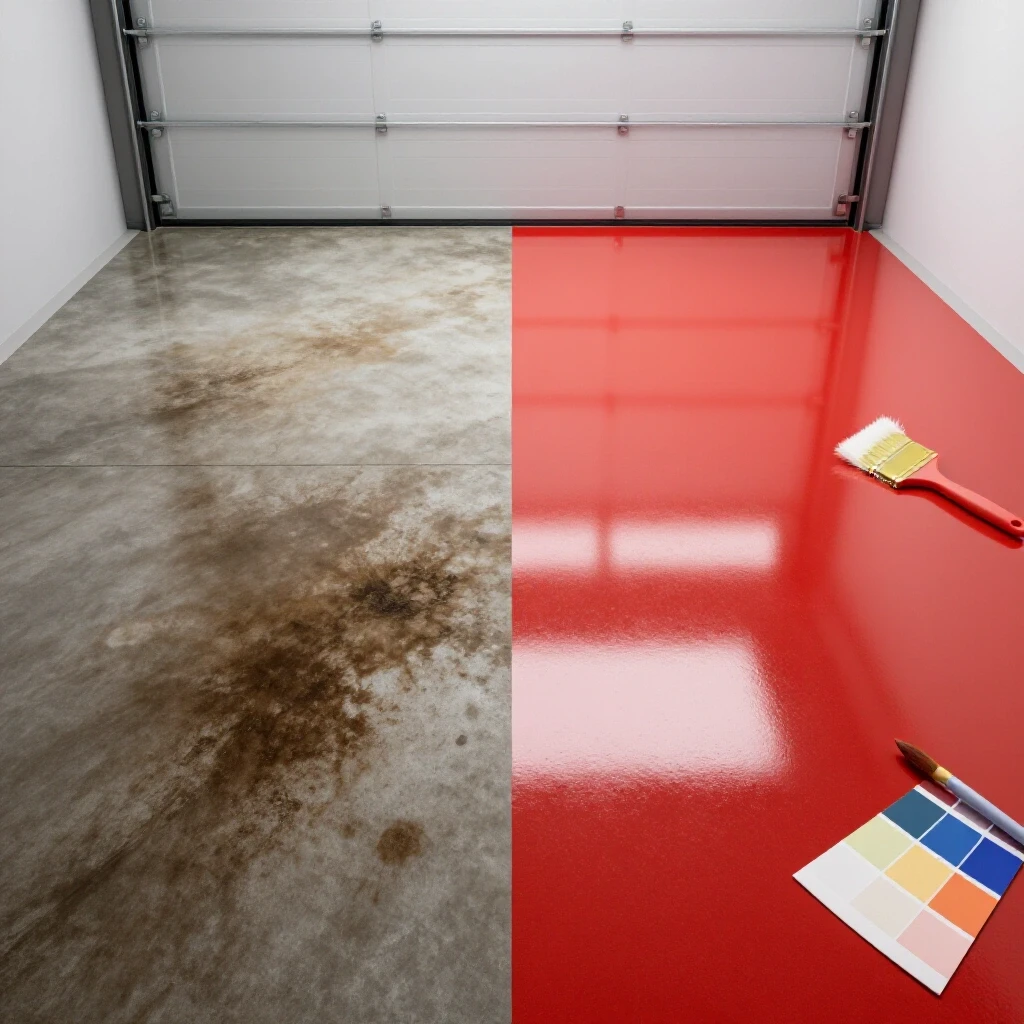
By following these steps, you can transform a dusty, stained concrete slab into a durable, professional-grade surface. The key is to respect the chemistry involved and give the preparation the time it deserves. While it is a labor-intensive weekend, the result is a floor that will withstand years of heavy use while making your garage a much more pleasant place to work.
Frequently Asked Questions
Can I apply a new coating over an old layer of garage floor paint?
In most cases, no. A high-performance resinous coating needs to bond directly to the concrete. If the old paint peels, your new, expensive coating will peel right along with it. You must mechanically grind the old paint off until you reach bare concrete to ensure a lasting bond.
How do I know if my concrete is too wet to coat?
The plastic sheet test is the most reliable DIY method. If you see any moisture under the plastic after 24 hours, the slab is emitting water vapor. You must either wait for a dryer season or use a moisture-remediating primer designed to block that vapor from pushing the coating off.
What is “pot life” and why does it matter?
Pot life is the amount of time the mixed resin remains liquid enough to apply. Depending on the temperature, this can be as short as 20 minutes. Once the chemical reaction starts, the material will begin to thicken and eventually harden in the bucket. Always have your tools ready before you mix.
Do I really need to use muriatic acid?
If you aren’t using a diamond grinder to prep the floor, then yes, etching is required. The acid removes the smooth top layer of the concrete and opens the pores. Without this, the coating is like tape trying to stick to a dusty surface; it just won’t hold.
Why did my floor get bubbles after I finished rolling?
This is usually “outgassing.” As the concrete warms up, the air inside the pores expands and pushes through the wet coating. To avoid this, apply the floor treatment when the garage temperature is dropping, such as in the late afternoon or evening.
Can I use a regular paint roller for this project?
No, you should use a lint-free, shed-resistant roller with a synthetic core. Standard rollers can dissolve when they come into contact with the strong solvents in the resin, leaving fuzz and debris embedded in your new floor finish.
How long should I wait before parking my car on the new floor?
While the floor may be dry enough to walk on in 24 hours, you should wait at least 72 to 96 hours before parking a vehicle on it. The weight and heat of the tires can cause “hot tire pickup” if the resin hasn’t reached its full chemical cure.
What should I do if it rains while I am applying the coating?
High humidity or actual rain can ruin a fresh application. Moisture can cause the resin to turn cloudy or prevent it from curing. If rain is in the forecast, it is best to postpone the project until you have a clear, dry 48-hour window.
Is a clear topcoat necessary?
While not strictly required, a clear topcoat adds a significant layer of protection. It helps protect the decorative flakes from peeling, provides extra UV resistance to prevent yellowing, and makes the floor much easier to clean by creating a smoother surface.
How do I fix a small scratch or gouge later on?
If you drop a heavy tool and chip the coating, you can lightly sand the area with 150-grit sandpaper, clean it with denatured alcohol, and apply a small amount of leftover resin with a brush. This is why keeping a small amount of the original material is always a good idea.
(This article was written by one of our staff writers, Robert Callahan. Visit our Meet the Team page to learn more about the author and their expertise.)