How to Build a DIY Bedroom Storage Bench (Step-by-Step Guide)

Finding enough space for seasonal bedding and extra pillows often feels like a losing battle in a standard bedroom. When I first started upgrading my own home, I realized that floor space is a premium asset that we often waste with bulky, non-functional furniture. I needed a way to combine comfortable seating with a deep, internal area for stowing away bulky items without making the room feel cramped.
Building a custom end-of-bed seating unit with integrated storage is a project that addresses both organization and aesthetics. Over my 12 years in facilities management, I have learned that the most successful projects are those planned with precision and safety in mind. I once rushed a similar build and forgot to account for the thickness of the lid hinges, which resulted in a lid that would not close flush. That mistake taught me the value of technical guides and dry-fitting every component before the first drop of glue hits the wood.
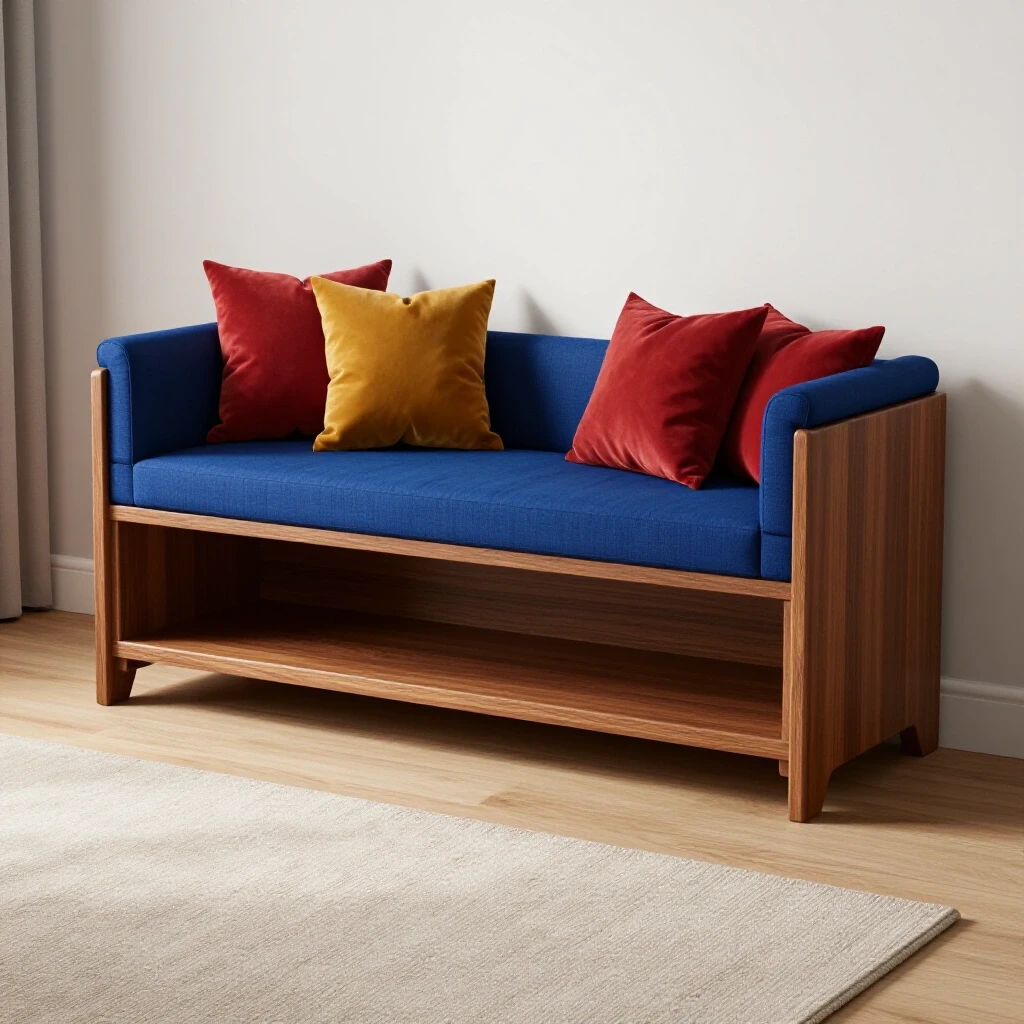
Establishing Project Foundations and Realistic Expectations
Defining the scale and structural requirements of a seating trunk ensures the final product is safe for use and fits the intended space. This phase involves measuring your bed width and determining the necessary internal volume for your specific storage needs.
In my professional experience, I treat every home project like a facility upgrade. You must consider the “load tolerance,” which is the amount of weight the seat can safely support. For a two-person seat, you should aim for a build that handles at least 400 to 500 pounds. This is not just about the wood strength but the integrity of the joints.
Understanding Time and Financial Commitments
A realistic timeline prevents the frustration of a half-finished project sitting in your bedroom for weeks. Most busy professionals can complete this build over a single weekend if the materials are pre-purchased and the workspace is organized.
| Project Phase | Active Labor Hours | Drying/Waiting Time | Complexity Level |
|---|---|---|---|
| Planning & Shopping | 2 Hours | N/A | Low |
| Cutting & Sanding | 3 Hours | N/A | Medium |
| Assembly & Joinery | 4 Hours | 1-2 Hours (Glue) | Medium |
| Finishing (Paint/Stain) | 2 Hours | 24 Hours | Low |
| Total Project | 11 Hours | 26 Hours | Moderate |
Analyzing the DIY ROI vs. Professional Custom Work
Choosing to build your own furniture offers significant savings compared to hiring a custom woodworker or buying high-end retail pieces. You are essentially trading your weekend labor for a higher quality of materials than what is found in “flat-pack” furniture.
- Material Cost: $150 – $250 (depending on wood species)
- Professional Labor Savings: $400 – $800
- Tool Investment Value: High (these tools apply to future flooring or shelving projects)
- Estimated Lifespan: 15+ years with proper joinery
Essential Tool Inventory and Safety Protocols
Having the correct tools on hand prevents mid-project trips to the hardware store and ensures your cuts are accurate. Safety gear is non-negotiable, as woodworking produces fine dust and involves high-speed cutting blades.
In my shop, I follow a strict “Safety First” checklist before I even plug in a saw. I have seen seasoned pros get injured because they bypassed a simple guard or forgot their eye protection. When building a storage unit, you will be working with large sheets of plywood or long boards that require stable support to prevent binding the saw blade.
Required Tools for Assembly and Finishing
- Circular Saw or Miter Saw: Used for breaking down lumber to specific lengths and widths.
- Power Drill and Driver: Essential for creating pilot holes and driving screws.
- Pocket Hole Jig: This tool allows for strong, hidden joints that are perfect for furniture.
- Random Orbital Sander: Crucial for removing mill marks and preparing the surface for finishing.
- Tape Measure and Speed Square: Used to ensure every corner is a perfect 90-degree angle.
- Kreg Rip-Cut or Straight Edge: Helps guide a circular saw for perfectly straight lines on long plywood cuts.
Personal Protective Equipment (PPE) and Workspace Setup
- Safety Glasses: Must meet ANSI Z87.1 standards to protect against flying wood chips.
- Hearing Protection: Essential when using high-decibel power tools like saws and sanders.
- Dust Mask or Respirator: N95 or better to prevent inhalation of fine sawdust and finish fumes.
- Work Gloves: Use when handling raw lumber to avoid splinters, but remove them when operating rotating power saws.
Step-by-Step Execution: Building the Main Structure
The assembly process moves from creating a sturdy base to installing the side panels and internal supports. Success depends on “dry-fitting,” which means putting the pieces together without glue or screws first to verify the fit.
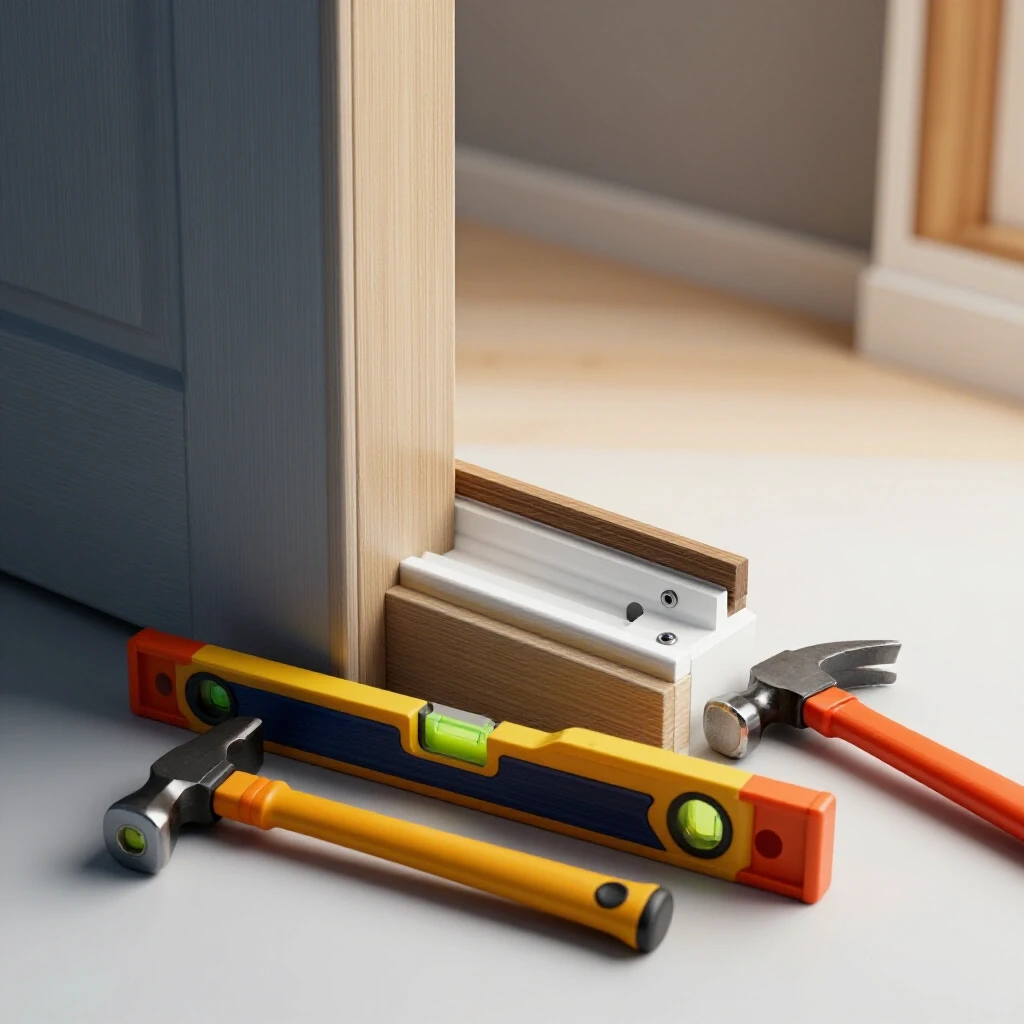
When I built my first bedroom chest, I ignored the dry-fit stage. I found out too late that my floor was slightly uneven, causing the box to wobble. Now, I always assemble the frame on the flattest surface available, usually my garage floor or a dedicated workbench, to ensure the unit sits level.
Phase 1: Material Selection and Initial Cuts
For a durable seating unit, I recommend using 3/4-inch hardwood plywood (like birch or oak) for the main box and 2×4 or 2×2 lumber for internal bracing. Plywood offers excellent dimensional stability, meaning it won’t warp as much as solid wood when the humidity in your home changes.
- Step 1: Measure the width of your bed. A queen bed is 60 inches wide, so a 50-inch to 55-inch bench usually looks best.
- Step 2: Cut your front and back panels to length.
- Step 3: Cut the side panels, remembering to subtract the thickness of the front and back panels from your total desired depth.
Phase 2: Joinery and Assembly
Using pocket hole joinery is the most efficient way for a DIYer to get professional results. It creates a mechanical bond that is incredibly strong once the glue cures.
- Step 4: Drill pocket holes on the inside faces of your side panels.
- Step 5: Apply a thin bead of wood glue to the edges.
- Step 6: Clamp the panels together and drive the pocket screws. Clamping is vital; without it, the boards may “walk” or shift as the screw enters the wood.
- Step 7: Install a bottom panel or a series of slats to support the items you plan to store inside.
Phase 3: Installing the Lid and Safety Hinges
The lid is the most used part of the unit and requires the most attention to detail. A heavy lid can be a safety hazard, especially if you have children or pets, as it can slam shut unexpectedly.
- Step 8: Measure and cut the top lid, allowing for a 1/2-inch overhang on the front and sides for easier opening.
- Step 9: Select “torsion hinges” or “lid stays.” These are designed to hold the weight of the lid at any angle, preventing it from crashing down.
- Step 10: Attach the hinges to the back panel first, then to the lid. This is where a second pair of hands is very helpful.
Troubleshooting Common Construction Challenges
Even with careful planning, wood can be unpredictable. Learning how to fix common errors is what separates a frustrated beginner from a confident DIYer.
One common issue is wood splitting when driving screws near the end of a board. This usually happens because the user skipped drilling a pilot hole. A pilot hole removes a small amount of wood fiber, creating a path for the screw so the pressure doesn’t force the grain apart.
Dealing with Misaligned Lids or Gaps
- The Issue: The lid sits crooked or doesn’t close all the way.
- The Fix: Check if the box is “in square.” Measure diagonally from corner to corner; the numbers should be identical. If they aren’t, you may need to loosen the screws slightly, rack the box into position, and re-tighten.
- The Issue: The wood grain looks fuzzy after staining.
- The Fix: This is “grain raise.” Always lightly sand with 220-grit sandpaper after your first coat of finish has dried, then apply a second coat.
Finishing, Maintenance, and Code Compliance
The final appearance of your project depends on the quality of your sanding and the application of the finish. For a bedroom environment, look for Low-VOC (Volatile Organic Compound) finishes to ensure you aren’t breathing in harmful fumes while you sleep.
While there are no specific residential building codes for move-able furniture, the Consumer Product Safety Commission (CPSC) provides guidelines for storage chests. These include requirements for ventilation holes (if a child could fit inside) and lid support mechanisms to prevent entrapment or injury.
Material Cure and Drying Timelines
| Finish Type | Tack-Free Time | Re-coat Time | Full Cure (Usage) |
|---|---|---|---|
| Water-Based Polyurethane | 30 Minutes | 2 Hours | 24 Hours |
| Oil-Based Stain | 2 Hours | 8 Hours | 72 Hours |
| Wood Glue (Interior) | 20 Minutes | 1 Hour | 24 Hours |
| Paint (Latex) | 1 Hour | 4 Hours | 7-14 Days |
Long-Term Maintenance Tips
- Check Fasteners: Every six months, open the lid and ensure the hinge screws are still tight.
- Surface Care: Use a damp cloth for cleaning; avoid harsh chemicals that can break down the protective topcoat.
- Weight Distribution: Store heavier items like winter coats or spare boots at the bottom to maintain a low center of gravity.
Conclusion and Next Steps
Building your own bedroom storage unit is a rewarding way to gain high-quality furniture while mastering basic woodworking skills. By following a structured plan, respecting tool safety, and allowing for proper drying times, you can create a piece that is both functional and beautiful.
Your next step is to measure your bedroom space and create a simple cut list. Start by visiting a local lumber yard to select your plywood. Once you have your materials, dedicate a Saturday morning to making your cuts, and by Sunday evening, you will have a completed project ready for finishing.
Frequently Asked Questions
What is the best wood for a seating chest?
For most DIYers, 3/4-inch birch plywood is the best choice. It is affordable, very strong, and has a smooth surface that takes paint or stain exceptionally well. Avoid using thin 1/2-inch plywood for the main structure, as it may flex or fail under the weight of someone sitting on it.
Do I really need safety hinges?
Yes. Standard butt hinges or piano hinges do not provide any resistance against gravity. A heavy wooden lid can cause serious injury to fingers or hands if it falls. Torsion hinges or soft-close lid stays are essential for any chest-style furniture.
How do I ensure the bench is strong enough to sit on?
Strength comes from the combination of mechanical fasteners (screws) and wood glue. Additionally, adding 2×2 wooden cleats in the interior corners provides extra surface area for the glue and prevents the box from “racking” or leaning over time.
Can I build this without a pocket hole jig?
You can use “butt joints” where you drive screws through the outside of one board into the end of another. However, this leaves visible screw heads that you will need to hide with wood filler or plugs. A pocket hole jig is a worthwhile investment for a cleaner, more professional look.
How much weight can a DIY storage bench hold?
If constructed with 3/4-inch plywood and proper wood glue/screw joinery, a 4-foot bench can easily support two adults (up to 500 lbs). Ensure the base is solid and the weight is transferred directly to the floor through the side panels or dedicated feet.
How do I prevent the bench from scratching my hardwood floors?
Always attach felt pads or rubber feet to the bottom of the unit. This not only protects your flooring but also allows for slight adjustments if your floor is not perfectly level.
Should I paint or stain the inside of the storage area?
I recommend applying at least one coat of clear polyurethane to the interior. Raw wood can snag delicate linens or blankets. A smooth, sealed interior protects your stored items and makes the unit easier to wipe clean.
What is the ideal height for a bedroom bench?
The standard height for a seating unit at the end of a bed is between 17 and 19 inches. This aligns with most chair heights and makes it comfortable for putting on socks or shoes.
How do I hide the “raw” edges of the plywood?
You can use “iron-on edge banding,” which is a thin strip of real wood veneer with heat-activated adhesive. Simply iron it onto the exposed plywood edges, trim the excess with a utility knife, and sand it smooth for a solid-wood appearance.
Is it necessary to anchor the bench to the wall?
Since these units are typically low to the ground and heavy when filled, they are not usually a tipping hazard. However, if you build a particularly tall or narrow unit, using an anti-tip kit anchored to a wall stud is a wise safety precaution.
(This article was written by one of our staff writers, Robert Callahan. Visit our Meet the Team page to learn more about the author and their expertise.)