How to Replace Window Blinds Easily (Step-by-Step Guide)

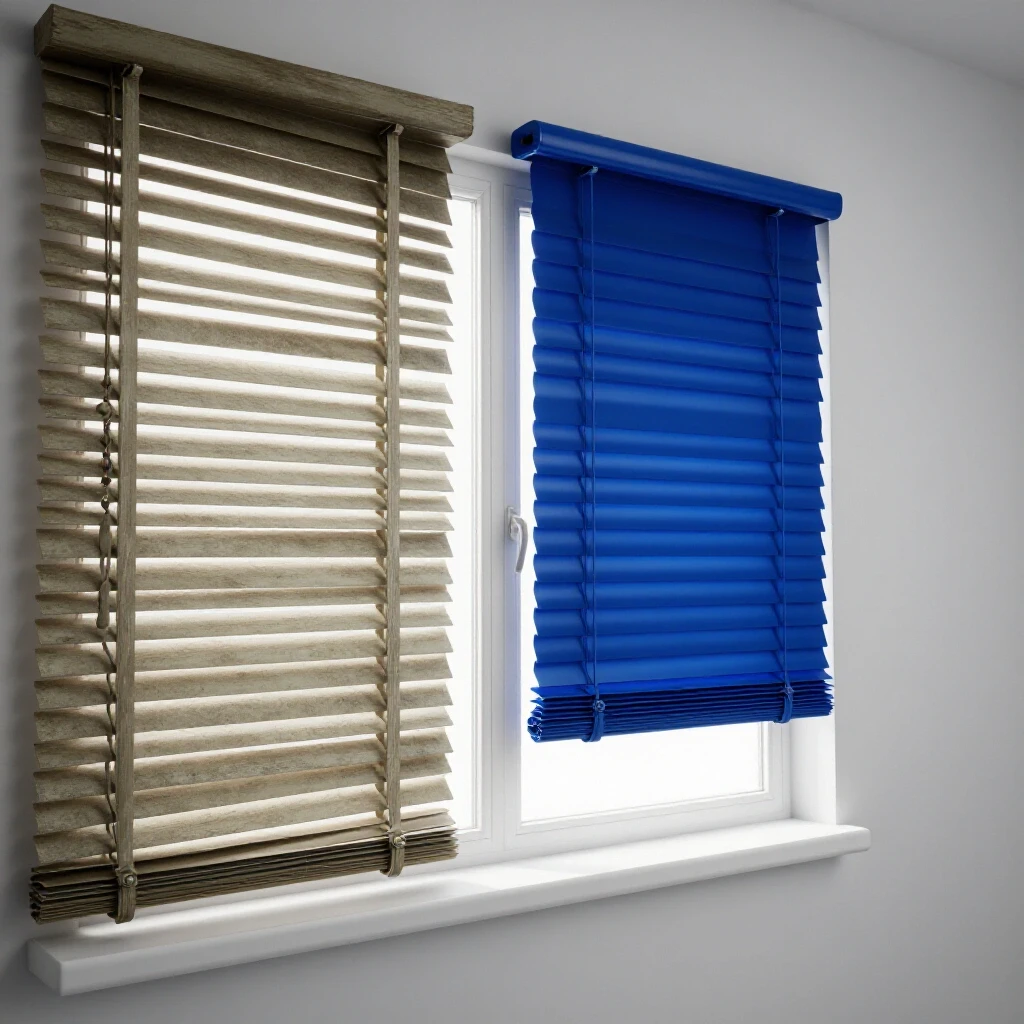
Focusing on family has always been the driving force behind my home improvement journey. Between my demanding role as a facilities manager and the chaotic joy of raising kids, my weekends are precious. I remember sitting in our living room three years ago, watching the sun glare off the television while my youngest tried to nap. The old, cracked vinyl slats on our windows were failing us. They looked tired, and more importantly, they didn’t function. That afternoon, I realized that updating our window treatments wasn’t just a cosmetic choice; it was about making our home more livable for the people I love most.
Over the last 12 years, I have upgraded window coverings in two different homes, totaling over 30 individual units. My professional background in facilities means I look at a window frame and see structural integrity, light-gap tolerances, and safety standards. At home, however, I am just a guy with a drill trying to get the job done before dinner. I have made the mistake of “eyeballing” a bracket location only to find the headrail wouldn’t click into place. I have also hit hidden metal plates behind drywall that sent my drill bit skating across the trim. These experiences taught me that a successful weekend project relies on a systematic approach and the right data.
Updating your window coverings is one of the most cost-effective ways to refresh a room. It improves energy efficiency by reducing solar heat gain and provides the privacy your family needs. While it might seem like a simple “screw and click” task, the difference between a professional-looking result and a crooked, rattling mess lies in the preparation.
Pre-Project Planning and Measurement Foundations
This initial phase involves evaluating your window dimensions and selecting the mounting style to ensure a precise fit within the frame. Accurate measurements are the single most important factor in this entire process.
In my experience, you must decide between an inside mount or an outside mount before you even open a tape measure. An inside mount sits within the window casing, offering a clean, integrated look that showcases your trim. An outside mount covers the entire window opening and is ideal if your windows are shallow or if the casing is unattractive.
When measuring for an inside mount, I always follow the “Rule of Three.” I measure the width at the top, middle, and bottom of the window frame. Manufacturers require the smallest of these three measurements. If you provide the largest, the headrail will likely jam against the sides. For the height, I measure the left, center, and right sides, using the longest measurement to ensure full coverage.
Understanding Mounting Styles and Clearances
Mounting styles determine how the hardware interacts with your window frame and how much light will bleed through the edges. Each style requires specific depth clearances to function correctly.
For a flush inside mount, where the slats do not protrude past the trim, you usually need a minimum frame depth of 2 to 3 inches. If your frames are shallow, you might have to settle for a partial inside mount or switch to an outside mount. I once tried to force a 2-inch faux-wood blind into a 1.5-inch deep frame in our guest room. The result was a headrail that stuck out awkwardly, ruining the clean lines I wanted.
| Feature | Inside Mount | Outside Mount |
|---|---|---|
| Aesthetic | Clean, built-in look | Makes window appear larger |
| Measurement | Smallest width, longest height | Width + 3 inches, Height + 2 inches |
| Difficulty | Moderate (requires precision) | Low (more forgiving) |
| Light Control | Some light gap on sides | Superior light blockage |
| Depth Needed | 2-3 inches minimum | 0 inches (mounts to wall) |
Essential Tools and Safety Equipment for Window Upgrades
A curated list of hardware and protective gear is necessary to install window coverings safely without damaging the wall or frame. Having the right tools prevents the frustration of mid-project hardware store runs.
I have learned the hard way that a standard “household” screwdriver is rarely enough for a whole-house update. You need a power drill with a variety of bits to handle different substrates. If you are drilling into solid wood trim, a standard twist bit is fine. However, if you are mounting into drywall where there is no stud, you must use toggle bolts or heavy-duty anchors.
- Power Drill/Driver: A 12V or 18V cordless drill is perfect for this task.
- Tape Measure: Use a steel tape measure for accuracy; fabric tapes can stretch over time.
- Torpedo Level: This ensures your headrail is perfectly horizontal so the slats hang straight.
- Pencil: For marking bracket holes (avoid markers that can bleed through paint).
- Step Ladder: A sturdy 3-step or 4-step ladder is safer than standing on a chair.
- Safety Glasses: Essential when drilling overhead to keep dust and metal shards out of your eyes.
- Pilot Bits: 1/16-inch or 1/8-inch bits to prevent wood from splitting.
Project Difficulty and Time Estimates
Setting realistic expectations for your time and effort prevents burnout and ensures you don’t leave a window exposed overnight. Most busy professionals can complete a standard room in a single Saturday morning.
| Task Component | Time Estimate | Difficulty (1-10) |
|---|---|---|
| Measuring (per window) | 10 Minutes | 3 |
| Removing Old Hardware | 15 Minutes | 2 |
| Drilling Pilot Holes | 10 Minutes | 4 |
| Mounting Brackets | 20 Minutes | 5 |
| Hanging and Testing | 10 Minutes | 2 |
| Total per Window | Approx. 1 Hour | 4 (Average) |
Step-By-Step Execution: Removing Old Hardware and Preparing the Frame
The systematic process of deconstructing existing window treatments involves repairing the substrate to create a clean surface for new installations. Skipping this step often leads to brackets that won’t sit flush.
When I start a room, I remove all the old blinds first. Use your drill in reverse to back out the old screws. Sometimes, old brackets are painted over, making them stick to the wood. I use a utility knife to lightly score the paint around the bracket edge before prying it off. This prevents the paint from peeling off the trim in large, ugly chunks.
Once the hardware is gone, inspect the holes. If your new brackets align with the old holes, check if the wood is stripped. I often use the “toothpick trick”: jam a wooden toothpick coated in wood glue into the old hole, snap it off flush, and let it dry. This gives the new screw fresh wood to bite into. If the holes are in the wrong spot, fill them with a high-quality wood filler, sand them smooth, and touch up the paint before moving forward.
Installing Brackets and Securing the New Headrail
This core technical stage involves level alignment, pilot hole drilling, and the structural mounting of the primary support mechanism. This is where the project takes its final shape.
Hold your first bracket in the corner of the window frame. Use your pencil to mark the center of the screw slots. I always recommend drilling pilot holes. A pilot hole is a small hole drilled into the wood before the screw is inserted. It removes material to make room for the screw, which prevents the wood trim from splitting. For most standard window screws, a 3/32-inch bit is the sweet spot.
After drilling, drive the screws in until the bracket is snug but not so tight that you crush the metal. Use your torpedo level to ensure the brackets are even across the top of the frame. Even a slight 1/8-inch tilt will cause the blinds to “telescope” or rub against one side of the frame as you raise them. Interestingly, many modern headrails use a “hidden” bracket system where the rail snaps over the top. Always listen for the audible “click” to ensure it is locked in.
Safety Standards and Cord Considerations
Modern window coverings must adhere to strict safety standards to protect children and pets. Understanding these regulations is a vital part of a safe home upgrade.
According to the ANSI/WCMA A100.1 standard, corded window products have undergone significant design changes to reduce strangulation risks. When installing your new shades, always use the provided cord cleats or tension devices for continuous loops. If your kit includes a cord shroud or a cordless “push-up” mechanism, verify that it operates smoothly without snagging. I prefer cordless options for my kids’ bedrooms; the peace of mind is worth the slight increase in material cost.
Troubleshooting Common Installation Hurdles
Identifying and resolving issues such as misaligned slats or hardware interference is part of the finishing process. Most problems have a mechanical solution that doesn’t require a professional.
One common issue I encounter is the “uneven bottom rail.” If your blinds hang lower on one side, check the lift cords. Sometimes a cord gets looped over a component inside the headrail. Another frequent problem is a headrail that won’t snap into the brackets. This usually happens because the window frame isn’t perfectly square. You may need to add a small plastic shim behind one bracket to bring it forward so it aligns with its partner.
If the slats are difficult to tilt, check the tilt wand or cord. Ensure the “tilter” mechanism inside the headrail is seated correctly in its cradle. During a project last summer, I found that a small piece of shipping foam had lodged inside the mechanism. Removing it took five seconds, but it saved me from returning the entire unit to the store.
Final Testing and Maintenance Procedures
Once the installation is complete, a series of functional tests ensures the longevity of your investment. Regular maintenance keeps the mechanisms working smoothly for years.
Operate the blinds through their full range of motion at least five times. Lower them completely and raise them back up. Check that the slats tilt fully in both directions. If you hear grinding or feel significant resistance, stop and inspect the headrail.
For maintenance, I recommend dusting the slats once a month with a microfiber cloth. Avoid using harsh chemical cleaners, especially on faux-wood or real wood products, as these can warp the material or strip the finish. If the lift mechanism feels “dry” after a few years, a tiny drop of silicone-based lubricant on the internal rollers can work wonders.
Material Calculations and ROI
Replacing your own window coverings offers a significant return on investment compared to hiring a professional installer. The savings can then be redirected into higher-quality materials or other home projects.
- Professional Labor Cost: Typically $50 to $100 per window.
- DIY Labor Cost: $0 (plus the cost of basic tools you likely already own).
- Material Savings: By measuring and ordering yourself, you avoid the 20-30% markup many contractors charge for “sourcing.”
- Energy Impact: High-quality cellular shades or thick slats can reduce heat loss in winter by up to 10%, according to some energy audit data.
Conclusion
Completing this project on your own provides a sense of accomplishment that goes beyond just saving money. It is about taking ownership of your space and ensuring it meets your family’s needs for comfort and safety. By focusing on precise measurements, using the right tools, and following a systematic installation process, you can achieve results that look like they were done by a high-end contractor.
The next time you walk into your living room and see the light filtering perfectly through your new slats, you will know exactly why you spent your Saturday morning on a ladder. It is a functional upgrade that pays dividends every time you pull the cord or push the rail. Start with one small window in a secondary room to build your confidence, and soon you will be ready to tackle the entire house.
FAQ
How do I know if my window frame is deep enough for an inside mount? Measure from the glass to the edge of the trim. Most horizontal slats require at least 2 inches of flat surface for the bracket to sit securely. If you have less than 1 inch, an outside mount is your only safe option.
What should I do if I hit a metal plate while drilling? This is likely a “nail plate” designed to protect electrical wires or plumbing. Stop drilling immediately. You will need to shift your bracket slightly to the left or right to avoid the plate. Never drill through a protective metal plate.
Can I shorten blinds that are too long? Yes, most horizontal blinds allow you to remove the bottom rail, slide off excess slats, and reattach the rail. However, check your manufacturer’s guide first, as some cordless models have internal spring tensions that cannot be adjusted by the user.
Why do my blinds hang crooked even though the brackets are level? The window sill itself might be unlevel. If the brackets are level but the window is slanted, the gap at the bottom will look uneven. You may need to “split the difference” by slightly tilting the headrail to match the visual line of the window sill.
Are cordless blinds really safer for kids? Yes. Cordless systems eliminate the “loop” hazard that causes most window-covering-related accidents. They are the gold standard for child safety in modern DIY home improvement.
How do I fix a blind that won’t stay up? For corded models, the “cord lock” mechanism might be stuck. Tug the cord firmly to the side to release the locking pawl. For cordless models, the internal tension might need to be “reset” by pulling the blind all the way down and then slowly pushing it back up.
Is it okay to mount brackets directly into drywall? Only if you use appropriate anchors. Standard screws will pull out of drywall under the weight of the headrail. Always try to hit a stud or the window header, but if you can’t, use toggle bolts rated for at least 50 pounds.
What is the best way to clean faux-wood slats? Use a damp cloth with a mild mixture of water and a drop of dish soap. Faux-wood is moisture-resistant, making it much easier to maintain than real wood, which can warp if it gets too wet.
Should I buy custom-cut or stock-size blinds? Stock sizes are cheaper but often require you to trim them yourself, which is difficult to do cleanly. Custom-cut blinds from a home center are usually worth the extra $10-$20 because they are cut to your exact measurements on a professional machine.
How many brackets do I need for a wide window? Any window wider than 36 inches usually requires a “center support” bracket. This prevents the headrail from bowing in the middle under its own weight, which can cause the mechanism to fail over time.
(This article was written by one of our staff writers, Robert Callahan. Visit our Meet the Team page to learn more about the author and their expertise.)