Best Cat-Proof Curtains for Preventing Pet Damage (Buying Guide)

Discussing budget options often reveals a hidden trap where lower upfront costs result in higher long-term expenses. In my 13 years of analyzing supply chains for home materials, I have seen many homeowners prioritize aesthetics over technical durability. When you share your home with active pets, the mechanical stress placed on fabrics is a critical variable that most standard buying guides overlook. Choosing the wrong material can lead to a cycle of replacement that costs three times more than a single, high-quality investment over a decade.
Evaluating Fabric Durability Through Technical Material Specifications
Technical specifications for fabrics include weave density, fiber composition, and abrasion resistance. These metrics determine how well a window treatment resists snagging, tearing, or structural failure when subjected to the repetitive mechanical force of a cat climbing or scratching. Understanding these specs allows you to move beyond “look and feel” to evidence-based purchasing.
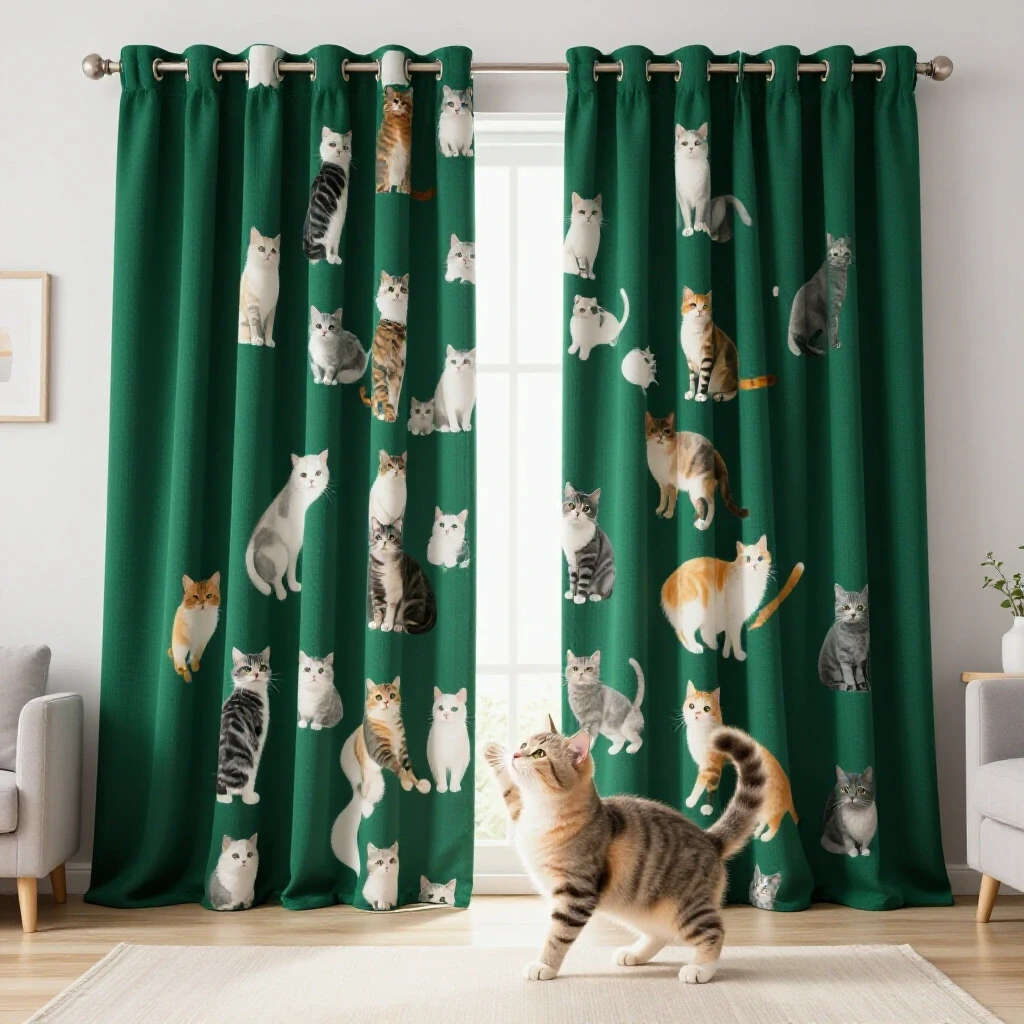
I remember evaluating a high-end renovation where the owner chose delicate silk panels for a sunroom. Within four months, the local feline resident had turned the bottom third into a shredded mess. Silk has a very low “snag resistance” because its long, continuous fibers are easily caught by sharp objects. If we look at the ASTM D3936 standards for delamination or the D4850 definitions for fabric strength, we see that the physical structure of the weave is just as important as the material itself.
- Weave Density: This is measured by the number of warp and weft threads per square centimeter. A tighter weave leaves no room for a claw to penetrate.
- Tensile Strength: This is the amount of force a fabric can withstand before it snaps. For pet-active homes, you want a high tensile strength to handle the weight of a jumping animal.
- Fiber Length: Short, staple fibers are more likely to pill, while long-fiber synthetics can be engineered for extreme toughness.
The Role of Weave Density and Tensile Strength
Weave density refers to the number of threads per square inch, while tensile strength measures the maximum stress a fabric can withstand before breaking. High-density weaves minimize the gaps where a claw can penetrate, significantly reducing the likelihood of a localized tear or “run.” This is the first line of defense against pet-related wear.
In my material procurement logs, I have noted that loose weaves like linen or burlap are the worst performers in these scenarios. A claw can easily slide between the threads. Once a single thread is pulled, the structural integrity of the entire panel is compromised. Conversely, materials like heavy-weight velvet or tightly woven canvas offer a “flat” surface. There is simply nothing for a claw to grab onto.
Side-by-Side Performance Comparison of Window Treatment Materials
Comparing materials involves looking at their performance under standardized stress tests like the Martindale or Wyzenbeek abrasion tests. This data allows homeowners to predict how different textiles—from natural silks to heavy-duty synthetics—will hold up in high-traffic, pet-active environments. Using these metrics removes the guesswork from your renovation budget.
| Material Type | Snag Resistance (1-10) | Abrasion Rating (Double Rubs) | Maintenance Needs | Expected Lifespan (with pets) |
|---|---|---|---|---|
| Silk / Sateen | 2 | < 5,000 | Professional Only | 1-2 Years |
| Open-Weave Linen | 3 | 10,000 | Dry Clean | 2-3 Years |
| Cotton Canvas | 7 | 25,000 | Machine Washable | 7-10 Years |
| Heavy Velvet | 9 | 50,000+ | Spot Clean / Steam | 12-15 Years |
| Synthetic Microfiber | 9 | 100,000+ | Machine Washable | 15+ Years |
As the table shows, the trade-off analysis is clear. While silk might offer a luxury aesthetic, its lifespan in a pet-friendly home is minimal. Heavy velvet or synthetic microfibers provide the highest durability vs maintenance cost ratio.
Why Higher Upfront Costs Don’t Always Guarantee Durability
Price often reflects brand prestige or aesthetic rarity rather than mechanical toughness. A high-end silk curtain may cost $500 per panel but fail instantly against a single claw, whereas a $150 heavy-weight velvet might offer superior longevity and resilience in a multi-pet household. You are paying for the engineering of the fiber, not just the name on the tag.
During a property update in 2018, I tested two different materials in high-use areas. One was a designer linen-blend and the other was a commercial-grade polyester velvet. The linen-blend was 40% more expensive. After two years, the linen was frayed at the edges and had several visible “pulls.” The velvet looked identical to the day it was installed. This is a classic example of how technical material specifications outweigh price tags when evaluating long-term value.
Installation Engineering and Structural Load Requirements
Proper installation involves calculating the weight of the fabric and the potential dynamic load of a pet jumping onto it. Using heavy-duty anchors and reinforced rods ensures the window treatment remains secure without damaging the drywall or endangering the animal during an impact. This “system” approach prevents structural failure.
When a 10-pound cat jumps onto a curtain, it exerts a dynamic force much higher than its static weight. I recommend using the following hardware standards for pet-resilient setups:
- Steel Rods: Avoid plastic or thin aluminum. Look for a wall thickness of at least 1.5mm.
- Toggle Bolts: Never rely on plastic expansion anchors in drywall. A 3/16-inch toggle bolt can hold up to 90 pounds, providing a safety margin for sudden impacts.
- Breakaway Rings: In some cases, using clips rather than sewn-in pockets allows the fabric to pull free if the load exceeds a certain limit, preventing the rod from being ripped out of the wall.
Long-Term Maintenance Profiles and Lifecycle Costing
Lifecycle costing calculates the total expense of a material over its usable life, including cleaning, repairs, and eventual replacement. Durable materials may require professional cleaning but avoid the frequent replacement costs associated with cheaper, less resilient fabrics that degrade quickly. This is where the true value of high-end home materials is found.
If you buy a $50 set of sheer curtains every year because they get shredded, you spend $750 over 15 years. If you spend $300 on a high-density, claw-resistant synthetic velvet once, you save $450. Additionally, you save the time and labor of re-installing the hardware multiple times.
- Cleaning Cycle: Synthetic blends can often be spot-cleaned with a damp cloth, reducing the need for expensive dry cleaning.
- Repairability: Velvet is surprisingly forgiving. You can often “brush out” minor compression marks from claws using a soft-bristled brush and a bit of steam.
- Color Fastness: Look for solution-dyed fabrics. These have the color integrated into the fiber itself, meaning they won’t fade as quickly when exposed to the UV rays that cats love to bask in.
Practical Strategies for Protecting Fabric Window Treatments
Strategic protection includes choosing specific lengths, such as floor-length vs. sill-length, and selecting hardware that can withstand sudden tension. These adjustments, combined with material selection, create a window treatment system that resists damage while maintaining the home’s aesthetic standards.
One of the most effective methods I have used is the “sill-length” strategy. By keeping the fabric 2-3 centimeters above the floor or stopping at the window sill, you remove the “puddling” effect that many pets find irresistible for nesting or scratching. If you must have floor-length drapes, consider using a “tension-release” rod system. This ensures that if a pet climbs the fabric, the rod releases safely before the fabric tears or the wall is damaged.
Technical Spec Tracker for Homeowners
When you are shopping, take this list of metrics to the showroom. Ask the representative for the manufacturer’s spec sheet.
- Double Rub Count: Aim for 30,000 or higher for pet households.
- Fiber Composition: 100% Polyester or “Performance Blends” are usually more durable than 100% natural fibers.
- Weight (GSM): Grams per square meter. A higher GSM (above 300) usually indicates a thicker, more resilient fabric.
- Lightfastness: Rated on a scale of 1-8; look for a 5 or higher to prevent sun rot, which weakens fibers over time.
Conclusion and Next Steps
To make a confident purchasing decision, you must treat your window treatments as a technical component of your home’s infrastructure. Start by ordering sample kits of velvet, canvas, and heavy-duty synthetics. Use a small metal pick to simulate a claw and see how the weave reacts. If the threads shift easily, move on to the next sample.
Your next steps should be: – Measure your windows and determine if sill-length is an option to reduce contact. – Verify the weight of your chosen fabric and purchase the appropriate toggle bolts. – Compare the 10-year cost of a performance fabric versus a budget option.
By following this evidence-based approach, you can create a beautiful home that stands up to the realities of pet ownership without sacrificing your budget or your peace of mind.
Frequently Asked Questions
What is the best fabric to prevent pet hair from sticking? Synthetic materials like microfiber or high-performance polyesters have a lower static charge than natural wool or cotton. This prevents hair from “clinging” to the fibers. A quick pass with a lint roller or a damp cloth is usually enough to remove surface debris.
Can I use outdoor fabrics indoors for better durability? Yes. Outdoor fabrics are often solution-dyed and treated for high UV resistance and water repellency. They are engineered to withstand harsh environments, which makes them excellent for resisting the oils and mechanical wear associated with pets.
How do I know if a curtain rod is strong enough for a climbing cat? Check the weight rating. A standard rod might be rated for 20 pounds. However, a jumping cat can double that load momentarily. Look for rods with a center support bracket and ensure you are using heavy-duty wall anchors rather than simple screws.
Does “pet-friendly” always mean “scratch-proof”? No. No fabric is 100% scratch-proof. “Pet-friendly” usually means the fabric is easier to clean or has a weave that is less likely to show damage. You should always look for a high “double rub” count and a tight weave to ensure maximum resilience.
Is velvet actually durable, or does it just look nice? Velvet is one of the most durable options because it lacks a visible “loop” in the weave. Because there are no loops for a claw to catch, the pet’s nail simply slides off the surface. This makes it far superior to woven fabrics like linen or tweed.
How does sun exposure affect curtain durability? UV rays break down natural fibers like silk and cotton, making them brittle. Brittle fibers snap easily under the pressure of a pet’s claw. Using a liner or choosing a UV-resistant synthetic will keep the fabric strong for much longer.
What are breakaway rings? These are curtain rings designed to release the fabric from the rod if a certain amount of weight is applied. This prevents the entire rod and hardware from being ripped out of the wall if a pet decides to climb the curtains.
Should I avoid light-colored fabrics with pets? Not necessarily, if the material is a performance synthetic. Many modern high-end materials are “stain-repellent,” meaning liquids and oils sit on the surface rather than soaking in. This allows you to have light colors without the fear of permanent staining.
What is the “Wyzenbeek” test? It is a standard North American test for abrasion resistance. A machine rubs a piece of cotton duck fabric back and forth over the test material. Each “back and forth” is one double rub. For a pet-friendly home, look for fabrics rated for “heavy-duty” use, which is typically 30,000 double rubs or more.
Are vertical blinds a better alternative? While they don’t snag like fabric, vertical blinds can be easily snapped or bent by a pet trying to see out a window. They also tend to collect more dust and can be a noise nuisance when moved. High-performance fabric is often a more durable and aesthetically pleasing choice.
(This article was written by one of our staff writers, Andrew Morrison. Visit our Meet the Team page to learn more about the author and their expertise.)