Best Exercise Equipment for Living Rooms: Space-Saving Comparison (Guide)

As we shift toward more sustainable home designs, the materials we choose play a vital role in how our spaces function over time. Choosing eco-conscious products often means looking for longevity and repairability rather than just recycled content. In my 13 years of analyzing supply chains, I have found that the most “green” choice is often the one you only have to buy once because it resists the wear and tear of a multi-functional lifestyle.
When we integrate movement tools into our primary living areas, we place unique demands on our flooring, furniture, and storage. I have spent over a decade evaluating how high-end home materials respond to these specific pressures. In my own home, I once made the mistake of choosing a soft pine floor for a room that served as both a lounge and a morning stretching space. Within two years, the static load of small weights had left permanent indentations. This taught me that a home material comparison must look beyond aesthetics to the technical engineering specifications of every surface.
Understanding Technical Material Specifications for Multi-Use Zones
Technical specifications are the measurable performance standards that tell us how a material will behave under stress. For shared spaces that house fitness gear, we must look at variables like indentation resistance, surface friction, and tensile strength. Understanding these metrics helps us move past marketing claims and into data-backed decision-making.
In the world of material science, we often look at “static load” and “impact resistance.” Static load refers to the ability of a surface to support weight over a long period without deforming. Impact resistance measures how well a material absorbs a sudden force, such as a hand weight being set down firmly. When these metrics are ignored, even expensive materials can fail prematurely, leading to high maintenance costs.
Flooring Hardness and Indentation Standards
The Janka Hardness Scale is a primary industry standard used to measure the resistance of wood species to denting and wear. It determines the force required to embed a 0.444-inch steel ball halfway into a piece of wood. For a living area that sees daily movement and equipment use, the Janka rating is a critical data point.
Building on this, the ASTM F1913 standard for vinyl flooring and ASTM C1028 for slip resistance provide a technical roadmap for safety and durability. If you are comparing luxury vinyl plank (LVP) to engineered hardwood, you aren’t just looking at the color. You are comparing the wear-layer thickness, measured in mils, and the core composition. A 20-mil wear layer is generally the benchmark for high-traffic areas where equipment might be shifted frequently.
Why Higher Upfront Costs Don’t Always Guarantee Durability—Evaluating the Real Trade-Offs
A high price tag often reflects the aesthetic quality or the brand’s supply chain costs rather than the material’s physical toughness. In my professional evaluations, I have seen $15-per-square-foot reclaimed wood fail the “clutter test” far faster than a $5-per-square-foot high-density laminate. The trade-off analysis must focus on the “use case” versus the “material limit.”
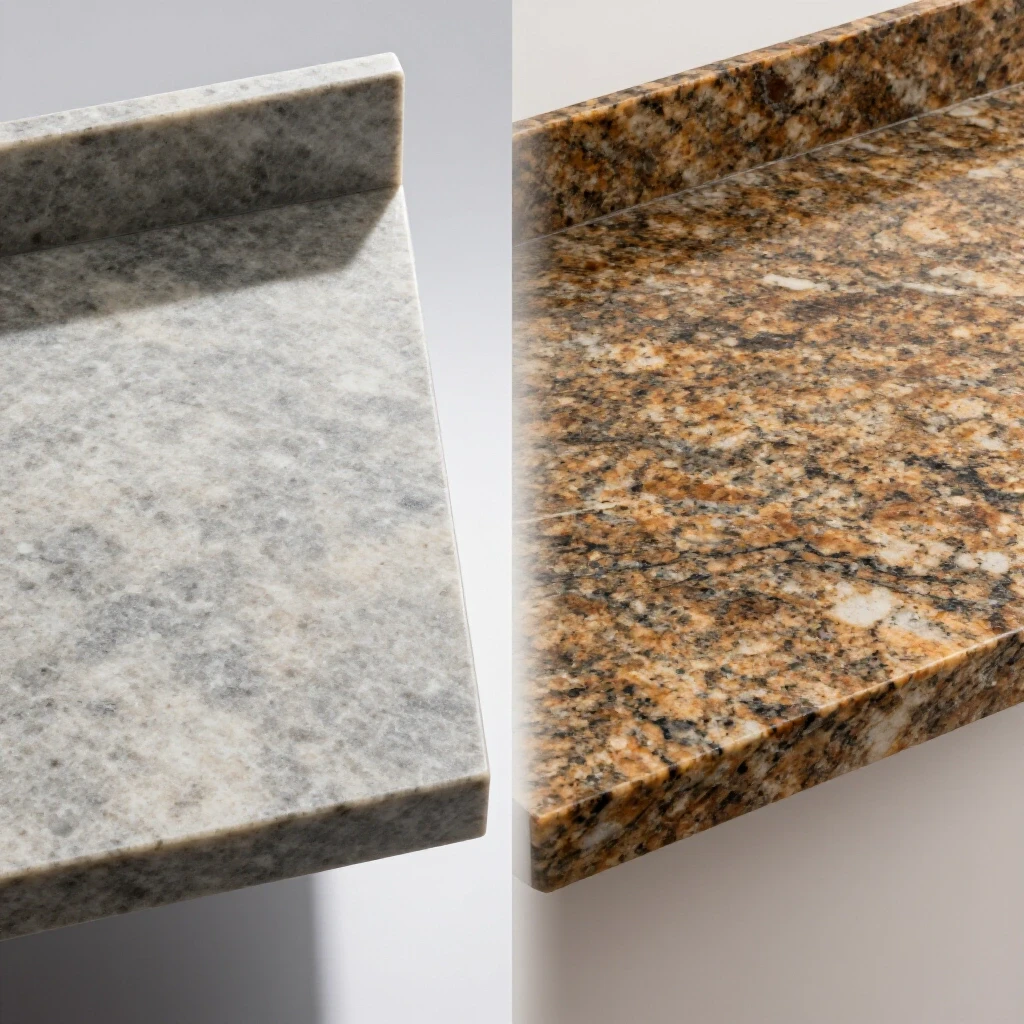
For example, natural stone like marble is expensive and beautiful, but its high porosity makes it a poor choice for areas where metal equipment or rubber mats might trap moisture or cause scratches. Conversely, a high-performance porcelain tile offers a Mohs hardness rating of 7 or 8, making it nearly impervious to the scratches common when moving gear in and out of storage.
Side-by-Side Material Performance Specifications
| Material Type | Janka Hardness / Mohs Rating | Static Load Limit (PSI) | Maintenance Cycle | Lifespan |
|---|---|---|---|---|
| Engineered Oak | 1,290 (Janka) | Moderate | 3–5 Years (Refinish) | 25–50 Years |
| Luxury Vinyl Plank | N/A (Synthetic) | 250–1,500+ | Low (Clean only) | 10–20 Years |
| Porcelain Tile | 7–8 (Mohs) | 2,000+ | Very Low (Grout seal) | 50+ Years |
| Cork Flooring | Low | Low (Recovery) | 2–3 Years (Seal) | 15–20 Years |
Interestingly, cork is often marketed as a “soft” alternative for movement areas. While it offers excellent acoustic dampening, its recovery rate from static loads is limited. If you leave a heavy kettlebell on cork for a week, the indentation may become permanent. This highlights why an appliance buying guide or material evaluation must prioritize the specific weight-bearing needs of your equipment.
Comparing Surface Performance for Stationary and Mobile Load Factors
When we evaluate materials for shared spaces, we must distinguish between stationary loads and mobile loads. A stationary load is a heavy storage bench filled with yoga blocks and mats. A mobile load is the friction and pressure created when you are actually using that equipment on the floor.
Material science defines “coefficient of friction” (COF) as the ratio of the force of friction between two bodies and the force pressing them together. For a living room that doubles as a movement space, you need a COF that prevents mats from sliding but isn’t so high that it makes cleaning difficult. ASTM D2047 is the standard test for this, and a value of 0.5 or higher is generally considered slip-resistant.
Evaluating the Wear Layer and Protective Coatings
The wear layer is the topmost surface of a multi-layer floor, such as laminate or LVP. It is usually made of an aluminum oxide finish or a clear PVC film. – 6 mil to 12 mil: Suitable for low-traffic residential use. – 20 mil: The industry standard for high-traffic areas and spaces with light equipment. – 30 mil+: Commercial grade, offering maximum protection against scratches from equipment legs or dropped items.
In my material procurement logs, I’ve noted that homeowners often overlook the “sheen” of the wear layer. A high-gloss finish will show every micro-scratch from a sliding yoga mat, while a matte or wire-brushed texture hides these imperfections. This is a classic example of how technical specs impact long-term visual maintenance.
The Lifespan of Integrated Storage Materials
To keep a living area from feeling cluttered, many homeowners invest in high-end cabinetry or upholstered ottomans to hide their gear. The durability of these storage solutions depends on the hardware and the textile specs. For cabinetry, we look at the ANSI/BHMA standards for hinges and drawer slides, which grade hardware based on cycle tests (how many times a drawer can open and close before failing).
For upholstered storage, the Wyzenbeek or Martindale tests measure “double rubs,” which indicate how much abrasion a fabric can handle. If you are pulling heavy mats or weights out of a fabric-lined bench every morning, you need a fabric rated for “heavy-duty” use, typically 30,000 double rubs or more.
Technical Spec Tracker for Hidden Storage
- Drawer Slide Rating: Look for “Full Extension” slides rated for at least 75–100 lbs.
- Hinge Grade: Grade 1 (Commercial) or Grade 2 (Heavy Duty Residential) to prevent sagging from heavy doors.
- Fabric Durability: Minimum 30,000 double rubs for any surface that contacts equipment.
- Substrate Material: Marine-grade plywood or high-density fiberboard (HDF) resists warping better than standard particle board in humid environments.
As a result of these standards, choosing a storage bench with a solid wood frame and high-rub-count fabric might cost 40% more upfront, but it prevents the “clutter” of a broken, sagging piece of furniture three years down the line.
Supply Chain Analysis: Sourcing High-Performance Materials for Minimalist Spaces
The global supply chain impacts the consistency and quality of the materials we bring into our homes. For instance, European-sourced engineered wood often follows stricter formaldehyde emission standards (E1 or CARB2) compared to some budget-tier imports. When you are breathing deeply during a workout in your living room, the off-gassing (VOCs) of your flooring and furniture becomes a technical performance metric.
I have tracked material failures back to sourcing origins many times. “Budget” LVP often uses a limestone-to-plastic ratio that makes the planks brittle. If the floor isn’t perfectly level, the clicking mechanisms can snap under the weight of a person moving. Sourcing a Stone Plastic Composite (SPC) core floor provides a higher density that withstands these dynamic forces much better than a Wood Plastic Composite (WPC) core.
Sourcing Checklist for Durability
- Check the Core: For LVP, ensure it is SPC (Stone Plastic Composite) for better indentation resistance.
- Verify VOC Ratings: Look for FloorScore or Greenguard Gold certifications to ensure low chemical emissions.
- Inspect the Finish: For wood, a UV-cured urethane with aluminum oxide offers the best scratch resistance.
- Hardware Origin: German or Austrian-engineered hinges (like Blum or Grass) consistently outperform unbranded alternatives in weight-bearing tests.
Maintenance Profiles: The Hidden Cost of Integrated Fitness Areas
Maintenance isn’t just about cleaning; it’s about the “restoration cycle.” Every material has a point where it can no longer be cleaned and must be repaired or replaced. In a multi-use living room, the maintenance profile is often accelerated by the presence of rubber, sweat, and friction.
Rubber mats, for example, can cause a chemical reaction called “plasticizer migration” with certain types of vinyl and wood finishes, leading to permanent yellow staining. This is why technical material specifications matter—you must ensure your flooring is compatible with the protective mats you use.
Upfront Cost vs. 15-Year Maintenance Outlay
| Material Option | Initial Cost (sq/ft) | 15-Year Maintenance Tasks | Total Estimated 15-Year Cost |
|---|---|---|---|
| Solid Hardwood | $12 – $18 | 2 Refinishes, Annual Polishing | $22 – $30 |
| High-End LVP | $5 – $8 | Routine Cleaning, No Refinish | $7 – $10 |
| Porcelain Tile | $8 – $15 | Grout Cleaning/Sealing | $10 – $18 |
| Laminate (AC5) | $4 – $7 | Routine Cleaning, Replacement at yr 12 | $9 – $12 |
While solid hardwood has a higher total cost, it offers the benefit of being “renewable.” If your movement gear scratches the surface, you can sand it down. LVP and laminate are “disposable” materials; once the wear layer is gone, the entire floor must be replaced. This is the ultimate trade-off analysis for the long-term homeowner.
Actionable Buying Worksheet: The Multi-Functional Space Matrix
To help you make a confident decision, I have developed a scoring matrix. Use this when evaluating any material intended for a shared living and movement space. Rate each material from 1 to 5 (5 being the best).
- Static Load Resistance: Will it dent if a 20lb weight sits on it?
- Acoustic Performance: Does it dampen the sound of movement?
- Chemical Resistance: Will sweat or rubber mats stain the surface?
- Repairability: Can a single scratch be fixed without replacing the whole floor?
- Visual Harmony: Does it look like a living room material or a gym material?
Total Score Interpretation: – 20–25: Optimal for integrated movement spaces. – 15–19: Good, but will require protective mats or specific cleaning agents. – Under 15: Likely to show significant wear or require early replacement.
Practical Steps for Sourcing and Testing
Before committing to a large purchase, I recommend a hands-on “clutter test” with samples. Most manufacturers provide 4×4 inch samples. Don’t just look at them; put them through a technical stress test.
- The Indentation Test: Place a heavy object (like a chair leg or a small weight) on the sample for 24 hours. Check for permanent marks.
- The Scratch Test: Take a key or a coin and drag it across the surface with moderate pressure. Note how visible the mark is under direct light.
- The Moisture Test: Drop a small amount of water or a saline solution (to simulate sweat) on a seam. Wait two hours and check for swelling.
- The Friction Test: Place your mat or equipment on the sample and see how easily it slides.
By following these steps, you move from an emotional purchase to an evidence-based investment. You aren’t just buying a floor or a cabinet; you are buying a performance surface that supports your lifestyle without compromising the beauty of your home.
Summary of Key Takeaways
Integrating movement into your living room requires a shift in how you evaluate home goods. Prioritize high Janka ratings for wood, thick wear layers for synthetics, and high-cycle hardware for storage. Remember that the most expensive material isn’t always the most durable for active use. By focusing on technical specifications like static load limits and abrasion resistance, you can create a space that remains clutter-free and visually appealing for decades.
Frequently Asked Questions
What is the best flooring for a living room that also holds fitness gear?
Porcelain tile with a matte finish offers the highest durability and resistance to scratches and moisture. However, for comfort, high-end Luxury Vinyl Plank (LVP) with a 20-mil wear layer and an SPC core provides a great balance of toughness and underfoot warmth.
How can I prevent yoga mats from staining my hardwood floors?
Use a mat made of natural rubber or TPE, and ensure it does not have a PVC backing. Many finishes react to plasticizers in cheap mats. Additionally, always roll up the mat when not in use to allow the floor to “breathe” and prevent moisture trapping.
Does “waterproof” flooring actually handle sweat and spills better?
“Waterproof” usually refers to the material itself not absorbing water (like LVP). However, moisture can still seep through seams and damage the subfloor or cause mold. In a movement area, look for “tight-lock” click systems that prevent liquid penetration between planks.
What technical spec should I look for in a storage bench for heavy gear?
Focus on the frame material and the hinge rating. Look for a kiln-dried hardwood frame and hinges rated for at least 20,000 cycles. For the seat, high-density foam (2.0 lbs/cu. ft. or higher) will resist sagging better than standard furniture foam.
How do I know if my subfloor can handle the weight of equipment?
Most residential subfloors are designed for a live load of 40 pounds per square foot. If you are concentrating heavy items in one spot, ensure you are placing them over floor joists or using a structural material like 3/4-inch plywood to distribute the weight.
Is engineered wood better than solid wood for multi-use spaces?
Engineered wood is more dimensionally stable, meaning it expands and contracts less with temperature and humidity changes. This makes it less likely to develop gaps where dirt and sweat can collect. However, it has a thinner “wear layer” of real wood, limiting how many times it can be sanded.
What is the difference between WPC and SPC vinyl cores?
WPC (Wood Plastic Composite) is softer and quieter but more prone to denting. SPC (Stone Plastic Composite) is much denser and offers superior indentation resistance, making it the better choice for areas where equipment might be placed.
Can I put heavy storage cabinets on top of floating floors?
Generally, no. Floating floors need to expand and contract. Heavy cabinetry can “pin” the floor down, leading to buckling or joint failure. It is better to install the storage first and “floor around” it, or use a glue-down application for the flooring.
How does the “Taber Test” help me choose a material?
The Taber Test (ASTM D4060) measures how many cycles of an abrasive wheel a surface can take before the finish wears through. A higher number of cycles means the floor will stay looking new longer, even with the friction of daily movement.
What is the most durable fabric for hiding fitness equipment?
Look for “Performance Fabrics” made of solution-dyed acrylic or polyester. These are often rated for 50,000+ double rubs and are resistant to moisture and staining, which is essential if you are storing gear that might be slightly damp from use.
Are there eco-friendly materials that pass the durability test?
Linoleum (not to be confused with vinyl) is made from linseed oil and wood flour. It is highly durable, naturally antimicrobial, and can last 40 years. It handles static loads well, though it requires occasional sealing to maintain its moisture resistance.
Why do my floors creak when I move on them?
Creaking is usually caused by friction between the floor boards or the subfloor and the joists. In multi-use spaces, this is often exacerbated by the subfloor not being perfectly level. Using a high-quality underlayment with a high “compression strength” can help minimize this noise.
(This article was written by one of our staff writers, Andrew Morrison. Visit our Meet the Team page to learn more about the author and their expertise.)