How to Fix a Wobbly Toilet: Find the Hidden Cause (Step-by-Step)
Imagine walking into your bathroom and feeling a slight, unsettling shift as you sit down. It is a tiny movement, barely a fraction of an inch, but it signals a…

An important part of responsible homeownership is identifying and addressing maintenance issues early, before they escalate into major, expensive structural damage. From slow drains and drafty windows to basement dampness, older and modern properties alike require consistent care and troubleshooting. For many homeowners, the challenge lies in understanding how basic building systems work and knowing how to diagnose issues safely.
The Home Maintenance & Problem Solving category provides step-by-step diagnostic guides, troubleshooting checklists, and seasonal maintenance schedules. This section is designed to help homeowners care for their properties proactively, focusing on moisture control, energy efficiency, and basic plumbing, electrical, and HVAC maintenance. By providing clear explanations of how household systems function, these articles help readers troubleshoot issues confidently and determine when a repair can be handled safely as a DIY project or when it requires a professional.
This section is managed by Daniel Whitaker, a former facilities technician with 17 years of experience maintaining residential and commercial properties. Daniel translates complex building science and manufacturer guidelines into practical, step-by-step maintenance advice. His writing focuses on proactive maintenance, helping readers identify early warning signs of wear, prevent common system failures, and protect their homes from costly water or structural damage.
Whether you are creating a seasonal home maintenance plan, troubleshooting a furnace issue, or addressing a minor plumbing problem, this category offers dependable guidance. These practical articles help you protect your investment and keep your home systems running safely and efficiently.
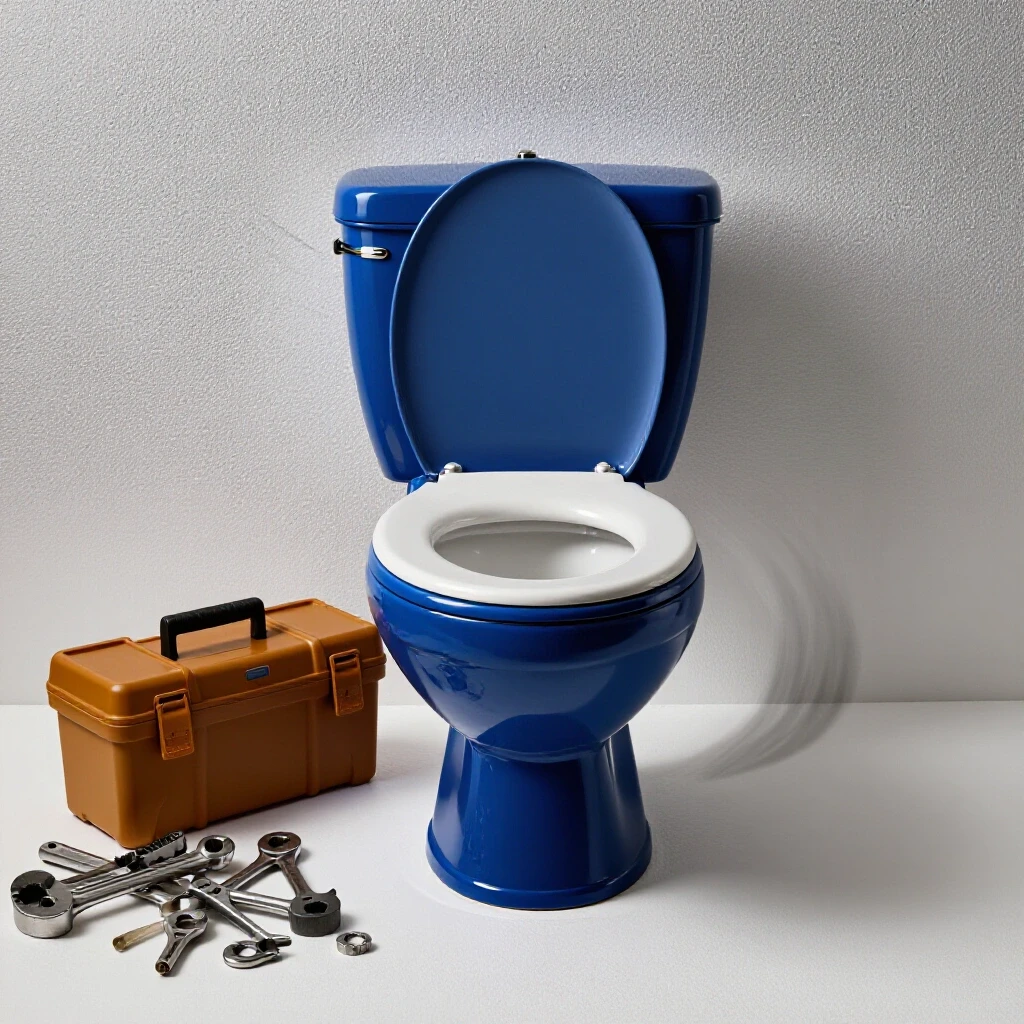
Imagine walking into your bathroom and feeling a slight, unsettling shift as you sit down. It is a tiny movement, barely a fraction of an inch, but it signals a…

When you prepare a property for sale, the first thing a professional inspector or a savvy buyer looks at is the condition of the exterior and interior finishes. Maintaining a…

I stood in the center of a 1920s bungalow basement, surrounded by the heavy, sweet scent of fresh floor enamel. It was a Saturday afternoon, and I had just finished…
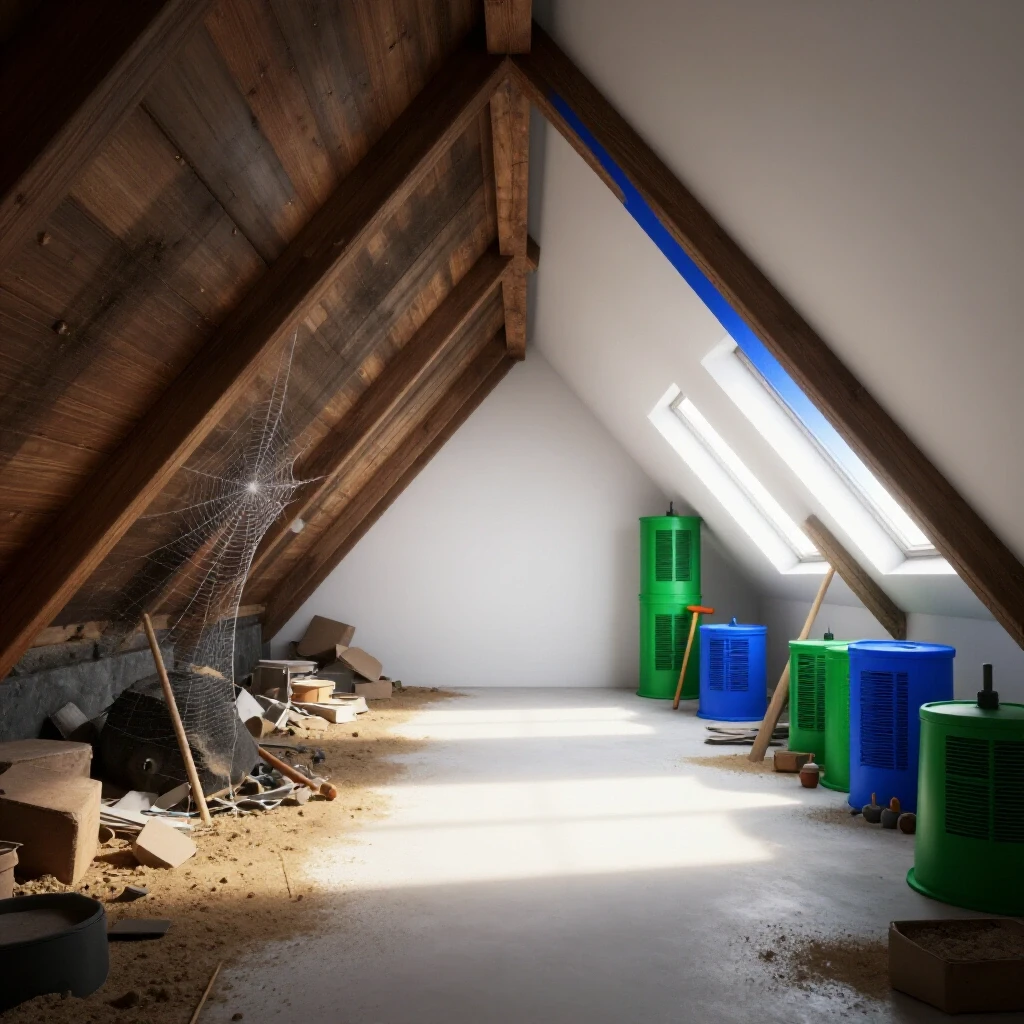
In the early 20th century, residential construction relied on the natural porosity of building materials to manage internal environments. Homes built before the 1940s often lacked intentional insulation, allowing heat…
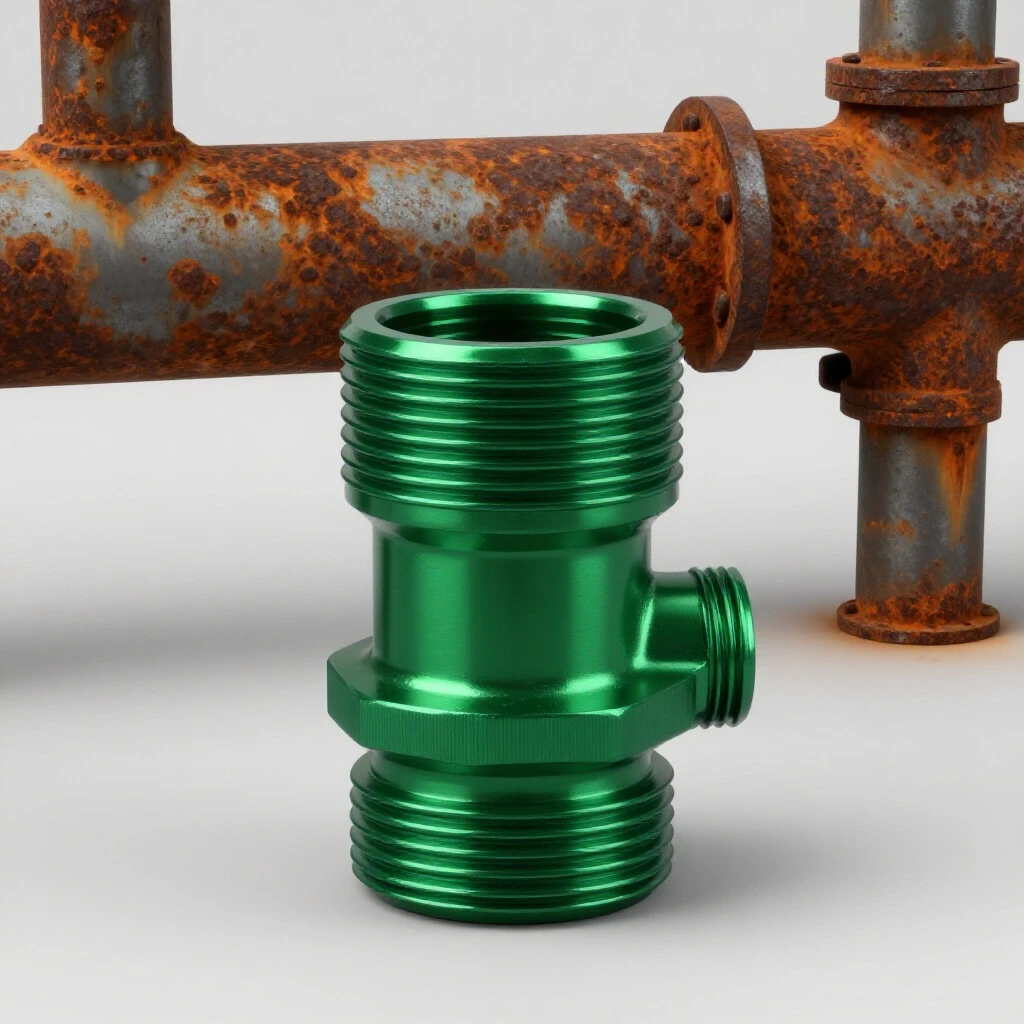
Many homeowners believe that once an iron or steel component begins to change color, it has lost its structural integrity or aesthetic value. This is a common myth that ignores…

More homeowners are beginning to realize that the subtle changes in their living environment are often early warning signs of larger issues. Instead of waiting for a catastrophic failure, there…
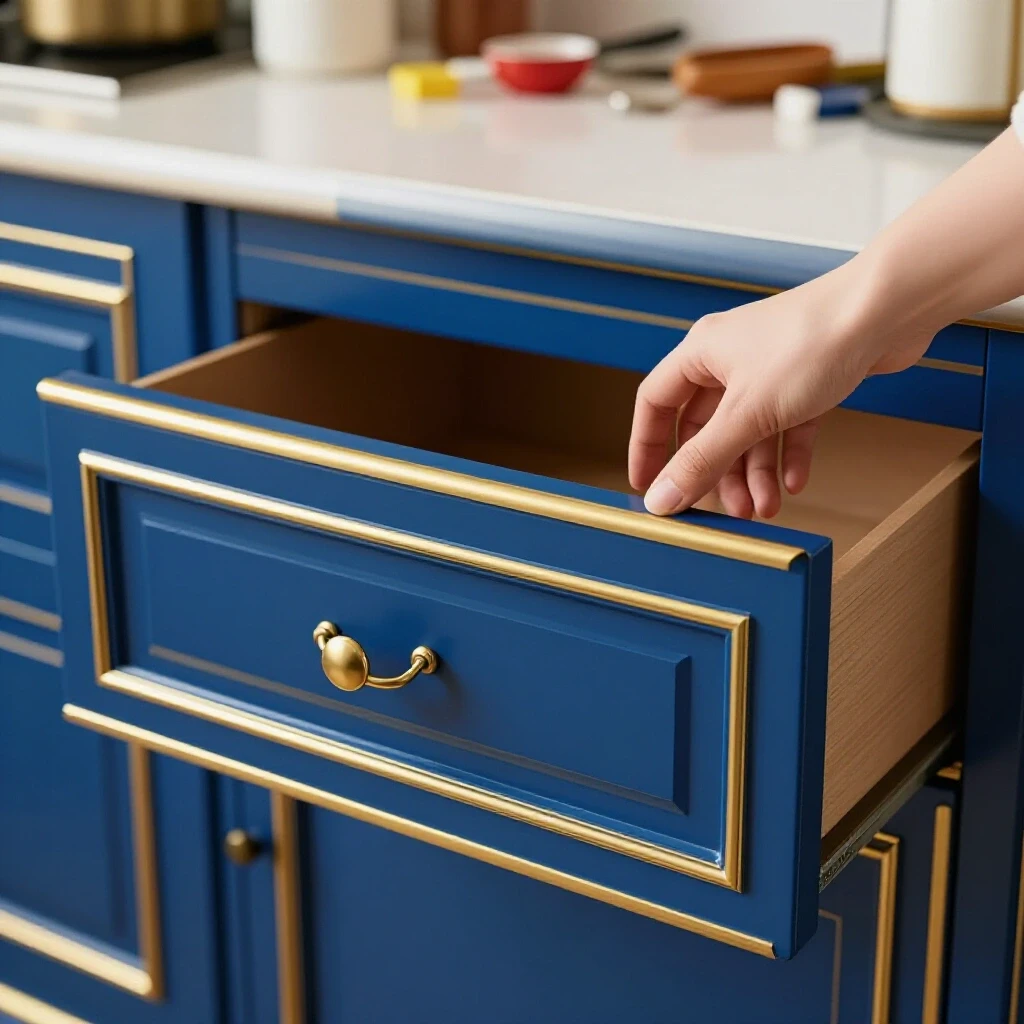
I’ve often said that an old house is like a retired athlete: it has great bones, but its joints start to creak if you don’t keep them moving. During my…
Describing craftsmanship often begins with the realization that a home is a collection of interlocking systems. For 17 years, I have walked through older properties, looking past the surface to…

Focusing on accessibility is the first step toward mastering the technical health of a home. Over my 17 years as a facilities technician, I have learned that the smallest components…
Finding water dripping from a ceiling fixture after a heavy snowfall is a scenario that tests the resolve of any homeowner. In my 17 years of maintaining older legacy structures,…