How to Fix a Wobbly Toilet: Find the Hidden Cause (Step-by-Step)

Imagine walking into your bathroom and feeling a slight, unsettling shift as you sit down. It is a tiny movement, barely a fraction of an inch, but it signals a breakdown in the bond between your home’s structure and its fixtures. Fast forward to a Saturday afternoon where that same base is now immovable. The floor around it is dry and solid, and you have the peace of mind that comes from a systematic repair. You have successfully identified the source of the movement and stabilized the unit before any moisture could compromise your subfloor.
During my 17 years as a facilities technician, I have seen how a small rock in a porcelain base can lead to significant damage if left unaddressed. I once worked on a 1920s bungalow where the owner ignored a minor shift for years. By the time I arrived, the moisture wicking into the wood had turned the subfloor into the consistency of wet cardboard. My goal is to help you avoid that outcome by mastering the diagnostics of residential fixture stability.
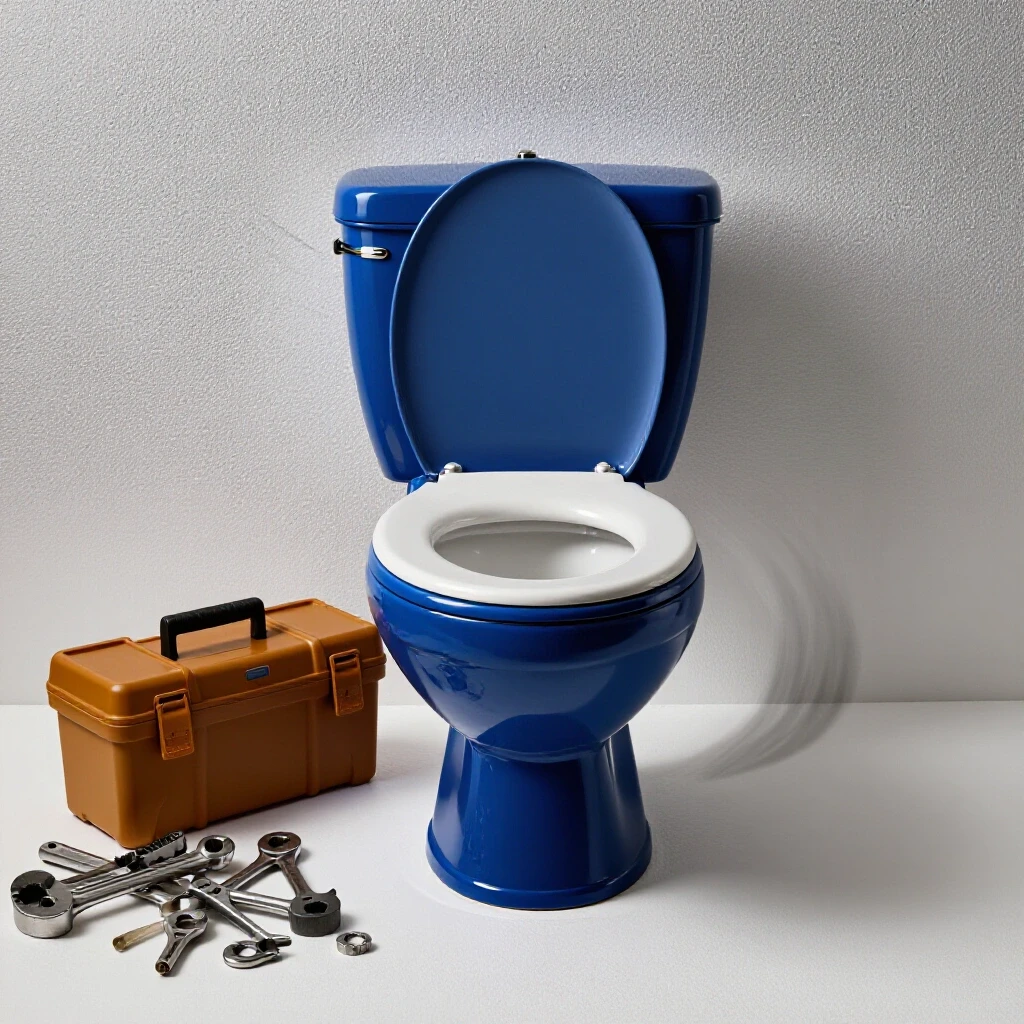
Foundations of Bathroom Fixture Stability
Fixture stability is the state where a porcelain unit remains perfectly stationary under load, ensuring the internal seal remains airtight and watertight. This requires a precise interface between the rigid fixture, the floor flange, and the finished flooring material.
In my experience maintaining older properties, stability is not just about comfort. It is about protecting the building envelope. When a fixture moves, the internal seal—usually made of wax or reinforced foam—is compressed and stretched repeatedly. This mechanical stress eventually creates gaps. Because of capillary action, moisture can then travel through these tiny openings, moving from the internal drain into the surrounding wooden subfloor.
Building science tells us that wood is hygroscopic, meaning it absorbs moisture from the air and its surroundings. When a subfloor stays damp due to a failing seal, it loses its structural integrity. This creates a cycle where the floor softens, the fixture wobbles more, and the leak worsens. Identifying these issues early is the cornerstone of preventative home care.
The Role of Floor Deflection and Material Fatigue
Floor deflection is the amount a floor system bends or “bounces” under a specific weight. In older homes, joists may be spaced further apart or have weakened over decades, leading to higher deflection rates.
When you sit on a bathroom fixture, you are applying a localized load. If the floor system deflects more than the porcelain can accommodate, the bolts holding the unit down will eventually loosen. This is often the primary driver of base instability. Over time, the metal bolts or the flange itself can suffer from material fatigue, where repeated stress causes the components to stretch or crack.
Diagnostic Tools for Surface-Level Assessment
Effective residential diagnostics require the right tools to see what is happening beneath the surface without performing invasive demolition. These tools help you quantify the problem rather than guessing at the cause.
To properly assess a shifting base, I recommend having the following items in your home maintenance checklist:
- Non-Invasive Moisture Meter: This device measures the moisture content of the flooring around the base. A reading above 16% in wood or a high relative scale reading on tile suggests that the seal has already been compromised.
- Torpedo Level: Use this to check if the unit is sitting level from front-to-back and side-to-side. An unlevel unit is prone to rocking.
- Plastic Shims: These are used during the diagnostic phase to determine exactly where the gap between the base and the floor exists.
- Flashlight with High Lumens: Essential for inspecting the area where the base meets the floor for signs of “wicking” or staining.
- Adjustable Wrench: For testing the tension on the mounting bolts.
By using these tools, you can move from a vague feeling of instability to a data-driven understanding of the repair needed. For instance, if the level shows a significant slope toward the center of the room, the issue might be related to floor settling rather than a failed component.
Identifying the Root Cause of Base Instability
Before you attempt any fix, you must understand why the movement is happening. A systematic approach prevents you from simply tightening a bolt and ignoring a deeper issue like a degraded flange or an uneven floor.
| Symptom | Potential Root Cause | Severity Level |
|---|---|---|
| Rocking side-to-side | Uneven floor tile or grout lines | Low |
| Front-to-back tilting | Improper shimming or floor settling | Medium |
| Movement with a musty odor | Failed seal and moisture in subfloor | High |
| Bolts spinning freely | Broken flange or stripped threads | High |
| Porcelain base “floating” | Flange installed too high above floor | Medium |
Testing the Seal Integrity
One of the most critical diagnostic steps is determining if the internal seal is still functional. While the unit is still bolted down, I often perform a “dry-line test.” I dry the floor around the base completely and then place a few sheets of tissue paper against the porcelain-to-floor joint.
If the tissue becomes damp after several uses of the fixture, the seal is broken. This is an immediate red flag. A broken seal means that every time the unit is used, a small amount of moisture is escaping. In the context of structural protection, this is the point where a simple adjustment turns into a necessary seal replacement.
Step-by-Step Stabilization Sequence
Once you have determined that the subfloor is dry and the flange is intact, you can proceed with stabilizing the unit. This process focuses on eliminating the “air gap” between the porcelain and the floor.
Step 1: Cleaning and Inspection
Clear away any old caulk or debris from the base of the unit using a plastic scraper. Avoid metal scrapers, as they can scratch the porcelain or the floor finish. Inspect the mounting bolts for corrosion. If the bolts are rusted thin, they will likely snap during tightening and should be replaced.
Step 2: Leveling and Shimming
Place your level across the seat of the unit. If it is not level, slide plastic shims into the gaps at the base until the bubble is centered. In my years of maintaining properties, I have found that plastic shims are far superior to wood. Wood shims will rot over time due to the humid bathroom environment, leading to a return of the wobble.
Step 3: Incremental Tightening
Tighten the nuts on the mounting bolts using an adjustable wrench. This must be done with extreme caution. Porcelain is a brittle material; if you over-tighten the bolts, the base will crack instantly. Use a “two-finger” rule: tighten until you feel resistance, then turn only another quarter-turn. If the unit still moves, add more shims rather than more torque.
Step 4: Trimming and Sealing
Once the unit is rock-solid and level, trim the excess shim material with a utility knife so they are flush with the base. Apply a bead of bathroom-grade silicone around the base, but leave a small gap (about one inch) at the very back. This gap is a building science best practice. It allows any future internal leaks to escape onto the floor where you can see them, rather than trapping moisture under the unit where it can rot the subfloor undetected.
DIY vs. Professional Scope Limits
Knowing when to stop is just as important as knowing how to start. Some issues indicate that the problem has moved beyond a simple stabilization project.
- DIY Scope: Tightening loose bolts, inserting shims, replacing a wax ring or foam seal, and applying new caulk.
- Observation/Professional Scope: If you remove the unit and find that the wooden subfloor is black, soft, or crumbling, this is a structural failure. Likewise, if the metal flange is completely rusted away or sitting more than 1/2 inch below the floor level, the repair requires more than just a new seal.
In older homes, you may encounter “flange height” issues. If a new tile floor was installed over an old one, the flange might be too low. In these cases, using a flange extender is a common DIY-friendly solution that restores the proper height for a secure seal.
Preventive Home Care and Maintenance Schedule
The best way to prevent major structural damage is through a routine home maintenance checklist. By catching a slight movement early, you prevent the seal from ever breaking.
Quarterly Inspection (Every 3 Months)
- Physical Stress Test: Gently nudge the unit with your knee to check for any lateral movement.
- Visual Check: Look for any hairline cracks in the caulk or silicone around the base.
- Moisture Sweep: Run a moisture meter or a dry tissue around the base to detect hidden leaks.
Annual Maintenance (Every 12 Months)
- Bolt Tension Check: Ensure the mounting nuts haven’t vibrated loose.
- Floor Level Audit: Use your torpedo level to see if the floor has settled or shifted significantly over the year.
- Grout Inspection: If your bathroom has tile, check for cracking grout near the fixture, which often precedes a wobble.
Case Study: The “Ghost” Wobble in a Victorian Era Home
A few years ago, I consulted on a 19th-century home where the bathroom fixture felt solid most of the time but would “click” occasionally. The owner couldn’t find a leak, and the bolts were tight.
Using a moisture meter, I found a pocket of high moisture (22%) directly behind the unit. We discovered that because the house was so old, the floor joists were slightly undersized. When someone walked near the fixture, the floor deflected just enough to lift the front of the base, breaking the seal momentarily.
The fix wasn’t just tightening the bolts; it was adding a wider base plate to distribute the weight and using a thicker, reinforced foam seal that could expand and contract with the floor movement. This “building science” approach saved the owner from a full floor replacement.
Practical Next Steps for Homeowners
If you suspect your bathroom fixture is unstable, do not wait. Start by performing the “knee test” today. If there is even a millimeter of movement, it is time to act.
- Purchase a set of plastic shims and a non-invasive moisture meter.
- Check the tension of your mounting bolts.
- If the unit moves, follow the shimming and leveling sequence outlined above.
- Monitor the area for 48 hours to ensure no moisture is escaping.
By taking these steps, you are not just fixing a minor annoyance. You are actively engaging in structural protection and ensuring the longevity of your home’s interior.
Frequently Asked Questions
Why does my toilet wobble even though the bolts are tight?
This usually happens when the floor is uneven or the flange is sitting too high. If the flange is higher than the surrounding floor, the porcelain base will “teeter-totter” on the flange itself. Tightening the bolts won’t fix this; you must use shims to support the outer edges of the base so it doesn’t rock.
Is a wax ring better than a wax-free foam seal?
Both have merits. Wax is traditional and creates a very tight seal, but it cannot “re-seal” if the unit moves. Foam seals are more resilient in homes with high floor deflection because they can spring back into shape. If your floor has a bit of bounce, a reinforced foam seal is often a more durable choice for preventative home care.
Can I use wood shims to stop the rocking?
I strongly advise against wood shims in a bathroom. Bathrooms are high-moisture environments. Wood shims will absorb humidity, soften, and eventually rot or grow mold. Plastic shims are impervious to water and will provide a permanent, rigid support that won’t degrade over time.
How do I know if my subfloor is rotting without pulling up the floor?
A non-invasive moisture meter is your best tool here. If you get high readings on the floor around the base, or if the floor feels “spongy” when you step near the fixture, there is a high probability of subfloor degradation. Another sign is if the mounting bolts won’t tighten because they are pulling through the wood.
Should I caulk all the way around the base?
No. You should always leave a small gap at the back of the base. This acts as a “leak window.” If the internal seal fails, the water will run out of this gap and onto your floor, alerting you to the problem. If you seal it 100%, the water will be trapped and forced into the subfloor, causing hidden rot.
What causes the bolts to loosen over time?
Vibration and floor deflection are the primary causes. As people sit and stand, the floor joists flex. This microscopic movement eventually backs the nuts off the bolts. Using stainless steel washers and ensuring the base is perfectly shimmed will minimize this movement.
Can a wobbly base cause a high water bill?
Generally, no. A wobbly base affects the “waste” side of the plumbing, not the “supply” side. However, the movement can occasionally stress the internal tank components, leading to a slow internal leak into the bowl. If you hear the unit “running” intermittently, that is likely a separate issue from the base instability.
How much movement is “normal” for a bathroom fixture?
In a properly installed system, there should be zero movement. Porcelain is heavy and rigid; it is designed to stay completely still. Any perceptible shift, click, or rock is a sign that the interface between the unit and the floor has been compromised and needs attention.
What if my floor is tile and the grout is cracking?
Cracked grout around the base is a classic early warning sign of instability. The rigid grout cannot handle the movement of the porcelain. If you see grout turning into powder or cracking, perform a diagnostic check immediately. Replace the grout in that area with a flexible silicone sealant after you have stabilized the base with shims.
Is it safe to sit on a rocking toilet?
While it may not collapse immediately, a rocking unit is unsafe because it can snap the mounting bolts or crack the porcelain base. Sudden failure of the porcelain can result in extremely sharp edges. It is best to address the stability issue as soon as it is detected to ensure physical safety and structural protection.
(This article was written by one of our staff writers, Daniel Whitaker. Visit our Meet the Team page to learn more about the author and their expertise.)