How to Fix Dishwasher Odor Problems (Step-by-Step Solution)

The most effective cleaning machine in your home is often the most neglected source of hidden contamination. While we rely on dishwashers to sanitize our dinnerware with high heat and detergents, the internal environment of the machine—dark, damp, and warm—is a perfect laboratory for microbial growth. In my 17 years of maintaining older properties, I have found that the very systems meant to ensure hygiene can become a primary source of unpleasant kitchen scents if the basic laws of building science and plumbing are ignored.
The Mechanical Science of Appliance Drainage and Biofilm Development
Biofilm is a structured community of microorganisms that adheres to surfaces and produces a protective slime layer. In a residential dishwasher, this occurs when food particles, fats, and minerals from hard water settle in low-flow areas of the machine, creating a breeding ground for bacteria and mold.
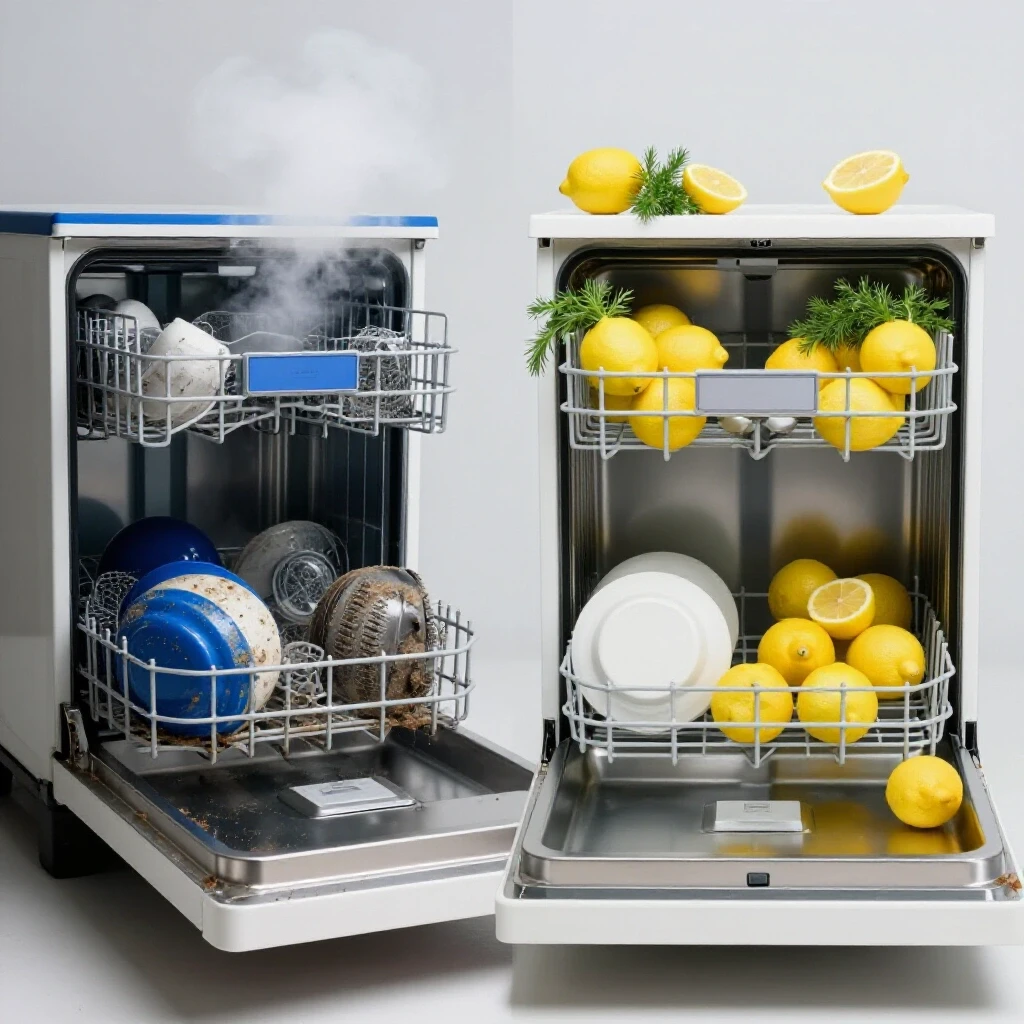
Understanding the “why” behind these scents requires a look at hydraulic flow. In older homes, the connection between the appliance and the main drain line is often the weak point. If the drain hose lacks a “high loop” or an air gap, dirty water from the kitchen sink can backflow into the dishwasher. This stagnant water sits in the bottom of the tub or the pump housing, where it undergoes anaerobic decomposition, releasing gases that permeate the kitchen every time the door is opened.
Understanding Hydraulic Backflow and Stagnant Water Risks
Backflow occurs when a pressure differential or improper gravity slope allows contaminated water to move backward into a clean system. In plumbing, we use the “high loop” method to ensure that gravity keeps sink waste out of the appliance.
When I inspect legacy properties, I often find that the dishwasher drain hose is slumped along the cabinet floor. This creates a trap where water sits permanently. To prevent this, the drain hose must be routed to a point higher than the sink’s drain connection, typically at least 32 inches above the floor. This simple application of physics prevents cross-contamination and ensures that the only water in your machine is the water meant to be there.
Diagnostic Tools for Comprehensive Kitchen Plumbing Assessment
Effective residential diagnostics require more than just a sense of smell; they require tools that can identify moisture where it shouldn’t be. When I approach a persistent scent issue, I use a systematic inspection process to ensure the structure of the home isn’t being compromised by a slow leak.
- Non-Invasive Moisture Meter: Used to check the cabinetry and subflooring around the appliance for moisture content exceeding 15%, which indicates a leak.
- High-Intensity LED Inspection Light: Essential for spotting cracks in the door seal or debris trapped in the spray arm orifices.
- Telescoping Mirror: Allows for the inspection of the rear hose connections and the air gap assembly without pulling the unit out completely.
- Infrared Thermometer: Used to verify that the incoming water temperature reaches at least 120°F, the minimum threshold for dissolving animal fats and activating detergents.
Symptom-to-Root-Cause Diagnostic Tree
This table helps homeowners identify the specific origin of a scent based on the physical evidence found during an inspection.
| Symptom | Primary Suspect | Building Science Explanation |
|---|---|---|
| Rotten egg or sulfur smell | Sulfur-reducing bacteria | Stagnant water in the drain hose or pump due to poor slope. |
| Musty or earthy scent | Mold or mildew growth | Moisture trapped in the door gasket or a clogged filter. |
| Acrid, “wet dog” smell | Protein buildup | Old food particles trapped in the spray arms or fine mesh filter. |
| Standing water in the tub | Clogged drain path | Obstruction in the garbage disposal or a kinked drain line. |
Systematic Cleaning Protocols for Eliminating Persistent Scents
Once you have diagnosed the source, the repair must be systematic. Simply running a cycle with a store-bought cleaner often masks the issue without removing the biological load. A true preventative home care routine involves physical removal of debris followed by a chemical neutralization of the biofilm.
The first step is the manual cleaning of the filtration system. Most modern units have a cylindrical filter that twists out. In older homes, these are often neglected for years, becoming coated in a thick layer of “adipocere,” or “grave wax,” which is a crumbly, waxy substance formed by the reaction of fats with alkaline detergents. This must be scrubbed away with a soft brush and warm, soapy water.
Filter Maintenance and Gasket Integrity
The door gasket is a flexible seal that prevents water from escaping the tub during a cycle. Over time, this seal can collect a film of soap scum and food debris, providing a moist habitat for fungal growth.
I recommend wiping the gasket with a solution of one part white vinegar to four parts water. Inspect the seal for any signs of brittleness or cracking. A compromised seal not only allows scents to escape but can lead to structural protection issues by allowing steam to penetrate the surrounding cabinetry, leading to wood rot.
Preventative Maintenance for Long-Term Structural Protection
A home maintenance checklist should prioritize the prevention of moisture-related damage. For dishwashers, this means ensuring the machine can breathe and drain effectively. One of the most common mistakes I see is the “rinse-first” habit. Modern detergents actually require a certain amount of food soil to work correctly; without it, the enzymes have nothing to latch onto and instead attack the rubber seals and plastic components of the machine.
Furthermore, the slope of the drain line is critical. Plumbing codes generally require a slope of 1/4 inch per foot for horizontal drain pipes. While the dishwasher hose is pressurized by a pump, ensuring it has a clear, downhill path after the high loop prevents the pump from working harder than necessary, which extends the life of the mechanical system.
Maintenance Schedule Tracker
Consistency is the key to preventing mechanical failure and persistent odors. Follow this schedule to maintain peak efficiency.
| Frequency | Task | Metric/Standard |
|---|---|---|
| Monthly | Clean the mesh filter | No visible debris or slime. |
| Quarterly | Inspect door gaskets | Seal must be soft and free of cracks. |
| Bi-Annually | Clear the spray arms | All nozzles must flow freely. |
| Annually | Check drain hose connections | No signs of moisture or calcium buildup. |
| Every 2 Years | Inspect the air gap/high loop | Ensure hose is secured at 32+ inches. |
DIY vs. Professional Scope Limits
Knowing when to handle a repair yourself and when to call a technician is vital for home safety. According to Consumer Product Safety Commission (CPSC) guidelines, any repair involving the internal wiring or the heating element should be approached with extreme caution.
| Task | DIY Capability | Professional Required |
|---|---|---|
| Filter cleaning and debris removal | Yes | No |
| Replacing a damaged door gasket | Yes | No |
| Adjusting the drain hose high loop | Yes | No |
| Replacing a faulty heating element | No | Yes |
| Repairing a leaking internal pump | No | Yes |
| Diagnosing electrical control board issues | No | Yes |
Building Science Principles of Moisture and Heat
The dishwasher operates on the principle of thermal mass. The heavy tub and the racks hold heat, which helps the dishes dry through evaporation. If the water temperature is too low, the drying process fails, leaving the interior humid for hours after the cycle ends. This residual humidity is the primary driver of microbial growth.
Check your water heater settings. For effective sanitation, the water entering the dishwasher should be between 120°F and 125°F. If it is lower, fats from your plates will solidify inside the pipes rather than being washed away. This leads to a gradual narrowing of the drain line, much like a clogged artery, which eventually causes the machine to back up and smell.
Practical Steps for Immediate Odor Neutralization
If you are dealing with a persistent scent right now, follow this sequence:
- Physical Extraction: Remove the bottom rack and manually clear the sump area. Use a wet/dry vacuum to pull out any standing water.
- The Vinegar Wash: Place a bowl containing two cups of white vinegar on the top rack. Run a full cycle on the hottest setting. The acetic acid in the vinegar breaks down the alkaline soap scum.
- The Baking Soda Rinse: After the vinegar cycle, sprinkle one cup of baking soda across the bottom of the tub. Run a short, hot cycle. This neutralizes acidic odors and acts as a mild abrasive for the internal plumbing.
- Air Circulation: After every load, leave the dishwasher door cracked open for at least an hour. This allows the internal humidity to equalize with the room, preventing the “greenhouse effect” that fuels mold.
Frequently Asked Questions
Why does my dishwasher smell like a sewer even when it is empty? This is usually a plumbing issue rather than a cleaning issue. It typically indicates a lack of a P-trap or a high loop in the drain line, allowing sewer gases or sink waste to migrate into the machine. Check that the drain hose is elevated above the level of the sink drain.
Can hard water contribute to appliance odors? Yes. Hard water minerals like calcium and magnesium can create a “scale” on the interior surfaces. This scale is porous and traps food particles and bacteria, making it much harder to clean the machine with standard detergents.
Is it safe to use bleach to clean the interior? Only if your dishwasher has a plastic interior. Never use bleach in a stainless steel dishwasher, as the chlorine will cause the metal to pit and corrode, leading to permanent structural damage and leaks.
How often should I clean the dishwasher filter? For a household that uses the machine daily, the filter should be checked and rinsed once a month. If you notice water remaining in the bottom of the tub after a cycle, check it immediately.
What is the “high loop” and why is it necessary? The high loop is a section of the drain hose that is fastened to the underside of the countertop. It uses gravity to prevent dirty water from the sink or garbage disposal from flowing back into the dishwasher tub.
Why does the smell return a few days after I clean it? If the scent returns quickly, you likely have a biofilm buildup inside the internal drain pump or the spray arms. These areas require a “deep clean” using high heat and a descaling agent to fully remove the bacterial colony.
Does the type of detergent affect the scent? Yes. Gel detergents can sometimes leave a film that contributes to buildup. High-quality powder or tablet detergents often contain enzymes and oxygen-based bleaches that are more effective at breaking down the organic matter that causes scents.
How can I tell if my drain hose is clogged? If you hear a gurgling sound in the sink while the dishwasher is draining, or if the cycle takes significantly longer than usual, there is likely a partial obstruction. Inspect the connection at the garbage disposal for any trapped food.
What temperature should my dishwasher reach? Most sanitation cycles require the water to reach 150°F, but the baseline incoming water should be at least 120°F. Use a thermometer at your kitchen sink to verify your water heater’s output.
Can a dirty door seal cause a leak? Absolutely. Debris buildup on the gasket prevents a watertight seal. This can cause small amounts of water to drip onto the flooring, which can lead to subfloor rot and mold growth behind the cabinetry.
(This article was written by one of our staff writers, Daniel Whitaker. Visit our Meet the Team page to learn more about the author and their expertise.)