How to Fix a Stuck Shut Window: Effective Solutions (Step-by-Step)

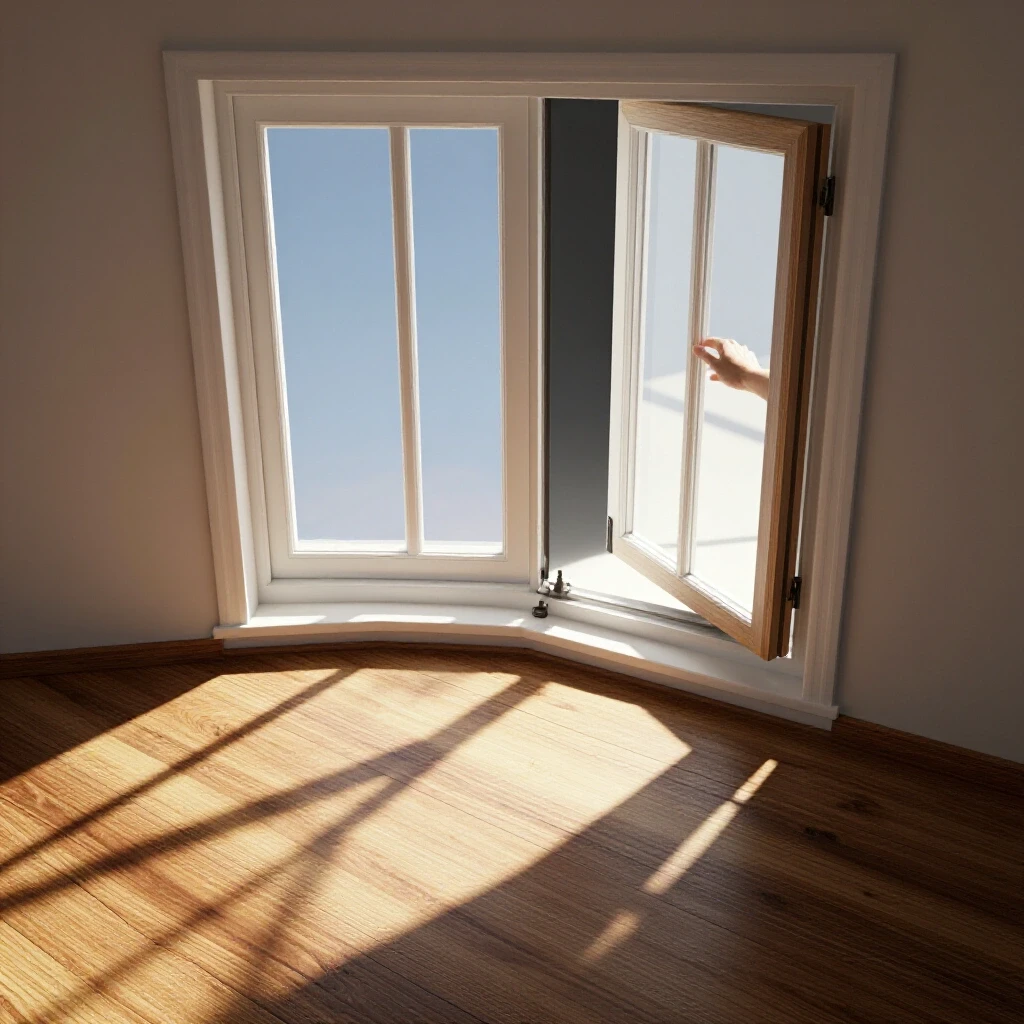
The morning coffee is still steaming on the kitchen counter as you attempt to let in a bit of fresh air. You grip the handles of the wooden sash, brace your feet, and lift with a controlled burst of energy. Nothing happens. The frame feels as though it has been welded into place, a common frustration for those of us living in homes with history. Over my 17 years as a facilities technician, I have encountered hundreds of these immobile sashes. Often, the cause is a combination of humidity, layers of old paint, and a lack of routine lubrication. Understanding the physics of how these components interact is the first step toward restoring function without causing structural damage.
The Science of Why Wood Frames Bind
This section examines the physical properties of wood and paint that lead to mechanical failure in window assemblies. We will look at how environmental factors like humidity and temperature cause materials to expand or bond together. Understanding these forces helps you diagnose the root cause before applying any physical force to the frame.
In the world of building science, wood is considered a hygroscopic material. This means it acts like a sponge, constantly absorbing and releasing moisture from the air to stay in equilibrium with its environment. When the relative humidity inside a home rises above 50%, the wood fibers in a window sash can swell significantly. Because windows are designed with tight tolerances—often as small as 1/16th of an inch—even minor swelling can create enough friction to seize the unit.
Paint adds another layer of complexity. When a window is painted while closed, or closed before the paint has fully cured (which can take up to 30 days), a “paint bridge” forms. This is a physical bond where the dried paint film spans the gap between the moving sash and the stationary stop. Breaking this bond requires precision rather than brute strength. If you pull too hard, you risk “shelling” the wood, which occurs when the paint pulls a layer of wood fibers away with it.
Moisture Content and Dimensional Stability
This subtopic explores the relationship between seasonal humidity and the physical dimensions of wooden window components. We define how moisture content affects the fit of the sash within the jamb. This knowledge allows homeowners to time their repairs for when the wood is at its driest and most stable.
In my facility logs, I have noted that windows are most likely to bind during the transition from spring to summer. As the dew point rises, the moisture content of interior wood can jump from 6% to 12% or higher. This increase causes the wood to expand across the grain. In an older double-hung window, the stiles and rails grow wider and thicker, pressing against the parting beads and window stops. This pressure increases the coefficient of friction, making it nearly impossible to slide the sash.
| Symptom | Probable Root Cause | Recommended Diagnostic Tool |
|---|---|---|
| Sash is completely immobile; paint looks thick in corners. | Paint Bridging (Mechanical Bond) | 5-in-1 Tool or Utility Knife |
| Sash moves slightly but feels “mushy” or tight. | Wood Swelling (High Moisture) | Digital Moisture Meter |
| Window opens halfway then stops abruptly. | Debris in Track or Pulley Failure | Flashlight and Inspection Mirror |
| Visible gaps at the top but the bottom is tight. | Frame Settling or Racking | 2-foot Level |
Essential Diagnostic Equipment for the Homeowner
This section outlines the specialized tools required to safely assess and address a seized window sash. I focus on non-destructive testing equipment that provides objective data about the condition of the wood and the paint. Having the right kit prevents the accidental breakage of glass or the scarring of historic trim.
Before you attempt to move a sash, you need to know what you are dealing with. A systematic approach requires tools that allow you to see what is happening inside the tracks and measure the environment. In my 17 years of maintenance, I have found that a few simple instruments can save hours of wasted effort.
- Digital Moisture Meter: Used to check if the wood is swollen. A reading above 15% suggests the wood is the primary issue.
- 5-in-1 Painter’s Tool: A stiff, multi-purpose blade used for gently prying and scraping.
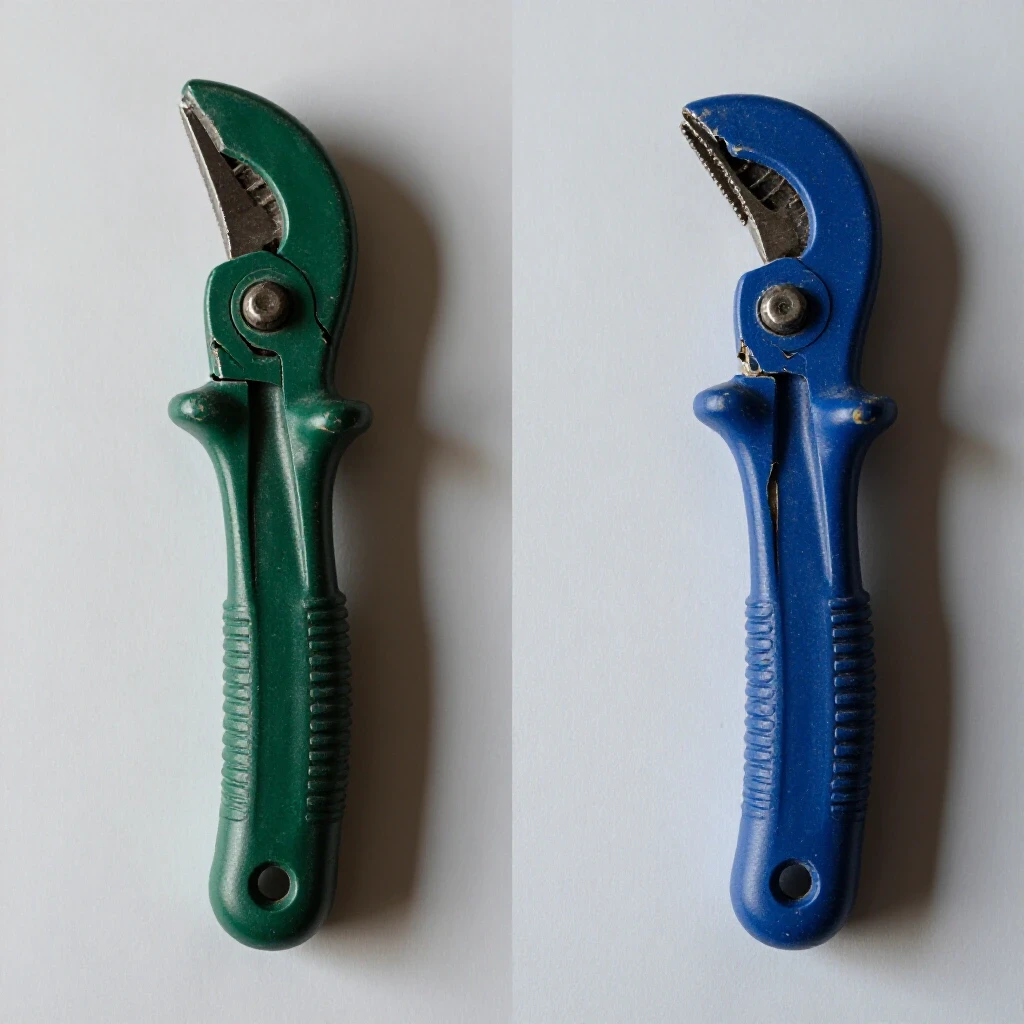
- Window Zipper (Saw-toothed blade): A specialized tool designed specifically to cut through paint bridges in the narrow gap between the sash and the stop.
- Lead Paint Test Kit: Essential for any home built before 1978 to ensure safety during the repair process.
- Flashlight and Inspection Mirror: Used to look into the weight pockets or along the upper tracks for hidden obstructions.
- Paraffin Wax or Silicone Spray: For lubrication once the window is freed.
Breaking the Paint Bridge Safely
This section provides a step-by-step guide to cutting through the layers of paint that often seal a window shut. We focus on the “score and snap” method, which minimizes damage to the finish. This procedure ensures that the mechanical bond is severed before any upward pressure is applied.
The most common reason for a seized window in an older property is “paint-locking.” This happens when a previous owner or contractor paints the window shut, or when the sash is closed while the paint is still “tacky.” To address this, you must systematically break the seal on both the interior and exterior of the sash.
Start by using a sharp utility knife to score the line where the sash meets the stop. Do not try to cut through all the paint in one pass. Instead, make three or four light passes. Once you have a clean score line, use a window zipper or a thin-blade putty knife. Insert the tool into the crack and gently tap it with a hammer to drive it deeper. Move the tool along the entire perimeter of the window, including the meeting rail where the two sashes overlap.
Utilizing Mechanical Persuasion Without Damage
This subtopic explains the “tapping” technique used to loosen a sash that is stuck due to friction or light bonding. We discuss how to distribute force evenly across the frame to avoid cracking the glass. This method relies on vibration rather than raw lifting power to break the initial seal.
If the window remains stubborn after scoring the paint, you may need to use a “prying block.” Take a small piece of 2×4 scrap wood and wrap it in a rag to protect the window’s finish. Place the block against the sash rail (the horizontal part of the frame) and tap the block gently with a hammer. Do this at the corners and in the center. The goal is to create micro-vibrations that break the surface tension between the wood surfaces.
- Warning: Never pry directly against the glass or the thin glazing putty.
- Safety Tip: Always wear eye protection and heavy gloves. If a pane of glass is under stress, it can shatter with very little pressure.
- Lead Safety: If you are working on an old home, use a HEPA-filtered vacuum to catch any paint chips that fall during this process.
Addressing Swollen Wood and Friction Issues
This section covers how to handle windows that are difficult to move because the wood has expanded due to humidity. We look at the role of friction and how to reduce it using dry lubricants. This approach ensures the window continues to operate smoothly through seasonal weather changes.
Once the paint bond is broken, you may find the window still resists movement. This is often due to the wood-on-wood friction in the channels. In older homes, these channels were often left as raw wood or treated with wax. Over decades, the wax wears away, and the wood grain becomes “hairy,” catching on the opposite surface.
To fix this, you need to clean the tracks. Use a vacuum with a crevice tool to remove dust, old paint flakes, and dead insects. If the wood is visibly swollen, you might need to wait for a dry spell when the moisture content drops below 10%. Once the window moves, apply a liberal coating of paraffin wax or a dedicated “dry” silicone spray to the tracks. Avoid oil-based lubricants like WD-40, as they can attract dust and eventually gum up the mechanism.
Comparative Analysis of Restoration Methods
This section compares different DIY approaches based on their effectiveness and risk to the window structure. We use a data-driven approach to help homeowners choose the right path for their specific situation. This comparison is based on common scenarios found in residential property maintenance logs.
| Method | Best For | Risk Level | Success Rate |
|---|---|---|---|
| Scoring & Zipping | Paint-locked sashes | Low | High (85%) |
| Block & Hammer Tapping | Friction-bound or swollen wood | Medium | Moderate (60%) |
| Lubrication Only | Windows that move but are stiff | Very Low | High (90%) |
| Mechanical Prying | Last resort for heavily seized frames | High | Low (Risk of breakage) |
Measuring Operational Force
This subtopic defines the standard for “smooth operation” in a residential window. We discuss how much force should be required to move a sash and when a window is considered “repaired.” This provides a baseline for homeowners to evaluate their maintenance efforts.
A well-maintained double-hung window should require no more than 15 to 20 pounds of force to open. If you find yourself needing to use your full body weight, the window is not functioning correctly. This excessive force puts strain on the sash cords, pulleys, and the joinery of the window itself. By measuring the force required with a simple luggage scale, you can track the improvement after cleaning and lubricating the tracks.
Long-Term Preventative Maintenance Schedules
This section outlines a multi-year plan to prevent windows from seizing in the future. We focus on seasonal checks and environmental controls that protect the integrity of the window assembly. A proactive schedule is the best defense against costly structural repairs.
The key to preventing future issues is maintaining the “envelope” of the window. This means keeping water out of the wood and ensuring the paint film remains flexible. In my experience, a window that is inspected twice a year rarely fails.
- Spring Inspection: Check for new paint bridges if the house was painted in the fall. Test all windows for ease of movement.
- Fall Inspection: Check the exterior glazing putty for cracks. If water gets behind the putty, it will rot the wood and cause it to swell from the inside out.
- Humidity Control: Keep indoor relative humidity between 30% and 50%. Use dehumidifiers in the summer to prevent the wood from reaching a high moisture content.
| Frequency | Task | Metric/Target |
|---|---|---|
| Bi-Annually | Clean tracks and sash edges | Zero debris in channels |
| Annually | Apply paraffin wax to jambs | Smooth slide with <20lbs force |
| Every 3-5 Years | Inspect and touch up exterior paint | No visible wood grain or cracks |
| Monthly (Summer) | Monitor indoor humidity | Maintain 45% RH |
Building Science and the “Stack Effect”
This section explains how air pressure within a home can affect window operation and moisture levels. We define the “stack effect” and its role in drawing humid air into window assemblies. Understanding this helps homeowners manage the environmental causes of stuck windows.
The stack effect is a phenomenon where warm air rises and escapes through the top of a building, creating a vacuum that pulls cooler air in at the bottom. In the winter, this can pull moist air from a basement up into the window tracks of the first floor. This moisture condenses on the cold glass and runs down into the wooden meeting rails. Over time, this localized moisture causes the wood to swell and the paint to peel, eventually seizing the window.
To mitigate this, ensure your attic is well-sealed and your basement or crawlspace is dry. By controlling the air movement within the home, you reduce the moisture load on your windows. This is a high-level preventative strategy that addresses the root cause rather than just the symptoms.
Final Steps for Restoring Operability
Restoring a seized window is a patient process of diagnostics and gentle mechanical intervention. Start by identifying the cause—is it paint, moisture, or debris? Use the scoring method to break paint bonds, and use vibration rather than leverage to loosen the sash. Once the window is moving, focus on cleaning and lubrication.
By following a systematic maintenance schedule and monitoring your home’s humidity, you can prevent these issues from recurring. Remember that older windows were designed to be repaired, not replaced. With the right tools and a bit of building science knowledge, you can keep your home’s original features functional for another century.
Frequently Asked Questions
How can I tell if my window is stuck because of paint or because the wood is swollen? Look closely at the edges where the sash meets the frame. If you see a continuous, thick film of paint covering the gap, it is likely paint-locked. If the paint is cracked or the gap is visible but the window feels “tight” and won’t budge even slightly, it is likely swollen from moisture. A moisture meter reading above 12% in the wood frame is a strong indicator of swelling.
Is it safe to use a heat gun to loosen the paint on a stuck window? I generally advise against using heat guns on older windows, especially if the home was built before 1978. Heat guns can vaporize lead-based paint, creating a significant health hazard. Additionally, excessive heat can crack the glass or even start a fire within the dry wood of the window pocket. Stick to mechanical methods like scoring and zipping.
What is the best lubricant for wooden window tracks? The best lubricant is a dry one. Paraffin wax (plain canning wax) or a “dry” silicone spray works best. These provide a slick surface without attracting the dust and grit that can act like sandpaper over time. Avoid using grease, oil, or soap, as these can damage the wood or the paint over the long term.
Can I use a crowbar to pry the window open? No. Using a crowbar or a large pry bar is the most common way homeowners break their windows. The concentrated pressure at a single point is almost guaranteed to crack the wood or shatter the glass. If you must pry, use a wide, stiff putty knife to distribute the pressure over a larger area, and only as a last resort.
Why does my window only get stuck in the summer? This is due to seasonal humidity. In the summer, the air holds more moisture, which the wood absorbs. This causes the wood to expand (swell). In the winter, the air is drier, the wood shrinks, and the window usually moves more freely. If your window only sticks in the summer, focus on reducing your indoor humidity and lubricating the tracks.
How do I safely handle lead paint when working on my windows? Assume any paint in a pre-1978 home contains lead. Use a “wet” method: mist the area with water before scraping or scoring to keep dust down. Use a HEPA-filtered vacuum to clean up any chips immediately. Wear an N95 or P100 respirator and keep children and pets away from the work area until it has been thoroughly cleaned.
What should I do if the window sash cord is broken? A broken cord won’t necessarily make a window “stuck,” but it will make it heavy and dangerous to open, as it may slam shut. If the window is seized and has a broken cord, you must first free the sash using the methods described above. Once the sash is moving, you can open the weight pockets in the jamb to replace the cord or chain.
How often should I lubricate my windows? For most homes, a quick cleaning and lubrication once a year—ideally in the spring—is sufficient. If you live in a particularly humid climate or near the ocean, you may need to do this twice a year to prevent salt or moisture from binding the components.
Can I use a “pizza cutter” style tool to open my windows? Yes, this is often called a “window zipper.” It is a very effective tool. It has a small, saw-toothed blade designed to fit into the narrow gap between the sash and the stop. It is much more effective than a standard knife for cutting through multiple layers of old, hardened paint.
Will a dehumidifier help my stuck windows? Yes, if the cause is wood swelling. By lowering the relative humidity in the room to below 40%, you encourage the wood to release moisture and shrink. This can often free a window that was previously seized due to high humidity, though it may take several days for the wood to reach equilibrium.
(This article was written by one of our staff writers, Daniel Whitaker. Visit our Meet the Team page to learn more about the author and their expertise.)