Effective Ways to Improve Airflow in Your Home (Easy Guide)

Have you ever walked into a room in an older home and felt like the air was standing perfectly still, heavy and uninviting? During my 17 years as a facilities technician, I have seen how stagnant environments contribute to a sense of decay in legacy properties. My experience maintaining these structures taught me that you do not always need complex machinery to change the way a house breathes. By understanding how air moves naturally through a building envelope, I was able to transform my own living space into a more comfortable environment using simple, physical adjustments.
Understanding the Principles of Passive Air Movement
Airflow is the movement of air through a structure caused by pressure differences and temperature gradients. In building science, we recognize that air naturally travels from high-pressure areas to low-pressure areas, often seeking the path of least resistance. Improving this movement requires a homeowner to identify physical obstructions and leverage natural forces like convection to encourage a steady exchange of air throughout the interior.

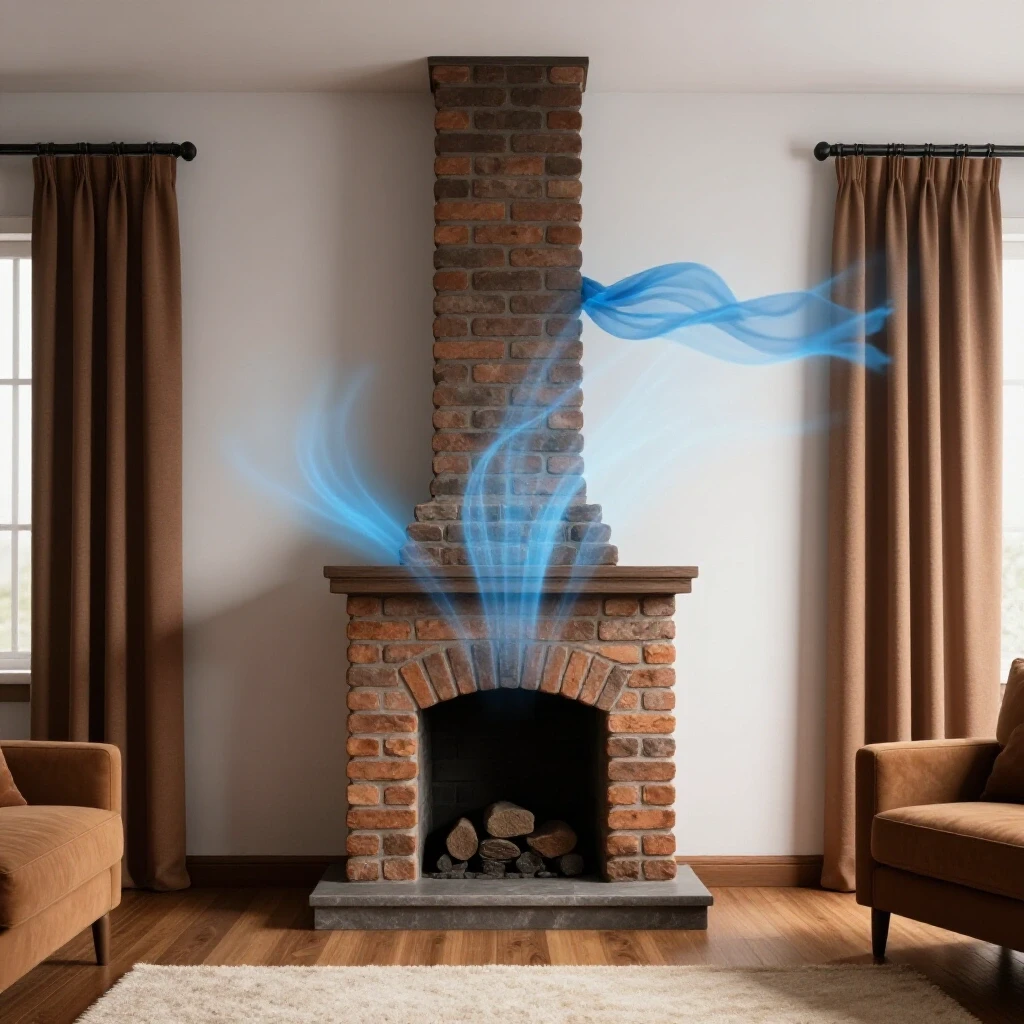
In my years of managing older properties, I found that the “Stack Effect” is the most powerful natural force at play. This occurs when warm air rises toward the upper levels of a home, creating a vacuum that pulls cooler air in from lower levels. If your home’s interior pathways are blocked by heavy furniture or poorly fitted doors, this natural cycle breaks down. I started my own project by mapping these pathways to see where the cycle was failing.
Building science also highlights the importance of laminar flow versus turbulent flow. Laminar flow is smooth and direct, while turbulent flow is chaotic and slow. When I looked at my home, I realized that many of my decor choices were creating turbulence. By streamlining the physical environment, I allowed the air to move in a more predictable and efficient manner, which is a cornerstone of residential diagnostics and preventative home care.
Assessing Your Home’s Natural Circulation Patterns
A systemic property assessment involves identifying “dead zones” where air stagnates and moisture might accumulate. By observing how air moves through doorways, windows, and stairwells, a homeowner can map out current flow paths. This baseline data is essential for determining where DIY modifications will have the most significant impact on comfort and structural protection.
When I began my assessment, I used a simple smoke pen—a tool that emits a small, safe trail of smoke—to visualize air currents. I moved from room to room, holding the pen near floor level and then near the ceiling. In my 1940s-era hallway, the smoke barely moved, indicating a dead zone. I recorded these observations in a log, noting the time of day and the exterior wind conditions. This is a critical step in any home maintenance checklist because it provides a “before” state to measure against your future repairs.
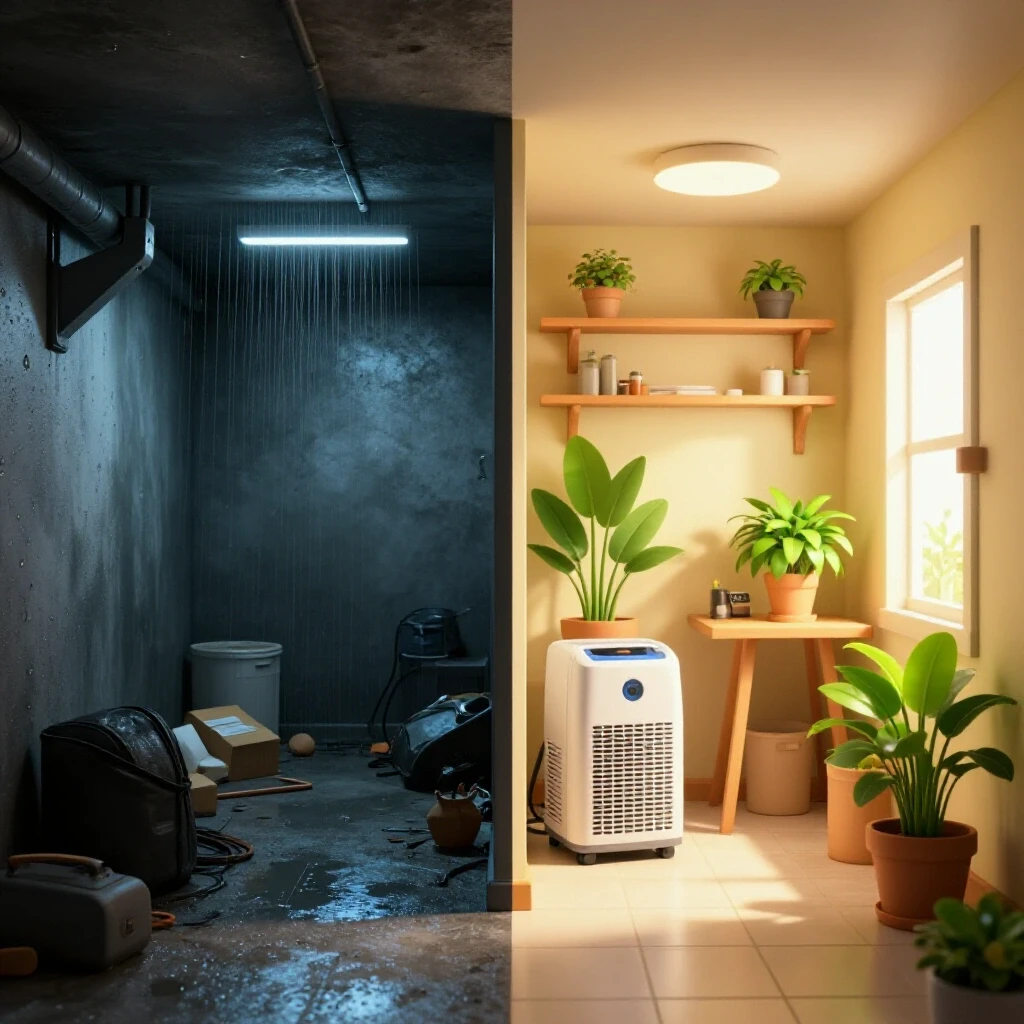
I also looked for signs of poor circulation that often go unnoticed. For example, I checked for dust patterns on surfaces; areas with high airflow often have less settled dust than stagnant corners. I used a moisture meter to check the moisture content of lumber in these dead zones. In one corner of my basement, the wood registered at 16% moisture content, which is the upper limit of the safe range. This told me that the air was not moving enough to evaporate local humidity, a clear sign that I needed to intervene.
Symptom-to-Root-Cause Diagnostic Tree
| Symptom | Potential Root Cause | Diagnostic Test | Recommended DIY Action |
|---|---|---|---|
| Condensation on interior window glass | Lack of cross-ventilation near the pane | Tissue test for air movement near glass | Adjust window treatments to allow a 1-inch gap |
| Musty smell in closets or corners | Stagnant air trapped by heavy objects | Moisture meter check of drywall/wood | Reposition furniture 3-4 inches from walls |
| Doors that “ghost” or swing shut alone | Pressure imbalances between rooms | Smoke pen test at door undercut | Increase door undercut to 1/2 inch or 3/4 inch |
| Hot spots on the second floor | Trapped heat due to blocked vertical paths | Temperature differential check (floor vs. ceiling) | Clear obstructions from stairwells and attic hatches |
Optimizing Interior Layout for Better Air Exchange
Strategic furniture placement and decor choices can either block or facilitate air movement. By aligning large objects away from natural pathways and using breathable materials, you can reduce resistance to air currents. This approach focuses on physical barriers within the living space that hinder passive circulation and can lead to moisture detection issues over time.
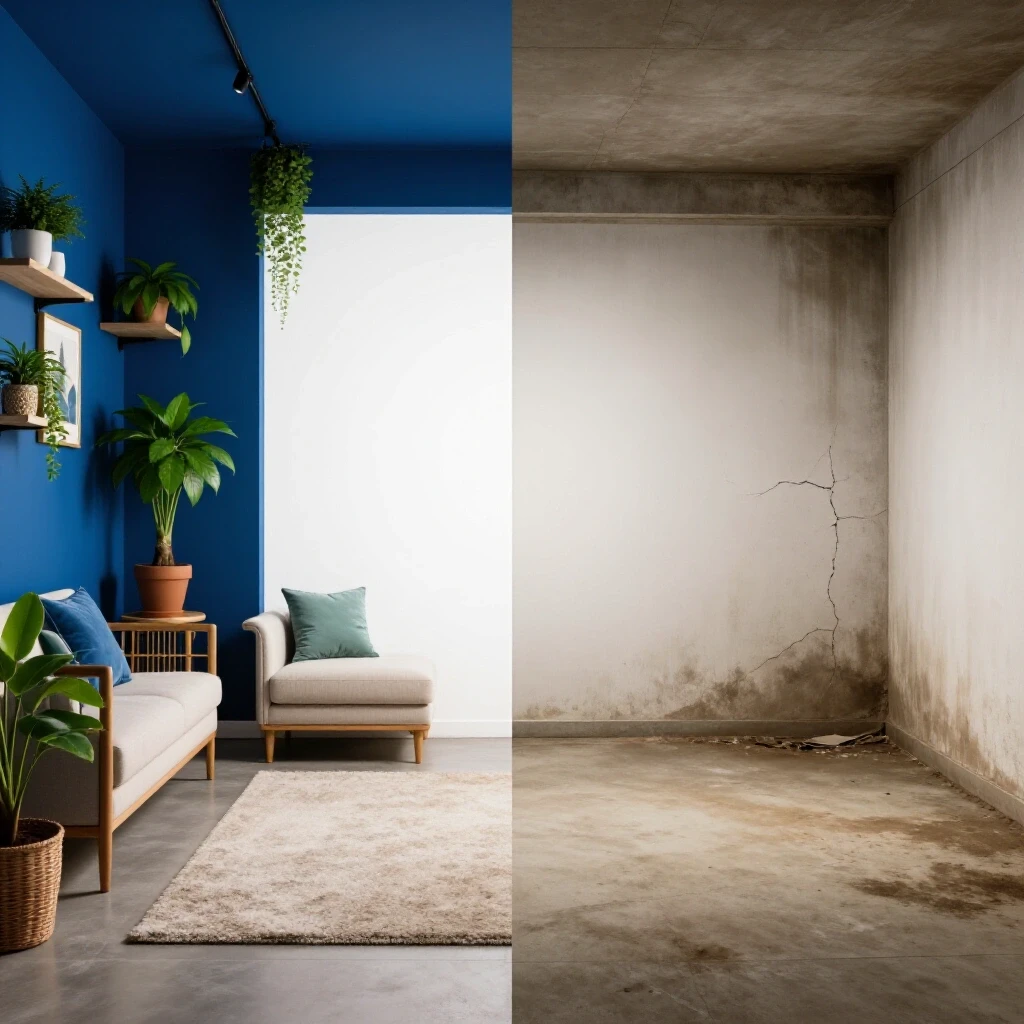
One of the biggest mistakes I see homeowners make is “wall-hugging.” We tend to push every sofa and bookshelf flush against the wall to save space. However, in my own home, I found that leaving a 3-to-4-inch gap between large furniture pieces and exterior walls allowed air to circulate behind them. This simple change prevented the “cold wall” effect, where trapped air cools down and causes hidden condensation, potentially leading to mold.
I also evaluated my window treatments. Heavy, floor-to-ceiling drapes act like a thermal dam. I replaced these with lighter, breathable fabrics and ensured they were hung so they did not sit flush against the window frame. By allowing just 1 inch of space between the fabric and the wall, I enabled a convection loop. The air near the window could now move freely, balancing the temperature and preventing the stagnant “chill” often felt in older homes during the winter.
Modifying Doors and Windows for Consistent Flow
Small physical adjustments to existing openings can drastically change how air travels between rooms. Trimming door undercuts or utilizing specific window hardware allows for continuous air exchange even when privacy is required. These low-cost, high-impact changes address the mechanical limitations of older door and window designs without requiring professional plumbing repair guides or electrical work.
In many older homes, thick carpeting has been added over the years, effectively sealing the gap at the bottom of interior doors. When a door is closed, the room becomes a sealed box, stopping all air exchange. I took my interior doors off their hinges and used a hand plane to increase the undercut. I aimed for a 1/2-inch to 3/4-inch gap between the bottom of the door and the flooring. This “return air” pathway is vital for maintaining a balanced pressure throughout the house.
For windows, I focused on the mechanics of the sashes. In older double-hung windows, the top sash is often painted shut. I carefully broke the paint seal and lubricated the tracks with paraffin wax. Opening the top sash just 2 inches while opening the bottom sash 2 inches creates a natural siphon. The cool air enters at the bottom, and the warm air escapes at the top. This is a classic building science technique that uses gravity and temperature to move air without any mechanical assistance.
DIY vs. Professional Scope Limits
| Task | DIY Scope (Safe for Homeowners) | Professional Scope (Requires Expert) |
|---|---|---|
| Door Modifications | Trimming undercuts up to 1 inch; lubricating hinges | Cutting new door openings in load-bearing walls |
| Window Care | Cleaning tracks; replacing sash cords; sealing gaps | Replacing entire window units; structural header repair |
| Furniture Layout | Moving items; installing wall spacers | Mounting heavy cabinetry that requires structural blocking |
| Attic Access | Sealing hatches; adding walk-off mats | Installing new roof vents or structural dormers |
Managing Thermal Buoyancy and the Stack Effect
The stack effect is the process where warm air rises and escapes through upper levels, drawing cooler air in through the bottom. In older homes, managing this natural phenomenon involves controlling vertical pathways like attic hatches and staircases. Balancing these forces helps maintain a steady, gentle movement of air throughout the property while preventing structural protection failures.
I noticed that my second-floor landing was always significantly warmer than the first floor. This indicated that air was moving up the stairs but had nowhere to go, creating a high-pressure “cap” at the top of the house. I addressed this by focusing on the attic hatch. I ensured the hatch was properly weighted and sealed with weatherstripping to prevent air from leaking into the unconditioned attic. However, I also made sure that the windows at the highest point of the stairwell could be opened slightly.
By opening a high-level window on the leeward side of the house (the side facing away from the wind), I created a low-pressure zone that pulled the rising warm air out. This encouraged the cooler air from the first floor to move upward more effectively. I monitored this using a digital thermometer to track the temperature differential. Before the change, there was an 8-degree Fahrenheit difference between floors; after adjusting the vertical flow, the difference dropped to a more comfortable 3 degrees.
Essential Tools for Airflow Diagnostics
- Smoke Pen or Incense Sticks: Used to visualize low-velocity air currents and identify leaks or stagnant zones.
- Digital Hygrometer: Measures relative humidity; aim for a range between 30% and 50% to ensure proper air exchange is occurring.
- Non-Contact Infrared Thermometer: Helps identify “cold spots” on walls that indicate poor circulation and potential condensation risks.
- Wood Moisture Meter: Essential for checking the moisture content of structural members in areas with suspected low airflow.
- Tape Measure: Used to ensure consistent gaps for door undercuts (0.5 to 0.75 inches) and furniture spacing (3 to 4 inches).
- Hand Plane or Circular Saw: Required for trimming door bottoms to improve inter-room air transfer.
A Seasonal Maintenance Plan for Passive Systems
A preventative home care schedule ensures that manual ventilation points remain functional year-round. This includes inspecting window tracks, cleaning screen meshes, and adjusting seasonal decor to match changing wind patterns. Regular audits prevent debris or mechanical wear from obstructing the natural pathways you have established through your DIY efforts.
Every spring, I perform a “clearance audit.” I walk through the house and ensure that no new decor items—like large plants or storage bins—have migrated into the airflow paths I created. I also clean every window screen. A dirty screen can reduce airflow by up to 30%, acting as a physical filter that catches dust and restricts the breeze. I use a soft brush and mild soapy water to ensure the mesh is completely clear.
In the fall, I pivot to protecting the building envelope. I check the weatherstripping on all doors and windows to ensure there are no “uncontrolled” leaks. While we want air to move, we want it to move through the pathways we choose, not through cracks in the foundation or gaps in the siding. This controlled approach is what separates a well-maintained legacy property from one that is simply “drafty.” By keeping a log of these seasonal checks, I can spot trends, such as a window that is becoming harder to open, before it becomes a major repair.
Preventative Maintenance Schedule by System
| Season | System | Action Item | Metric/Goal |
|---|---|---|---|
| Spring | Windows/Screens | Deep clean mesh and lubricate tracks | 100% unobstructed mesh area |
| Summer | Interior Layout | Move heavy drapes; check furniture gaps | 3-inch minimum gap from exterior walls |
| Autumn | Door Undercuts | Inspect for rug interference or settled doors | 0.5-inch minimum clearance |
| Winter | Attic/Vertical Paths | Check seal on attic hatch and high windows | Zero visible light through hatch seals |
Conclusion: Taking the First Steps Toward a Breathing Home
Improving the way air moves through your home does not require a massive renovation or expensive equipment. It starts with a shift in perspective—seeing your home as a living system where every piece of furniture and every door plays a role in the overall environment. My 17 years of experience have taught me that the most effective repairs are often the ones that work with nature rather than against it.
Start by performing a simple walk-through with a smoke pen or even a single ply of tissue paper. Identify the areas where the air feels “stuck” and look for the physical reason why. Is a bookshelf blocking a corner? Is a door too tight against the carpet? By addressing these small issues systematically, you can prevent the moisture buildup and stagnant conditions that lead to costly structural damage. Your home will not only feel better but will also be better protected for the years to come.
Frequently Asked Questions
How can I tell if a room has poor airflow without specialized tools? You can perform a “tissue test.” Hold a single ply of tissue paper near the top and bottom of an open doorway. If the tissue hangs perfectly still even when there is a breeze elsewhere in the house, the room is likely a dead zone. Another sign is “lingering odors”—if the smell of cooking or cleaning products stays in a room for more than an hour, the air exchange rate is too low.
Will trimming my doors affect my privacy or soundproofing? A gap of 1/2 inch to 3/4 inch is generally insufficient to significantly impact visual privacy. While it may slightly increase sound transmission, the trade-off is a much healthier air exchange rate. In building science, this is considered a necessary compromise for preventing pressure imbalances that can cause doors to slam or “ghost” open.
Does furniture placement really affect the structure of the house? Yes. When heavy furniture is pushed against an exterior wall, it creates a “micro-climate.” The wall behind the furniture stays colder than the rest of the room because the home’s warmth cannot reach it. This leads to condensation, which can rot baseboards and promote mold growth behind the scenes. Maintaining a 3-inch gap allows air to wash over the wall, keeping it dry and warm.
How often should I clean my window screens? I recommend cleaning them at least twice a year, specifically in the spring and autumn. Dust, pollen, and spider webs can quickly clog the fine mesh. A clogged screen significantly restricts the amount of fresh air that can enter through a window, even when it is fully open.
Can I use window fans to help with this process? While this guide focuses on passive DIY methods, window fans can be used to “boost” the natural pathways you have created. However, the goal of passive airflow is to ensure the house functions well on its own. Using the “top-sash-open, bottom-sash-open” method is often enough to create a natural draw without the need for mechanical help.
Is it safe to trim the bottom of a fire-rated door? No. You should never trim or modify a fire-rated door, such as the one leading to a garage. These doors are designed to provide a specific seal and fire resistance rating. Only modify standard interior room doors. If a fire-rated door seems to be blocking airflow, consult a professional to discuss legal and safe ventilation options.
What is the “leeward side” of a house, and why does it matter? The leeward side is the side protected from the wind. When wind blows against one side of your house (the windward side), it creates high pressure. On the opposite side (the leeward side), a low-pressure zone is created. Opening a window on the leeward side “sucks” air out of the house, which is much more effective for ventilation than trying to “push” air in from the windward side.
How do I know if my attic hatch is leaking air? On a cold day, you can use a non-contact infrared thermometer to check the temperature of the hatch. If the hatch is significantly colder than the surrounding ceiling, it is likely leaking. You can also use the smoke pen test; if the smoke is pulled upward into the hatch seams, you need to apply new weatherstripping.
Can plants help improve airflow? While plants are a great decor choice, they do not physically move air. In fact, if they are large and dense, they can act as obstructions just like furniture. If you have many plants, ensure they are not clustered in front of windows or in narrow hallways where they might restrict the natural path of air movement.
What should I do if I find moisture in a stagnant corner? First, use a moisture meter to determine the extent of the issue. If the wood or drywall is above 16-18% moisture content, you must increase airflow immediately. Move furniture away from the wall and use a temporary fan to dry the area. Once dry, implement the permanent passive airflow changes mentioned in this guide to prevent the moisture from returning.
(This article was written by one of our staff writers, Daniel Whitaker. Visit our Meet the Team page to learn more about the author and their expertise.)