How to Diagnose and Fix Furnace Short Cycling (Step-by-Step Guide)

Ignoring a heating system that shuts down prematurely and restarts every few minutes is a risk to your home’s mechanical longevity. This pattern of behavior, where the equipment fails to complete a full heating duration, often indicates that internal safety sensors are intervening to prevent overheating. If left unaddressed, this repetitive stress can cause premature wear on the blower motor and heat exchanger.
Understanding the Mechanics of Abbreviated Heating Cycles
Abbreviated heating cycles occur when a furnace initiates a startup sequence but terminates the burn before the home reaches the temperature set on the thermostat. This behavior is usually a protective response by the system’s internal sensors to prevent damage from excessive heat or restricted airflow.
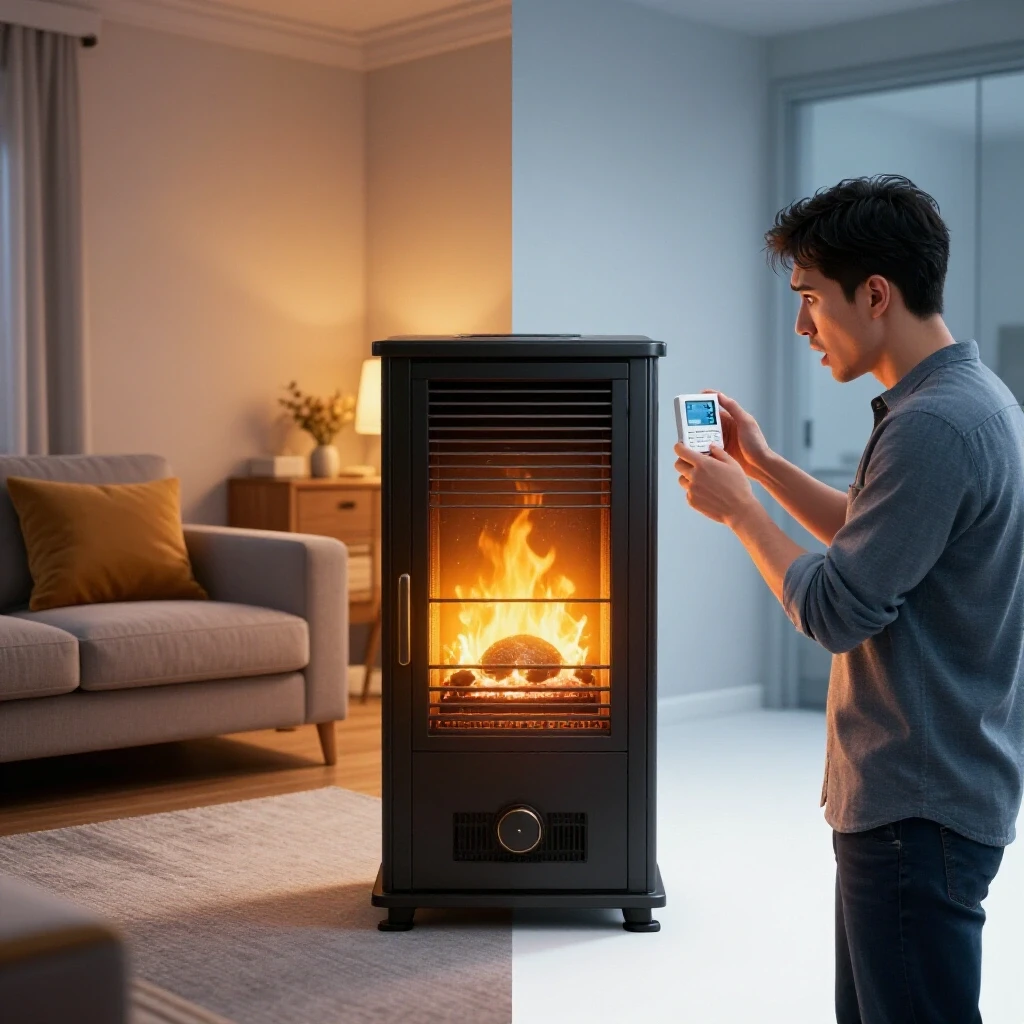
In my 17 years of maintaining older legacy structures, I have found that these rapid start-and-stop sequences are rarely random. They are the physical manifestation of a system struggling to breathe. Building science tells us that a furnace requires a specific volume of air to move across its heat exchanger to transfer thermal energy into the living space. When this air volume drops, the temperature inside the cabinet spikes. This triggers a “limit switch,” a safety device designed to cut the burner to prevent the metal from cracking or melting.
The Role of Airflow Resistance and Static Pressure
Airflow resistance, or static pressure, is the amount of force the blower motor must overcome to move air through ducts, filters, and registers. When resistance is too high, the air moves too slowly to carry heat away from the furnace.
High static pressure is the most common cause of a furnace shutting down early. Think of it like trying to breathe through a straw while running; eventually, you have to stop to catch your breath. In a residential heating system, the “breath” is the return air. If the return air path is blocked by a dense filter or closed doors, the system overheats. This is a critical point in residential diagnostics because it links the physical comfort of a room to the mechanical health of the furnace.
Essential Tools for Residential Diagnostics
To properly monitor a home’s thermal performance and diagnose equipment behavior, you need a baseline set of tools that provide objective data. Relying on “feel” is often inaccurate when dealing with subtle temperature fluctuations or airflow issues.
- Digital Infrared Thermometer: This allows you to measure the temperature of the air coming out of supply vents versus the air entering the return vents.
- Hygrometer: This measures the moisture content in the air, which affects how “heavy” the air feels and how the furnace processes it.
- Anemometer: A tool used to measure the speed of air moving through a register to ensure it meets manufacturer specifications.
- Flashlight (High Lumen): Essential for inspecting the dark recesses of blower compartments and ductwork for debris.
- Home Maintenance Log: A simple notebook or digital file to track when cycles happen and what the outdoor temperature was at the time.
Measuring the Temperature Rise
The temperature rise is the difference between the return air temperature and the supply air temperature. Most manufacturers list an acceptable “rise range” on the furnace data plate, usually between 30 and 70 degrees Fahrenheit. If your supply air is 130 degrees and your return air is 70 degrees, your rise is 60 degrees. If this number climbs toward the top of the range, the system is at risk of tripping its safety limits.
Identifying the Root Causes of Rapid Cycling
When a system starts and stops frequently, the cause is usually found in one of three areas: airflow restriction, thermostat location, or minor component buildup. Addressing these early is a cornerstone of preventative home care.
Airflow Obstructions and Filter Load
The air filter is the primary defense for the furnace’s internal components, but it is also the most common point of failure for airflow. A filter that is too thick or too dirty increases resistance. In older properties, homeowners often try to improve air quality by using high-MERV (Minimum Efficiency Reporting Value) filters. However, these dense filters can act like a wall, causing the system to overheat and shut down within minutes of starting.
Thermostat Placement and Ghost Drafts
A thermostat is a simple switch that reacts to the temperature of the air immediately surrounding it. If the thermostat is mounted on an exterior wall, near a drafty window, or directly above a supply vent, it will receive “false” data. This is known as a ghost draft. The thermostat may sense a sudden blast of heat from the vent and turn the furnace off before the rest of the house is warm. Conversely, a drafty wall might keep the thermostat too cold, causing it to call for heat too often.
Table 1: Symptom-to-Root-Cause Diagnostic Tree
| Symptom | Potential Root Cause | Physical Check |
|---|---|---|
| System runs for 3 minutes, shuts off burner, blower keeps running. | Overheating / High Limit Trip | Check for a dirty air filter or blocked return vents. |
| System turns on and off every 5-10 minutes, house stays cold. | Thermostat Anticipator / Ghost Drafts | Check for drafts near the thermostat or heat sources nearby. |
| Blower motor hums but the system shuts down quickly. | Capacitor Failure / Blower Resistance | Inspect blower wheel for debris or dust buildup. |
| Rapid cycles only occur when it is extremely cold outside. | Undersized Ductwork | Verify all registers are open and unobstructed. |
Step-by-Step Diagnostic Sequence for Homeowners
If you notice your heating system is not completing a full cycle, follow this systematic approach. This sequence moves from the least invasive checks to more detailed inspections.
Phase 1: The Airflow Audit
The first step in any home maintenance checklist regarding heat is to ensure the system can breathe. Start by removing the air filter entirely for one single cycle. If the furnace runs a full, normal cycle without the filter, you have confirmed that the filter was too restrictive. Replace it with a clean, lower-MERV filter that allows for better airflow. Next, walk through every room and ensure that at least 80% of your supply registers and 100% of your return grilles are open and not covered by furniture or rugs.
Phase 2: Thermostat Calibration and Inspection
Check the settings on your thermostat. Modern digital thermostats often have a “cycle rate” setting. If this is set too high, the system will cycle more frequently to maintain a very tight temperature range. If you have an older mechanical thermostat, it may have a small metal slider called a “heat anticipator.” Adjusting this slightly can lengthen the run time. Also, ensure the thermostat is level; older mercury-bulb models will misread the temperature if they are tilted.
Phase 3: The Blower Compartment Check
After turning off the power to the unit, open the blower compartment. Use your flashlight to look at the blower wheel. In older homes, pet hair and dust can bypass the filter and coat the fins of the blower wheel. This reduces the motor’s efficiency and the volume of air it can move. If the fins are “carpeted” with dust, they cannot “bite” the air effectively, leading to slow airflow and eventual overheating.
Building a Multi-Year Prevention Program
Preventative home care for a legacy property requires a schedule that accounts for seasonal shifts. By tracking system performance, you can identify a decline in efficiency before it results in a total mechanical failure.
Physical Structural Protection and HVAC Health
The health of your heating system is tied to the structural protection of your home. For example, if your basement has high moisture levels, that humidity is pulled into the return air. Wet air is harder to move and can lead to corrosion on the furnace’s internal sensors. Using moisture detection tools in your mechanical room can help you maintain an environment that supports long-term equipment health.
Table 2: Preventative Maintenance Schedule by System
| Frequency | Task | Goal |
|---|---|---|
| Monthly | Inspect Air Filter | Maintain low static pressure and high airflow. |
| Bi-Annually | Clean Thermostat Housing | Remove dust that can interfere with sensors. |
| Annually | Inspect Blower Wheel | Ensure maximum air displacement and motor cooling. |
| Annually | Verify Vent Clearances | Ensure the exhaust and intake are free of debris. |
| Every 3 Years | Ductwork Inspection | Check for leaks that cause pressure imbalances. |
Case Study: The “Drafty Hallway” Failure
In a property I managed for several years, the furnace began shutting off every four minutes. The homeowner had recently installed a high-efficiency pleated filter. After my residential diagnostics check, I found the temperature rise was hitting 85 degrees, well above the 65-degree limit.
Interestingly, the filter wasn’t the only culprit. The thermostat was located in a hallway directly across from a bathroom. When the bathroom door was left open, a draft from a poorly sealed window in the bathroom hit the thermostat. This caused the thermostat to think the house was 5 degrees colder than it actually was. The furnace would blast heat, the hallway would warm up instantly, and the thermostat would shut the system down. By sealing the bathroom window and switching to a medium-efficiency filter, the cycles returned to a normal 15-minute duration.
When to Transition from DIY to Professional Scope
While many airflow and thermostat issues are within the DIY scope, there are physical safety boundaries every homeowner must respect. If your troubleshooting leads you to believe there is a failure in a component you cannot see or safely test, it is time to stop.
- DIY Scope: Changing filters, cleaning registers, leveling thermostats, and sealing duct leaks with foil tape.
- Professional Scope: Any task involving the internal wiring of the furnace, testing the gas pressure, or cleaning the internal heat exchanger.
If you observe soot, smell unusual odors (like “hot” metal or rotten eggs), or hear loud grinding noises, shut the power off at the breaker immediately. These are signs of mechanical failures that go beyond simple airflow restrictions.
Practical Next Steps for Thermal Stability
To ensure your home remains comfortable and your equipment stays healthy, start with these three actions:
- Standardize your filters. Find a brand and MERV rating (usually MERV 8 is a good balance) that works for your system and stick with it.
- Clear the path. Ensure no furniture or heavy curtains are blocking the return air vents, which are often located near the floor in older homes.
- Monitor the cycle. Use a stopwatch to time how long your furnace runs. A healthy cycle in moderate weather should be at least 10 to 15 minutes.
By mastering these routine checks, you protect the structural integrity of your home and avoid the sudden, high-cost repairs that come from neglected mechanical systems.
FAQ: Understanding and Addressing Rapid Heating Cycles
Why does my furnace turn off after only a few minutes?
This is usually caused by a safety device called a limit switch. If the air inside the furnace gets too hot—often due to a dirty filter or blocked vents—the switch cuts the burner to prevent damage. Once the system cools down, it tries to start again, creating a repetitive cycle.
Can a dirty air filter really cause the system to stop running?
Yes. A dirty filter increases the resistance the blower motor must overcome. This slows down the airflow, which means heat isn’t being removed from the furnace quickly enough. The internal temperature then rises until it hits the safety limit.
What is a “ghost draft” and how does it affect my heating?
A ghost draft is a localized current of cool or warm air that hits the thermostat but doesn’t represent the actual temperature of the house. This can cause the thermostat to turn the furnace on or off prematurely, leading to inconsistent temperatures and frequent cycling.
How do I know if my air filter is too restrictive?
Check the MERV rating. While MERV 11 or 13 filters trap more dust, they also restrict more air. If your system cycles frequently with a high-MERV filter, try switching to a MERV 8. You can also test the system by running it briefly without a filter to see if the cycle length improves.
Is it safe to let my furnace keep cycling rapidly?
No. Frequent starting and stopping puts immense strain on the blower motor and the igniter. It also causes the heat exchanger to expand and contract more often than intended, which can lead to cracks over time.
Should all my supply vents be open?
At least 80% of your vents should be open at all times. Closing too many vents increases the static pressure in the ductwork, which can lead to the same overheating issues as a dirty filter.
How long should a normal furnace cycle last?
In average winter temperatures, a furnace should run for about 10 to 20 minutes to reach the desired temperature. If it is running for less than 5 minutes, it is likely experiencing a technical or airflow issue.
Can a thermostat’s location cause the furnace to shut down early?
Yes. If a thermostat is near a heat source (like a lamp, sunlight, or a vent), it will think the room is warm and shut the furnace off before the rest of the house reaches the set temperature.
What is the “temperature rise” and why does it matter?
Temperature rise is the difference between the air going into the furnace and the air coming out. If the air coming out is significantly hotter than the manufacturer’s spec, it indicates the air is moving too slowly, which causes the system to cycle off for safety.
Can a clogged blower wheel cause short heating cycles?
Yes. If the fins on the blower wheel are covered in dust, they can’t move the required volume of air. This leads to overheating and triggers the safety limit switch, causing the furnace to stop the heating cycle early.
(This article was written by one of our staff writers, Daniel Whitaker. Visit our Meet the Team page to learn more about the author and their expertise.)