How to Choose the Right Dehumidifier for Your Home (Guide)

Have you ever wondered if the heavy, damp air in your basement is silently compromising the structural integrity of your floor joists?
In my 17 years as a facilities technician, I have crawled through more damp crawlspaces and inspected more musty basements than I can count. I have seen how a seemingly minor humidity issue can lead to significant wood rot, peeling paint, and the slow degradation of a home’s foundation. Managing moisture in an older property is not just about comfort; it is about preservation. When I transitioned from large-scale facility management to maintaining my own legacy homes, I realized that the same systematic approach I used for commercial boilers applied to residential moisture control.
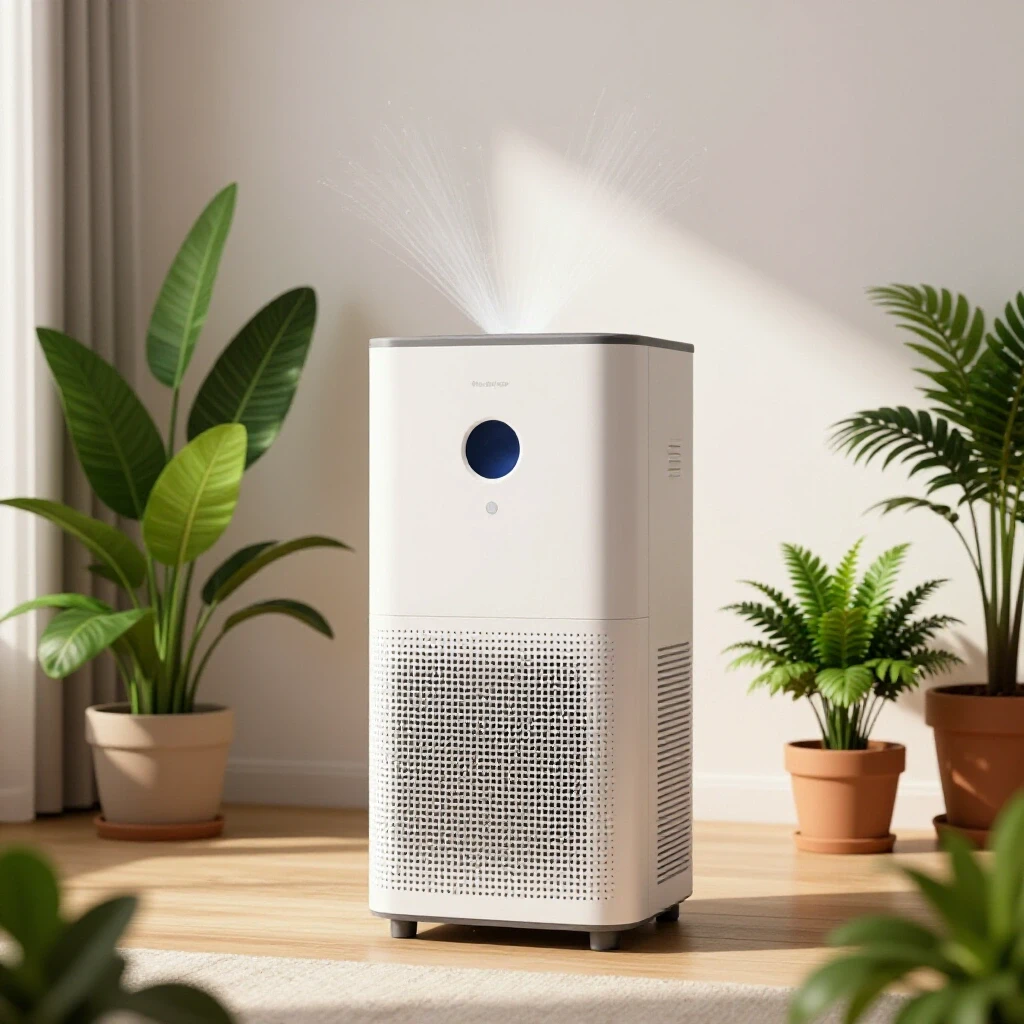
Selecting the right equipment to manage indoor humidity requires more than just picking a unit off a shelf. It involves understanding how water vapor moves through your specific building envelope. My journey to finding the right portable solution was grounded in data, observation, and a deep respect for building science. By monitoring my home’s baseline conditions, I was able to stop guessing and start making informed decisions that protected my property from long-term damage.
Assessing Moisture Loads in Legacy Properties
Moisture load refers to the total amount of water vapor present in an indoor environment, generated by both internal activities and external infiltration. In older homes, this load is often higher due to porous foundations and less-than-ideal vapor barriers.
When I first began evaluating my 1920s bungalow, I noticed the telltale signs of excess moisture. There was a distinct heavy scent in the air, and I observed minor efflorescence—that white, powdery salt deposit—on the basement masonry. These symptoms indicated that hydrostatic pressure was pushing moisture through the foundation walls. Before I could choose a portable unit, I had to establish a baseline. I used a digital hygrometer to track relative humidity (RH) levels over two weeks. I found that my basement consistently sat at 68% RH, which is well above the 45% to 50% range recommended for structural protection.
Building science teaches us about the “dew point,” which is the temperature at which air can no longer hold its water vapor and begins to condense into liquid. In older homes with cool basement walls, high RH levels lead to condensation on pipes and sills. I knew that if I didn’t lower the moisture load, the wood moisture content in my floor joists would eventually exceed 19%, the threshold where wood-decay fungi begin to thrive. My goal was a systematic reduction in vapor pressure to stabilize the environment.
Symptom-to-Root-Cause Diagnostic Tree
| Symptom | Primary Diagnostic Test | Potential Root Cause |
|---|---|---|
| Musty odors in specific corners | Pin-type moisture meter on drywall/wood | Localized condensation or slow pipe leak |
| White powder on masonry (Efflorescence) | Visual inspection of exterior grading | Groundwater wicking through porous concrete |
| Window condensation in winter | Hygrometer reading near glass | High interior RH combined with thermal bridging |
| Cupping floorboards | Moisture meter (wood subfloor check) | Excessive moisture in crawlspace or basement |
| Peeling paint on baseboards | Thermal camera scan | Hidden moisture behind the wall assembly |
Identifying Environmental Failures and Testing Tools
Environmental failure occurs when a building’s envelope fails to manage the transfer of heat, air, and moisture, leading to localized dampness. Identifying these failures requires a combination of sensory observation and specialized diagnostic equipment.
To accurately diagnose the moisture levels in my home, I didn’t rely on guesswork. I assembled a small kit of tools that allowed me to see what was happening behind the surfaces. A pin-less moisture meter was essential for checking the moisture content of my hardwood floors without damaging them. I also used a basic thermal camera to identify cold spots on my walls where insulation might be missing, as these areas are prime targets for condensation.
One of the most effective tests I performed was the “plastic sheet test” on my basement floor. I taped a 24-inch square of clear plastic to the concrete and left it for 48 hours. When I pulled it up, the concrete underneath was dark and damp, proving that moisture was migrating upward through the slab. This told me that any portable unit I chose would have to work harder than one in a newer home with a modern vapor barrier. This diagnostic phase ensured I wasn’t just treating a symptom, but actually understanding the volume of water I needed to remove.
Essential Moisture Detection Equipment
- Digital Hygrometers: Small, battery-operated sensors placed in different zones to track RH and temperature.
- Pin-type Moisture Meter: Used for checking the internal moisture percentage of framing lumber and joists.
- Pin-less Moisture Meter: Ideal for scanning finished surfaces like hardwood floors or drywall.
- Thermal Leak Detector: An infrared tool to find cold bridges where moisture is likely to condense.
- Flashlight (High Lumen): For spotting early signs of staining or structural wear in dark corners.
Matching Equipment Capacity to Environmental Needs
Capacity selection involves calculating the amount of water a unit can remove in a 24-hour period, typically measured in pints. It is crucial to match this capacity to both the square footage of the room and the severity of the dampness.
When I moved to the execution phase of my moisture control plan, I had to decide between various portable unit sizes. In the facilities world, we always over-spec slightly to ensure the machine doesn’t run at 100% duty cycle constantly. For my 800-square-foot basement, a unit rated for 35 or 50 pints per day was the logical choice. However, because my basement was “very damp” (meaning I could feel the moisture and smell the odor), I leaned toward the higher capacity.
I also had to consider airflow. A portable unit is only as good as the air it can pull in. If a room has many partitions or stored items, the air can become stagnant in corners. I looked for a model with a high CFM (cubic feet per minute) rating on the fan. This ensures that the air in the far reaches of the room is eventually cycled through the refrigerated coils. My results showed that a properly sized unit could drop the RH from 70% to 45% within 48 hours of continuous operation.
DIY vs. Professional Scope Limits
- DIY Scope: Setting up portable units, cleaning filters, monitoring RH levels, and improving exterior drainage (cleaning gutters).
- Professional Scope: Installing permanent sump pumps, addressing foundation cracks, or installing whole-house dehumidification integrated into the HVAC.
- Safety Warning: If you find standing water or structural sagging, stop and call a structural engineer. Portable units are for vapor management, not flood control.
Physical Setup and Drainage Management
Drainage management is the process of ensuring the water collected from the air is safely moved away from the home’s interior. This can be done through manual buckets, gravity drains, or internal pumps.
One of the biggest mistakes I see homeowners make is relying on the internal bucket. In a damp environment, a bucket can fill in a matter of hours. Once it’s full, the unit shuts off, and the humidity begins to climb again. To achieve consistent results, I focused on continuous drainage. My basement had a floor drain, so I chose a unit with a gravity drain port. I ensured the hose had a consistent downward slope of at least 1/4 inch per foot to prevent air locks or standing water in the line.
If your basement lacks a floor drain, a unit with a built-in condensate pump is a necessity. These pumps can push water vertically through a small tube into a laundry sink or out through a rim joist. When I set up my system, I was careful to secure the drainage line with zip ties to prevent it from vibrating out of place. I also checked the manufacturer’s guidelines regarding electrical safety. These units draw significant amperage, so I made sure to plug it directly into a grounded outlet rather than using an extension cord, which can overheat.
Physical Installation Checklist
- Level Surface: Ensure the unit sits level to prevent vibration and allow the internal float switch to function.
- Clearance: Maintain at least 12 to 18 inches of space around the air intake and exhaust.
- Drainage Slope: Verify a 2% minimum slope for gravity-fed hoses.
- Filter Access: Place the unit so the filter can be easily removed for cleaning.
- Power Safety: Use a dedicated circuit if possible; avoid high-draw appliances on the same line.
Monitoring Outcomes and Structural Protection
Structural protection is the long-term goal of moisture control, aimed at keeping the home’s wooden and masonry components within safe moisture ranges. Ongoing monitoring ensures the intervention remains effective as seasons change.
After implementing my chosen portable unit, I didn’t just walk away. I continued to monitor the results. Within a month, the efflorescence on the walls stopped spreading, and the “heavy” feeling in the air vanished. Interestingly, I noticed that the wood moisture content in the floor joists dropped from 16% to a stable 11%. This reduction in moisture significantly lowers the risk of wood rot and prevents the wood from expanding and contracting excessively, which can cause cracks in the plaster walls upstairs.
I also integrated a smart moisture sensor into my home maintenance checklist. This sensor sends an alert to my phone if the humidity rises above a certain threshold, which might indicate the unit has failed or the filter is clogged. This proactive approach is what prevents a $300 equipment failure from turning into a $10,000 structural repair. Consistency is the key to preserving an older property.
Preventative Maintenance Schedule
| Task | Frequency | Action |
|---|---|---|
| Clean Intake Filter | Every 2-4 weeks | Vacuum or wash with mild soap to maintain airflow. |
| Inspect Drainage Hose | Monthly | Check for kinks, clogs, or algae growth in the line. |
| Clean Internal Coils | Seasonally | Use a soft brush to remove dust from the cooling fins. |
| Calibrate Hygrometer | Annually | Compare against a salt-test kit to ensure accuracy. |
| Check Power Cord | Every 6 months | Look for signs of heat stress or fraying. |
Building a Multi-Year Prevention Program
A prevention program is a long-term strategy that combines mechanical moisture control with structural maintenance to ensure the home remains dry and stable. It moves beyond “fixing” problems to “preventing” them.
My experience has taught me that a portable unit is just one piece of the puzzle. As part of my home care routine, I also look at the exterior of the house. Every spring, I ensure my downspouts are carrying water at least six feet away from the foundation. I check the grading of the soil to make sure it slopes away from the house at a rate of one inch per foot for the first six feet. By reducing the amount of water that reaches the foundation, the portable unit doesn’t have to work as hard, extending its lifespan.
I also track the mechanical health of the unit itself. Most portable units have a lifespan of 3 to 7 years depending on the duty cycle. By keeping a log of when I purchased the unit and its daily run time, I can budget for a replacement before it fails during a humid summer. This level of planning is what differentiates a reactive homeowner from a proactive one who masters the care of their legacy property.
Actionable Steps for Immediate Implementation
- Buy a Hygrometer: Place it in your dampest area today to get a baseline reading.
- Clear the Perimeter: Move boxes and furniture away from basement walls to allow air circulation.
- Check Your Gutters: Ensure they are clear; 90% of basement moisture comes from poor roof drainage.
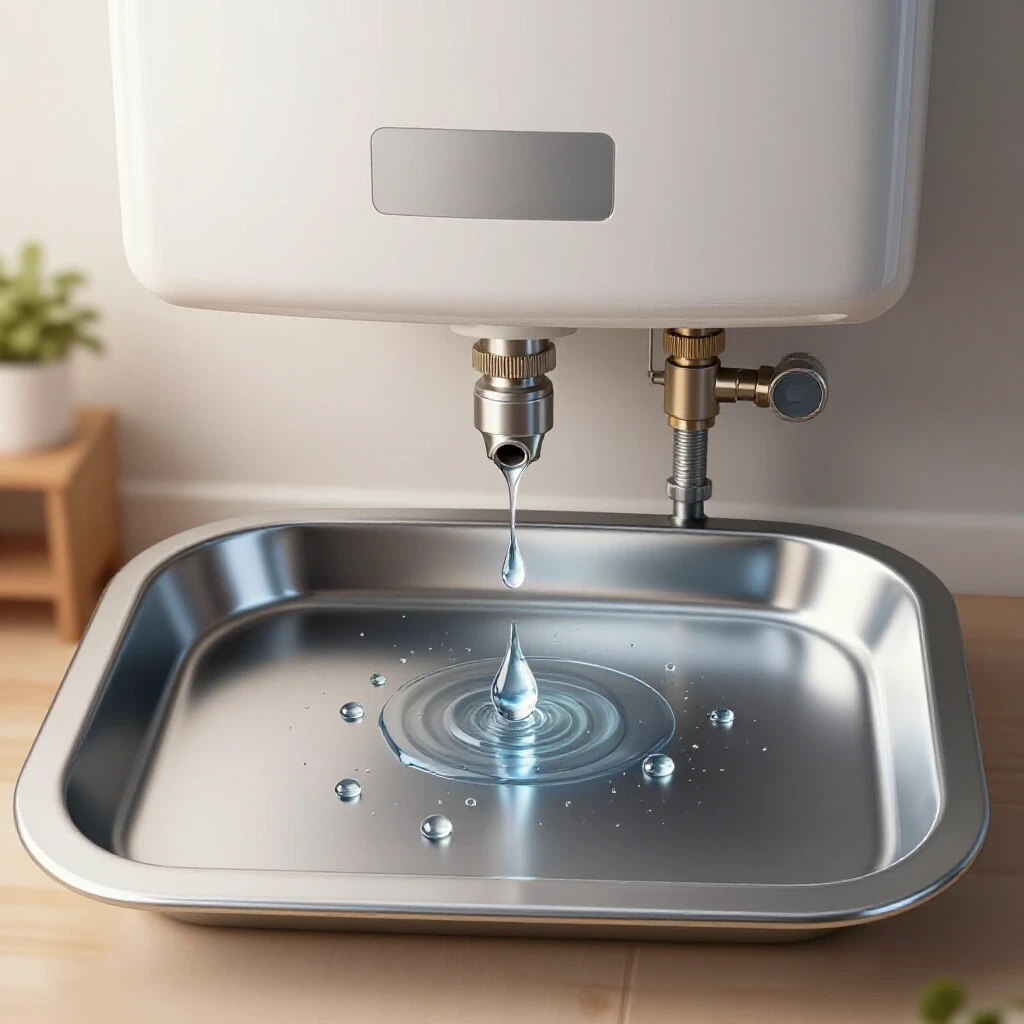
- Test Your Drainage: If using a hose, pour a little water into the tray to ensure it flows freely to the drain.
- Set the Target: Aim for 45-50% RH. Setting it lower is often unnecessary and wastes energy.
FAQs on Residential Moisture Control
How do I know if a portable unit is enough for my basement? If the moisture is primarily from high humidity and minor wall seepage, a high-capacity portable unit is usually sufficient. However, if you have standing water or active leaks during rain, you must address the exterior drainage and foundation issues first.
Where is the best place to position the unit? Place it in the center of the dampest area, but ensure there is plenty of space for airflow. Avoid placing it tucked behind a furnace or near a wall where the intake or exhaust might be blocked.
Can I use a portable unit in a crawlspace? Yes, but it must be rated for lower temperatures if the crawlspace is unconditioned. Standard units may freeze up if the temperature drops below 60°F. Look for a model with an “auto-defrost” feature.
How much will my electricity bill increase? These units use a compressor, similar to a small air conditioner. While it varies, running a 50-pint unit continuously can add $15 to $30 per month to your bill, depending on your local rates. Using a timer or the built-in humidistat can help manage costs.
Why does my unit keep freezing up? This usually happens if the air filter is dirty, restricting airflow, or if the room temperature is too cold. Clean the filter and check if the unit has an auto-defrost cycle.
What is the difference between a compressor and a desiccant unit? Compressor units are more common and efficient in warm, humid conditions. Desiccant units are better for very cold environments (like unheated garages) but are generally less common for standard basement use.
How often should I replace the filter? Most filters are permanent and just need cleaning. I recommend checking them every two weeks in high-use seasons and washing them with warm, soapy water every month.
What should I do if the musty smell persists? If the RH is below 50% and the smell remains, the moisture may be trapped inside porous materials like old carpeting, drywall, or cardboard boxes. You may need to remove these items to fully eliminate the odor.
Is it safe to leave the unit running when I am not home? Yes, provided the unit is plugged directly into a wall outlet and the drainage system is secure. Modern units have overheat protection and auto-shutoff features for safety.
Can I vent the exhaust air outside? It is generally not necessary or recommended for portable units. The exhaust air is dry and slightly warm, which actually helps lower the relative humidity of the room.
How do I clean the water tank if I am not using a drain hose? Wash the tank with a mixture of water and a small amount of dish soap or white vinegar every two weeks to prevent biofilm and slime buildup.
What is the ideal humidity for protecting wood furniture and floors? Maintaining a range between 40% and 55% is ideal. Anything higher can cause wood to swell and mold to grow, while anything much lower can cause wood to shrink and crack.
(This article was written by one of our staff writers, Daniel Whitaker. Visit our Meet the Team page to learn more about the author and their expertise.)