How to Fix or Replace a Rusty Shower Rod (Step-by-Step Guide)

Describing craftsmanship often begins with the realization that a home is a collection of interlocking systems. For 17 years, I have walked through older properties, looking past the surface to see how moisture, air, and materials interact. My time as a facilities technician taught me that a small spot of orange on a metal fixture is rarely just a cosmetic flaw. It is a diagnostic signal. In the high-humidity environment of a residential bathroom, metal hardware is constantly under attack from oxidation. Understanding whether to restore a corroded rod or replace it entirely requires a systematic approach rooted in building science.
When I managed legacy structures, I learned that water does not just sit on a surface; it acts as a catalyst for chemical change. In a bathroom, steam rises and condenses on cooler metal surfaces. If the protective plating on a steel rod is compromised, the underlying iron reacts with oxygen and water to form iron oxide. This is what we commonly see as rust. Over time, this process can weaken the tension that holds the rod in place, potentially leading to a mechanical failure. My goal is to help you diagnose these issues early so you can maintain structural protection without spending more than necessary.
Understanding Metal Oxidation in High-Humidity Zones
Oxidation is a chemical process where metal loses electrons to oxygen, leading to surface degradation. In bathrooms, high relative humidity (RH) acts as a catalyst, turning small scratches into deep pits of iron oxide. This process weakens the structural integrity of thin-walled bathroom fixtures over time.
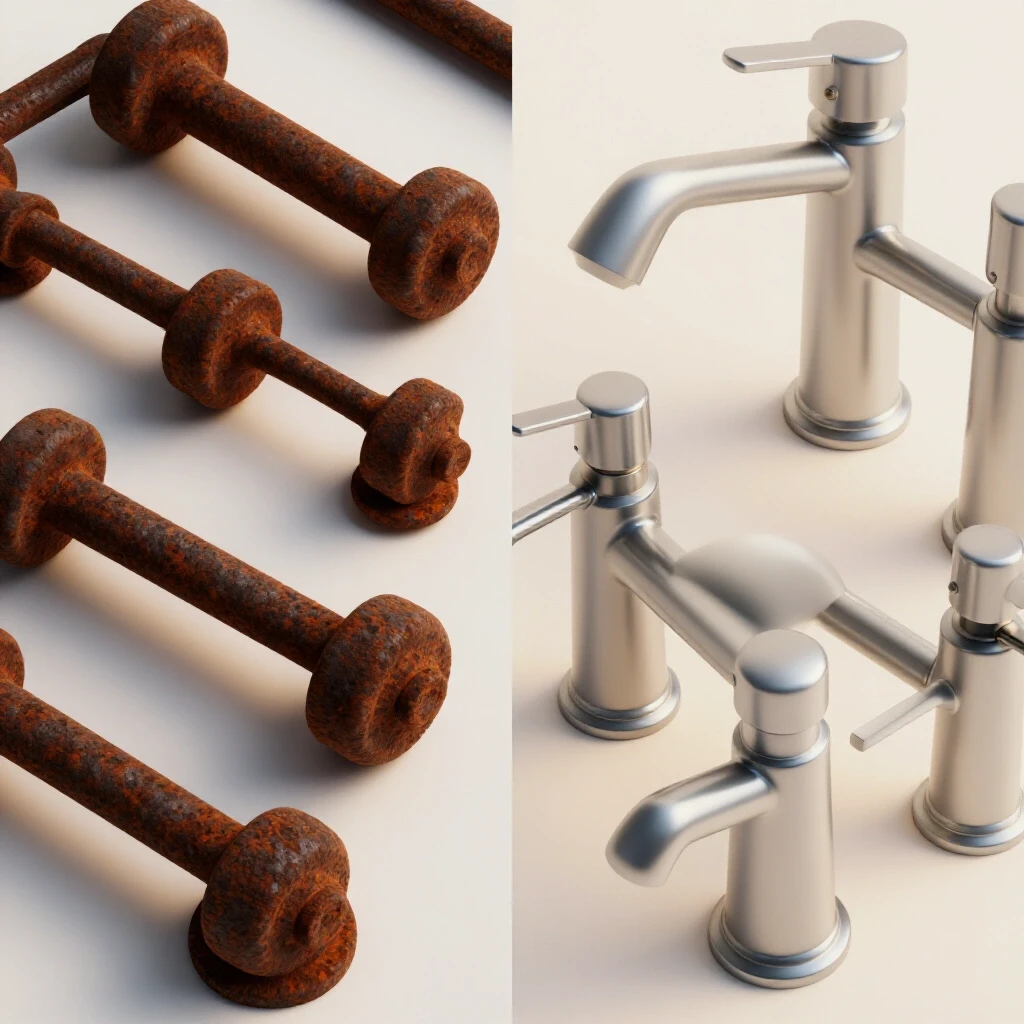
To address these issues, we must first understand the “why” behind the failure. Most budget-friendly bathroom hardware is made of carbon steel with a thin layer of chrome or nickel plating. If you use a harsh abrasive cleaner, you create micro-scratches in that plating. These scratches allow moisture to reach the raw steel. Once the oxidation starts, it expands, lifting the surrounding plating and creating a rough, flaky surface that can snag shower curtains.
In my years of residential diagnostics, I have found that the local environment dictates the speed of this decay. A bathroom with a low-CFM (cubic feet per minute) exhaust fan will maintain a high RH for hours after a shower. This extended “time of wetness” is the primary driver of hardware failure. By monitoring your home for signs of wear, such as these orange spots, you are practicing preventative home care that saves money in the long run.
Diagnostic Steps for Evaluating Surface Degradation
This diagnostic phase involves physical and visual inspections to determine the depth of corrosion. By identifying whether the damage is superficial or structural, homeowners can decide if restoration is viable. Accurate assessment prevents the failure of tension-based mounting systems that rely on metal strength.
Before you decide to pick up a scrub brush or a screwdriver, you need to know what you are dealing with. I always start with a “wipe test.” Use a damp microfiber cloth to clean the area. If the orange staining disappears and the metal underneath is smooth, you are likely looking at mineral deposits from hard water rather than true oxidation. However, if the surface feels gritty or “bumpy,” the metal itself is changing.
The Pitting Test for Structural Integrity
Pitting is a localized form of corrosion that creates small holes or cavities in the metal surface. This test uses a fine-point tool to check if the oxidation has penetrated the core of the material. If the tool breaks through the surface, the fixture is no longer safe for use.
To perform this test, I use a small awl or even a heavy-duty needle. Gently press the tip into the center of a rusted area. If the metal feels soft or if the tip sinks into a hole, the structural integrity is gone. This is especially dangerous for tension rods, which rely on the outward pressure of the metal tube to stay upright. A pitted tube can buckle under the weight of a heavy wet curtain.
| Symptom | Root Cause | Severity | Recommended Action |
|---|---|---|---|
| Surface orange haze | Hard water minerals or flash rust | Low | Clean and wax |
| Bubbling under the plating | Subsurface oxidation starting | Medium | Sand and recoat |
| Deep pits or holes | Structural metal loss | High | Immediate replacement |
| Flaking metal shards | Advanced galvanic corrosion | High | Immediate replacement |
Comparing Restoration Techniques Against Full Replacement
This evaluation weighs the time and material costs of removing oxidation versus the expense of installing a new fixture. Restoration involves mechanical abrasion and chemical stabilization. Replacement involves selecting materials with higher corrosion resistance, such as 304-grade stainless steel, to prevent future failures.
Deciding between a fix and a replacement is a matter of economics and physics. If a high-quality rod is original to an older home, it might be made of heavy-gauge brass or thick-walled steel that is worth saving. If it is a modern, thin-walled tension rod from a big-box store, the cost of the sandpaper and paint might exceed the price of a new unit. I generally follow the rule that if more than 15% of the surface is affected by deep pitting, replacement is the more efficient path.
Mechanical Removal of Iron Oxide
Mechanical removal uses abrasive materials to physically strip away rust layers until the base metal is exposed. This step is critical for preparing a surface for protective coatings. Using the wrong abrasive can create deep scratches that encourage future corrosion cycles.
If you choose to fix the issue, you must be thorough. I recommend using 0000-grade steel wool or a fine-grit sanding sponge. Always sand in the direction of the metal’s grain if it is visible. The goal is to reach “white metal,” which is the shiny, unoxidized layer beneath the rust. Wear a dust mask during this process; you do not want to inhale fine metal particles or dried plating flakes.
Chemical Neutralization and Protective Coating
Chemical neutralization uses mild acids or specialized converters to stop the oxidation process at a molecular level. Following this with a moisture-resistant coating creates a barrier between the metal and the bathroom air. This dual-layer approach extends the lifespan of older, legacy hardware.
Once the metal is clean, it is still vulnerable. I often use a 50/50 mix of white vinegar and water to neutralize any remaining microscopic oxidation. After drying the rod completely—using a heat gun or hair dryer to ensure no moisture remains in the pits—apply a thin coat of paste wax or a clear, rust-inhibiting spray. This creates a hydrophobic barrier that sheds water before it can react with the metal.
Selecting Materials for Long-Term Moisture Resistance
Material selection is the foundation of preventative home care in damp environments. Different metals react differently to moisture, with stainless steel and aluminum offering superior resistance compared to chrome-plated carbon steel. Understanding these differences helps homeowners avoid repeating the same maintenance issues every few years.
If your diagnostic test leads to a replacement, do not just buy the cheapest option. Look for “304 Stainless Steel” on the packaging. This grade of steel contains chromium and nickel, which form an invisible, self-healing oxide layer on the surface. Unlike chrome plating, which can flake off, the protection in stainless steel goes all the way through the material.
Aluminum is another excellent choice for bathroom environments. It does not rust in the traditional sense, though it can develop a dull white oxidation over time. For older homes where you want to maintain a specific aesthetic, look for solid brass fixtures. While they are more expensive, they can be polished and restored for decades, fitting the “buy once, cry once” philosophy of home maintenance.
Systematic Installation and Moisture Control
A proper installation ensures that the fixture does not damage the surrounding walls and remains stable under load. This process involves checking for level, ensuring proper tension or secure mounting, and sealing entry points. Moisture control in the wider bathroom environment further protects the new or restored hardware.
When installing a new rod, I always check the wall surface first. In older homes, plaster can be brittle. If you are using a tension rod, ensure the rubber end caps are clean and pliable. If they are hard or cracked, they will not grip the wall properly, leading to slippage that can scratch your tile or paint. For screw-mounted rods, I use stainless steel screws rather than the zinc-plated ones often included in the box. Zinc screws will rust quickly in a shower environment, eventually staining your grout or drywall.
- Measure the opening: Measure at the height where the rod will sit. Walls in older homes are rarely perfectly parallel.
- Clean the mounting points: Remove old soap scum or wax from the tile so the rod has a firm grip.
- Level the rod: Use a small torpedo level. A slanted rod puts uneven pressure on the mounting brackets.
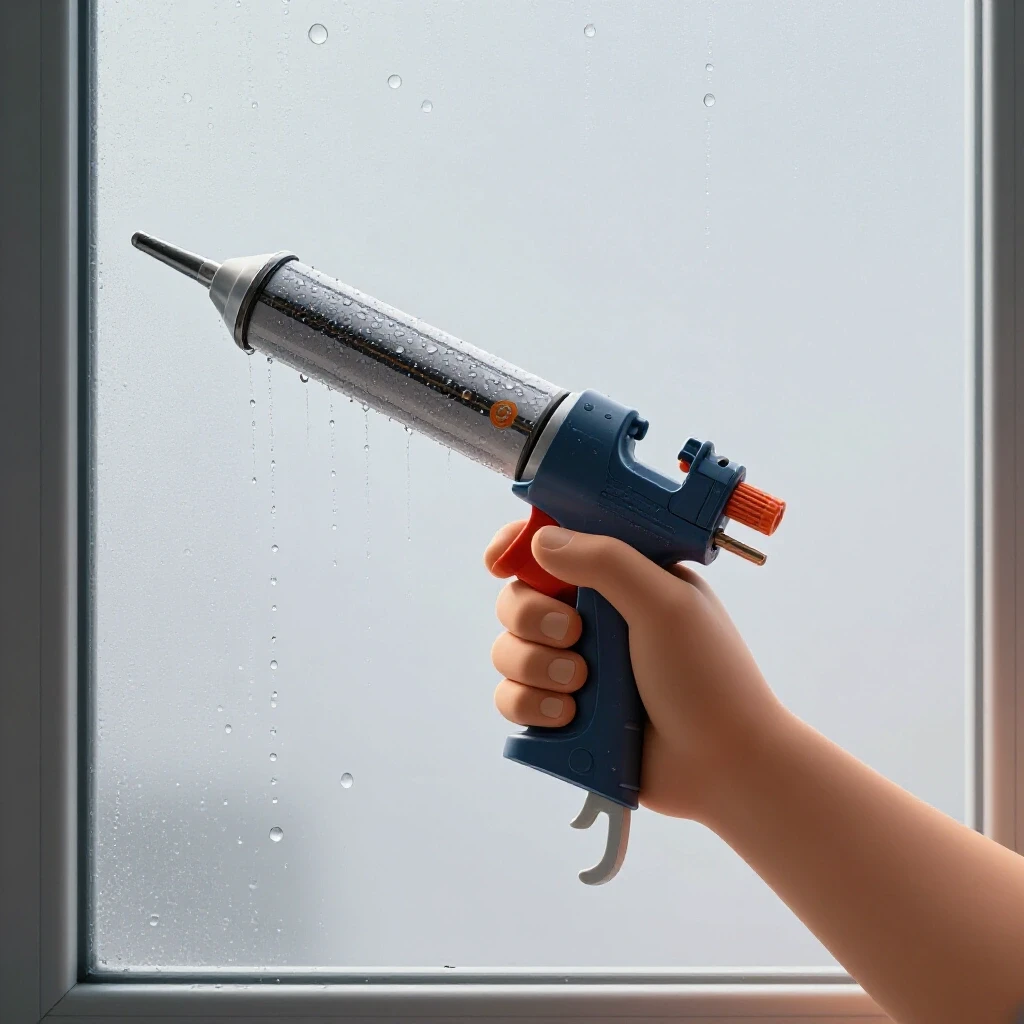
- Seal the gaps: If using a screw-in bracket, apply a small bead of silicone caulk around the edge where the bracket meets the wall to prevent water from seeping behind the tile.
Preventative Maintenance for Bathroom Hardware
Preventative maintenance is a scheduled approach to cleaning and inspecting fixtures to stop issues before they require major intervention. Regular wipe-downs and humidity control are the primary defenses against oxidation. This proactive strategy protects the building’s interior aesthetics and mechanical functionality.
Your home maintenance checklist should include a quick look at your bathroom hardware every six months. I recommend a simple “dry-down” routine. After the last shower of the day, use a towel to wipe the top of the rod. This prevents water from sitting in the “valleys” of the rod’s surface. Additionally, check your bathroom fan’s performance. A simple test is to hold a single square of toilet paper up to the fan intake while it is running. If the fan can’t hold the paper in place, it isn’t moving enough air to protect your fixtures from moisture.
- Monthly: Wipe down the rod with a damp cloth and dry it immediately.
- Every 6 Months: Inspect for new scratches or “bubbling” in the finish.
- Annually: Apply a fresh coat of car wax or paste wax to the metal surface.
- As Needed: Lubricate shower curtain rings with a silicone spray to prevent them from scratching the rod as they slide.
DIY vs. Replacement Scope Limits
Knowing when to stop a repair is just as important as knowing how to start one. Some situations require a change in strategy to prevent damage to the home’s envelope or structural components. If the hardware is failing because of a larger issue, like a leaking pipe behind the wall, a new rod will not solve the problem.
| Task | DIY Feasibility | Risk Level | Tool Requirement |
|---|---|---|---|
| Surface rust removal | High | Low | Steel wool, vinegar |
| Recoating/Painting | Medium | Low | Spray paint, mask |
| Tension rod replacement | High | Low | Tape measure |
| Permanent bracket install | Medium | Medium | Drill, tile bits, level |
| Structural wall repair | Low | High | Professional masonry tools |
Required Tools for Hardware Diagnostics and Repair
To perform these tasks safely and effectively, you need a specific set of tools. These items allow you to measure, clean, and protect the metal surfaces without causing collateral damage to your bathroom.
- Torpedo Level: Essential for ensuring the rod is horizontal.
- Fine-Grit Sanding Sponge (220 grit): Better for curved surfaces than flat sandpaper.
- 0000 Grade Steel Wool: The finest grade for polishing without deep scratching.
- Microfiber Cloths: For cleaning and applying wax without leaving lint.
- Paste Wax or Carnauba Wax: Provides a long-lasting moisture barrier.
- Stainless Steel Screws: For permanent mounts to prevent future rust streaks.
- Silicon-Based Lubricant: To keep curtain rings moving smoothly.
- Digital Hygrometer: To monitor bathroom humidity levels (aim for under 50% RH).
By following these systematic steps, you can effectively manage the hardware in your home. Whether you choose to restore a piece of legacy metal or replace it with a modern, high-resistance material, the key is early detection and consistent care. This proactive approach is the best defense against the slow, silent damage caused by moisture in the home.
Frequently Asked Questions
How can I tell if my shower rod is stainless steel or just chrome-plated? A simple way to check is with a magnet. Most 300-series stainless steel (like 304) is non-magnetic or only very weakly magnetic. If a magnet sticks firmly to the rod, it is likely chrome-plated carbon steel, which is much more prone to rusting once the plating is scratched.
Can I use WD-40 to remove rust from the metal? WD-40 is a water displacer and can help loosen surface rust, but it is not a long-term fix. It leaves a thin oily residue that can attract dust and eventually wash away. For a permanent repair, you must mechanically remove the rust and apply a hard wax or a specialized metal sealant.
Is it safe to paint a rod that has already started to flake? You can paint it, but only after removing all loose flakes and sanding the metal down to a smooth, clean surface. If you paint over active rust, the oxidation will continue underneath the paint, causing the new finish to bubble and peel within a few months. Use a rust-inhibiting primer for the best results.
Why does my new “rust-proof” rod have orange spots after only six months? This is often “tea staining.” It occurs when iron particles from your water supply or from the tools used during installation sit on the surface of the stainless steel and rust. It doesn’t mean the rod is failing; usually, these spots can be wiped away with a mild acidic cleaner like lemon juice or vinegar.
What is the best way to prevent curtain rings from scratching the rod? Look for “rollerball” shower curtain rings. These have small bearings that roll along the top of the rod rather than sliding. Sliding metal-on-metal creates micro-scratches that are the primary entry point for moisture and subsequent oxidation.
How much weight can a standard tension rod safely hold? Most standard tension rods are rated for 10 to 30 pounds. However, as rust thins the metal walls, this capacity drops significantly. If your rod is bowing or if you notice the tension spring feels “crunchy” when you adjust it, it is time to replace it before it falls.
Does vinegar actually stop rust? Vinegar contains acetic acid, which reacts with iron oxide to dissolve it. It is excellent for cleaning surface rust, but it also strips away any remaining protective oils. You must always rinse the vinegar off, dry the metal completely, and apply a new protective coating like wax immediately after.
Are curved shower rods more prone to rusting than straight ones? The shape itself doesn’t cause rust, but the installation often does. Curved rods are usually screw-mounted. If the installers didn’t seal the screw holes or used cheap zinc screws, moisture can get into the wall and the ends of the rod, leading to “crevice corrosion” where the rod meets the bracket.
What humidity level should I maintain in my bathroom? For structural protection and hardware longevity, you should aim to bring the bathroom humidity below 50% within 20 to 30 minutes after a shower. If your bathroom stays “steamy” for an hour or more, your exhaust fan is likely undersized or the ductwork is clogged.
Can I use aluminum foil to scrub off the rust? Yes, this is a common technician’s trick. Crumpled aluminum foil dipped in water creates a chemical reaction with the rust (iron oxide) and acts as a mild abrasive that is softer than the steel itself. It can be very effective for light surface rust, but it won’t fix deep pitting.
What is the average lifespan of a chrome-plated steel rod? In a poorly ventilated bathroom, you might see signs of wear in 2 to 5 years. In a well-ventilated space with regular maintenance, they can last 10 years or more. Stainless steel or solid brass options can easily last 20 to 30 years with basic care.
(This article was written by one of our staff writers, Daniel Whitaker. Visit our Meet the Team page to learn more about the author and their expertise.)