How to Fix a Bathroom Floor Leak: Step-by-Step Guide (With Tips)

According to the Environmental Protection Agency, the average household’s leaks can account for nearly 10,000 gallons of water wasted every year. For those of us living in older homes, these leaks often manifest as mysterious damp spots on a first-floor ceiling or a softening of the floorboards around a second-story commode. During my 17 years maintaining legacy properties, I have learned that water is a patient traveler, often taking the path of least resistance through floor joists and subflooring before it ever reveals itself to the eye.
I remember a specific case in a 1920s Tudor where a small, recurring damp patch appeared in the kitchen ceiling. The homeowner was convinced the roof was failing, but my investigation led me directly to the bathroom above. By applying a systematic approach to residential diagnostics, I discovered that a simple failure in the caulking around the bathtub was allowing water to migrate behind the tile and down through the floorboards. This experience reinforced a core principle of preventative home care: the source of the moisture is rarely directly above the spot where you see the stain.
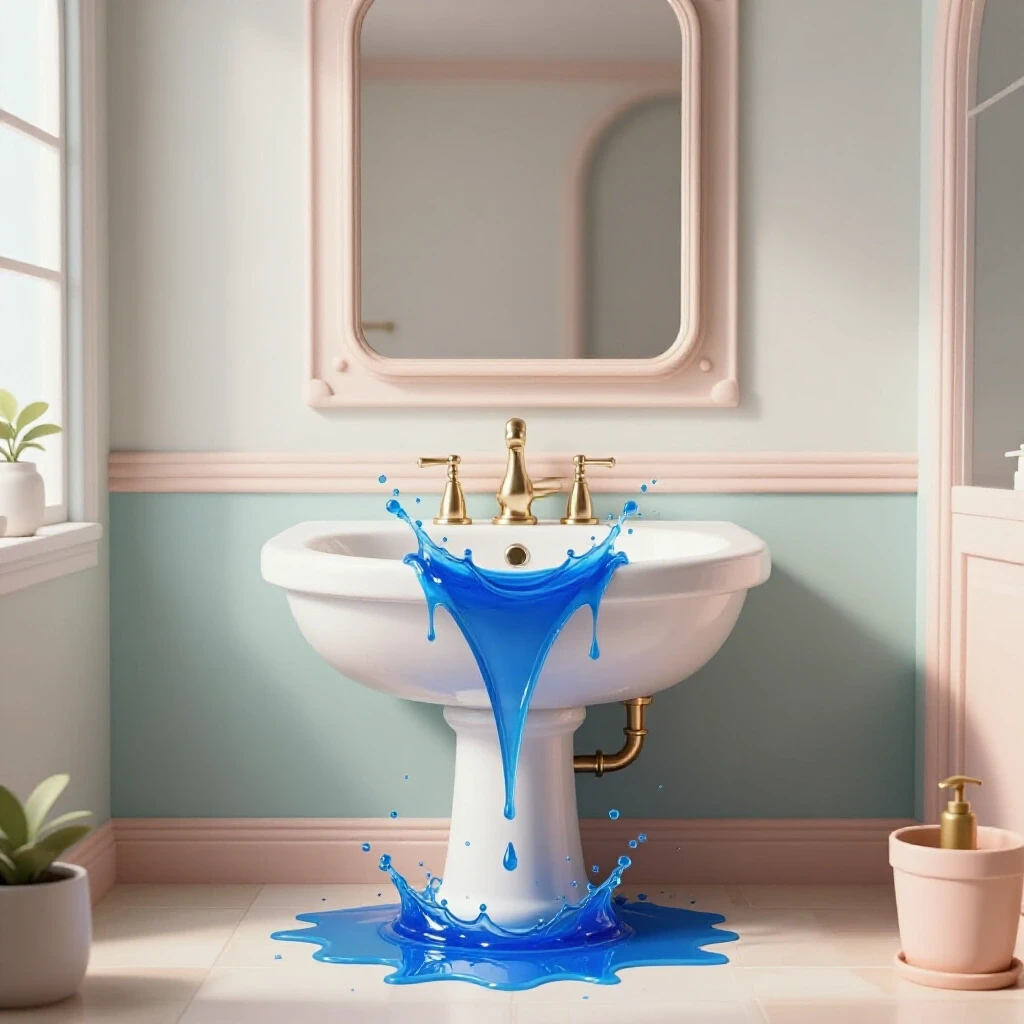
The Science of Fluid Dynamics in Residential Structures
Building science is the study of how moisture, air, and heat interact with a building’s physical materials and systems. Understanding this field is essential because it explains why water does not always move in a straight line, often being influenced by gravity, surface tension, and the porous nature of wood and plaster.
When water escapes a bathroom fixture, it follows the laws of gravity, but it is also subject to capillary action. Capillary action is the ability of a liquid to flow in narrow spaces without the assistance of, or even in opposition to, external forces like gravity. This means a drip can travel horizontally along a copper pipe or a wooden joist for several feet before finally dropping onto the ceiling below. In older homes, where floor levels may have shifted, this migration can be even more unpredictable.
Capillary Action and Porous Substrates
Capillary action occurs when the adhesion to the walls of a material is stronger than the cohesive forces between the liquid molecules. In a home, this means water can be “sucked” into the tiny pores of unfinished lumber or the gaps between subfloor planks, making moisture detection a challenge.
When moisture enters a porous material like a plywood subfloor or a lath-and-plaster ceiling, it spreads outward in a circular or oval pattern. I have found that tracking the “tide marks” or the salt deposits left behind, known as efflorescence, can help determine the age and frequency of the intrusion. If the wood feels “spongy” or exceeds a 20% moisture content, the structural protection of the home is at risk, as this environment encourages the breakdown of wood fibers.
Essential Tools for Residential Diagnostics and Moisture Detection
Residential diagnostics involve using specialized tools to identify the presence of moisture and the failures in a building’s envelope or internal systems. These tools allow a homeowner to see beyond the surface of the drywall or tile to find the hidden pathways that water follows through the floor.
To perform a thorough investigation, you do not need a truckload of equipment, but you do need accuracy. I always carry a few specific items when I suspect water is moving between levels. These tools help turn a guess into a data-backed observation, which is the cornerstone of any effective home maintenance checklist.
- Pinless Moisture Meter: This device uses electromagnetic signals to measure the moisture content of wood and masonry without poking holes. A reading of 5% to 12% is generally considered dry for interior wood.
- LED Inspection Flashlight: A high-lumen light held at an angle (raking light) can reveal subtle bubbling in paint or warping in floorboards that a standard overhead light misses.
- Non-Contact Infrared Thermometer: Water is typically cooler than the surrounding structure due to evaporation. A sudden drop in surface temperature on a ceiling often indicates an active wet spot.
- Borescope Camera: A small, flexible camera that can be inserted into a 1/2-inch hole in the ceiling to view the “dark side” of the floor above.
- Calibrated Measuring Tape: Used to map the exact location of a ceiling stain and translate that measurement to the floor in the room above.
| Symptom | Potential Root Cause | Diagnostic Action |
|---|---|---|
| Yellow/Brown Ceiling Ring | Intermittent fixture overflow | Check grout and caulk lines |
| Peeling Paint Near Floor | Failing wax ring at toilet base | Perform a “dye test” in the tank |
| Buckling Vinyl or Tile | Slow seepage from supply line | Use moisture meter on subfloor |
| Musty Odor in Cabinet | P-trap or sink rim failure | Inspect under-sink area with flashlight |
Step-by-Step Investigation of Surface-Level Water Intrusion
Investigating water movement through a floor requires a methodical sequence to rule out various sources without causing unnecessary damage to the property. This process begins with a visual audit of the most common failure points, such as seals, gaskets, and joints where different materials meet.
When I begin an investigation, I start with the “dry test.” I ensure all fixtures are off and the floor is completely dry. Then, I introduce water to one specific area at a time. For example, I might run the sink for five minutes while watching the ceiling below. If nothing happens, I move to the shower floor, then the toilet. This isolation method is the most reliable way to create a plumbing repair guide for your specific situation.
Identifying Failures in the Toilet Interface
The wax ring is the primary seal between the toilet and the closet flange, and it is a common point of failure in older homes where the floor may flex. If the toilet “rocks” even slightly when you sit on it, the seal has likely been compromised, allowing water to seep into the subfloor every time the unit is flushed.
To test this, dry the floor around the base of the toilet completely. Place a few sheets of colored tissue paper around the base and flush the toilet several times. If the tissue dampens or changes color, the seal is failed. I have seen subfloors completely rot out because a homeowner ignored a tiny bit of moisture at the base of the commode, thinking it was just “sweat” from the tank.
Evaluating Grout and Silicone Integrity
Grout is a cement-based product that, unless sealed, is naturally porous; silicone caulk is a flexible barrier that eventually loses its adhesion to smooth surfaces like tubs and tiles. In my experience, 60% of moisture migration issues in bathrooms stem from a 1/8-inch gap in the caulking where the tub meets the floor or the wall.
- The Squeeze Test: Press your thumb against the caulk line around the base of the tub. If water beads out from behind the bead, the seal is “back-loading” with moisture.
- The Visual Grout Check: Look for tiny pinholes or “hairline cracks” in the grout lines of the shower floor. Water can enter these cracks via surface tension and travel under the tile.
- The Rim Leak: Check where the sink meets the countertop. If the seal is broken, water splashed during handwashing can run down the cabinet wall and into the floor structure.
Temporary Containment and Aesthetic Surface Restoration
Once the pathway of the water is identified, the focus shifts to temporary containment and restoring the visual harmony of the space. Containment involves stopping the immediate spread of moisture to prevent further saturation of the wood, while aesthetic restoration uses DIY crafts to hide the evidence of the investigation.
For containment, I often recommend using a high-quality silicone sealant as a temporary “patch” over cracked grout or failing caulk. This is not a permanent fix, but it can buy you time. If you have a ceiling stain, once the area is confirmed dry (below 15% moisture content), you can use a stain-blocking primer. These primers are formulated to seal in the tannins and salts that cause the yellowing, preventing them from bleeding through your new coat of paint.
DIY Aesthetic Fixes for Flooring and Ceilings
If a section of flooring has been damaged or a small hole was cut for a borescope, you can use creative methods to restore the look of the room. For older hardwood floors, a blend of wood putty and sawdust from a hidden area (like inside a closet) can create a nearly invisible patch.
- Grout Pens: These are excellent for refreshing the look of stained grout once the underlying moisture issue is resolved.
- Decorative Medallions: If a hole was cut in a ceiling to investigate a joist, a decorative light medallion can be used to cover the repair if it sits near a fixture.
- Waterproof Vinyl Planks: In cases where a small area of the floor is permanently discolored, a “rug” pattern of waterproof vinyl can be laid over the existing floor as a design choice that adds a layer of protection.
- Caulk Smoothing Tools: Using a dedicated tool instead of a finger ensures a concave bead that sheds water more effectively away from the joint.
Building a Multi-Year Preventative Home Care Plan
A preventative home care plan is a scheduled approach to inspecting and maintaining the various systems of a house to prevent minor wear from becoming a major failure. For moisture control, this means moving from a reactive “find the leak” mindset to a proactive “maintain the seals” strategy.
I recommend homeowners keep a logbook of when seals were last replaced. In my 17 years of facility work, I found that silicone caulk in a high-use bathroom generally lasts 3 to 5 years before the bond begins to fail. By replacing it on a schedule, you never give the water a chance to find a way through the floor.
Quarterly and Annual Maintenance Checklists
A home maintenance checklist should be broken down by frequency to ensure nothing is overlooked. For an older property, the focus should be on the areas where different materials meet, as these are the most likely to expand and contract at different rates, breaking their seals.
- Quarterly: Check the “feel” of the toilet. If it moves, tighten the bolts or plan to replace the wax ring. Inspect the underside of the sink with a flashlight for slow drips.
- Bi-Annually: Inspect all grout lines in the shower. Look for “chalking” or crumbling grout, which indicates it is time for a refresh.
- Annually: Use a moisture meter to check the baseboards in the bathroom and the ceiling in the room below. Establish a baseline reading so you can detect changes over time.
| Task | Frequency | Estimated Time | Tool Needed |
|---|---|---|---|
| Silicone Seal Inspection | Every 6 Months | 15 Minutes | Flashlight |
| Toilet Dye Test | Annually | 30 Minutes | Food Coloring |
| Grout Integrity Check | Every 6 Months | 20 Minutes | Plastic Scraper |
| Ceiling Moisture Scan | Annually | 10 Minutes | Moisture Meter |
Conclusion: Taking the First Steps Toward Structural Protection
The key to managing an older home is not to fear the systems but to understand them. When you notice moisture migrating through a floor, it is an invitation to learn more about your home’s construction and the way it handles the elements. By using residential diagnostics and following a systematic investigation, you can address the root cause of the issue with precision.
Your next step should be a simple visual audit. Grab a high-powered flashlight and spend twenty minutes looking at every joint, seal, and fixture in your bathroom. Look for the tiny signs—the slight ripple in the wallpaper, the darkened grout, or the bolt that feels a little too loose. These are the clues that, when addressed early, keep your home dry and your repair bills manageable.
Frequently Asked Questions
How can I tell if a ceiling stain is old or active? The most reliable method is to use a moisture meter. An active leak will typically show a moisture content above 15-20%. If you don’t have a meter, lightly circle the stain with a pencil. If the stain grows beyond the pencil line after the next time the bathroom is used, the leak is active.
Can water travel horizontally across a ceiling? Yes, frequently. Due to surface tension and the slope of joists, water can travel several feet from the source before it pools and drips. Always investigate a radius of at least five to ten feet around the spot where the stain appears.
What is the “cup test” for shower drains? The cup test involves plugging the shower drain and pouring a small amount of water specifically around the drain flange using a cup. This helps determine if the leak is in the drain’s seal to the shower pan rather than the pipes themselves.
Is it normal for a bathroom floor to be slightly damp? No. While bathrooms are high-moisture environments, the floor should remain dry. Persistent dampness usually indicates a failure in the shower curtain, a splash-over from the tub, or a slow seep from a fixture base.
How do I dry out a subfloor after a leak? Once the source is stopped, use a dehumidifier and floor fans to circulate air. If the underside of the floor is accessible from a basement or crawlspace, removing insulation can speed up the drying process. Do not seal the floor until moisture levels are below 12%.
What does a yellow ring on the ceiling mean? The yellow or brown color is caused by surfactants and minerals in the building materials (like the paper on drywall or the tannins in wood) being dissolved by water and then deposited on the surface as the water evaporates.
Can I use regular caulk to fix a bathroom seal? You should only use 100% silicone or a high-quality “tub and tile” caulk. Regular painters’ caulk is not flexible or waterproof enough to withstand the constant expansion and contraction of a bathroom environment.
How do I know if my toilet wax ring has failed? Signs include a wobbling toilet, a sewer gas smell, or water appearing at the base after a flush. If the floor around the toilet feels soft or the vinyl is bubbling, the wax ring is a primary suspect.
What is the best way to hide a water stain on a ceiling? After the leak is stopped and the area is dry, apply a shellac-based or oil-based stain-blocking primer. Once dry, you can paint over it with standard ceiling paint. Water-based primers often fail to hide the stain, allowing it to “bleed” through.
How often should I reseal my bathroom grout? In a typical household, grout should be cleaned and resealed every 1 to 2 years. This maintains the water-shedding capabilities of the surface and prevents moisture from reaching the subfloor.
(This article was written by one of our staff writers, Daniel Whitaker. Visit our Meet the Team page to learn more about the author and their expertise.)