How to Remove Ceiling Texture: Step-by-Step Guide (DIY Tips)

In the world of residential renovation planning, technology has changed how we approach even the messiest tasks. I remember my first major project where we guessed the moisture levels in a ceiling by touch. Today, I use digital moisture meters and laser levels to map out the work. These tools allow us to see exactly how water is penetrating the old material before we ever lift a scraper. This data-driven approach is a far cry from the “spray and pray” methods of the past.
Mastering the Scope of Interior Surface Refinement
Defining the scope of work means setting clear boundaries for the project area to ensure every square foot of the ceiling is accounted for. This involves measuring the total surface area and identifying any obstacles like light fixtures or HVAC vents. A precise scope prevents the project from creeping into rooms that were meant to remain untouched.
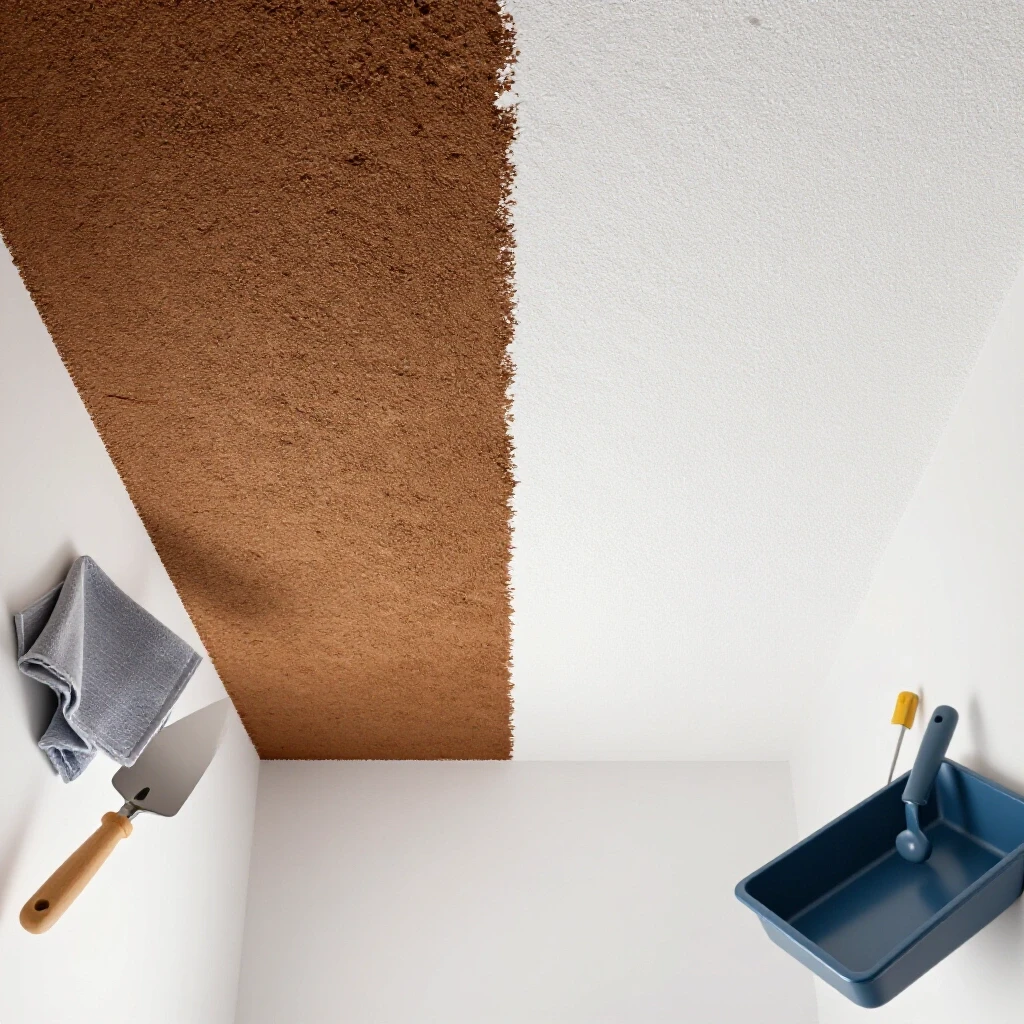
When I coordinated my second full-home renovation, I learned that a vague scope is the fastest way to lose control of a schedule. I now treat every room as a separate zone. For a standard 12×12 bedroom, you are looking at 144 square feet of surface area. In a whole-house remodel, these numbers add up quickly. I suggest creating a spreadsheet that lists each room, its square footage, and any specific challenges like vaulted peaks or tight corners.
- Measure each room twice to ensure accuracy.
- Identify all ceiling-mounted hardware that needs removal.
- Note the height of the ceilings to determine if scaffolding is necessary.
- Document the existing texture type to estimate the labor intensity.
Integrating Surface Stripping into the Construction Sequence
Construction sequencing is the art of ordering tasks so they do not interfere with one another. For removing old ceiling finishes, this must happen after any structural demolition but before new flooring is installed. Getting this order wrong can lead to ruined materials and hours of unnecessary cleaning.
In my 18 years of experience, I have seen many homeowners try to do this last. That is a mistake. The process is incredibly messy and involves a significant amount of water. Building on this, I always schedule the stripping phase immediately after the “rough-in” stage. This is when the plumbing and electrical wires are inside the walls but the drywall is still exposed. This timing ensures that any water runoff doesn’t damage finished surfaces.
Renovation Phase Sequencing Table
| Phase | Activity | Impact on Ceiling Work |
|---|---|---|
| Phase 1 | Structural Demolition | Must be finished to avoid dust contamination. |
| Phase 2 | Rough-In Utilities | Complete all overhead wiring before stripping. |
| Phase 3 | Texture Removal | The ideal window for manual labor. |
| Phase 4 | Wall Preparation | Follows stripping to ensure seamless transitions. |
| Phase 5 | Floor Installation | Must occur after all ceiling work is complete. |
Technical Tool Requirements for Manual Texture Stripping
Having the right home remodeling tips often starts with the right equipment. To facilitate a systematic stripping process, you need mechanical aids that allow for consistent pressure without gouging the drywall. The goal is to remove the texture while leaving the paper face of the gypsum board intact.
Interestingly, the most important tool isn’t the scraper itself, but the delivery system for the water. I prefer a pressurized garden sprayer with a fine mist nozzle. This allows for even saturation. For the actual removal, a 6-inch or 10-inch floor scraper with a flexible blade works best. The flexibility of the blade helps it glide over the drywall tape and fasteners rather than catching on them.
- Pressurized pump sprayer (2-gallon capacity).
- Flexible wide-blade scrapers.
- Adjustable pole sander for high reach.
- Industrial-grade plastic sheeting (6-mil thickness).
- High-intensity work lights to spot missed spots.
- Heavy-duty putty knives for corner work.
Site Containment and Environmental Management
Creating a sealed environment is vital to contain debris and moisture during the process. This ensures that the rest of the home remains habitable and that the dust does not migrate into the HVAC system. Proper containment is the difference between a controlled project and a household disaster.
During a kitchen remodel, I once saw a project where the plastic sheeting failed. The wet, chalky residue ended up inside the kitchen cabinets. As a result, I now use the “double-bag” method for rooms. I line the floors with heavy plastic, then run a second layer of plastic up the walls, taping it securely at the top. This creates a “tub” that catches every drop of water and every flake of texture.
- Turn off the HVAC system and seal all vents with plastic and tape.
- Overlap plastic floor seams by at least 12 inches.
- Use painter’s tape on the walls to avoid peeling the wall paint.
- Create a “decontamination zone” at the door to wipe feet before leaving the room.
The Step-by-Step Manual Removal Process
The physical application of moisture and manual force is a rhythmic process that requires patience. You must allow the water to do the work of breaking the bond between the texture and the ceiling. Rushing this step usually leads to damaged drywall that requires extensive repair later.
I follow a “section-by-section” strategy. I spray a 4×4 foot area and wait about 10 to 15 minutes. If the water beads off, the texture may have been painted, which requires a different approach. If it soaks in, the material will soften and turn into a sludge-like consistency. At this point, the scraper should move through the material like a knife through butter.
- Spray the ceiling until it is damp but not dripping.
- Wait for the moisture to penetrate the full depth of the texture.
- Hold the scraper at a shallow 15-degree angle.
- Work in long, steady strokes to minimize lap marks.
- Keep a bucket nearby to clean the scraper blade frequently.
Labor Productivity and Time Allocation Benchmarks
Understanding the time demands of this task is essential for residential renovation planning. Based on data from residential building standards, the labor required varies significantly based on the height of the ceiling and the thickness of the texture. A standard room can take anywhere from four to eight hours of active labor.
In my own properties, I have found that a two-person team is the most efficient. One person handles the spraying and manages the plastic, while the other focuses solely on the scraping. This division of labor keeps the workflow moving and prevents the texture from drying out before it can be removed.
Labor Hour Estimations (RSMeans-Derived)
| Room Type | Square Footage | Estimated Labor Hours | Complexity Level |
|---|---|---|---|
| Small Bathroom | 45 sq. ft. | 2 – 3 Hours | High (Tight Spaces) |
| Standard Bedroom | 150 sq. ft. | 5 – 7 Hours | Medium |
| Large Living Area | 350 sq. ft. | 10 – 14 Hours | Low (Open Space) |
| Vaulted Entryway | 100 sq. ft. | 6 – 8 Hours | Very High (Height) |
Quality Control and Surface Inspection Benchmarks
A successful project ends with a smooth, clean surface that is ready for the next phase of the remodel. Quality control involves checking for gouges, remaining texture, and the condition of the drywall tape. It is much easier to fix a small issue now than it is after you have moved on to other tasks.
I use a high-powered LED light held at an angle against the ceiling. This “raking light” reveals every imperfection and shadow. If I see a spot that is still rough, I give it a light misting and a final pass with the scraper. This stage is where many projects fail because the person is tired and wants to be finished. However, spending an extra hour on inspection saves days of work in the long run.
- Check all corners for residual “mud” or texture.
- Verify that the drywall tape is still firmly bonded to the seams.
- Look for “fuzzing” of the drywall paper, which indicates over-saturation.
- Ensure all fasteners (screws or nails) are still flush with the surface.
Post-Scraping Cleanup and Site Recovery
The final phase of debris removal is often the most physically taxing part of the job. Wet texture is heavy and sticky, making it difficult to move. A systematic approach to cleanup ensures that you don’t track the mess through the rest of the house.
Building on my experience with site management, I recommend rolling up the plastic sheeting from the edges toward the center. This traps the wet debris inside the plastic. I then place these “bundles” into heavy-duty contractor bags. Never fill a bag more than halfway, as the wet weight can cause the bag to burst. Once the bulk of the mess is gone, a quick wipe-down of the walls with a damp sponge removes any remaining dust.
- Roll plastic carefully to contain all wet material.
- Double-bag all waste to prevent leaks.
- Vacuum all wall-to-ceiling joints with a HEPA filter vacuum.
- Wipe down all tools immediately to prevent rust.
- Dispose of waste according to local municipal guidelines.
Frequently Asked Questions
How do I know if the ceiling is too wet or too dry? If the material is dusty when you scrape, it is too dry and needs more water. If the water is running down your arm and the drywall paper is peeling off in chunks, it is too wet. You want the texture to have the consistency of wet oatmeal.
What should I do if the texture won’t come off after wetting it? This usually means the texture has been painted with an oil-based or latex paint. The water cannot penetrate the paint film. In these cases, you may need to lightly sand the surface first to break the paint seal or use a specialized stripping solution.
Can I use a power sander instead of a scraper? Sanding creates an incredible amount of fine dust that is very difficult to contain. Manual scraping with water is almost always the preferred method for residential interiors because it keeps the debris heavy and localized.
How many gallons of water will I need for a 1,000 square foot house? On average, you will use about one gallon of water for every 100 to 150 square feet of ceiling. For a 1,000 square foot project, plan on having about 7 to 10 gallons of water ready.
What is the best way to handle vaulted ceilings? Vaulted ceilings require stable scaffolding or a rolling tower. Using a ladder for scraping at heights is dangerous because the physical force of scraping can easily tip the ladder. Always work from a platform that allows you to move freely.
How do I protect my light fixtures? The best way is to remove them entirely and cap the wires with wire nuts. If you cannot remove them, wrap them tightly in several layers of plastic and use high-quality tape to create a watertight seal around the base.
Is it normal for the drywall to look gray or brown after scraping? Yes. When the drywall is wet, the paper face will darken. As long as the paper is not bubbling or peeling away from the gypsum core, it will return to its normal color once it dries completely.
How long should I wait before moving on to the next step of the renovation? The ceiling must be 100% dry. Depending on the humidity and airflow in your home, this usually takes 24 to 48 hours. Using fans can help speed up this process, but do not apply heat, as it can cause the drywall to crack.
What if I find mold behind the texture? If you see black or green spots that are not part of the texture, stop immediately. While I cannot discuss remediation protocols here, finding moisture damage means you need to investigate the source of the leak before proceeding with any aesthetic work.
Does this process work on “stomp” or “knockdown” textures? Yes, the manual wetting and scraping method works on almost all water-based textures. Knockdown textures are often thicker, so they may require a longer soak time or a second application of water to fully soften the material.
(This article was written by one of our staff writers, David Langford. Visit our Meet the Team page to learn more about the author and their expertise.)