How to Repair Foundation Cracks and Restore Walls (Step-by-Step Guide)

Discussing resale value often begins in the lowest part of the home. When I managed my first full-home renovation, I realized that a buyer’s confidence isn’t just built on granite countertops or hardwood floors. It is built on the feeling that the home is solid and well-maintained. A small gap in a basement wall or a thin fissure in the garage floor can derail a sale faster than an outdated kitchen. However, once those minor issues are stabilized, a world of design possibilities opens up. The transition from a “fix-it” mindset to a “style-it” mindset is where the real transformation happens.
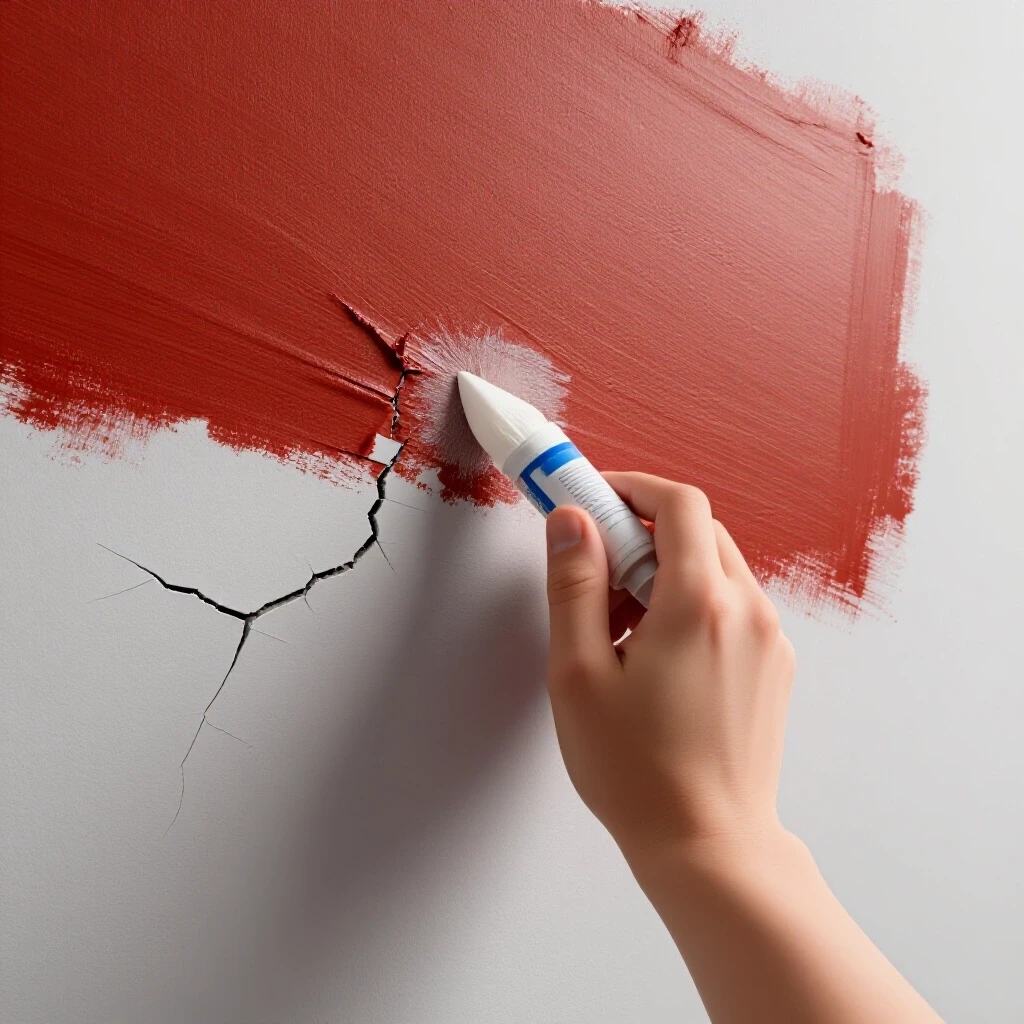
In my 18 years of project coordination, I have seen homeowners freeze when they spot a hairline fracture in their masonry. They fear the worst. But more often than not, once a simple injection or sealant is applied, the space is ready for a beautiful refresh. This guide focuses on that crucial “next step”—how to move from basic stabilization to high-end interior styling and proactive upkeep.
Planning the Visual Recovery After Wall Stabilization
This phase involves defining the aesthetic goals and functional needs of a space once the initial wall sealing is complete. It bridges the gap between a technical repair and a finished living area.
When I tackled my second personal remodel, I found a thin vertical gap behind some old wood paneling. After using a high-quality epoxy injection kit to stabilize it, I had to decide what happened next. Would I just paint over it, or would I use this as an excuse to build the custom library I always wanted? This is the definition of scope: deciding where the repair ends and the renovation begins.
For a standard residential renovation planning process, you must look at the wall as a blank canvas. If the area is dry and the movement has stopped, you can move into “finish mode.” This includes selecting materials that handle the unique environment of a basement or ground-level room. I recommend using RSMeans data to estimate your finish costs. Typically, interior wall finishes range from $2.50 to $5.00 per square foot, depending on whether you choose simple drywall or custom masonry veneers.
Establishing a Realistic Budget for Cosmetic Upgrades
Budgeting for the aftermath of a wall fix requires a clear understanding of material costs and a healthy “just in case” fund. This ensures that hidden issues don’t stop your progress.
A common mistake I see is homeowners spending their entire budget on the initial sealing, leaving nothing for the paint or shelving that makes the room livable. In my professional experience, a kitchen remodel budget often gets eaten by structural surprises. The same happens in basements. I suggest a 20% contingency fund for any project involving masonry.
- Materials: Paint, primer, drywall, or trim.
- Labor: DIY hours or a finish carpenter for built-ins.
- Permits: Usually not required for cosmetic paint, but necessary if you add electrical outlets.
| Cost Category | RSMeans Estimated Cost (Avg) | Real-World Bid Range | Contingency Recommended |
|---|---|---|---|
| Cosmetic Wall Sealing | $350 – $600 | $500 – $900 | 15% |
| Drywall Patch & Texture | $2.10 / sq. ft. | $3.50 – $5.00 / sq. ft. | 20% |
| Custom Built-in Shelving | $45 / linear ft. | $60 – $120 / linear ft. | 10% |
| Premium Interior Paint | $0.80 / sq. ft. | $1.50 – $2.50 / sq. ft. | 5% |
Sequencing the Finish Work for Maximum Durability
Construction sequencing is the strategic order of tasks that ensures one trade doesn’t ruin the work of another. In the context of wall refreshes, it ensures the seal is fully cured before aesthetics are added.
In my coordination career, I once saw a painter rush onto a site only 12 hours after a technician had injected a polyurethane foam into a wall gap. The foam was still expanding slightly, and the paint bubbled and peeled within a week. Patience is a core home remodeling tip. You must allow for “float time” in your schedule.
The critical path for a post-stabilization project looks like this: 1. Verification: Ensure the sealant is dry and no new moisture is present. 2. Surface Prep: Sanding down excess epoxy or foam. 3. Priming: Using a high-adhesion primer designed for masonry. 4. Installation: Adding decorative elements like accent walls or shelving.
The Importance of Cure Times and Moisture Testing
Before you hang a single picture or install a custom craft desk, you must verify that the environment is stable. This prevents mold and ensures your design lasts for years.
I always tell my clients to perform a simple “plastic sheet test.” Tape a square of clear plastic over the addressed area for 48 hours. If condensation forms under the plastic, you have a moisture issue that needs more than just a cosmetic fix. This is a vital part of any structural inspection checklist for homeowners.
- Epoxy Cure Time: Usually 12 to 24 hours.
- Polyurethane Expansion: Can take up to 48 hours to fully settle.
- Moisture Threshold: Ideally, the wall should have less than 12% moisture content before painting.
Vetting Specialists for Interior Finishing
While you might have handled the initial gap sealing yourself, high-end finishing often requires a skilled hand. Contractor management involves finding the right person for the “pretty” part of the job.
When I hire for my own properties, I look for “finish-focused” handymen or carpenters. You don’t need a heavy-duty structural firm for this phase. You need someone who understands how to blend textures. If you are managing this yourself, your contractor management guide should include a specific interview for their experience with masonry-to-drywall transitions.
- Check References: Ask specifically about their experience finishing basement walls.
- Verify Insurance: Ensure they have general liability.
- Review Portfolios: Look for clean lines in their trim work and shelving.
DIY Execution: From Bare Concrete to Accent Wall
This section covers the hands-on steps a homeowner can take to transform a stabilized wall into a design feature. It focuses on beginner-friendly crafts and styling.
Once the wall is stable, the fun begins. In my last renovation, I used a stabilized basement wall to create a “faux stone” accent. It hid the previous work perfectly and added a rustic feel to the room. This type of project is perfect for homeowners who want to avoid the high cost of professional masonry but want a custom look.
Step-by-Step Interior Wall Refresh
- Clean the Surface: Use a wire brush to remove any loose debris from the area where the gap was addressed.
- Apply Masonry Filler: Use a sandable filler to smooth out any bumps left by the sealing kit.
- Prime with Vapor Barrier Paint: This adds an extra layer of protection against dampness.
- Install Decorative Paneling or Paint: Choose a bold color or a textured wallpaper to draw the eye away from the previous repair site.
Building custom crafts, like a built-in desk or a series of floating shelves, is another great way to utilize the space. In my 18 years of experience, I’ve found that “distraction design” is a powerful tool. By placing a beautiful piece of functional furniture over a formerly problematic area, you change the narrative of the room from “repaired” to “refined.”
Managing Change Orders and Scope Creep
Scope creep happens when a simple wall refresh turns into a full basement remodel without a plan. Managing this is key to staying on budget.
During a bathroom remodel, I once decided to replace the entire floor just because I was already fixing a small plumbing gap. That is scope creep. To avoid this, set a “change order threshold.” For example, if a new idea costs more than 10% of the original project, it requires a 24-hour “cooling off” period before you commit.
- Document Everything: Even if you are doing the work yourself, write down what you plan to do each day.
- Track Costs: Use a simple spreadsheet to log every gallon of paint and every box of screws.
- Stick to the Sequence: Don’t start the shelving until the paint is 100% dry.
Post-Occupancy: Monitoring and Proactive Upkeep
The work doesn’t end when the paint dries. Proactive home upkeep ensures that your aesthetic upgrades remain beautiful and that the wall stays sound.
I perform a “walk-through” of my home every six months. I look at the corners of my built-in shelves and the seams of my accent walls. If I see a hairline crack in the paint, I don’t panic. I check if it’s just the house “breathing” or if I need to touch up the sealant. This is the hallmark of a seasoned homeowner.
- Check Humidity Levels: Keep your basement or ground floor between 30% and 50% humidity.
- Inspect Exterior Drainage: Ensure your gutters are clear, which keeps water away from your interior walls.
- Update Decor: A fresh coat of paint every few years keeps the space feeling new and gives you a chance to inspect the walls closely.
Actionable Tools for Your Remodel
Managing a project requires the right resources. These are the tools I use to keep my renovations on track.
- HomeZada or HomeBinder: Great apps for tracking home maintenance and renovation documents.
- RSMeans Online: The gold standard for checking if your contractor’s material quotes are realistic.
- MagicPlan: An app that lets you create floor plans using your phone’s camera, perfect for planning built-ins.
- Moisture Meter: A small, inexpensive tool (around $30) that is essential for checking wall readiness.
- Trello or Asana: Simple project management boards to track your construction sequencing.
By following these steps, you move from a state of worry to a state of pride. A home is a living thing, and minor settling is a natural part of its life. How you handle the “what happened next” defines the comfort and value of your living space.
Frequently Asked Questions
How long should I wait to paint after sealing a minor wall gap? I recommend waiting at least 24 to 48 hours. Most epoxy or polyurethane injection kits require this time to fully cure and stop expanding. If you paint too early, the chemical reaction can cause the paint to peel or discolor. Always check the manufacturer’s label, as some high-performance resins may take longer in high-humidity environments.
Can I install heavy built-in shelves on a wall that was previously stabilized? Yes, provided the stabilization was done correctly and the wall is non-structural masonry or standard stud framing. I suggest using long masonry anchors that penetrate past the surface. Avoid drilling directly into the injection site itself. Instead, stagger your brackets to distribute the weight across the sound parts of the wall.
What is the best way to hide a visible repair on a concrete wall? The most effective DIY method is using a textured masonry paint or a “skim coat” of thin-set mortar. This creates a uniform surface that mimics the look of new concrete. For a more decorative approach, consider installing moisture-resistant shiplap or decorative stone veneers, which provide a high-end look while completely concealing the work underneath.
How do I know if a wall gap is just cosmetic or a bigger issue? A general rule of thumb is the “pencil test.” If a gap is thinner than a pencil (about 1/4 inch) and is not growing, it is often a candidate for a DIY sealant and cosmetic refresh. If the gap is horizontal, wider than 1/4 inch, or shows signs of active water leaking, you should pause your cosmetic plans and consult a specialist to ensure the area is safe for finishing.
Does sealing a wall gap improve my home’s resale value? While the act of sealing a gap itself is considered maintenance, the “what happened next” is what adds value. A finished, styled room where a gap was once visible shows buyers that the home has been proactively maintained. It removes the “fear factor” and replaces it with the aesthetic appeal of a completed renovation.
What kind of primer should I use on a repaired masonry wall? You should use a high-quality, alkali-resistant masonry primer. Concrete and repair epoxies can have high pH levels that break down standard latex primers. An alkali-resistant primer creates a neutral surface that allows your topcoat of paint to bond properly and maintain its color over time.
How much should I expect to pay for a professional to finish a wall after a repair? For a standard 10×10 wall, a professional handyman might charge between $300 and $600 for labor to patch, sand, and paint. If you are adding custom cabinetry or elaborate woodwork, costs can rise to $1,500 or more. Using RSMeans data, I always suggest getting at least three bids to ensure the pricing is fair for your local market.
Is it safe to put a craft room or nursery in a room that had minor wall fissures? Absolutely, as long as you have verified that the room is dry and the air quality is good. Use low-VOC (Volatile Organic Compound) paints and finishes to ensure the space is healthy for children or long hours of crafting. Regular monitoring of humidity levels with a hygrometer will give you peace of mind that the environment remains stable.
(This article was written by one of our staff writers, David Langford. Visit our Meet the Team page to learn more about the author and their expertise.)