How to Reduce Renovation Waste by Reusing Materials (Guide)

The best option for homeowners facing a major residential renovation isn’t found in a showroom or a catalog. It is already standing inside your four walls. When I managed my first full-home project eighteen years ago, I realized that the most valuable assets were the ones we usually throw in a bin. By focusing on salvaging and repurposing what you already own, you can preserve the soul of your home while keeping your budget from spiraling out of control.
Residential renovation planning often feels like a battle against rising costs. I have seen many people get overwhelmed by the sheer volume of decisions. However, shifting your mindset from “replace” to “restore” changes the entire project flow. It requires more careful planning and a different kind of contractor management, but the results are more personal and often more durable than modern alternatives.
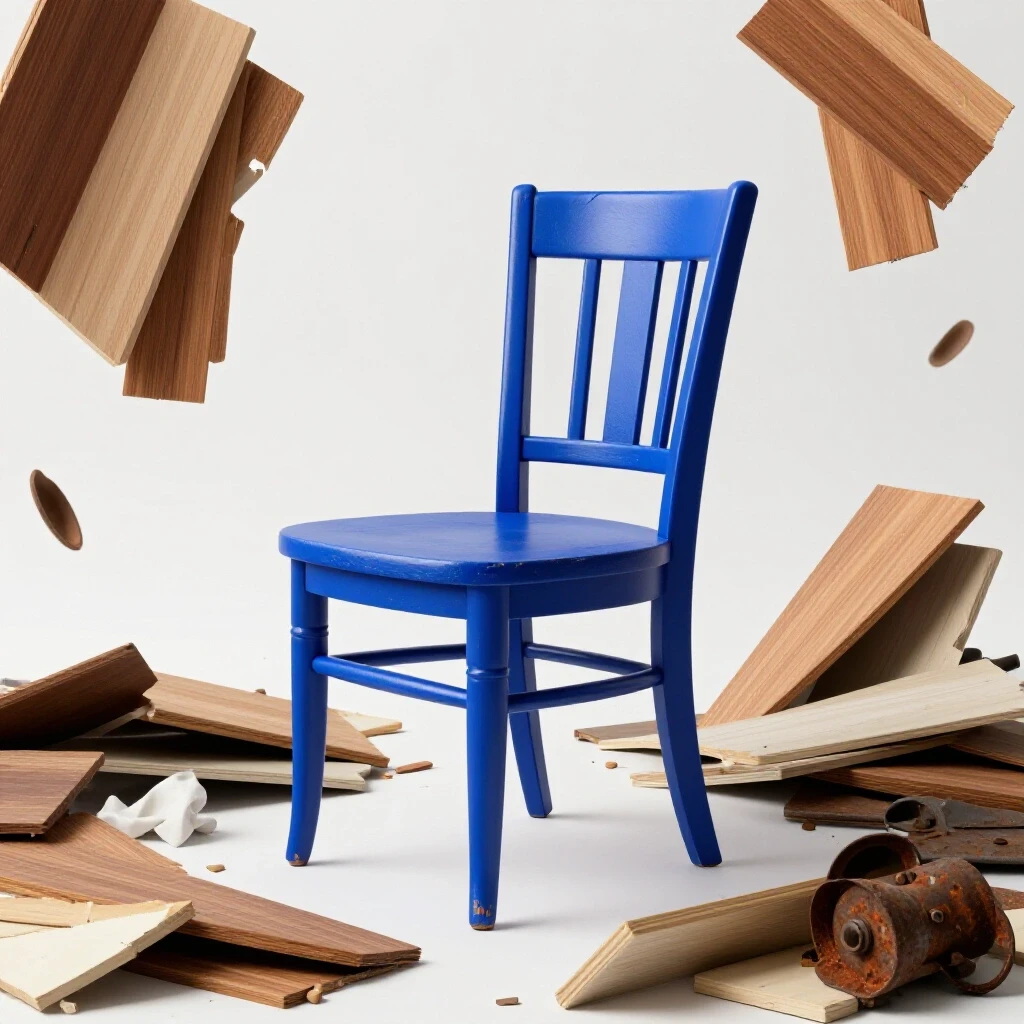
In my own house, a 1920s bungalow, I spent three weeks carefully pulling up floorboards that others told me to toss. That effort saved me thousands and gave me a floor that a new product simply couldn’t match. This guide will show you how to identify these opportunities, manage the labor involved, and ensure your reclaimed items fit perfectly into your new design.
Inventory and Assessment of Reclaimed Assets
An inventory and assessment is the process of identifying every item in your home that can be saved, restored, or converted for a new use. This step happens long before any walls are moved. It involves looking at the quality of materials like solid wood, vintage metal, and architectural details to see if they are worth the labor required to keep them.
When you start your residential renovation planning, you need a clear list of what stays. I recommend walking through each room with a roll of blue painter’s tape. Mark every door, handle, and piece of trim that has potential. This prevents “accidental” destruction during the early phases of the project.
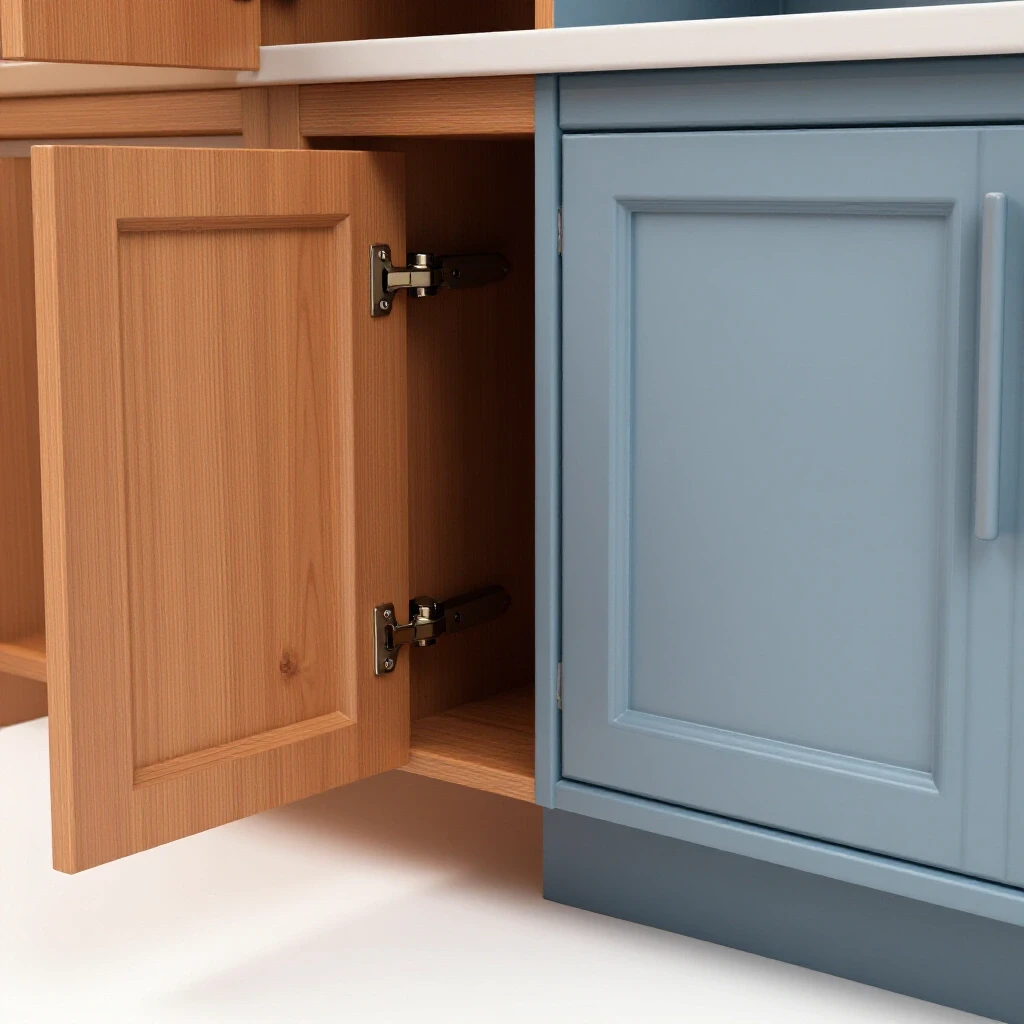
In my professional experience, the biggest budget-blowing structural surprises happen when people tear everything out without looking first. For example, I once worked on a kitchen remodel where the homeowner wanted to replace all the cabinets. Upon inspection, we found the boxes were solid oak, far better than any mid-range replacement. By keeping the boxes and only updating the faces, we saved 40% of the kitchen budget.
- Timber and Woodwork: Check for rot or insect damage. If the wood is solid and dry, it is a candidate for refinishing.
- Hardware and Fixtures: Look for solid brass or heavy iron. These can be cleaned or replated for a fraction of the cost of high-end replicas.
- Architectural Details: Crown molding, baseboards, and built-in shelving should be evaluated for their fit in the new layout.
The Financial Reality of Refurbishing Existing Materials
Budget forecasting for repurposed items involves calculating the labor hours needed to clean, repair, and reinstall old materials. Unlike buying new, where the cost is up-front, the cost of keeping old items is usually tied to manual work. You must decide if the time spent by you or a specialist is less than the value of the item itself.
Many homeowners assume that keeping old items is “free.” It is not. Based on my review of RSMeans construction estimating resources, the labor to strip and refinish a single interior door can take four to six hours. If you are paying a professional, that cost might approach the price of a cheap new door. However, the quality of an old-growth wood door is significantly higher than a modern hollow-core version.
I always suggest a 15–25% contingency fund even when you are reusing materials. You might find that a vintage sink has a hairline crack once it is removed, or a piece of trim breaks during deconstruction. You need a financial buffer to handle these shifts in the scope of work.
| Item Type | Estimated Labor Hours (Restoration) | Typical Savings vs. High-End Replacement |
|---|---|---|
| Solid Wood Interior Door | 4 – 6 Hours | 50% – 70% |
| Cast Iron Clawfoot Tub | 8 – 12 Hours | 60% – 80% |
| Vintage Brass Hardware (Set) | 1 – 2 Hours | 80% – 90% |
| Hardwood Flooring (per 100 sq ft) | 10 – 15 Hours | 40% – 60% |
Strategic Sequencing for Material Preservation
Construction sequencing is the order in which tasks are performed to ensure the project moves forward without damaging completed work. When your goal is to keep original materials, this sequence starts with “deconstruction” rather than “demolition.” It is a slower, more surgical way of taking a house apart.
In a standard kitchen remodel budget, demolition is often a flat fee for a crew to swing sledgehammers. If you want to save your cabinets or flooring, you must change the contract language. You are paying for a “careful removal.” This adds time to the front end of your schedule but prevents the loss of valuable assets.
Building on this, you need to plan where these items will live during the messy phases of construction. I once saw a beautiful set of original French doors get ruined because they were leaning against a wall in a room where drywall was being sanded. The dust got into the grain and the glass was scratched. Proper site management means having a dedicated, dry, and safe storage zone for your reclaimed treasures.
- Tagging Phase: Mark all items to be saved with clear signage.
- Protection Phase: Cover immovable items (like floors or built-ins) with heavy-duty protection.
- Removal Phase: Use pry bars and screw guns instead of hammers.
- Storage Phase: Move items to a climate-controlled area or a secure on-site container.
Why Hidden Structural Surprises Influence What You Keep
Structural inspections are deep dives into the bones of a building to ensure it can support your renovation goals. Often, the decision to keep an original element is made for you by what is found behind the walls. If you find mold or outdated wiring, you may have to remove materials you intended to save to fix the underlying issue.
During my second full-home renovation, I wanted to keep the original plaster walls in the dining room. They had a beautiful texture. However, once we opened a small “investigative hole,” we found that the wiring was old knob-and-tube. To bring the house up to modern residential building standards, we had to remove the plaster to rewire the room. It was a painful choice, but safety and code compliance come first.
This is why a structural inspection checklist is vital. Before you commit to refinishing that old floor, check the joists underneath. If the joists are sagging or rotting, the floor will eventually crack or squeak no matter how much you sand it. Always verify the “chassis” of the house before you spend money on the “upholstery.”
- Wiring: Does the existing wall house outdated or dangerous electrical systems?
- Plumbing: Are the pipes behind that vintage tile made of galvanized steel or lead?
- Moisture: Is there evidence of rot in the studs behind the baseboards you want to save?
Managing the Integration of Vintage Hardware and Fixtures
Integrating vintage items involves the technical work of fitting old pieces into modern systems. This is where many homeowners run into friction with contractors. A modern plumber might not want to install a 1940s faucet because the fittings are different. You must vet your team to ensure they have the patience for this kind of work.
I recommend creating a “spec sheet” for every salvaged item. If you are keeping an old sink, measure the drain hole and the faucet spreads. Compare these to modern plumbing standards. You may need to order adapters or “rough-in” kits that bridge the gap between old and new. Rough-in refers to the initial stage of plumbing or electrical work where pipes and wires are installed before the walls are closed.
Interestingly, using original hardware can actually speed up your schedule if you plan correctly. If you are keeping the original doors and their hinges, you don’t have to spend time “mortising” (cutting slots) for new hinges. You just clean the old ones and screw them back in. This reduces the precision carpentry needed during the finish phase.
Transforming Structural Timber and Architectural Details
Repurposing timber is the act of taking structural or decorative wood from one part of the house and using it in another. This is common with floor joists, wall studs, or old shelving. Old-growth timber is often denser and stronger than what you find at a modern lumber yard, making it a premium resource.
In one project, we removed a non-load-bearing wall to open up a living space. Instead of tossing the 2×4 studs, we found they were actually true-dimension Douglas Fir. We cleaned them up, planed them down, and used them to create a custom mantel for the fireplace. It tied the history of the house into the new design without costing a dime in materials.
When working with old wood, you must be aware of the “thermal envelope.” This is the barrier between the conditioned air inside your home and the outside air. If you are reusing wood for exterior trim, ensure it is properly sealed. Old wood is durable, but it can still succumb to the elements if the finish is neglected.
- Floorboards: Can be used as wall cladding or to patch holes in other rooms.
- Joists: Can be sliced into thin strips for decorative “slat” walls.
- Trim: Short pieces of crown molding can be used to build custom picture frames.
Incorporating Textiles and Soft Finishes into New Designs
Textile repurposing involves taking existing fabrics, such as curtains, rugs, or upholstery, and adapting them for a refreshed space. While we often think of “construction” as hard materials, the soft finishes are what make a house feel like a home. Reusing these items can save a significant portion of your interior design budget.
I have seen homeowners take heavy velvet drapes from a formal dining room and have them cut down into throw pillows or bench cushions for a new breakfast nook. This maintains a color palette across the home while giving the material a new life. It is about looking at the “fabric yield”—how much usable material you can get out of an existing piece.
When managing this part of the project, keep a close eye on your “scope creep.” Scope creep happens when small, unplanned changes start to add up, pushing the project past its original deadline or budget. If you decide to reupholster every chair in the house, you might find your labor costs for the “soft” side of the renovation rivaling the “hard” construction costs.
Quality Control and Final Assessment of Reused Items
Quality control for salvaged materials is the final check to ensure that the restored items meet the same standards as the rest of the renovation. It is easy to let “character” become an excuse for poor function. Every reused item must work as well as a new one, or it will eventually become a source of frustration.
Before you sign off on a subcontractor milestone payment, test every salvaged item. Do the old windows slide smoothly? Does the refinished tub drain properly? Are the reclaimed floorboards level? I use a “punch-list” to track these details. A punch-list is a document prepared near the end of a project listing work that does not conform to contract specifications.
In my years as a coordinator, I found that the “post-occupancy evaluation” is where you really see the value of what you kept. This is a review done six months after moving back in. Almost every homeowner I have worked with says the items they saved are their favorite parts of the house. They carry stories that new materials simply cannot tell.
- Function Test: Check all moving parts (hinges, drawers, faucets).
- Finish Inspection: Ensure sealants and paints are adhering correctly to old surfaces.
- Stability Check: Verify that all structural reuses are secure and meet local codes.
Essential Tools for Managing Reclaimed Projects
Managing a project that focuses on keeping original materials requires specific tracking tools. You cannot rely on a standard contractor’s estimate for these unique tasks. You need to be the bridge between the history of the house and the future of the design.
- Digital Blueprint Apps: Use these to mark exactly where salvaged items will be relocated.
- Detailed Inventory Spreadsheets: Track the location, condition, and restoration status of every item.
- Gantt Chart Templates: Use these to schedule the extra time needed for deconstruction and off-site restoration.
- Lien Waivers: Even when reusing materials, ensure you have these from any specialist restorers to protect against legal claims.
- Change-Order Logs: Use these to track how “found” issues (like rot under a saved floor) impact your bottom line.
Creating a Realistic Contingency Plan
A contingency plan is a set of financial and scheduling buffers designed to absorb the shocks of a renovation. When you are working with old materials, the “unknown” factor is higher. You might plan to save a door only to find it is riddled with dry rot once the paint is stripped.
I recommend a tiered contingency approach. For a house built after 1980, a 10% buffer is usually enough. For older homes where you are salvaging a lot of material, I suggest 20%. This isn’t just for money; it’s for time. Give yourself a “schedule float”—extra days in the timeline where no work is planned—to allow for the slow process of cleaning and prepping old assets.
As a result of this planning, you will feel more in control. When a contractor tells you a saved item won’t work, you will have the budget and the time to either fix it or pivot without panicking. That peace of mind is the real goal of any residential renovation management strategy.
FAQs
How do I know if my old windows are worth keeping?
Check the wood for “soft spots” using a screwdriver. If the wood is firm, the window can usually be reglazed and weather-stripped. Old windows are often made of superior wood that resists rot better than modern pine. While they may be less energy-efficient than triple-pane glass, using heavy curtains or storm windows can bridge that gap effectively.
Can I reuse my old kitchen cabinets in a different layout?
Yes, but it requires a skilled carpenter. Standard cabinet boxes can be detached and rearranged. You may need to build “filler” pieces to make them fit a new wall length. This is a common way to save money in a laundry room or basement remodel by moving the old kitchen units there.
Is it cheaper to refinish old hardwood or install new?
Generally, refinishing is cheaper if the “wear layer” of the wood is thick enough. If the floor has been sanded many times before, you might be down to the “tongue and groove” joinery, which means it cannot be sanded again. A professional can tell you this by looking at the gaps between the boards or removing a transition strip.
How do I clean vintage brass hardware without ruining the patina?
Avoid harsh chemicals. Start with warm soapy water and a soft brush. If you want to remove heavy tarnish, a paste of flour, salt, and vinegar is a gentle way to restore the shine. If you like the dark “aged” look (patina), simply clean the dirt off and coat it with a thin layer of wax.
What should I do if a contractor refuses to work with my reclaimed materials?
This is a common hurdle. Some contractors fear the liability of an item failing. To solve this, offer a “hold harmless” agreement for that specific item. Alternatively, look for subcontractors who specialize in “historic restoration” or “architectural salvage.” They usually have the tools and the mindset required for this work.
How do I store saved lumber so it doesn’t warp?
Stack the wood flat on a level surface. Use “stickers”—small scraps of wood—between each layer to allow air to circulate. This prevents moisture from getting trapped, which causes bowing and twisting. Keep it in a dry area, away from direct sunlight and rain.
Can old light fixtures be made safe for modern use?
Yes, most vintage lamps can be “rewired” with modern sockets and cords. This is a simple DIY task or a very inexpensive job for a lamp repair shop. It allows you to keep the beautiful glass and metalwork while ensuring the electrical components meet modern safety standards.
What is the best way to remove old tile without breaking it?
Use a thin, flat pry bar and a rubber mallet. Focus on the grout lines first to “vibrate” the tile loose. If the tile was set in a thick mortar bed (common in older homes), it is very difficult to save. However, if it was glued to a backing, it often pops off with a little patience.
How do I estimate the labor for “deconstruction”?
A good rule of thumb is to double the time of a standard demolition bid. If a crew says they can gut a bathroom in one day, expect a careful deconstruction to take two to three days. You are paying for the labor of removing screws and nails rather than just smashing through the materials.
Can I reuse old insulation?
Generally, no. Old fiberglass or cellulose insulation can settle, lose its “R-value” (insulating power), and trap dust or pests. If you find old denim or wool insulation in good condition, it might be movable, but for the sake of the thermal envelope, it is usually better to start fresh in this specific area.
Is it possible to save old plaster walls?
It is possible but difficult. Plaster is prone to cracking when nearby walls are demolished. If the “lath” (the wood strips behind the plaster) is still firmly attached, you can use “plaster washers” to secure any loose areas. It provides a level of soundproofing that modern drywall cannot match.
How do I handle “change orders” when a saved item breaks?
A change order is a formal amendment to the contract. If a saved door breaks, you must document the cost of the replacement and any labor changes. This is why your contingency fund is vital. Always have a “Plan B” for your most critical reclaimed items so you aren’t left with a hole in your schedule.
(This article was written by one of our staff writers, David Langford. Visit our Meet the Team page to learn more about the author and their expertise.)