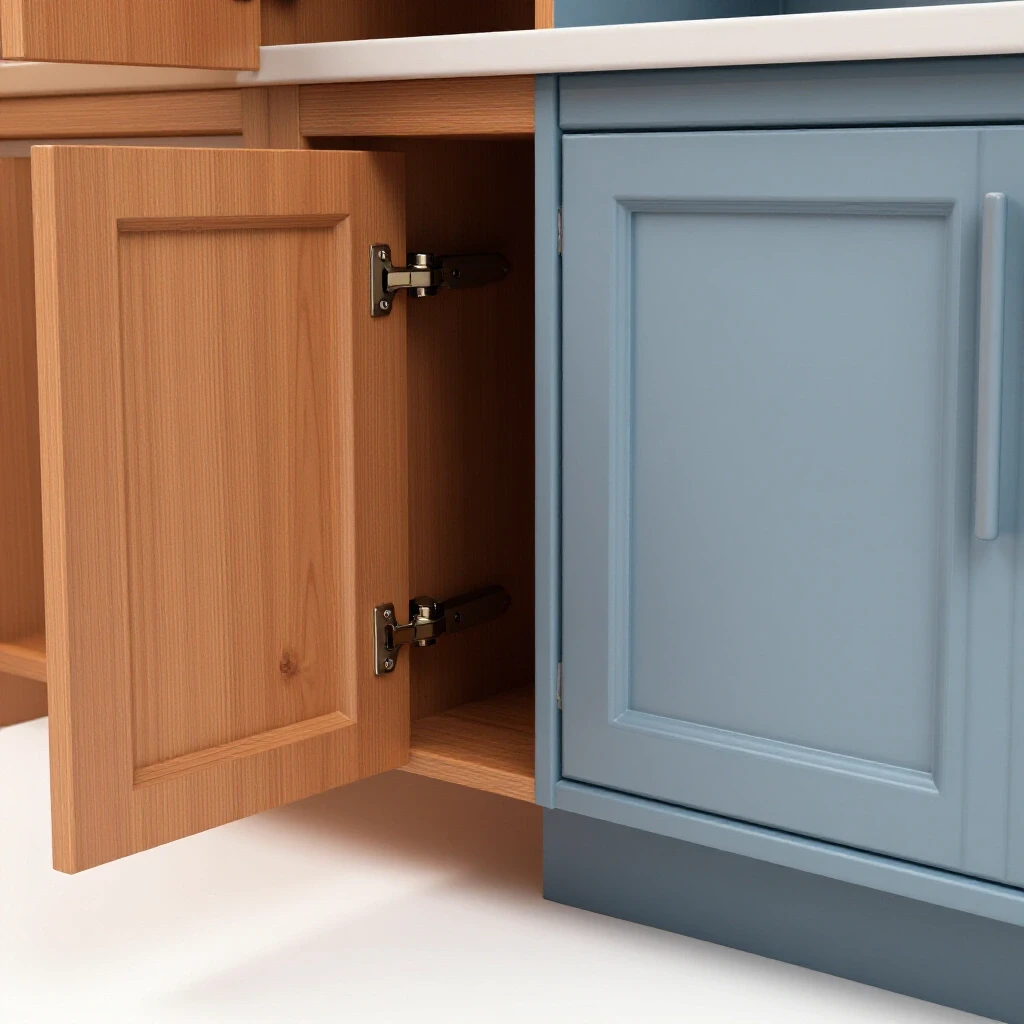
How to Expand Your Pantry for Better Cooking Results (Step-by-Step)

High-quality craftsmanship is more than just a straight line or a level shelf. It is the result of careful planning and a deep understanding of how a home functions. After eighteen years in the construction industry, I have seen how a well-executed kitchen storage project can turn a chaotic room into a calm workspace. When we focus on the fine details of building out a dedicated area for ingredients, we create a space that supports better habits and smoother daily routines.
Defining the Scope for Increased Kitchen Storage
A scope of work is a detailed document that lists every task, material, and expectation for a project. It acts as a roadmap for both the homeowner and the contractor to ensure everyone agrees on the final goal. In this phase, you decide if you are simply adding shelves or moving walls to create a larger walk-in area for dry goods.

When I managed a full-home renovation on my second property, I learned that a vague scope is a recipe for a budget disaster. I initially told the contractor I wanted “more storage” in the kitchen. Because I was not specific, he assumed I wanted basic wire racks. I actually wanted custom-built wood shelving with integrated lighting. This small misunderstanding could have cost thousands in change orders if I had not caught it during the planning stage.
To avoid this, your residential renovation planning should include a “room finish schedule.” This is a spreadsheet that lists the floor, wall, and ceiling finishes for your new storage zone. If you plan to add a heavy door or deep shelving, you must specify those materials now. This prevents the contractor from bidding on the cheapest options, which protects you from unexpected price hikes later.
- Define the exact square footage of the new storage area.
- List the types of shelving materials (e.g., solid wood vs. particle board).
- Specify electrical needs for interior lighting or small appliance outlets.
- Note any structural changes, such as removing a non-load-bearing closet wall.
Budgeting and Estimating the Build
A kitchen remodel budget must account for both visible materials and the hidden labor required to install them. Estimating involves looking at the “unit price” of tasks, such as the cost to hang a square foot of drywall or install a linear foot of shelving. Using professional data helps you see if a contractor’s bid is realistic or suspiciously low.
I often use RSMeans data to help homeowners understand the gap between a “labor-only” bid and a “full-service” bid. For a project involving new cabinetry and wall adjustments, labor often accounts for 35% to 45% of the total cost. If a contractor gives you a quote that is significantly lower than this, they might be cutting corners on insurance or safety protocols.
During my first personal remodel, I failed to set aside a proper contingency fund. I hit a major snag when we opened the wall for a storage expansion and found outdated knob-and-tube wiring. I had to pivot my budget quickly to cover the electrical upgrade. Now, I always recommend a 20% contingency for homes older than 50 years and 15% for newer builds.
| Project Phase | RSMeans-Based Labor Estimate | Real-World Bid Range | Contingency Buffer |
|---|---|---|---|
| Demolition & Haul-away | $500 – $800 | $600 – $1,200 | 10% |
| Framing & Drywall | $1,200 – $1,800 | $1,500 – $2,500 | 15% |
| Custom Shelving Install | $2,000 – $3,500 | $2,500 – $5,000 | 5% |
| Electrical Rough-in | $800 – $1,200 | $1,000 – $1,800 | 20% |
Contractor Vetting and Management
Vetting is the process of checking a contractor’s background, licenses, and past work to ensure they are qualified. A good contractor management guide focuses on communication and verification rather than just “gut feelings.” You want a partner who understands the technical side of creating specialized storage zones and respects your timeline.
I once worked with a subcontractor who had a great portfolio but terrible scheduling habits. He would show up three days late, which pushed back the painter and the flooring installer. This “domino effect” is a common frustration in home remodeling. To prevent this, ask for a “subcontractor list” before the project starts. You want to know exactly who will be in your house.
Verify that the contractor carries both General Liability and Workers’ Compensation insurance. In many states, if a worker gets hurt on your property and the contractor is not insured, you could be held liable. I always ask for a “Certificate of Insurance” (COI) sent directly from the insurance agent to my email. This ensures the policy is active and has not been altered.
- Ask for three references from projects completed in the last six months.
- Check the state licensing board for any past disciplinary actions.
- Confirm they use written contracts for all change orders.
- Inquire about their “lead-time” for ordering custom storage components.
Structural Realities and Hidden Surprises
A structural inspection checklist is a tool used to identify potential problems before the walls are closed up. When you expand a storage area, you often encounter “rough-in” components like pipes or wires hidden behind the drywall. Understanding what lies beneath the surface helps you avoid “scope creep,” which is when a project grows larger than originally planned.
In one project, we planned to turn a small coat closet into a walk-in dry goods area. Once we removed the plaster, we found a main plumbing vent stack running right through the middle of the space. Moving that pipe would have cost an extra $3,000. Instead of moving it, we designed the shelving to wrap around the pipe, saving the budget while still gaining the storage we needed.
You should also look for signs of moisture or mold. Kitchens are “wet” environments, and leaks from a nearby sink or dishwasher can seep into wall cavities. If you find mold, stop work immediately. Professional remediation is necessary to ensure the air quality in your home remains safe. This is a common “hidden discovery” that requires a clear plan of action.
- Load-bearing structures: These are walls that support the weight of the roof or the floor above. Never remove a wall without a structural engineer’s approval.
- Rough-in plumbing: This refers to the initial installation of pipes before the walls are finished.
- Thermal envelope: This is the barrier between the heated interior of your home and the cold outside air. If your storage area sits against an exterior wall, it needs proper insulation.
Construction Sequencing and the Critical Path
Construction sequencing is the order in which tasks must be completed to avoid re-doing work. The “critical path” is the sequence of stages that determines the minimum time needed to finish the project. If one task on the critical path is delayed, the entire project finish date moves back.
For a storage build-out, the sequence usually starts with demolition, followed by framing and electrical work. You cannot hang the shelves until the walls are painted, and you cannot paint until the drywall is sanded. I have seen homeowners order custom cabinets before the framing was finished. When the walls were slightly off-level, the cabinets didn’t fit, leading to a three-week delay.
Using a Gantt chart or a simple calendar can help you track these phases. I recommend adding “float time” to your schedule. Float time is extra space between tasks to account for minor delays, like a delivery truck arriving a day late. A good rule of thumb is to add two days of float for every week of active construction.
- Demolition: Remove old shelves, walls, or flooring.
- Structural/Framing: Build the new wall skeletons and door frames.
- Rough-in: Run wires for new lighting or outlets.
- Drywall: Hang, tape, and mud the wall surfaces.
- Painting: Apply primer and finish coats before shelves are installed.
- Finish Carpentry: Install the actual storage units and trim.
Managing Inspections and Change Orders
Inspections are official checks by local building authorities to ensure the work meets safety codes. A change order is a written amendment to the original contract that describes a change in the work and the price. Both are vital for maintaining quality control and preventing financial disputes with your contractor.
Many homeowners think inspections are a nuisance, but they are actually your best friend. An inspector acts as a third-party set of eyes to make sure your contractor did the electrical or structural work correctly. I never make a “milestone payment” until the relevant inspection has passed. This gives the contractor a strong incentive to do the job right the first time.
Change orders should never be verbal. If you decide to add more shelves or change the light fixtures mid-project, get it in writing. The document should list the new cost, the change in material, and any added time to the schedule. This creates a clear paper trail. If a contractor refuses to provide a written change order, it is a major red flag for the project’s health.
- Milestone Payments: These are payments made after a specific part of the job is finished and approved.
- Lien Waivers: These are legal documents that prove the contractor has paid their suppliers and workers. Always collect these before making the final payment.
- Permit Lead Times: In some cities, getting a permit for a structural change can take four to six weeks. Plan accordingly.
Quality Control and the Punch List
A punch list is a final checklist of small tasks or repairs that must be finished before the project is officially complete. It includes things like touching up paint, adjusting cabinet hinges, or cleaning up construction dust. This is the last step in ensuring the craftsmanship meets your standards.
In my eighteen years of experience, I have never seen a project that didn’t have at least a few punch-list items. It might be a small scratch on a shelf or a light switch that is slightly crooked. I recommend walking through the new storage space with a roll of blue painter’s tape. Place a piece of tape on every spot that needs attention. This makes it easy for the contractor to see exactly what needs fixing.
Do not hand over the final 10% of the contract price until every item on that list is resolved. This “holdback” is your leverage. Once the contractor receives the final check, it can be very difficult to get them to come back for minor repairs. A professional contractor will expect this and will be happy to walk through the list with you to ensure you are satisfied.
- Check that all shelves are level and securely fastened.
- Test every electrical outlet and light fixture.
- Ensure doors swing freely and latch correctly.
- Verify that the site has been cleaned and all debris removed.
Success Through Systematic Planning
Building a better system for kitchen storage is a journey that requires patience and precision. By focusing on a clear scope of work and a realistic budget, you can avoid the common traps that lead to stress and overspending. My own renovations taught me that the “unseen” work—the framing, the wiring, and the planning—is just as important as the final coat of paint.
When you manage your remodel with data and clear communication, you take control of the outcome. You transition from being a worried homeowner to a confident project manager. The result is a space that functions perfectly for your needs, allowing for better organization and a more efficient kitchen environment. Take it one step at a time, trust the process, and keep your standards high.
Frequently Asked Questions
How do I know if a wall I want to move for storage is load-bearing? You should look in your attic or basement to see which way the floor joists run. Generally, walls that run perpendicular to the joists are load-bearing. However, the only way to be 100% sure is to hire a structural engineer or a licensed contractor to inspect the framing. Never guess on this, as it can cause your ceiling to sag or collapse.
What is a realistic contingency fund for a kitchen storage project? I recommend setting aside 15% to 20% of your total estimated cost. If your project is quoted at $5,000, keep an extra $1,000 in a separate account. This covers “hidden discoveries” like mold behind walls or outdated electrical wiring that must be fixed to meet modern building codes.
Why do I need a permit for just adding a walk-in closet in my kitchen? Most local building departments require a permit if you are moving a wall, adding electrical outlets, or changing the structural footprint of a room. Permits ensure that the work is safe and follows local fire and safety codes. If you do the work without a permit, you may face fines or trouble when you try to sell your home.
How can I prevent a contractor from disappearing before the job is done? Never pay more than 10% to 15% of the total cost as a down payment. Tie all future payments to “milestones,” such as “after framing is complete” or “after the electrical inspection passes.” By keeping the final payment at 10% of the total, you ensure the contractor has a financial reason to finish the punch-list items.
What are “lead times,” and how do they affect my kitchen remodel? A lead time is the amount of time it takes for a material to be manufactured and delivered to your home. For custom shelving or specialized lighting, lead times can be anywhere from two to eight weeks. You should order these materials early in the planning phase so they arrive before the contractor is ready to install them.
How do I handle a dispute with my contractor about the quality of work? Refer back to your written scope of work and contract. If the work does not match what was agreed upon, point out the specific clause. It is best to stay calm and focus on the facts. If the issue isn’t resolved, you can withhold the milestone payment related to that task until the work meets the agreed-upon standard.
What is a “rough-in” phase, and why is it important for storage lighting? The rough-in phase happens after framing but before the drywall is installed. This is when the electrician runs the wires for your new storage lights. It is much cheaper and easier to move a light switch or an outlet during this phase than it is after the walls are closed and painted.
How can I make sure my new storage area doesn’t get moldy? Ensure there is proper airflow and that the space is well-insulated if it sits against an exterior wall. If you are storing a large amount of dry goods, keeping the area dry is vital. During construction, check for any signs of old leaks or water damage before the new walls are sealed.
Is solid wood better than MDF for kitchen shelving? Solid wood is stronger and holds more weight without sagging, but it is more expensive. MDF (Medium Density Fiberboard) is flatter and takes paint well, but it can sag over time if the shelves are very long. For heavy jars and bulk items, solid wood or high-quality plywood is usually the better choice for long-term durability.
What should I do if my contractor asks for more money halfway through? Ask for a written “Change Order” that explains exactly why the price has increased. If the increase is due to a “hidden discovery” that wasn’t in the original bid, it may be a valid request. However, if the contractor just underestimated the labor, you should refer to your fixed-price contract. Always verify the reason before agreeing to pay more.
(This article was written by one of our staff writers, David Langford. Visit our Meet the Team page to learn more about the author and their expertise.)