How Much Does Electrical Work Cost in Home Renovations (Guide)

When you begin a major residential renovation, the conversation often starts with aesthetics like cabinetry or flooring. However, the most critical decisions often involve how you will power your home, especially as we move toward eco-friendly options. Integrating electric vehicle (EV) charging stations, induction cooktops, and high-efficiency heat pumps requires a robust infrastructure that many older homes simply do not have.
In my 18 years of managing residential builds, I have seen many homeowners overlook the backbone of their house. During my own first full-home renovation, I assumed the existing electrical system was sufficient because the lights stayed on. I quickly learned that “functional” is not the same as “modern-ready.” Planning for sustainable upgrades early prevents the need to tear back into finished walls two years later when you decide to go green.

Mapping Out the Power Infrastructure
Defining the scope of work for your power needs involves more than just picking out pretty light fixtures. It is the process of identifying every outlet, switch, and appliance location before a single wall is opened.
In residential renovation planning, this stage is often called the “electrical walkthrough.” You and your contractor move through the space to mark where you need power. This is the time to consider how you live. Do you need a charging station inside a kitchen drawer? Will you want holiday lights on a dedicated switch under the eaves?
Failing to define these details early leads to “scope creep,” where you add small tasks that eventually inflate your budget. During a project I coordinated for a client, adding just four recessed lights after the initial phase increased the labor cost significantly because the ceiling had already been closed. Mapping everything out on a digital blueprint helps keep everyone on the same page.
The Rough-In Phase Explained
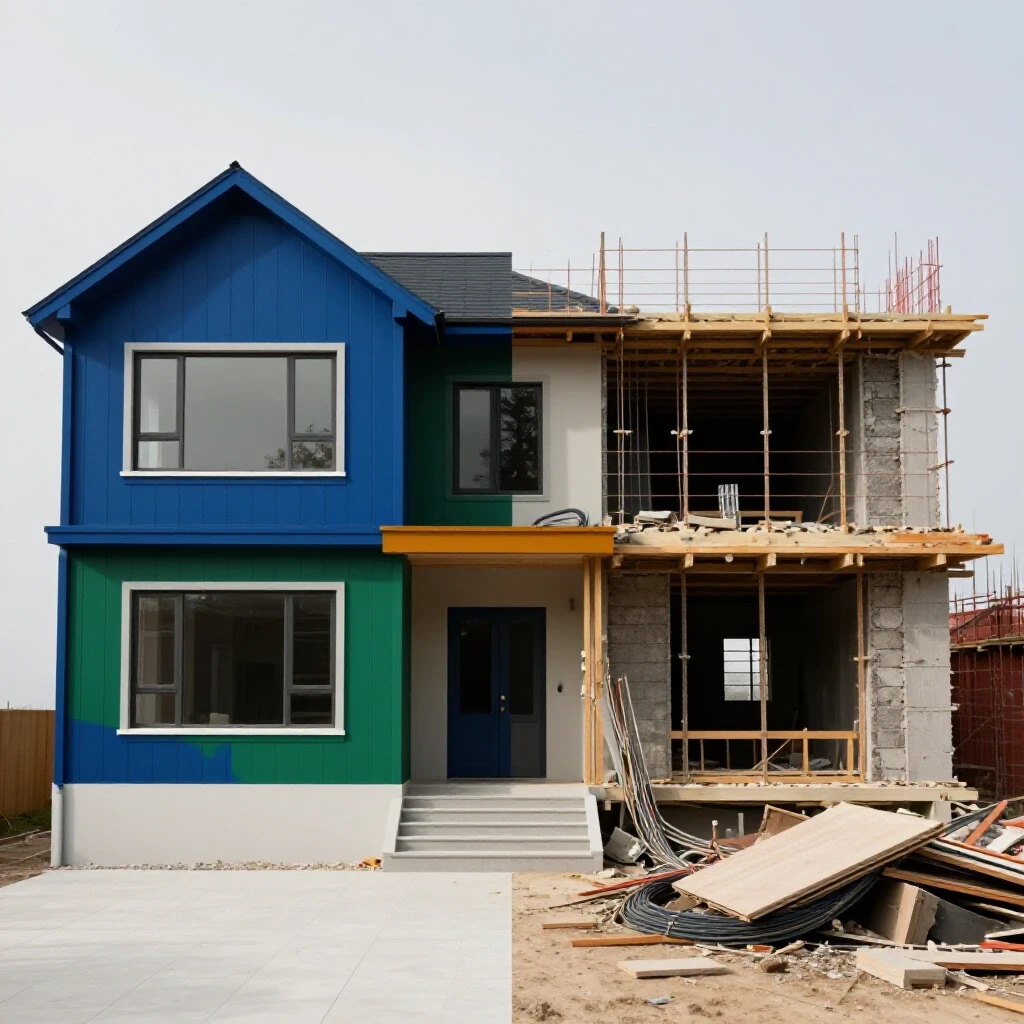
The rough-in phase is the stage of construction where all wires are pulled through the wall studs and into junction boxes. This happens after the framing is complete but before the insulation and drywall are installed.
This is a critical milestone in your construction sequencing. Once the drywall goes up, making changes becomes messy and expensive. During the rough-in, I always recommend taking photos of every wall. These photos serve as a “X-ray” of your home, showing exactly where wires run, which is invaluable for future repairs or if you decide to hang a heavy mirror later.
- Timeline: Usually takes 3 to 7 days depending on the size of the home.
- Inspection: A city inspector must sign off on the rough-in before you can close the walls.
- Coordination: This phase must happen after plumbing and HVAC to ensure wires don’t interfere with pipes or ducts.
Estimating Based on Capacity
Capacity refers to the total amount of electricity your home can safely handle at one time, measured in amps. Most older homes have 100-amp service, while modern standards often require 200 amps.
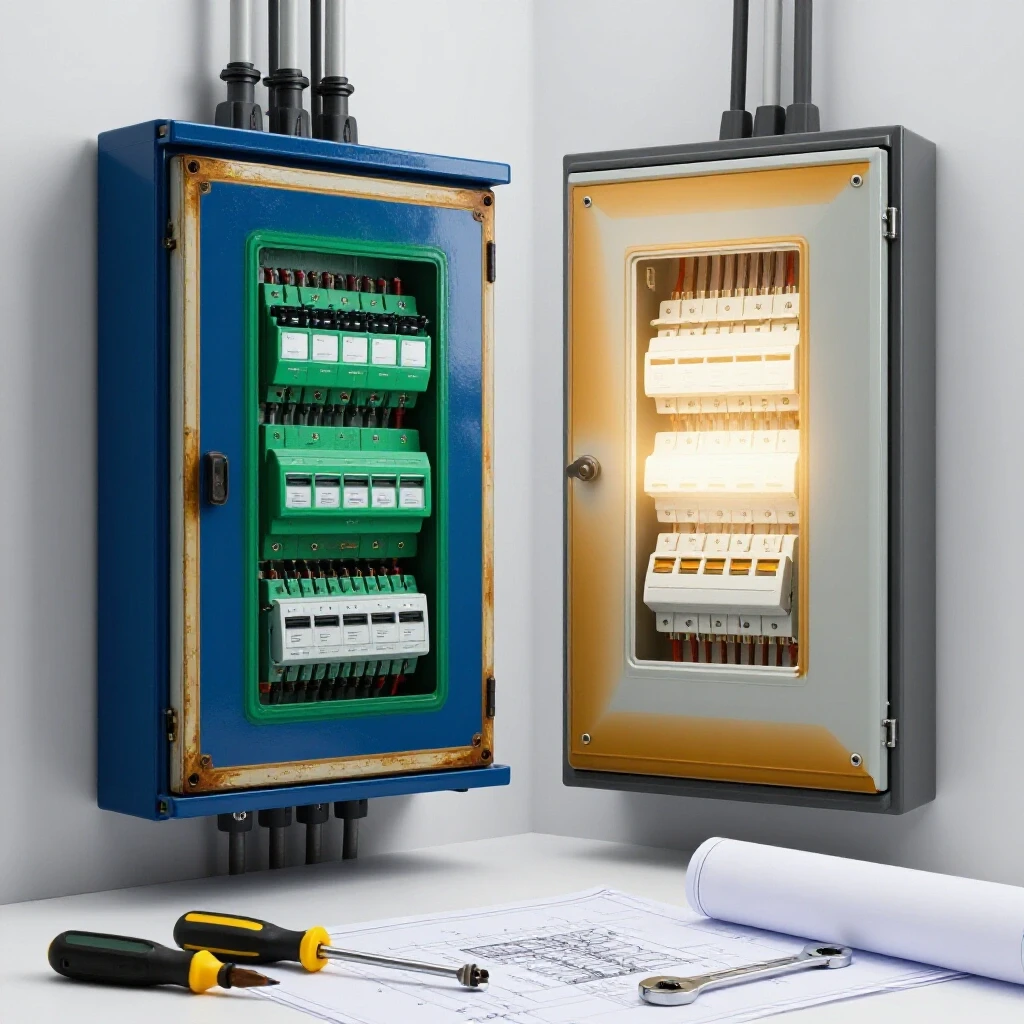
When researching your kitchen remodel budget, the service panel is often the hidden variable. If you are adding a high-end range or a steam shower, your existing panel might be at its limit. In my second personal remodel, I discovered that our 1950s-era panel couldn’t support the new HVAC system we wanted.
Using RSMeans-derived data, we can see that labor typically accounts for a larger portion of the budget than materials in these upgrades. This is because the work is highly specialized and requires strict adherence to safety codes. Understanding this ratio helps you evaluate bids more effectively.
| Component | Labor Percentage | Material Percentage | Risk of Hidden Cost |
|---|---|---|---|
| Panel Upgrade | 65% | 35% | Moderate |
| Full House Rewire | 80% | 20% | High |
| Kitchen Rough-In | 60% | 40% | Low |
| Lighting Trim-Out | 50% | 50% | Low |
Why Hidden Structural Surprises Blow Budgets
Hidden issues are the primary reason residential renovations exceed their initial estimates. These are problems that are not visible until the demolition phase begins.
During a whole-house remodel I managed, we pulled back the drywall to find “knob and tube” wiring, an outdated system from the early 20th century. This type of wiring is a fire hazard when covered with modern insulation. Because it wasn’t in the original quote, it triggered a major change order.
To mitigate this, I suggest a structural inspection checklist that includes a visual scan of the attic and basement for old wiring types. If your home was built before 1970, there is a high probability of finding cloth-wrapped wires or ungrounded outlets.
Formulating a Real Contingency Plan
A contingency plan is a dedicated portion of your budget set aside specifically for unexpected repairs and changes. It is not “extra” money; it is a necessary buffer for the unknown.
For electrical work, the age of your property should dictate the size of this buffer. In my professional experience, a 10% contingency is rarely enough for homes older than 40 years. The complexity of matching new components with old systems often leads to more labor hours than initially quoted.
- Homes built 1990–Present: 10–15% contingency.
- Homes built 1960–1989: 15–20% contingency.
- Homes built before 1960: 25% contingency.
Vetting Specialized Subcontractors
Vetting is the process of thoroughly checking a contractor’s credentials, past work, and professional standing. For electrical work, this is a non-negotiable safety step.
In the contractor management guide I provide to clients, I emphasize checking for a master electrician’s license. A general contractor may hire a “sub,” but you should know who that sub is. Ask if they have experience with the specific smart-home systems or high-efficiency appliances you plan to install.
Interestingly, the cheapest bid is often the most dangerous. A low bid might mean the contractor isn’t pulling permits or is using inferior materials. I once saw a “budget-friendly” contractor use indoor-rated wire for an outdoor patio, which failed within six months.
Analyzing Bid Discrepancies
A bid discrepancy occurs when two or more contractors provide vastly different quotes for the same scope of work. This usually happens because the scope was not clearly defined.
When you receive bids, don’t just look at the bottom line. Look at the “allowances.” An allowance is a placeholder amount for items not yet selected, like light fixtures. If one contractor gives you a $500 allowance and another gives you $2,000, their total bids will look different, but the $500 one will likely lead to an overage later.
- Compare the number of outlets and switches included.
- Check if the bid includes the cost of the permit and inspection fees.
- Verify if they are responsible for patching the drywall they cut.
- Ensure the bid specifies the brand of the service panel.
Managing the Construction Sequence
Construction sequencing is the logical order of operations that ensures one trade doesn’t have to undo the work of another. It is the “who goes when” of a remodel.
In a kitchen remodel, the electrician usually arrives twice. First, they do the rough-in after the framing and plumbing are set. Then, they return for the “finish” or “trim-out” after the cabinets and backsplash are installed. If the electrician comes too early for the finish phase, they won’t have surfaces to mount the outlets on, leading to wasted labor days.
The Critical Path of Wiring
The critical path is a project management term for the sequence of stages that determines the minimum time needed for the project. If a task on the critical path is delayed, the whole project is delayed.
Electrical inspections are almost always on the critical path. You cannot hang drywall until the electrical inspector gives the “green tag” of approval. In one project, a minor clerical error at the permit office delayed our inspection by four days, which pushed back the drywallers, the painters, and the cabinet installers. Building “float time” into your schedule—usually two days after each major inspection—is a professional secret for staying sane.
Handling Change Orders Without Conflict
A change order is a written amendment to the original contract that outlines a change in the scope of work and the resulting change in cost.
Disputes often arise when homeowners ask for “just one more thing” and are surprised by the bill. To avoid this, establish a clear process for change orders. Every change, no matter how small, should be documented in writing with a fixed price before the work begins.
- Avoid verbal agreements: “Just throw an outlet there” can lead to a $200 surprise.
- Thresholds: Agree that any change over $250 requires a formal signature.
- Payment: Pay for change orders as they happen, rather than waiting until the end of the project.
Quality Control and Inspection Checklists
Quality control is the systematic process of checking the work against the agreed-upon standards and local building codes.
Before the walls are closed, I perform a walkthrough with a checklist. I look for “stapling,” which is how the wires are secured to the studs. They should be neat and not pinched. I also check the depth of the junction boxes. If they are recessed too far into the wall, the outlets will be wobbly once the drywall is up.
- Are all outlets at the correct height for the plan?
- Is there a dedicated circuit for the refrigerator and microwave?
- Are GFCI (Ground Fault Circuit Interrupter) outlets planned for all water-adjacent areas?
- Are the wires protected by nail plates where they pass through studs?
Resolving Punch-List Disputes
A punch list is a document created at the end of a project listing small tasks that need to be completed or corrected before final payment is made.
Common electrical punch-list items include crooked switch plates, dimmers that flicker, or outlets that don’t have power. I recommend holding back a “retainage”—usually 5 to 10% of the total contract—until the punch list is finished. This ensures the contractor has a financial incentive to return and fix the small details.
In my experience, clear communication during the punch-list phase prevents the relationship from souring at the finish line. Be specific. Instead of saying “the lights look weird,” say “the pendant over the island is hanging two inches lower than the other.”
Post-Occupancy Evaluations
A post-occupancy evaluation is a review of how the space performs after you have lived in it for several months.
This is where you learn if your planning paid off. Did you put enough outlets in the home office? Does the smart lighting actually make your life easier? In my own home, I realized after six months that I should have put a light switch at both ends of the hallway, a classic “three-way switch” setup. Taking note of these things helps if you ever renovate another property.
Modern Tools for Tracking Progress
Managing a remodel today is much easier than it was when I started 18 years ago. There are several tools that help homeowners stay organized and maintain a clear paper trail.
- Buildertrend or CoConstruct: Often used by contractors, these apps let you see the schedule, approve change orders, and view progress photos.
- Magicplan: An app that allows you to create floor plans using your phone’s camera, which is great for marking electrical locations.
- HomeZada: A tool for tracking your budget, storing receipts, and managing home maintenance after the project is over.
- Trello: A simple, free way to create a digital “to-do” list for yourself and your contractor.
Practical Next Steps for Your Remodel
As you move forward, your first step should be to gather your home’s existing documentation. If you don’t have blueprints, draw a simple map of your current layout. Note the location of your main electrical panel and look at the labels on the breakers.
Next, interview at least three licensed professionals. Provide them with the same written scope of work to ensure you are getting “apples-to-apples” quotes. Ask them specifically about how they handle unexpected structural issues and what their typical timeline is for a project of your size.
Finally, prepare your finances. Ensure your contingency fund is liquid and accessible. Having the money ready allows you to make quick decisions when a surprise inevitably arises, keeping your project moving forward and reducing the overall stress of the renovation.
FAQ: Navigating Residential Power Planning
Why is an electrical permit necessary for a simple kitchen remodel? A permit ensures that a third-party inspector reviews the work for safety and code compliance. Without it, you may face issues when selling your home, or your insurance company could deny a claim if a fire occurs. It is a vital layer of protection for the homeowner.
What is a “sub-panel” and when do I need one? A sub-panel is a smaller service box that branches off from your main panel. You typically need one if your main panel is full (no more room for breakers) or if you are doing an addition that is far away from the main power source, such as a garage or a basement finish.
How does “rough-in” differ from “finish” work in terms of cost? Rough-in work is labor-intensive and involves running wires through the skeleton of the house. Finish work involves installing the actual switches, outlets, and fixtures. Usually, the rough-in represents about 60–70% of the total labor cost because it is physically more demanding.
Can I save money by buying my own light fixtures? Yes, but be careful. If you provide the fixtures, you are responsible if they arrive broken or are missing parts. Most contractors will not warranty a fixture they didn’t supply. If it fails a month later, you will have to pay for the labor to replace it.
What is a GFCI outlet and why are they required? Ground Fault Circuit Interrupters (GFCI) are designed to shut off power instantly if they detect a leak of current to ground, which prevents electrocution. They are required by code in any area near water, such as kitchens, bathrooms, garages, and outdoors.
How do I know if my home’s wiring is outdated? Look for signs like flickering lights, outlets that feel warm to the touch, or breakers that frequently trip. If you see wires covered in cloth or “two-prong” outlets without a ground hole, your system likely needs a significant upgrade to meet modern safety standards.
What is the “Critical Path” in an electrical schedule? The critical path refers to the sequence of tasks that must be completed on time to prevent the entire project from stalling. For example, the electrical rough-in must be inspected and passed before insulation and drywall can begin.
How much should I set aside for a contingency fund? For electrical work in a renovation, a buffer of 15% to 20% is standard. If the home is older than 50 years, I recommend 25% due to the high likelihood of finding non-compliant wiring behind the walls.
What should I look for during a final walkthrough? Test every single outlet with a simple plug-in tester. Check that all switches operate the correct lights and that dimmers don’t cause buzzing or flickering. Ensure all cover plates are level and sit flush against the wall.
Why are labor costs for electricians higher than for other trades? Electrical work requires extensive licensing, ongoing education to stay current with code changes, and high insurance premiums. The precision required to prevent fire and shock hazards justifies the professional rates charged by master electricians.
How can I prepare for a future electric vehicle (EV) charger? Even if you don’t own an EV now, have your electrician run a dedicated 240-volt circuit to your garage during the renovation. It is much cheaper to do this while the walls are open than to retro-fit it later.
What is a “three-way switch” and do I need them? A three-way switch allows you to control one light from two different locations, like the top and bottom of a staircase. Planning these locations during the rough-in is essential for a functional and convenient home layout.
(This article was written by one of our staff writers, David Langford. Visit our Meet the Team page to learn more about the author and their expertise.)