How to Restore Plaster Walls and Why Preservation Matters (Guide)

The deep, earthy ochre of a century-old dining room wall has a depth that modern paint on paper-faced board simply cannot replicate. When I walked into my first personal fixer-upper—a 1915 craftsman—I was met with crumbling corners and a few intimidating cracks. My initial instinct, fueled by the fast-paced world of commercial coordination, was to tear it all down and start fresh with modern materials. However, 18 years of residential renovation planning have taught me that the soul of a home often lives in its original wall systems. Choosing to preserve these surfaces isn’t just an aesthetic choice; it is a strategic decision that impacts sound quality, fire resistance, and the long-term value of your property.
Determining the Viability of Existing Wall Systems
Before committing to a renovation path, you must assess whether the original lime or gypsum surfaces are structurally sound enough to save. This involves checking the bond between the material and the wooden lath behind it.
In the world of home remodeling, “lath” refers to the thin strips of wood nailed horizontally across wall studs. The “keys” are the bits of wet material that squeezed through those gaps and hardened, locking the wall in place. If these keys have snapped due to house settling or moisture, the wall will feel springy or “hollow” when pushed. During my second full-home renovation, I used a simple “push test” across every room. If the surface deflected more than a quarter-inch, I knew I had a structural detachment issue rather than a simple cosmetic crack.
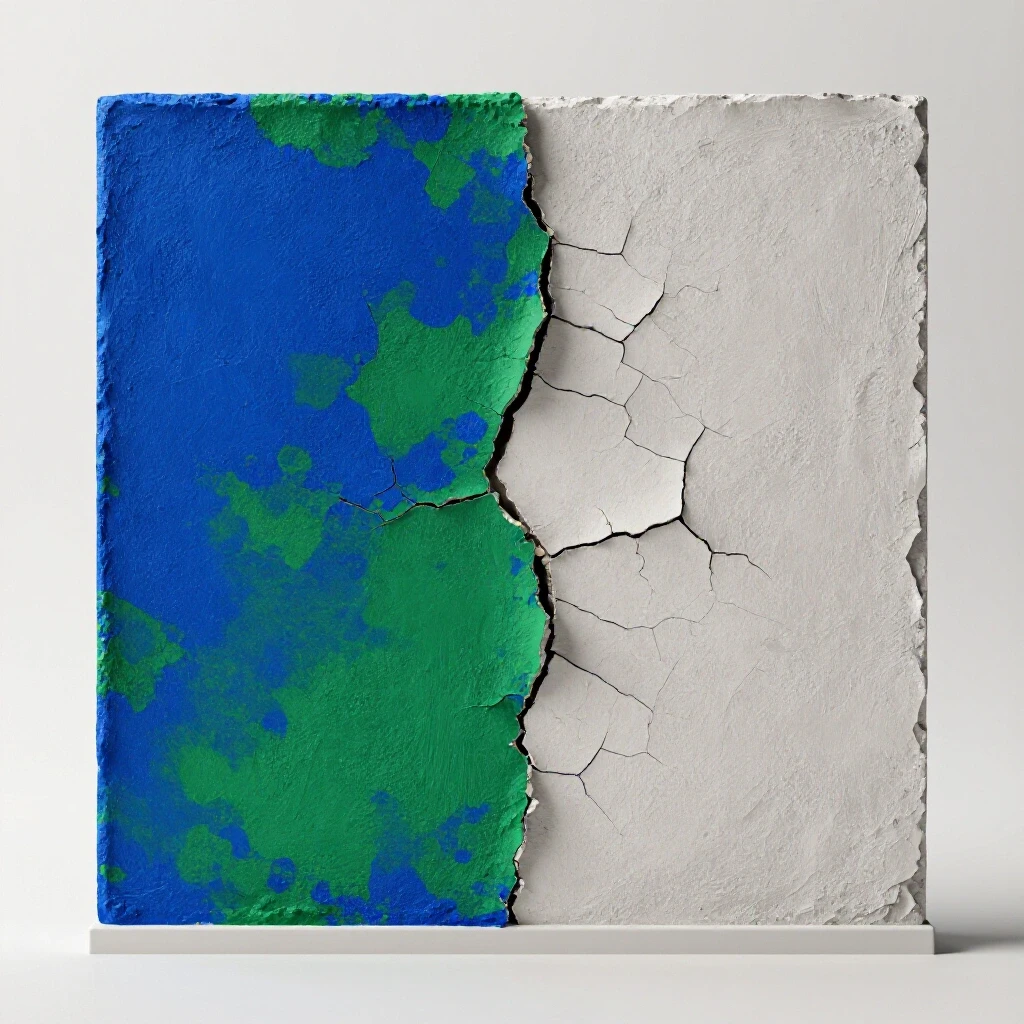
- Visual Inspection: Look for “mapping” cracks, which resemble a spider web and usually indicate the material is drying out or the house has settled.
- Sound Testing: Tap the wall lightly with your knuckles. A sharp, solid “thud” is good; a hollow, rattling sound suggests the keys have failed.
- Moisture Mapping: Use a pinless moisture meter to ensure there are no active leaks behind the surface, especially near windows and plumbing stacks.
Financial Forecasting for Surface Preservation
Estimating the cost of saving original walls requires a shift from standard square-foot pricing to a more nuanced, condition-based budget. Using RSMeans construction estimating resources as a baseline helps us ground these costs in reality.
In my experience coordinating residential builds, homeowners often underestimate the “soft costs” of demolition—dumpster rentals, permit fees for debris, and the sheer labor of hauling heavy debris. While modern materials are cheaper per sheet, the labor to repair an existing wall can often be comparable when you factor in the avoided demolition costs. I typically recommend a 20% contingency buffer specifically for wall repairs in homes built before 1950. This accounts for the “surprises” like finding knob-and-tube wiring that must be replaced once a small section of the wall is opened.
Cost Comparison: Repair vs. Replacement (Per 100 Sq. Ft.)
| Task Category | Preservation/Repair Cost (Est.) | Modern Replacement Cost (Est.) |
|---|---|---|
| Demolition & Disposal | $0 (Minimal) | $450 – $600 |
| Material Costs | $150 – $300 (Lime/Gypsum/Mesh) | $200 – $350 (Board/Mud/Tape) |
| Labor (Specialized) | $800 – $1,200 | $500 – $700 |
| Surface Priming/Prep | $100 | $100 |
| Total Estimated Cost | $1,050 – $1,600 | $1,250 – $1,750 |
Building on this data, you can see that preserving the original material is often cost-neutral or even slightly cheaper when you eliminate the heavy labor of a full “gut” remodel.
Vetting Specialists for Traditional Wall Finishes
Finding a contractor who respects older materials is the most critical step in avoiding a botched renovation and budget overruns. Many modern crews will reflexively tell you to “rip it out” because they lack the specific tools or patience for traditional repair.
When I interview subcontractors for my projects, I look for a “contractor management guide” approach. I ask them about their experience with “brown coats” and “finish coats”—the specific layers used in traditional wall construction. A qualified professional should be able to explain how they will bridge cracks using fiberglass mesh or specialized washers to re-attach loose sections to the lath. If a contractor suggests using standard joint compound for large structural repairs, that is a red flag. Joint compound shrinks more than traditional lime-based products, which will lead to the cracks reappearing within six months.
- Request a Portfolio: Look for photos of “feathering,” which is the technique of blending a repair into the existing wall so the patch is invisible.
- Verify Material Knowledge: Ask if they use “Plaster of Paris” or “structured lime.”
- Check References: Specifically ask previous clients if the repairs held up after a full cycle of seasonal humidity changes.
Integrating Modern Infrastructure into Old Walls
One of the biggest fears for homeowners is how to handle “rough-in” plumbing and electrical updates without destroying the very surfaces they want to save. The “rough-in” phase is when pipes and wires are installed before the final wall finish is applied.
In a typical residential renovation planning sequence, you might think you have to remove the entire wall to run a new wire. However, a skilled electrician can often “fish” wires through the cavities behind the lath. During a kitchen remodel I managed, we used a surgical approach: we cut small “access ports” at the top and bottom of the walls. This allowed us to update the 1930s wiring while keeping 90% of the original wall intact. This method requires more time from the electrician but saves thousands in wall reconstruction and painting.
- Strategic Cutting: Use an angle grinder with a vacuum attachment to minimize dust and prevent the lath from vibrating and breaking more keys.
- Infrastructure Mapping: Document exactly where new pipes and wires are located with photos before patching the access ports.
- Structural Verification: Ensure that any holes cut for junction boxes are reinforced so the surrounding material doesn’t crumble over time.
Scheduling and Sequencing the Repair Phase
Managing the timeline of a project involving traditional materials requires understanding “cure times.” Unlike modern drywall, which can be taped and sanded in a day, traditional lime-based repairs need time to breathe and harden.
In my construction sequencing, I always build in “float time.” Float time is the extra cushion in a schedule that allows for delays without pushing back the final completion date. For wall preservation, I suggest at least three to five days of drying time between the base coat and the final finish coat. If you rush this process and paint too early, the moisture trapped in the wall will cause the paint to bubble or peel, leading to a costly “change order” to fix the finish.
Typical Preservation Project Timeline
- Week 1: Assessment & Stabilization. Securing loose areas with plaster washers and cleaning out cracks.
- Week 2: Rough-in Integration. Electricians and plumbers move through, using small access points.
- Week 3: Base Coat Application. Filling the deep voids and re-establishing the wall’s flat plane.
- Week 4: Finish Coat & Curing. Applying the final smooth layer and allowing it to chemically cure.
- Week 5: Priming & Painting. Only after moisture levels are below 12% as measured by a meter.
Managing the Job Site and Quality Control
The mess associated with old home renovations is a major pain point. Traditional wall repair creates a fine, alkaline dust that can travel through an entire house if not managed correctly.
As a project coordinator, I enforce a strict site management protocol. This includes sealing off the work zone with heavy plastic sheeting and using HEPA-filtered air scrubbers. Interestingly, many homeowners forget about their HVAC systems. If you don’t seal your return vents, that fine white dust will end up in your furnace filters and every room in the house. I always include a “post-occupancy evaluation” clause in my contracts, ensuring the contractor returns to fix any minor “shrinkage cracks” that might appear after the first heating season.
- Dust Barriers: Use “ZipWalls” or similar tension-pole systems to create a tight seal.
- Floor Protection: Use “Ram Board” or heavy-duty floor protection, as the grit from old wall material can scratch hardwood floors instantly.
- Daily Cleanup: Ensure the crew uses a shop-vac with a fine-dust bag every evening to prevent tracking material into living areas.
Why Keeping Original Surfaces Wins Long-Term
While the process requires more specialized planning, the outcomes of maintaining original wall systems are measurable. Post-occupancy evaluations consistently show that homes with their original thick wall systems have better acoustic privacy.
A standard modern wall has an STC (Sound Transmission Class) rating of about 33. A traditional three-coat plaster wall on wood lath often reaches an STC of 50 or higher. This means you won’t hear the television in the next room or the pipes clanging in the wall. Furthermore, these materials are naturally fire-resistant and do not support mold growth as easily as the paper backing on modern wallboard. By choosing preservation, you are investing in a quieter, safer, and more durable living environment.
- Acoustic Insulation: The density of the material blocks high-frequency noise.
- Thermal Mass: These walls hold heat longer, helping to stabilize room temperatures.
- Historical Integrity: Preserving original textures can increase the resale value of a vintage home by 5-10% compared to a “flipped” house with cheap finishes.
Avoiding Common Pitfalls and Contractor Disputes
The most common source of friction between homeowners and contractors is the “change order.” This is a document that modifies the original scope of work and usually increases the price.
To minimize these, your initial contract should be incredibly specific. Instead of saying “repair walls,” the contract should say “stabilize existing lath, apply two-coat gypsum patch to match existing texture, and sand to a paint-ready finish.” I once saw a project go $5,000 over budget because the homeowner assumed “repair” meant the walls would be perfectly flat, while the contractor assumed “repair” meant just filling the holes. Clear benchmarks for “level of finish” (usually Level 4 or 5 in industry terms) can prevent these disputes.
- Standard Milestone Payments: 10% deposit, 30% after rough-ins/stabilization, 30% after finish coat, and the final 30% only after the punch-list is complete.
- Lien Waivers: Always collect a lien waiver from the subcontractor before making the final payment to ensure they have paid their material suppliers.
- Structural Checklists: Have the contractor sign off on a checklist confirming that no load-bearing lath was cut without proper reinforcement.
Practical Next Steps for Your Remodel
If you are currently staring at a cracked wall and wondering what to do, don’t panic. The first step is to stop thinking about demolition and start thinking about stabilization.
Start by purchasing a few “plaster washers”—small, perforated metal disks—and some drywall screws. In a hidden corner, try to pull a loose section of the wall back against the lath. If the material doesn’t crumble, you have a prime candidate for preservation. Reach out to a local historical society or a specialized masonry contractor for a consultation. By taking a methodical, data-driven approach, you can save the character of your home while staying within your budget and timeline.
Frequently Asked Questions
How do I know if my cracks are structural or just cosmetic? Cosmetic cracks are usually thin (less than 1/8 inch) and follow a straight or slightly jagged line. Structural cracks are often wider, appear over door frames or windows, and may be accompanied by a wall that feels “spongy” when pushed. If the crack is wide enough to stick a nickel into, you should consult a structural engineer or a seasoned preservationist.
Can I run new electrical outlets without tearing down the whole wall? Yes. Electricians use “long-reach” drill bits and fish tapes to pull wires through the hollow cavities between the studs. We usually cut a small hole for the new outlet box and perhaps one “access hole” where the wall meets the ceiling. These small patches are much easier to fix than replacing an entire wall.
Does preserving old walls take longer than putting up new ones? The active work time is often similar, but the “drying time” is longer. While you can hang and tape a room in 2–3 days, traditional materials may need 7–10 days to fully cure before they can be painted. However, you save the 3–4 days usually spent on messy demolition and debris removal.
Is it more expensive to fix old plaster than to use drywall? On a per-square-foot basis for the material alone, drywall is cheaper. However, when you factor in the cost of demolition, the price of a dumpster ($400–$600), and the labor to haul away tons of heavy debris, preservation is often very competitive. It usually ends up within 10–15% of the cost of replacement.
How do I find a contractor who won’t just tell me to tear it all out? Look for contractors who specialize in “historic restoration” or “traditional masonry.” Avoid “general handymen” for this specific task. Ask potential hires what kind of “binding agents” they use for repairs. If they say they only use standard “all-purpose joint compound” for large holes, keep looking.
Will my house be a dust bowl during the repair process? It can be, but it doesn’t have to be. A professional crew will use “wet-sanding” techniques or HEPA-vacuum attachments on their sanders. They should also set up “negative air pressure” in the work zone to pull dust out of a window rather than letting it settle in your home.
Can I patch the holes myself? Small cracks and holes (under 6 inches) are very DIY-friendly with the right materials. Larger structural repairs or re-attaching a ceiling are best left to professionals, as the weight of the material can be dangerous if it fails.
Why shouldn’t I just put a thin layer of drywall over the old walls? This is called “over-boarding,” and while it’s common, I don’t recommend it. It makes your walls thicker, which means all your door and window trim will look “sunken” or recessed. It also traps any existing moisture or mold issues behind a new layer where you can’t see them.
What is the best way to paint over old repaired walls? Always use a high-quality “alkyd-based” or specialized “masonry primer” first. Old lime-based surfaces are very thirsty and will soak up the moisture in standard latex paint too quickly, leading to a poor bond. A good primer creates a “bridge” between the old material and the new paint.
Is there an R-value benefit to keeping the original thick walls? While the material itself isn’t a great insulator like fiberglass, its “thermal mass” is significant. It takes a long time to change temperature, which means your home will stay cooler in the summer and hold heat longer in the winter, reducing the “cycling” of your HVAC system.
(This article was written by one of our staff writers, David Langford. Visit our Meet the Team page to learn more about the author and their expertise.)