How to Remove Old Carpet: What to Expect Underneath (Step-by-Step)

Discussing blending styles often begins with the foundation of a room. In my 18 years as a project coordinator, I have learned that the most significant design shifts happen when we strip away dated flooring to see what the previous owners left behind. Whether you are planning a kitchen remodel budget or a whole-house refresh, the transition from soft textiles to hard surfaces is a pivotal moment in any residential renovation planning process.
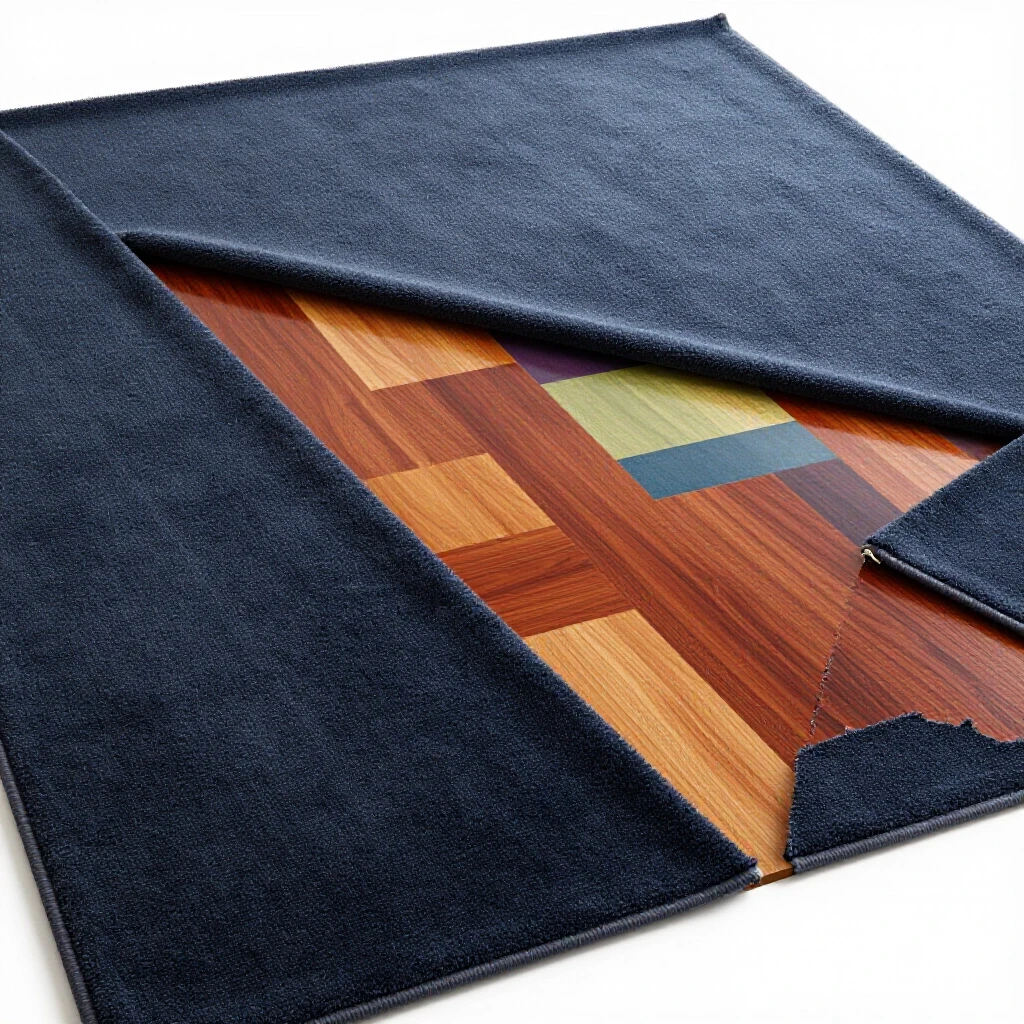
During my first personal home renovation, I expected to find pristine 1940s oak under the beige pile in the living room. Instead, I found three layers of plywood and a patch of concrete where a hearth used to sit. This experience taught me that the space between the floor covering and the subfloor is where budgets either thrive or fail. You cannot accurately plan your construction sequencing until you know the state of the material supporting your feet.
Establishing the Scope of Work for Floor Surface Exposure
Defining the scope of work involves creating a detailed list of every task required to transition from a covered floor to a bare, workable surface. It includes identifying disposal methods, tool requirements, and the expected condition of the underlying material to avoid mid-project delays.
When I draft a contractor management guide for clients, I emphasize that “removal” is not a single line item. It is a phase. You must decide if you are simply clearing the path for a new material or if you are preparing to refinish an original hardwood surface. These two paths have very different costs and timelines.
A common mistake in home remodeling tips is assuming the subfloor is level. In older homes, the floor might have settled. If you find original planks, they may require extensive sanding or even structural reinforcement. Your scope should include the removal of tack strips, the pulling of thousands of staples, and the scraping of ancient foam padding that has likely fused with the wood.
| Task Component | Estimated Time (per 500 sq ft) | DIY Difficulty (1-10) | Professional Cost (RSMeans Avg) |
|---|---|---|---|
| Fiber and Pad Removal | 2-4 Hours | 3 | $0.45 – $0.75 / sq ft |
| Tack Strip & Staple Pulling | 4-6 Hours | 5 | $1.00 – $1.50 / sq ft |
| Adhesive Scraping | 6-10 Hours | 8 | $2.00 – $3.50 / sq ft |
| Subfloor Leveling | 4-8 Hours | 7 | $3.00 – $5.00 / sq ft |
Budgeting for Hidden Surprises Beneath the Surface
Budgeting for this phase requires a realistic look at potential hidden damage such as rot, insect activity, or previous water leaks. A solid financial plan accounts for the “discovery” phase where the true state of the home’s structure is revealed after years of being hidden.
Using RSMeans construction estimating resources, we see that basic removal is inexpensive. However, the “hidden” costs are where the budget blows. Interestingly, about 30% of my past projects encountered some form of subfloor moisture damage that was invisible until the top layer was peeled back. This is why I advocate for a contingency fund of at least 15–25% specifically for floor-related discoveries.
If you find mold or significant rot in the subfloor, the cost to replace a 4×8 sheet of 3/4-inch plywood can range from $80 to $150 including labor. If you are managing a kitchen remodel budget, these small hits add up. Building on this, always ask your contractor for a “unit price” for subfloor repair before work begins. This prevents price gouging when a problem is discovered mid-day.
Construction Sequencing and the Critical Path
The critical path is the sequence of project steps that determines the shortest time to complete a renovation. In flooring projects, exposing the subfloor must happen early enough to allow for structural repairs but late enough to prevent damage from other heavy demolition work.
In a professional construction sequencing plan, you don’t want to expose a beautiful original hardwood floor only to have your kitchen cabinets ripped out over it. I typically schedule the removal of old textiles immediately after “dirty” demo—like taking down walls—but before the “clean” demo, such as cabinetry removal. This protects the subfloor from the heaviest falling debris.
As a result of this timing, you gain a clear view of the home’s “thermal envelope” and structural integrity. You can see if there are gaps in the subfloor that need sealing or if wiring runs are outdated and need to be moved before the new floor goes down. This “float time” in your schedule allows for inspections that can save you from opening the floor back up later.
Identifying Structural Issues and Inspection Checklists
A structural inspection checklist for flooring focuses on identifying signs of movement, moisture, or decay in the joists and subfloor. It serves as a quality control benchmark to ensure the foundation of the room is sound before any aesthetic work begins.
Once the fibers are gone, look for “cupping” in wood planks or “spalling” in concrete. Cupping happens when the bottom of a wood board is wetter than the top, causing it to curl. If you see this, you have a moisture problem in the crawlspace or basement that must be fixed.
I once managed a project where the homeowner wanted to keep the original pine floors found under a 30-year-old rug. Upon inspection, we found the boards were too thin to be sanded again. They had reached their “wear layer” limit. We had to pivot the entire design toward a new material, which added two weeks to the lead time.
- Check for “bounce” or deflection in the floor joists.
- Look for dark staining, which indicates past or present water leaks.
- Inspect the perimeter for “frass” or sawdust, a sign of wood-boring insects.
- Verify that the subfloor is securely fastened to the joists to prevent future squeaks.
Contractor Vetting for Subfloor Restoration
Vetting a contractor for this specific task involves checking their experience with restoration rather than just new installation. A specialist understands how to handle delicate original materials without causing irreversible damage during the removal process.
When interviewing, ask: “How do you handle adhesive removal on original hardwoods?” If they immediately suggest a heavy drum sander without seeing the floor, be cautious. A seasoned pro will suggest a chemical test or a light scrape first. You want someone who views the subfloor as a valuable asset, not just a surface to be covered up.
In my experience, the best contractors provide a detailed change-order threshold. This means they agree that any repair under a certain dollar amount (e.g., $200) is handled automatically, while anything over requires a formal sign-off. This keeps the project moving without constant phone calls for minor plywood patches.
Navigating the “Pull”: Execution Strategies
The execution phase is the physical act of removing the old material and preparing the surface for its next life. It requires specific tools like pry bars, floor scrapers, and heavy-duty pliers to ensure the surface is perfectly smooth and clean.
I recommend a systematic approach. Start in a corner and cut the material into manageable strips—usually about three feet wide. As you pull, use a floor scraper with a long handle. This protects your back and provides better leverage for stubborn padding. Interestingly, the padding is often more difficult to remove than the top layer because the staples are hidden within the foam.
As a project coordinator, I always insist on a “clean site” policy. Every staple must be removed, not just hammered down. Hammering staples flat creates tiny bumps that will eventually telegraph through a new floor or cause “clicks” in a refinished wood floor. It is a tedious task, but it is the hallmark of a high-quality renovation.
Real-World Case Study: The 1960s Ranch Discovery
In one of my professional coordination roles, we tackled a 1960s ranch house. The homeowners were terrified of what they would find under the wall-to-wall green shag. They feared mold or cracked concrete.
Upon removal, we found pristine red oak. However, the previous installers had used 2-inch nails every six inches for the tack strips. This resulted in hundreds of holes around the perimeter. Instead of a simple buff and coat, we had to perform a “full sand and fill.”
- Original Estimate: $2,500 for carpet removal and light cleaning.
- Discovered Issue: Excessive nail hole damage and a pet urine stain in the corner.
- Revised Cost: $4,800 to include deep sanding, wood filling, and specialized odor sealing.
- Outcome: The homeowners still saved money compared to buying new hardwood, but the 20% contingency fund was essential to cover the $2,300 increase.
Essential Project Management Tools for Floor Renovations
Managing a floor reveal requires organization and the right data at your fingertips. These tools help track costs and keep the timeline from slipping.
- Digital Blueprints: Use an app like MagicPlan to measure the exact square footage of each room. This ensures your material orders and labor quotes are accurate.
- Moisture Meter: A $40 tool that tells you if the subfloor is dry enough to receive a new finish. Professional installers will use this, but having your own allows you to monitor the site.
- Gantt Chart Templates: Use a simple tool like TeamGantt to visualize how floor prep overlaps with other trades.
- Lien Waiver Templates: Always have these ready. When you pay the flooring sub, they sign a waiver stating they have been paid, which protects you from legal claims.
Managing Change Orders and Scope Creep
Scope creep happens when small additions—like “let’s just do the hallway too”—slowly inflate the budget. A change order is the formal document used to track these shifts and ensure both parties agree on the new cost and time.
In my 18 years of experience, I’ve seen projects stall because of “analysis paralysis” once a floor is revealed. The homeowner sees the bare wood and suddenly wants to change the entire color palette of the house. To prevent this, set a “design freeze” date. After the floor is exposed, you have 48 hours to make a final decision on the finish. This keeps the contractor on-site and the project on schedule.
Building on this, ensure your contract specifies how “waste disposal” is handled. Old flooring is heavy and bulky. If your contractor didn’t include a dumpster in the bid, you might find a surprise $500 fee for hauling away the debris. Always verify that the bid includes “removal and haul-away.”
Post-Occupancy Evaluation: The Long-Term Result
A post-occupancy evaluation happens six months to a year after the project is finished. It is a time to see how the materials have performed and if the subfloor preparation was successful.
If you skipped the leveling phase, you might notice gaps in your baseboards or a “spongy” feeling in certain spots. If you didn’t seal pet stains properly, odors might return during humid months. I always tell my clients that the work you do under the floor is more important than the wood you see on top. A well-prepared subfloor ensures the longevity of your investment.
- Check for new squeaks after a change in seasons.
- Monitor the finish for even wear.
- Ensure that transition strips between rooms remain secure.
Final Steps for Homeowners
When you are ready to begin, start by pulling up a small corner in a closet. This “sneak peek” can give you a hint of what lies beneath without committing to a full-room demolition. It allows you to refine your residential renovation planning before the contractors arrive.
Next, finalize your contractor management guide. Make sure your expectations for site cleanliness and staple removal are in writing. By being proactive and data-driven, you turn a stressful “discovery” into a controlled, successful phase of your home remodel.
FAQ: Navigating the Floor Reveal Process
What is the most common issue found under old floor coverings? The most common issues are “pet strikes” (urine stains), thousands of staples, and uneven subfloors. In older homes, you may also find “leveling compound” which is a cement-like patch used to flatten floors. This material is brittle and often needs to be chipped away and replaced before a new finish can be applied.
How do I know if my original hardwood can be saved? Look at the “tongue and groove” joints. If you can see the top of the “tongue” (the horizontal piece that fits into the next board), the wood has been sanded too many times and cannot be refinished. Also, check for large gaps; while some gapping is normal for old wood, gaps wider than a nickel may require extensive “slivery” (inserting thin wood strips) or filling.
How much should I expect to pay for professional removal? According to RSMeans data, basic removal and disposal of synthetic floor coverings typically cost between $0.45 and $0.75 per square foot. However, this does not include “floor prep.” If the contractor has to scrape glue or pull staples, expect the price to rise to $1.50 or $2.00 per square foot.
Can I remove the old material myself to save money? Yes, this is one of the most common DIY tasks. However, it is physically demanding. You can save $500 to $1,000 on a standard living room by doing the labor yourself. Just be prepared for the disposal costs; many municipal trash services will not pick up large rolls of flooring without a special permit or fee.
What tools are absolutely necessary for this job? You will need a heavy-duty utility knife (with plenty of spare blades), a pair of locking pliers (Vise-Grips) for pulling staples, a pry bar for tack strips, and a 4-inch floor scraper. Safety gear is also vital: wear a high-quality dust mask (N95 or better) and heavy-duty knee pads.
Is there a risk of finding hazardous materials? In homes built before 1978, there is a possibility that the adhesive (mastic) used for older tile layers underneath the textile may contain asbestos. If you see black, tar-like glue under a layer of old tile, do not scrape it. Have it tested by a professional before proceeding.
How long does the reveal and prep phase usually take? For a 500-square-foot space, a professional crew can usually remove the top layer and padding in half a day. However, the “prep” (pulling staples and smoothing the floor) can take another full day. If structural repairs are needed, add 2-3 days to your schedule.
Why is my floor squeaking now that the carpet is gone? The carpet and padding often acted as a “muffler” for loose subfloor panels. Once the weight and cushioning are removed, the boards can move more freely against the nails. This is actually a blessing; it allows you to screw the subfloor down tightly to the joists before you put a new finish or material on top, permanently silencing the squeaks.
What should I do if I find a “patch” of different wood? It was common in the past to use lower-quality wood (like pine) in areas that would be covered by rugs, while using “clear” oak in the borders. If you find a patch, you have two choices: replace it with matching wood or use a dark stain to help the different species blend together.
How do I handle the transition between different floor heights? Stripping away a thick textile often reveals that the subfloor is much lower than the adjacent room’s tile or wood. You will need “transition strips” or “reducers.” Plan for this in your design phase so you don’t end up with a “trip hazard” at every doorway.
(This article was written by one of our staff writers, David Langford. Visit our Meet the Team page to learn more about the author and their expertise.)