How to Choose Tile Accent Borders That Last (Expert Renovation Tips)

When you start a home remodel, you are often looking for ways to maximize the value for your money. In my 18 years as a construction project coordinator, I have seen homeowners spend thousands on decorative finishes only to regret them five years later. Real value is not just about the initial look; it is about how those choices stand up to daily use and changing tastes.
I remember a project in a 1920s craftsman home where the owners wanted a very complex glass mosaic strip in their primary shower. It looked stunning on day one. However, after three years, the clear adhesive began to yellow, and the tiny grout lines became a magnet for hard water deposits. This taught me a valuable lesson: the most successful decorative choices are those that balance visual appeal with long-term durability.
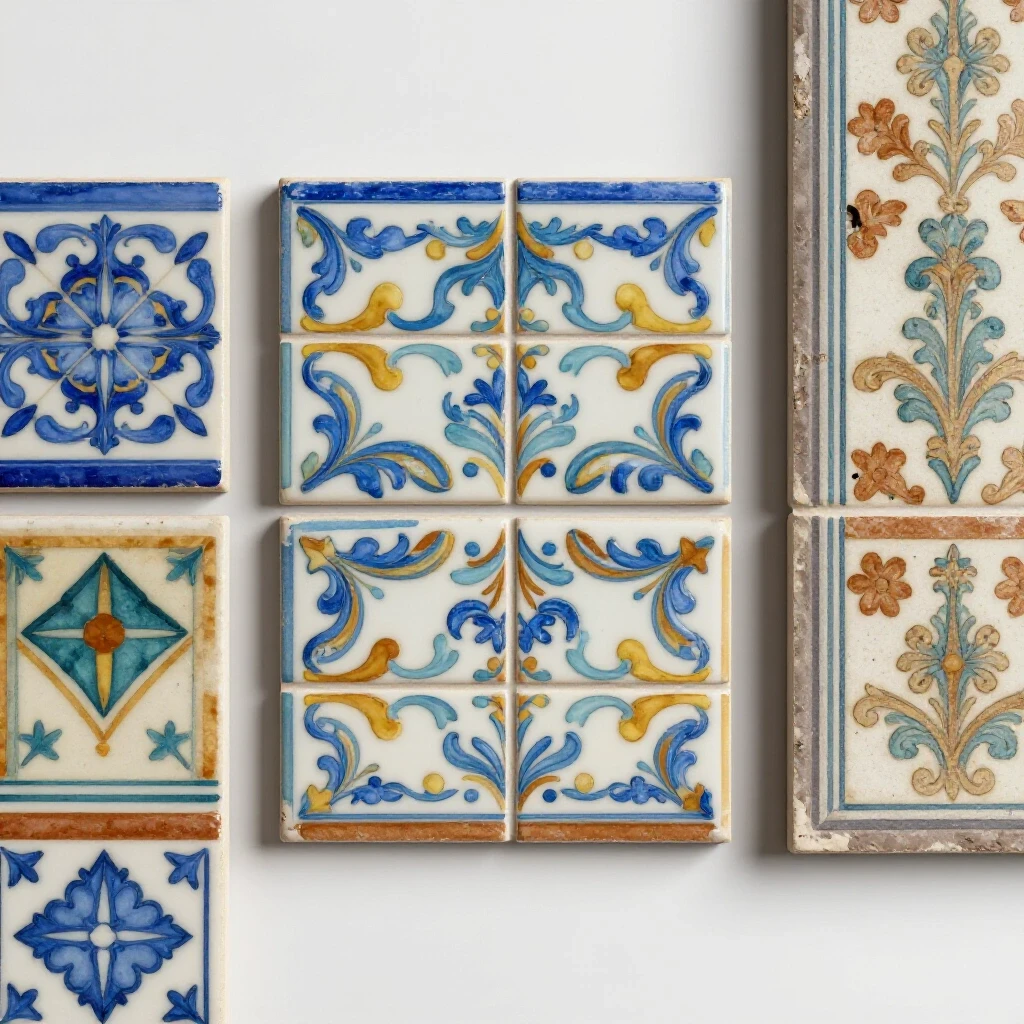
Establishing a Realistic Scope for Decorative Surface Details
Defining the exact placement and material type for decorative additions ensures that contractors provide accurate bids and prevents expensive mid-project changes. A clear scope of work acts as your roadmap, preventing the “while you are at it” conversations that lead to budget overruns.
In my own first home renovation, I failed to specify the exact height and thickness of a decorative stone line in the guest bath. My contractor assumed a standard height, but I wanted it eye-level. Moving it after the mortar had set cost me an extra $400 in labor and wasted materials. This is why a detailed drawing is vital before any thin-set hits the wall.
Material Durability and Long-Term Aesthetic Success
Choosing materials like porcelain or natural stone for decorative strips involves balancing initial cost against how well the surface resists staining and wear over several years. Not all materials age at the same rate, and some require far more maintenance than others.
Based on post-occupancy evaluations I have conducted over the last decade, porcelain and high-quality natural stone tend to age the best. Porcelain is nearly non-porous, meaning it won’t absorb oils or soaps. Natural stone, like marble or slate, requires sealing but offers a timeless look that doesn’t feel dated as quickly as bright glass or metallic finishes.
| Material Type | Durability Rating (1-10) | Maintenance Level | Best Use Case |
|---|---|---|---|
| Porcelain | 10 | Low | High-moisture areas (showers) |
| Natural Stone | 7 | Medium | Dry areas or well-ventilated baths |
| Glass Mosaic | 6 | High | Backsplashes with low scrub needs |
| Metal Finishes | 5 | High | Accent lines in dry zones |
Why Hidden Structural Surprises Blow Budgets
A structural inspection checklist is a tool used to identify issues like mold, rot, or outdated wiring behind walls before the decorative finishes are applied. Discovering these problems early allows you to adjust your budget before you commit to expensive materials.
During a kitchen remodel I managed, we planned a beautiful decorative tile pattern behind the range. When we pulled back the old backsplash, we found charred wires from a DIY outlet job done years prior. Fixing the electrical pushed the project back a week and cost $1,200. If we hadn’t budgeted a 20% contingency fund, the decorative tile would have been the first thing cut from the plan.
- Check for mold: Always inspect the wall studs once the old tile is removed.
- Verify plumbing: Ensure the rough-in plumbing (the pipes behind the wall) is pressure-tested.
- Inspect wiring: Look for frayed or non-grounded wires that need modernizing.
- Test for level: Use a long level to ensure the wall is flat; decorative lines will highlight any bows in the wall.
Integrating Decorative Elements into the Construction Sequence
Proper scheduling ensures that decorative tile work happens after the structural and plumbing rough-ins are verified, preventing the need to tear out expensive finishes later. This is known as the critical path, which is the sequence of stages that must be completed on time for the project to finish.
In construction sequencing, the “finish phase” is where the tile is installed. If you rush this and skip the “rough-in” inspection, you risk a building inspector telling you to tear down your new decorative wall to show them the pipes. I always tell my clients to wait for the green tag from the city before the first tile is buttered.
| Phase | Activity | Impact on Decorative Tile |
|---|---|---|
| Demolition | Removing old surfaces | Reveals structural health |
| Rough-In | Plumbing and Electrical | Sets the location for tile accents |
| Waterproofing | Applying membranes | Ensures the tile won’t fail from leaks |
| Tile Setting | Layout and Installation | The point of no return for design |
| Grouting | Filling the joints | Finalizes the look and seal |
Budgeting for Detail: RSMeans Estimates vs. Real-World Costs
Using industry standards to estimate labor and material costs helps homeowners spot low-ball bids that might lead to poor workmanship on intricate tile layouts. RSMeans is a database used by professionals to calculate average costs for construction tasks across North America.
For a standard bathroom, adding a decorative horizontal band can increase labor costs by 15% to 25%. This is because the installer must make more precise cuts and ensure the different thicknesses of the tiles align perfectly. A “flat” wall is much easier to tile than one with varied textures and patterns.
- Material Cost: $5 – $30 per linear foot for decorative pieces.
- Labor Premium: Expect to pay $2 – $5 more per square foot for intricate patterns.
- Grout and Sealer: High-performance grouts add roughly $1 per square foot but prevent staining.
- Contingency: Keep 15% of the tile budget for breakage and waste.
Managing Contractor Expectations and Quality Control
Clear communication through detailed drawings and written contracts prevents disputes over the alignment and grout consistency of decorative tile patterns. A contractor management guide should include a requirement for a “dry lay” where the tiles are laid out on the floor before being glued to the wall.
I once worked with a homeowner who was furious because the decorative border in their shower didn’t line up with the niche. The contractor had followed the blueprint, but the blueprint didn’t account for the actual tile size. Now, I always insist on a site meeting where we draw the lines directly on the cement board with a marker. This simple step prevents 90% of tile-related disputes.
- Ask for a Portfolio: Look for photos of their previous decorative work, specifically the corners.
- Verify Licensing: Ensure they have the proper insurance and state licenses.
- Check References: Call past clients and ask how the tile looks five years later.
- Discuss Grout: Ask what type of grout they use; epoxy grout is harder to work with but lasts longer.
- Get a Written Bid: Ensure the bid specifies the “decorative layout” to avoid mid-job price hikes.
Real-World Case Study: The Five-Year Fade
In a 2018 remodel I coordinated, two neighbors chose different paths for their bathroom accents. One chose a trendy, high-gloss plastic-composite border. The other chose a simple, honed travertine stone strip. By 2023, the plastic border had faded from UV exposure through the window and showed scratches from cleaning.
The travertine, however, looked exactly the same. While the stone was 20% more expensive upfront, the homeowner saved money because they didn’t need to replace it or look at a degraded product. This is a classic example of why choosing materials that age gracefully is the best financial decision you can make in a residential renovation.
Avoiding Costly Design Errors in Tile Layouts
A design error occurs when the visual weight of a decorative element is poorly placed, making a room feel smaller or lopsided. For example, placing a dark decorative band too low in a small bathroom can “shorten” the walls visually.
When planning your layout, consider the “centerline” of the room. I recommend placing horizontal accents at either “chair rail” height (about 32-36 inches) or “eye level” (about 60 inches). Avoid placing them in the middle of the wall, which can create a visual “cut” that feels awkward. Also, ensure the decorative pieces are the same thickness as the main tile to avoid sharp edges that catch dirt and are hard to grout.
The Role of Post-Occupancy Evaluations
A post-occupancy evaluation is a check-up on a renovation performed months or years after completion to see how the materials and layout are performing. These evaluations are how we determine what truly ages best in a home environment.
In my evaluations, I have found that homeowners are most satisfied with decorative tile that uses a “tonal” approach—colors that are in the same family as the main tile. Highly contrasting colors (like black tile on white) show every speck of dust and every slight misalignment in the grout lines. Tonal patterns hide small imperfections and age much more gracefully as the house settles.
Actionable Tracking Framework for Your Project
To keep your project on track and under budget, you need a way to monitor progress and costs in real-time. Using a simple spreadsheet or a project management app can save you from losing track of change orders and payment milestones.
- Milestone Tracker: List dates for demolition, plumbing sign-off, and tile completion.
- Budget Log: Track every receipt against your initial RSMeans-based estimate.
- Change Order Folder: Keep a digital or physical copy of every change to the original contract.
- Photo Documentation: Take photos of the walls before the tile goes up so you know where the studs and pipes are located.
- Punch-List App: Use a simple note-taking app to list small fixes needed at the end of the job.
Conclusion: Next Steps for Your Remodel
Successfully incorporating decorative tile into your home requires a blend of careful planning and realistic expectations. Start by defining your scope clearly and choosing materials like porcelain or natural stone that have a proven track record of aging well. Always vet your contractors by looking at their past detail work and ensure you have a 15-25% contingency fund for those inevitable structural surprises.
Your next step should be to create a simple sketch of your desired layout and share it with potential contractors. Ask them specifically about the “labor premium” for the decorative elements. By being proactive and data-driven, you can create a beautiful space that stands the test of time without blowing your budget or your sanity.
Frequently Asked Questions
What material for a decorative tile strip lasts the longest in a shower? Porcelain is generally the longest-lasting material for decorative strips in high-moisture areas. It is fired at extremely high temperatures, making it denser and less porous than ceramic or natural stone. This means it resists mold, mildew, and staining better over a five-to-ten-year period.
How much extra should I budget for a decorative border? You should typically budget an additional 15% to 20% over the standard tiling labor rate. Intricate patterns require more cuts, more waste (around 15% instead of the usual 10%), and more time for the installer to ensure everything is level and symmetrical.
Do glass tile accents go out of style quickly? While glass can be beautiful, very colorful or highly reflective glass mosaics tend to date a room faster than natural materials. If you choose glass, stick to neutral tones or frosted finishes, which tend to age better visually and hide water spots more effectively than clear, bright colors.
How do I prevent grout from cracking in my decorative tile line? Cracking usually happens because of house movement or poor substrate preparation. Ensure your contractor uses a high-quality, polymer-modified grout or an epoxy grout for decorative areas. Also, ensure they use “color-matched caulk” at the corners instead of hard grout, as the caulk can flex without cracking.
Will a decorative tile border help or hurt my home’s resale value? A classic, well-executed decorative detail can increase appeal, but a highly personalized or “loud” design may turn off buyers. To protect resale value, choose timeless materials like marble, travertine, or neutral porcelain in patterns that complement the architecture of the home.
What is the best height for a decorative bathroom border? The most common and “timeless” heights are either 36 inches from the floor (matching the height of a vanity) or approximately 60 inches (eye level). Avoid splitting the wall exactly in half, as this can make the ceiling feel lower.
How can I tell if a contractor is skilled enough for intricate tile work? Ask to see photos of their “inside and outside corners.” A skilled tiler will have clean, mitered edges or use professional trim pieces that match the decorative tile. If the corners in their photos look messy or are filled with large amounts of grout, they may not be the right fit for detailed work.
What should I do if I find mold behind my old tile? Do not just tile over it. You must stop the project, identify the source of the moisture (usually a leak or poor ventilation), and treat or replace the affected wood and drywall. This is a common “structural surprise” that should be covered by your contingency fund.
Is it better to run a decorative strip horizontally or vertically? Horizontal strips can make a small room feel wider, while vertical strips can make a low ceiling feel taller. From a maintenance standpoint, horizontal strips in a shower can sometimes collect more soap scum on the top edge if the tile is thicker than the surrounding wall tile.
Can I use floor tile for a decorative wall accent? Yes, but you must ensure the wall can support the weight. Floor tiles are often thicker and heavier than wall tiles. Your contractor may need to use a stronger thin-set mortar or reinforce the wall substrate to prevent the tiles from slipping or pulling away over time.
(This article was written by one of our staff writers, David Langford. Visit our Meet the Team page to learn more about the author and their expertise.)