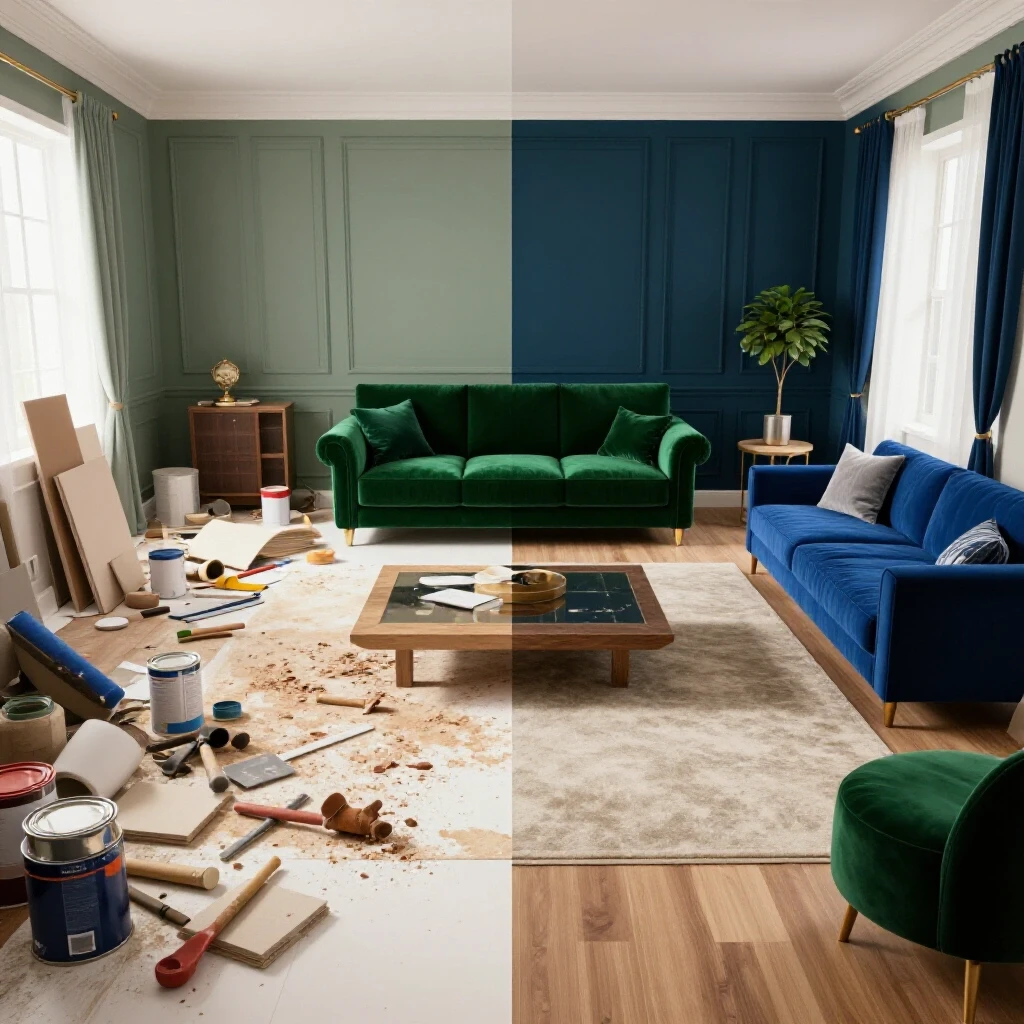
Home Renovation Aftermath: What to Expect & How to Recover (Guide)

Addressing climate-specific needs is the first step in understanding how a finished home performs over time. In my 18 years as a project coordinator, I have seen many beautiful spaces fail because they did not account for local weather. A kitchen in a humid area needs different ventilation than one in a dry climate. When I finished my own home projects, the true test was how the house felt during the first summer and the first deep freeze.
Evaluating the success of a major renovation requires looking past the fresh paint. It is about how the space supports your daily habits and whether the materials stand up to real life. I have led two full-home renovations of my own and oversaw dozens for clients. These experiences taught me that the best designs are the ones that still look and feel good a year after the workers have gone.
Assessing the Final Living Environment
This process involves looking at how the new rooms work for your family once you are actually using them every day. It is a way to see if your initial goals were met and if the space is as comfortable as you hoped.
When I finished my first whole-house project, I spent the first month just observing. I watched how my family moved through the kitchen and where we naturally dropped our bags. Interestingly, a layout that looks perfect on a blueprint can sometimes feel cramped in practice. We had to adjust our furniture placement to fix a traffic jam near the island.
This type of review helps you understand if the choices you made during the design phase were the right ones. It is not about finding mistakes to fix, but about learning how to live in your new environment. You might find that a certain corner needs more light or that a cabinet is hard to reach. These small details are what define the long-term success of your renovation.
The Intersection of Design and Daily Utility
Utility refers to how useful a design choice is in your day-to-day life, while design focuses on the visual style and feel of the room. A successful project balances these two things so the home is both pretty and practical.
In one of my professional projects, a homeowner wanted a very specific type of open shelving. It looked amazing in photos and made the kitchen feel huge. However, after three months of living there, they realized the shelves gathered dust and grease from cooking. The visual win was high, but the daily utility was lower than they expected.
I always suggest keeping a log of how you use your new space during the first few months. Note which areas feel great and which ones cause a bit of friction. Building on this, you can make small tweaks, like adding organizers to a drawer or changing a light bulb to a warmer tone. These tiny changes help the design fit your lifestyle perfectly.
- Check if the “work triangle” in the kitchen actually saves you steps.
- Observe if the bathroom vanity has enough space for your morning routine.
- Test the height of light switches and outlets with your favorite appliances.
- Evaluate if the storage is in the right place for the items you use most.
Evaluating Material Durability and Maintenance
This section focuses on how the surfaces and finishes in your home handle wear and tear over the long term. It looks at the cleaning requirements and the physical strength of the materials you chose.
When I renovated my second home, I chose a very soft stone for the laundry room counters because I loved the color. Within six months, I noticed small scratches from laundry baskets. This was a lesson in material performance. While it looked great, the maintenance was higher than I wanted for a utility space.
Using data from residential building standards, we can see that different materials have very different lifespans. A high-quality wood floor might last 50 years, but it needs careful cleaning. A tile floor might be tougher but has grout lines that need sealing. Understanding these needs helps you keep your home looking new for a longer time.
| Material Type | Maintenance Level | Expected Durability | Cleaning Frequency |
|---|---|---|---|
| Quartz Countertops | Low | Very High | Daily wipe |
| Natural Marble | High | Medium | Weekly + Sealing |
| Engineered Wood | Medium | High | Daily + Polishing |
| Porcelain Tile | Low | Very High | Weekly scrub |
| Solid Brass Fixtures | Medium | High | Monthly polish |
Long-term Performance of Surface Selections
Surface performance is about more than just scratches; it includes how materials react to sunlight, water, and heat. Some materials may fade over time or become slippery when they get wet.
I once worked on a bathroom where we used a beautiful polished stone on the floor. It was stunning, but after the first few showers, the owners realized it was very slippery. We had to add specialized mats and a non-slip treatment. This is why testing materials in their actual environment is so important for long-term satisfaction.
As a result of these experiences, I recommend doing a deep check of all surfaces every six months. Look for loose tiles, fading paint, or wood that seems dry. Catching these things early prevents bigger issues later. It also ensures that the high-quality look you worked so hard for stays that way for years.
Lifestyle Integration and Occupancy Success
Occupancy success means the home feels like it was built specifically for the people living in it. It measures how well the house supports your hobbies, your work, and your rest.
In my years of coordination, I found that the most successful projects were those where the owners planned for their future needs. For example, a couple in their 40s might plan a walk-in shower that will be easy to use as they get older. This kind of thinking ensures the home stays functional for decades, not just a few years.
Lifestyle integration also includes the “quiet” parts of a home, like how well the walls block noise. In one project, we realized the home office was too close to the living room TV. We had to add heavy curtains and a solid-core door to fix the sound issues. These lessons are vital for anyone planning a whole-house remodel.
- Monitor the noise levels between bedrooms and social areas.
- Assess if the entryway can handle the “mudroom” needs of your family.
- Check if the lighting levels are right for reading or working from home.
- Evaluate the ease of moving through the house during busy mornings.
- Test the comfort of seating areas and the height of dining surfaces.
Environmental Comfort and System Performance
System performance refers to how well your heating, cooling, and plumbing work to keep you comfortable. It is about the “unseen” parts of the house that have the biggest impact on your daily mood.
I remember a project where we upgraded the windows but kept the old heating system. After the first winter, the owners felt cold spots near the new glass. We realized the airflow needed to be adjusted to match the new layout. This taught me that every change to the house affects how the whole system breathes and stays warm.
Interestingly, air quality is a huge part of post-renovation comfort. New paint, carpets, and cabinets can release smells for a few weeks. I always recommend using high-quality air filters and keeping windows open when possible during the first month. This helps the house settle and ensures the air you breathe is clean and fresh.
- Measure the temperature in different rooms to find cold or hot spots.
- Listen for any new sounds from the plumbing or the furnace.
- Check the humidity levels to ensure the basement stays dry.
- Verify that the kitchen vent hood actually clears out cooking smells.
Quality Control and the Final Handover Review
The final review is a detailed inspection of every corner of the project to ensure the work meets high standards. It is the moment where you look for the small details that might have been missed during the busy building phase.
In my professional career, I used a very strict checklist for this stage. I would walk through the house with a flashlight to look for uneven paint or gaps in the trim. These small flaws are much easier to fix right when the project ends than a year later. It is about holding the work to a high standard so you can be proud of the result.
A “punch-list” is a list of these small tasks that still need to be finished. Even the best projects usually have a few items on this list. I found that staying organized and patient during this phase is the key to a happy ending. Once those last few items are crossed off, the house truly feels like yours.
Identifying Latent Issues After Completion
Latent issues are problems that do not show up right away but appear after the house has been used for a while. This might include a small leak under a sink or a door that starts to rub against the floor.
I once had a project where a door worked perfectly in the summer but stuck in the winter. The wood had expanded due to the change in humidity. This is a classic latent issue. Because I had a good relationship with the team, we were able to trim the door and fix it quickly. It is important to know that these things are normal and part of the house “settling.”
As a result, I suggest doing a “one-year walk-through.” Walk through your home with the same critical eye you had when the project was new. Look at the corners of the walls for small cracks in the drywall, which are common as a house shifts. Checking these things ensures your home stays in top shape and that your investment is protected.
| Inspection Area | What to Look For | Common Timing |
|---|---|---|
| Drywall Corners | Small hairline cracks | 6 to 12 months |
| Plumbing Joints | Slow drips or moisture | 1 to 3 months |
| Door Frames | Rubbing or sticking | Seasonal changes |
| Window Seals | Drafts or fogging | First winter |
| Grout and Caulk | Cracking or peeling | 6 months |
Practical Steps for Long-Term Satisfaction
To keep your home feeling like new, you need a plan for regular care. This is not just about cleaning, but about understanding how the house works as a machine.
I have found that homeowners who keep a “Home Manual” are much happier. This manual should have the manuals for all your new appliances and a list of the paint colors used in every room. It should also include the contact information for the people who did the work. Having this info in one place takes the stress out of future repairs.
Building on this, schedule your maintenance just like you schedule a car oil change. Change your air filters every three months and check your smoke detectors. These small tasks protect the hard work you put into your renovation. They ensure that the “new house” feeling lasts for many years to come.
- Create a digital folder for all appliance manuals and warranties.
- Keep a list of every paint color and finish used in the house.
- Set calendar reminders for seasonal maintenance like gutter cleaning.
- Store extra tiles or flooring in a dry place for future repairs.
- Take photos of the inside of walls before the drywall goes up.
Lessons from the Coordinator’s Log
Reflecting on my 18 years in the field, the biggest lesson is that a home is never truly “finished.” It is a living thing that changes with you. My two personal renovations taught me that even with perfect planning, you will still learn new things about your house every year.
I remember finding a hidden pipe in a wall during my first remodel that changed our entire bathroom layout. At the time, it felt like a disaster. But looking back, the new layout was actually better than our first plan. This taught me to be flexible and to see challenges as chances to improve the final result.
The goal of a great renovation is to create a space where you feel at peace. When you look around your finished home, you should see your personality and your hard work. By following a careful review process, you ensure that the home stays a place of joy and comfort for you and your family.
FAQ: Navigating the Post-Project Phase
How long does it take for a house to “settle” after a big remodel? Most homes take about one full cycle of seasons to settle. This means you might see small cracks in drywall or doors that stick after 6 to 12 months. This is normal as the new materials adjust to the temperature and humidity of your local climate.
What should I do if I find a small mistake after the workers leave? Keep a list of these items. If they are not urgent, wait a few weeks to see if anything else pops up. Then, contact your lead professional to discuss a “punch-list” visit. Most quality teams expect to come back once or twice to handle these small adjustments.
How do I know if my new kitchen layout is actually efficient? Pay attention to how many steps you take to make a simple meal. If you find yourself constantly walking back and forth across the room, the layout might need a small tweak, like moving where you store your most-used pots and pans.
Why does my new home smell different? New materials like paint, carpet, and wood finishes release gases for a short time. This is called “off-gassing.” To help, keep your home well-ventilated and use high-quality air filters. The smell usually fades within a few weeks of regular use.
Is it normal for my utility bills to change after a renovation? Yes. If you added space, your bills might go up. If you upgraded to energy-efficient windows and insulation, they might go down. It takes about three to six months of regular living to see what your new “normal” utility costs will be.
How often should I seal my new stone countertops? Most natural stones like marble or granite should be sealed every six to twelve months. You can test this by dropping a bit of water on the surface. If the water beads up, the seal is good. If it soaks in, it is time to re-seal.
What is the best way to clean my new hardwood floors? Avoid using too much water or harsh chemicals. Use a microfiber mop and a cleaner specifically made for the type of finish on your floors. Regular sweeping is the best way to prevent small scratches from dirt and grit.
Should I keep the extra materials from the project? Yes! Always keep at least one box of flooring, a few tiles, and a small amount of every paint color. If something gets damaged in the future, having the exact match will save you a lot of trouble and ensure the repair is invisible.
How do I handle a door that starts to squeak or stick? This is often caused by humidity changes. First, check the hinges to see if they are tight. If the door is sticking, you may need to lightly sand the edge or adjust the strike plate. This is a common part of home maintenance after a project.
What is a “Post-Occupancy Evaluation”? It is a formal way of checking how well a building works for the people using it. For a homeowner, it means walking through each room and asking if it meets your needs for comfort, light, sound, and storage. It helps you make the most of your new space.
How can I protect my new bathroom from mold? The key is ventilation. Make sure your exhaust fan is powerful enough for the room and run it for at least 20 minutes after every shower. Cleaning the grout regularly and checking for any small leaks will also keep the space healthy.
When is the best time to do a final quality check? You should do an initial check right before you move back in, and another one about 30 days later. This gives you time to use the fixtures and appliances and
(This article was written by one of our staff writers, David Langford. Visit our Meet the Team page to learn more about the author and their expertise.)