Siding Replacement Guide: Key Lessons for Home Renovations (Tips)

The sun used to hit the west side of my old 1920s bungalow and highlight every crack, peel, and bulge in the cedar planks. It looked tired, and frankly, I felt tired just looking at it. After a month of construction noise and debris, that same wall now features crisp, deep-shadowed lap siding that looks like it belongs in a design magazine. The transformation from a weather-beaten shell to a high-performance, modern exterior is one of the most rewarding parts of residential renovation planning.
Establishing the Scope for Your Exterior Cladding Project
Defining the scope of work means identifying exactly which parts of the home’s exterior will be removed, repaired, or replaced. This process prevents scope creep, which is when a project grows beyond its original plan and budget. A clear scope includes material choices, trim details, and necessary structural repairs.
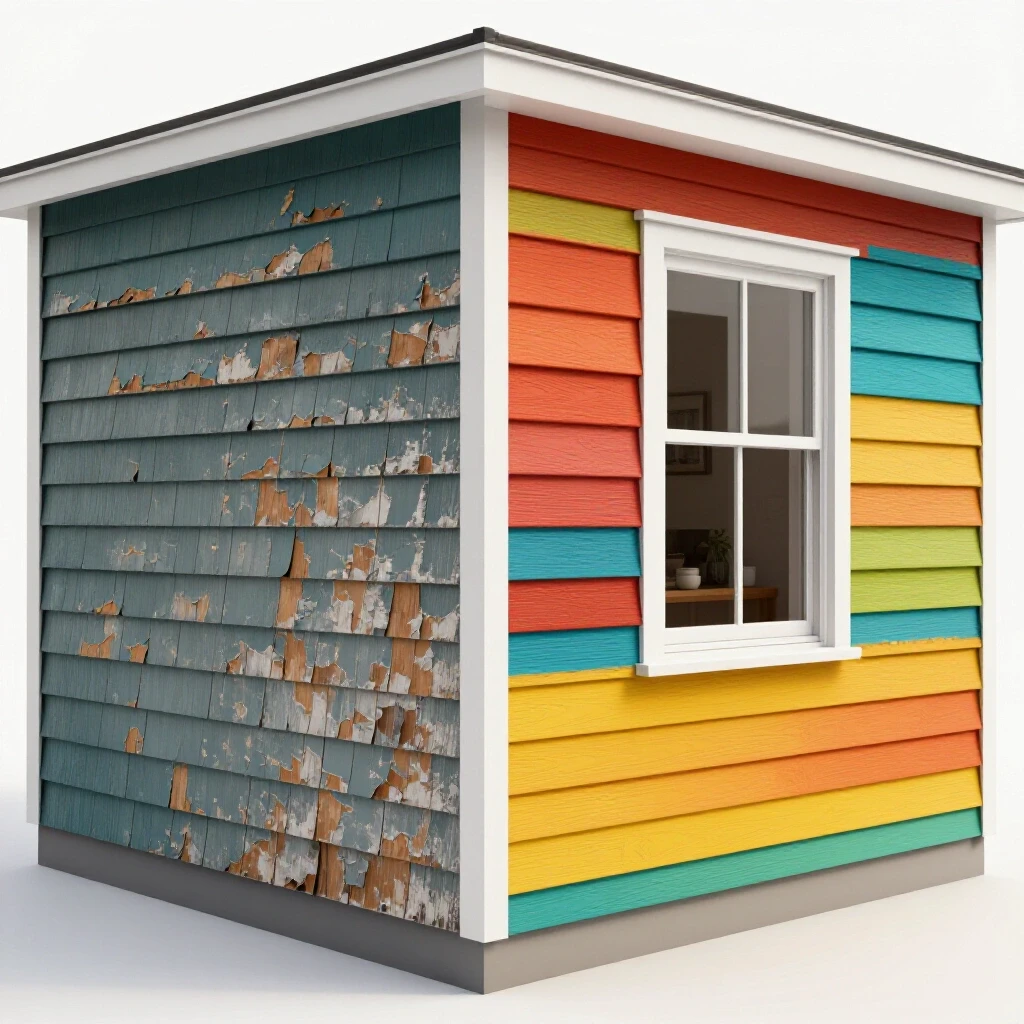
In my eighteen years as a project coordinator, I have seen many homeowners start with a simple desire for “new siding” and end up overwhelmed by the details. You must decide if you are doing a “tear-off” or a “lay-over.” A tear-off involves removing all old material to inspect the wood underneath. A lay-over simply puts new material over the old. I always recommend a full tear-off. During my second personal home renovation, we pulled back the old boards and found a colony of carpenter ants that had eaten through the rim joist. If we had just covered it up, the house would have faced serious structural failure within five years.
Your scope should also define the thermal envelope. This is the physical separator between the conditioned interior of your home and the unconditioned outdoor environment. When you replace the outer skin, you have a rare chance to improve this envelope by adding rigid foam insulation or a better weather-resistive barrier (WRB).
- Determine the total square footage of the exterior walls.
- Decide on the trim material for windows, doors, and corners.
- Identify if soffits and fascia (the boards under the roof overhang) are part of the deal.
- Specify the type of flashing needed to direct water away from the house.
Budgeting for a Protective Home Shell Using Real-World Data
Budget forecasting for exterior updates requires a mix of material costs, labor estimates, and a healthy reserve for the unknown. Using resources like RSMeans helps establish a baseline, but local market conditions often push bids higher. A realistic budget accounts for the “hidden” costs like permits, debris disposal, and equipment rentals.
When I look at RSMeans data, I see national averages that provide a great starting point. However, I tell my clients to look at those numbers as the “floor,” not the “ceiling.” For example, fiber cement might be listed at a certain price per square foot, but that often excludes the specialized tools and extra labor required for its weight and dust management.
Below is a breakdown of how I typically allocate funds based on property age. Older homes almost always require more “discovery” money because you don’t know what the previous owners hid behind those walls.
Contingency Buffer Allocations by Property Age
| Property Age | Recommended Contingency | Common Discovery Issues |
|---|---|---|
| 0 – 15 Years | 10% – 12% | Minor flashing errors, insect nests |
| 16 – 40 Years | 15% – 20% | Early signs of rot, outdated house wrap |
| 40+ Years | 25% + | Structural rot, mold, lead paint, no insulation |
In one project I coordinated, the homeowner ignored my advice on a 20% contingency for their 1950s ranch. When we found that the original sheathing was actually a type of fiberboard that had turned into wet cardboard, they had to pause the project for three weeks to secure more financing. It was a stressful lesson that could have been avoided with a more grounded budget.
Sequencing Your Renovation to Minimize Friction
Construction sequencing is the art of scheduling tasks in an order that prevents workers from damaging each other’s progress. In a whole-house remodel, the exterior skin usually comes after the “rough-in” phase of plumbing and electrical but before final landscaping. This protects the new materials from being bumped or stained during heavy interior work.
I use a concept called “Critical Path Scheduling.” This identifies the sequence of crucial steps that must happen on time for the project to finish. If the siding is delayed, the painters can’t start, and the gutters can’t be hung. This creates a domino effect.
Renovation Phase Sequencing
- Demolition and Inspection: Remove old cladding and check for rot or pests.
- Structural Repairs: Replace any damaged sheathing or framing members.
- Weather-Resistive Barrier (WRB): Install the “house wrap” and tape all seams.
- Window and Door Flashing: Ensure all openings are watertight.
- Main Cladding Installation: The bulk of the visual work happens here.
- Trim and Detail Work: Installing corner boards and window surrounds.
- Sealants and Paint: Applying high-quality caulk and final finishes.
Interestingly, many people try to install new windows after the exterior boards are up. This is a mistake. Windows should be installed and flashed into the WRB before the cladding goes on. This ensures that if water gets behind the boards, it runs down the wrap and over the window flashing, rather than into your wall cavity.
Why Hidden Structural Surprises Blow Budgets
Finding mold, rot, or outdated wiring behind your home’s skin can be a major setback. These issues are often invisible until the old materials are stripped away. A structural inspection checklist is your best defense against these “budget-blowing” discoveries.
During a project in 2018, we removed some old vinyl and found that a previous contractor had cut through a load-bearing stud to run a dryer vent. The wall was sagging by nearly an inch. We had to stop, bring in a carpenter to sister the studs, and re-level the area. This is why I insist on a “discovery day” in the schedule.
- Check for Wood Rot: Look specifically around window sills and near the ground.
- Inspect for Pests: Termite or ant damage can weaken the entire frame.
- Evaluate Sheathing: Ensure the plywood or OSB is dry and securely nailed.
- Assess Insulation: If the walls are open, check if the old batts have settled or grown mold.
If you find mold, do not just spray it with bleach and cover it up. You must identify the source of the moisture. Is it a leaky roof? A bad window seal? Fixing the symptom without fixing the cause is a recipe for a repeat performance in five years.
Material Selection for Durability and Energy Efficiency
Choosing the right material involves balancing aesthetics with the maintenance requirements you are willing to handle. Modern options like fiber cement, engineered wood, and high-grade vinyl offer different levels of fire resistance, impact durability, and R-value (insulation effectiveness).
In my experience, homeowners often overlook the “maintenance debt” they take on with certain materials. Real wood looks beautiful, but it requires restaining every 3 to 5 years. If you live in a high-humidity area, that wood might warp or rot if you miss a single maintenance cycle.
RSMeans-Derived Cost Estimations vs. Real-World Bids
| Material Type | RSMeans Base Cost (Sq. Ft.) | Real-World Bid (Installed) | Maintenance Level |
|---|---|---|---|
| Vinyl (Premium) | $4.50 – $7.00 | $8.00 – $13.00 | Low |
| Fiber Cement | $6.00 – $9.00 | $14.00 – $21.00 | Moderate |
| Engineered Wood | $5.50 – $8.50 | $12.00 – $18.00 | Moderate |
| Cedar Shingles | $9.00 – $14.00 | $22.00 – $35.00 | High |
Building on this, consider the “R-value” of your exterior. Standard siding has almost no insulation value. However, adding an inch of rigid foam board behind the new cladding can break the “thermal bridge.” This stops heat from escaping through the wooden studs, which can significantly lower your monthly utility bills.
Vetting Contractors and Managing the Contract
A contractor management guide is only as good as the vetting process behind it. You need a professional who understands moisture management, not just someone who can nail boards to a wall. Checking references and verifying insurance are the bare minimum requirements.
I once worked with a subcontractor who seemed great until I asked for a lien waiver. A lien waiver is a document that proves the contractor has paid their suppliers and workers. If they don’t pay their lumber yard, that yard can actually put a lien on your house to get their money. Always require these before making milestone payments.
- Ask for a “Sample Wall”: Have them install a 4×4 section to show their flashing technique.
- Verify Licenses: Ensure they are licensed for exterior work in your specific municipality.
- Check the Payment Schedule: Never pay more than 10-15% upfront.
- Define “Clean Site”: Ensure the contract specifies that they will use a magnetic sweep to pick up nails daily.
When reviewing a contract, look for a “Change Order” clause. A change order is a written agreement to change the original scope of work. It should detail the new task, the cost, and how it affects the timeline. Never agree to a price change over a handshake or a phone call.
Execution Strategies and Quality Control Benchmarks
As the project moves into the execution phase, your role shifts to quality control. You don’t need to be an expert, but you should know what “good” looks like. This involves checking the “lapping” of materials and ensuring that gaps are left for expansion and contraction.
One of the biggest mistakes I see is “tight nailing.” Most siding materials need to move as the temperature changes. If a contractor nails vinyl or fiber cement too tight against the wall, the boards will buckle or crack when the sun hits them. You should be able to slide the boards slightly with your hand.
- The “Level” Check: Use a 4-foot level to ensure the first course is perfectly straight.
- Flashing Overlap: Ensure the top piece of flashing always sits over the bottom piece.
- Caulking Gaps: Look for 1/8-inch gaps at trim junctions that are filled with high-grade sealant.
- Nail Placement: Nails should be driven into the studs, not just the thin sheathing.
As a result of these checks, you will catch errors before they are covered up. I remember a project where the crew forgot to install the “starter strip” at the bottom. Because I caught it on day one, they only had to redo three rows of boards instead of the entire house.
Post-Occupancy Evaluations and Long-Term Maintenance
Once the scaffolding is gone, the project isn’t truly over. A post-occupancy evaluation involves checking the work after it has been through a full season of weather. You want to look for signs of “oil canning” (wavy appearance) or sealant failure.
I keep a digital folder for every renovation I do. It includes the paint codes, the brand of the siding, and the contact info for the manufacturer. This is invaluable if a stray baseball cracks a board three years from now. You won’t have to guess which “slate gray” you used; you’ll have the exact SKU.
- Annual Inspection: Walk around the house every spring to check for loose boards.
- Gutter Cleaning: Clogged gutters are the number one cause of exterior rot.
- Sealant Check: Re-apply caulk every 5-7 years to keep the envelope tight.
- Vegetation Management: Keep bushes trimmed at least 12 inches away from the walls to allow for airflow.
Essential Tools for Project Management
Managing a major exterior overhaul is easier with the right digital and physical tools. These help you track spending, stay on schedule, and communicate clearly with your team.
- CompanyCam: An app that allows you and the contractor to share time-stamped photos of the progress.
- HomeAdvisor/Angi Pro Lead Times: Use these to see how far out local crews are booking.
- RSMeans Online: For checking if your contractor’s material quotes are within the national average.
- Gantt Chart Templates: Simple Excel or Google Sheets templates to track the “Critical Path.”
- Digital Angle Finder: For verifying that the trim around your gables is cut accurately.
By using these tools, you move from being a “worried homeowner” to an “informed project manager.” You’ll have the data to back up your questions and the documentation to protect your investment.
Final Steps for a Successful Exterior Update
Taking the leap into a major exterior renovation is daunting, but it is the single best way to protect your home’s value. Start by getting three detailed bids that break down labor and materials separately. Ask every contractor how they handle “hidden rot” and what their specific flashing process is.
Remember, the goal isn’t just a house that looks new. The goal is a house that performs better, costs less to heat and cool, and stands up to the elements for the next thirty years. With a solid plan, a realistic budget, and a vetted crew, you can turn that tired exterior into a source of pride rather than a list of chores.
Frequently Asked Questions
How do I know if I need a full tear-off or just a new layer? A full tear-off is almost always better because it allows for a structural inspection. If you have moisture issues, mold, or a very old home, a tear-off is mandatory. A lay-over can trap existing rot and make it worse, leading to much higher costs later.
What is the average contingency fund I should set aside? For most homes, a 15% contingency is the baseline. If your home was built before 1970, I strongly recommend 20% to 25%. This covers the discovery of lead paint, rotted sheathing, or lack of proper insulation once the old walls are opened.
How long does a typical exterior cladding replacement take? For an average-sized single-family home, the process takes 7 to 14 days of active work. However, bad weather, material delays, or finding structural rot can easily push this to 3 or 4 weeks. Always build a one-week “float” into your schedule.
Does new siding really improve energy efficiency? On its own, cladding has a very low R-value. However, the process allows you to install “continuous insulation” (rigid foam boards) and a modern air barrier. This combination can reduce air leakage and thermal bridging, noticeably lowering your energy bills.
What is the most durable material for a low-maintenance lifestyle? Fiber cement and engineered wood are top choices for durability. They resist fire, insects, and rot better than traditional wood. High-quality vinyl is the lowest maintenance but may not have the same “premium” look or impact resistance.
How can I prevent contractor disputes during the project? The best way is a detailed “Scope of Work” and a written contract. Use change orders for any deviations from the plan. Also, ensure you have a clear payment schedule tied to specific milestones, such as “completion of tear-off” or “installation of WRB.”
What should I look for during the final punch-list walk-through? Check all window and door seals, look for consistent gaps for expansion, ensure all trim is painted or capped, and verify that the site is clean of nails and debris. Use a level to check that the courses are straight and even.
When is the best time of year to schedule this work? Late spring and early fall are ideal because the temperatures are moderate, which is better for the materials and the crew. Extreme cold can make some materials brittle, while extreme heat can cause them to expand too much during installation.
(This article was written by one of our staff writers, David Langford. Visit our Meet the Team page to learn more about the author and their expertise.)