How to Unclog a Shower Drain Without Chemicals (Step-by-Step Guide)

Standing in several inches of tepid, soapy water during what should be a relaxing shower is a frustration most of us have faced. In my 17 years of maintaining older residential properties, I have learned that a slow-moving drain is rarely a sudden event. It is a gradual mechanical failure where hair, skin cells, and soap residue slowly narrow the internal diameter of your plumbing. When I managed a 1920s estate with original lead and cast-iron pipes, I saw firsthand how these materials catch debris differently than modern PVC. Relying on manual tools rather than external additives is the most effective way to ensure the structural integrity of these aging systems.
Analyzing the Mechanics of Bathroom Drainage Failures
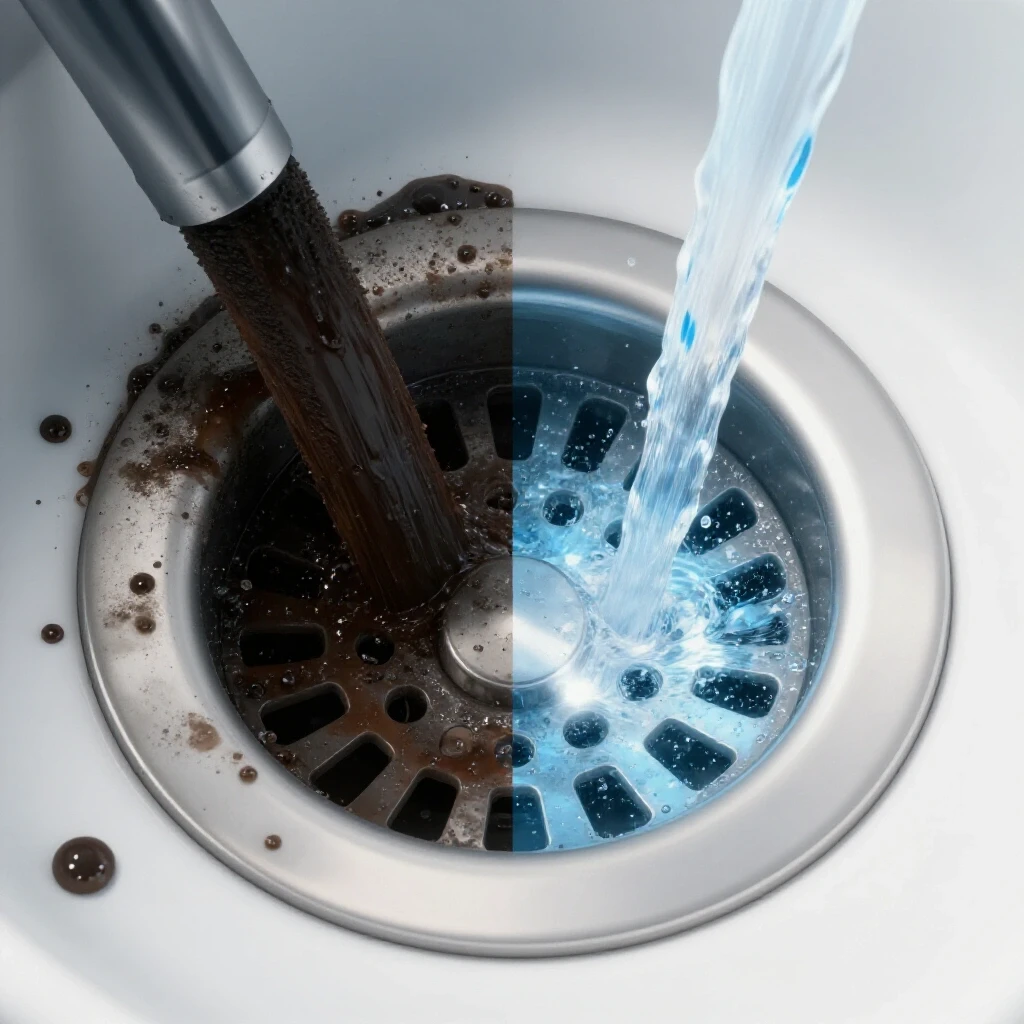
Mechanical obstructions in bathroom plumbing typically occur within the first few feet of the system, specifically at the strainer or the P-trap. Understanding the physics of how water moves through a 2-inch diameter pipe helps you diagnose why a backup is happening. When debris collects, it increases friction and slows the velocity of the water, leading to a total stoppage.
The Role of Biofilm and Hair in Pipe Obstruction
Biofilm is a sticky layer of bacteria and soap scum that adheres to the inner walls of your drainage pipes. This substance acts as an adhesive, catching strands of hair that would otherwise flow through the system. Over time, this mixture creates a dense, fibrous plug that resists water pressure and requires physical removal to restore full flow capacity.
Understanding the P-Trap and Hydraulic Seals
The P-trap is a U-shaped pipe section located directly beneath the shower floor that holds a small amount of standing water. This water creates a seal that prevents sewer gases from entering your living space. Most mechanical blockages occur here because the sharp turns in the pipe trap heavy debris. If you lose this seal due to a deep blockage, you may notice a distinct “rotten egg” smell before the water even starts to back up.
| Symptom | Probable Root Cause | Recommended Manual Tool |
|---|---|---|
| Water pools at feet but drains after shower | Surface hair at the strainer or crossbars | Plastic Zip Tool |
| Water drains very slowly and gurgles | Partial blockage in the P-trap | Cup Plunger |
| Total standing water that does not recede | Deep mechanical plug in the trap or arm | Hand-Crank Auger |
| Foul odors with slow drainage | Biofilm buildup on pipe walls | Wet/Dry Vacuum |
Essential Manual Tools for Restoring Flow
To address these issues effectively, you must have a specific kit of mechanical tools designed for residential plumbing. These tools rely on physical force, suction, or displacement to move or remove the obstruction. In my experience, using the right tool for the specific depth of the clog prevents unnecessary stress on the pipe joints.
Utilizing Plastic Zip Tools for Surface Debris
A zip tool is a thin, flexible plastic strip with upward-facing barbs designed to reach about 18 to 24 inches into a drain. It is the most effective tool for clearing the immediate area under the drain cover where hair typically accumulates. Because it is flexible, it can navigate the initial bend of the pipe without damaging the finish of your fixtures.
Mastering the Standard Cup Plunger for Hydraulic Pressure
The cup plunger is designed specifically for flat surfaces like shower floors or bathtubs. It works by creating a vacuum seal over the drain opening, allowing you to use water as a piston. By pushing and pulling the plunger, you create a rapid change in hydraulic pressure that can dislodge a soft plug and force it through the P-trap.
Utilizing Manual Hand-Crank Augers
A hand-crank auger, often called a drain snake, consists of a flexible steel cable with a corkscrew tip. This tool is essential when a blockage is located beyond the reach of a zip tool. As you rotate the cable, the tip either breaks up the obstruction or entangles it so you can pull the mass out of the pipe entirely.
- Plastic Zip Tool: Best for hair near the surface.
- Cup Plunger: Best for soft clogs and soap scum.
- Manual Auger (1/4 inch cable): Best for deep, stubborn obstructions.
- Wet/Dry Vacuum: Best for pulling debris upward rather than pushing it down.
- Flashlight: Essential for visual inspection of the drain throat.
- Screwdriver: Necessary for removing the drain strainer or cover.
Advanced Manual Intervention Techniques
When basic plunging does not work, you must move to more technical mechanical methods. These steps require a systematic approach to ensure you do not push the clog further into the main stack. I always recommend a “pull first, push second” philosophy to avoid compacting the debris.
Wet/Dry Vacuum Extraction Methods
Using a wet/dry vacuum is a highly effective way to remove a clog without pushing it deeper into the plumbing. By creating a tight seal between the vacuum hose and the drain, you use atmospheric pressure to suck the obstruction out of the pipe. This is particularly useful for hard objects like small toys or bottle caps that might have fallen down the drain.
To execute this, remove the drain cover and fill the shower floor with about an inch of water to help create a seal. Wrap a wet rag around the vacuum hose to ensure no air escapes. Turn the vacuum to the “wet” setting and pulse the power in five-second intervals. This creates a rhythmic suction that often pulls the entire hair mass into the vacuum canister.
Operating a Hand-Crank Drain Auger Safely
Using an auger requires a delicate touch, especially in older homes with thinner metal pipes. You should feed the cable into the drain slowly until you feel resistance. Once you hit the blockage, tighten the lock and rotate the handle clockwise while applying slight forward pressure. This allows the head to “bite” into the clog.
If the cable gets stuck, do not force it. Reverse the rotation and pull back slightly. Once you feel the cable grab the obstruction, slowly retrieve it. You will often find a large mass of hair and soap residue. Clean the cable thoroughly after use to prevent corrosion, as the moisture and debris can weaken the steel over time.
| Tool Type | Maximum Effective Reach | Physical Risk Level | Best Use Case |
|---|---|---|---|
| Zip Tool | 2 Feet | Low | Weekly hair removal |
| Cup Plunger | 3 Feet | Medium | Soft soap/biofilm plugs |
| Hand Auger | 15-25 Feet | High | Deep pipe obstructions |
| Wet/Dry Vac | 3-5 Feet | Low | Removing hard objects |
Systematic Troubleshooting and Execution
When I approach a drainage issue, I follow a strict diagnostic sequence. This prevents me from using a heavy-duty tool when a simple one would suffice. It also protects the integrity of the plumbing by minimizing the mechanical stress placed on the pipes.
Step 1: Visual Inspection and Surface Clearing
Start by removing the drain cover using a screwdriver. Use a bright flashlight to look down the throat of the pipe. Often, you can see the hair mass sitting right on the crossbars. Use your zip tool or a pair of long-nosed pliers to pull this out. In 60% of the cases I handled in residential facilities, this simple step resolved the issue.
Step 2: Applying Controlled Hydraulic Pressure
If the drain is still slow, use the cup plunger. Ensure there is enough water in the shower to cover the lip of the plunger. Block the overflow drain if you are working on a tub-shower combo to ensure the pressure goes toward the clog. Use 10 to 15 firm strokes, maintaining the seal the entire time. The goal is to move the water back and forth, not just push it down.
Step 3: Mechanical Retrieval with an Auger
If plunging fails, the clog is likely too dense or too deep. Insert your manual auger. When navigating the P-trap, you will feel a “bend.” You may need to apply a bit more pressure while cranking to get the head through this U-shape. Once through, continue until you hit the obstruction. Retrieve the cable slowly and dispose of the debris in a trash bag immediately to avoid making a mess.
Maintaining Mechanical Integrity and Safety
Safety is paramount when working with manual tools. While these methods are safer for your pipes than other alternatives, they still require physical caution. Always wear eye protection and heavy-duty gloves. The debris pulled from a drain can contain sharp objects or bacteria that you do not want in contact with your skin.
- Check Pipe Material: If you have older lead pipes, be extremely gentle with an auger. Lead is soft and can be easily punctured by a steel cable.
- Monitor Water Pressure: After clearing a clog, run the water for five minutes. This flushes any remaining small particles and ensures the P-trap seal is fully restored.
- Inspect for Leaks: If you are working on a second-floor shower, have someone check the ceiling below for any signs of moisture after you have finished your mechanical clearing.
- Clean Your Tools: Wipe down your auger cable with a rag soaked in a mild disinfectant and allow it to dry before retracting it into the housing. This prevents the tool from smelling and rusting.
Building a Manual Tool Maintenance Routine
Instead of waiting for a total failure, I recommend a systematic check of your drainage pathways every three to six months. This “early detection” approach is what prevents the 2:00 AM plumbing emergency. By using a zip tool regularly, you catch the hair before it reaches the P-trap, which is the most common point of failure.
In my years of property care, I found that homeowners who keep a basic manual kit—a zip tool, a plunger, and a small hand auger—spend significantly less on home repairs. You are not just fixing a drain; you are protecting the structural health of your home’s envelope by preventing water overflows and hidden leaks.
Frequently Asked Questions
How do I know if the clog is in the shower or further down the main line? If only one shower is backing up, the issue is likely localized to that specific drain’s P-trap or branch line. If multiple fixtures (like the toilet and the sink) are backing up simultaneously, the obstruction is likely in the main sewer stack. Manual tools like a small hand auger are designed for localized clogs, not main line issues.
Can I use a plunger on a shower that has a built-in pop-up stopper? You must remove the stopper first. Most pop-up stoppers can be unscrewed or lifted out by removing a small set screw. A plunger requires a flat, smooth surface to create a vacuum seal. If the stopper remains in place, air will leak out, and you won’t be able to generate the necessary hydraulic pressure to move the clog.
Is it possible to damage my pipes with a manual drain snake? Yes, if you use excessive force. In older homes with thin-walled copper or lead pipes, the steel head of an auger can scrape or even puncture the metal. Always feed the cable slowly and stop if you feel the cable “binding” or kinking. If the cable won’t move forward with moderate cranking, pull it back and try a different angle.
Why does my shower drain still smell after I have cleared the hair out? The smell usually comes from biofilm buildup on the walls of the pipe above the water line in the P-trap. While manual tools remove the “plug,” they don’t always scrub the pipe walls. Using a wet/dry vacuum can help pull some of this slime out, or you can use a long-handled nylon brush to mechanically scrub the first few inches of the pipe.
What is the best way to create a seal for a plunger on a textured shower floor? Textured or non-slip shower floors can make it hard to get a vacuum seal. I have found that applying a thin layer of petroleum jelly to the rim of the plunger cup can help fill those small gaps and create a better airtight bond against the floor, allowing for much stronger suction and pressure.
How deep into the drain can a standard hand-crank auger reach? Most residential hand augers come with a cable length of 15 to 25 feet. For a standard bathroom, this is more than enough to reach through the P-trap and into the branch line that connects to the main stack. If the clog is deeper than 25 feet, it is usually beyond the DIY scope of manual hand tools.
Does the temperature of the water matter when I am plunging? Yes. Warm water is more effective than cold water when using a plunger. Heat helps to soften soap scum and fats that may be binding the hair together. Before you start plunging, I recommend letting some warm water sit in the basin for a few minutes to help lubricate the obstruction.
What should I do if the zip tool breaks off inside the drain? This is a common issue with cheap plastic tools. If a piece breaks off, do not panic. Use a pair of needle-nose pliers to try and grab the end. If it is too deep, a manual hand auger can usually hook the plastic piece and pull it back out. This is why it is important to use high-quality, thicker plastic zip tools.
How often should I use a zip tool as part of my home maintenance? In a high-use shower, I recommend using a zip tool once a month. This prevents hair from migrating past the strainer and into the P-trap. It only takes about two minutes and can prevent the need for more aggressive tools like an auger or a vacuum later on.
Can a wet/dry vacuum damage the P-trap? A wet/dry vacuum is generally very safe because it uses air pressure rather than mechanical force. However, ensure you are not using it on “blower” mode, which could potentially blow the water out of other traps in the bathroom. Always use the “suction” or “vacuum” mode to pull debris toward you.
(This article was written by one of our staff writers, Daniel Whitaker. Visit our Meet the Team page to learn more about the author and their expertise.)