How to Prevent Costly Plumbing Calls at Home (Step-by-Step Guide)

The sound of a slow, rhythmic drip against a cabinet floor is often the first warning of a system in distress. In my seventeen years of maintaining older residential structures, I have learned that these quiet signals are the house’s way of asking for help before a minor issue turns into a structural emergency. By paying attention to the physics of water movement and the mechanical health of your home, you can address common failures through observation and routine care.
Understanding the Building Science of Water Management
Building science is the study of how heat, air, and moisture move through a structure’s envelope and mechanical systems. Understanding these forces allows a homeowner to predict where water might fail to flow correctly, helping to maintain the integrity of legacy pipes and fixtures without external intervention.
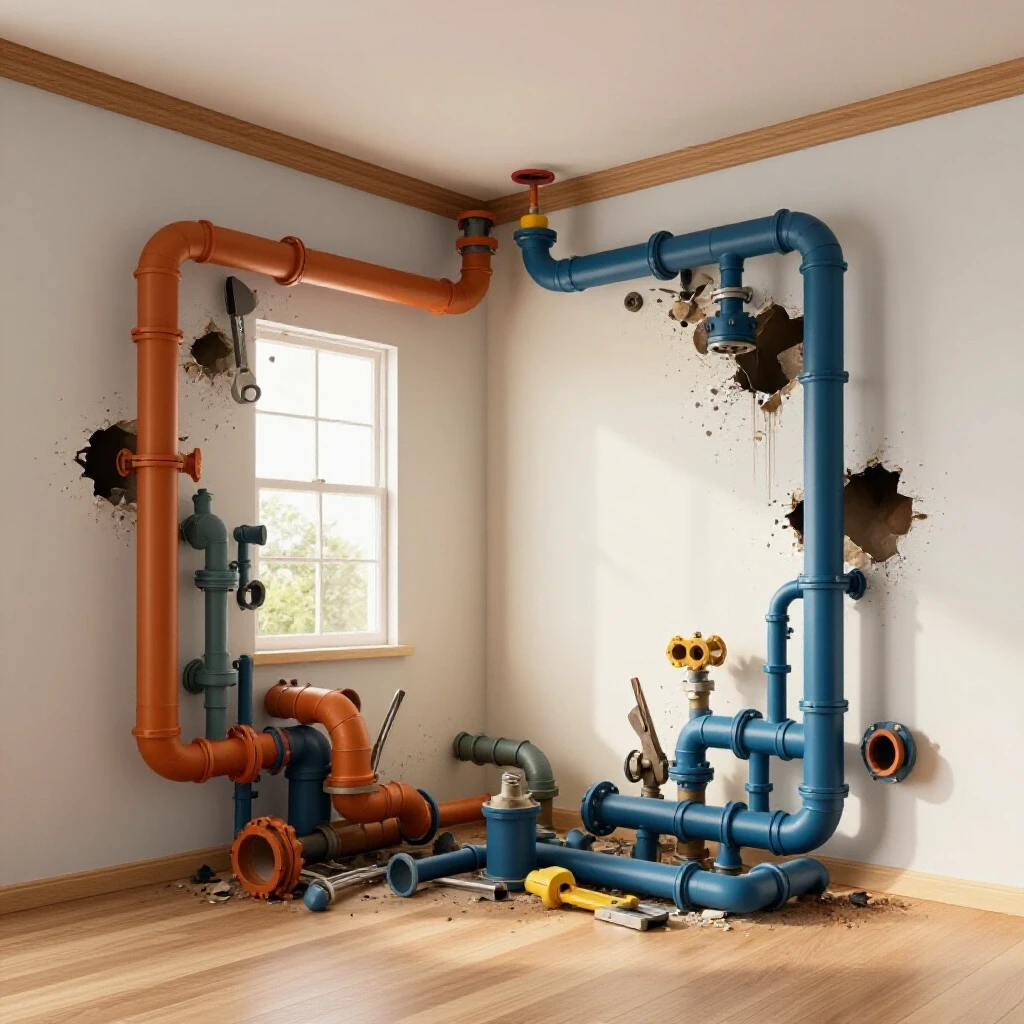
Water in a residential setting operates under two primary forces: gravity and pressure. In an older home, the drainage system relies on a precise slope—typically 1/4 inch of drop per foot of pipe—to move waste away using gravity. When this slope is compromised by settling or when internal friction increases due to mineral buildup, the system slows down. By monitoring the speed of drainage, I can often identify a restriction long before the pipe becomes fully obstructed.
Another critical concept is atmospheric pressure. For water to flow out of a drain, air must be able to follow it. This is why your home has a vent stack protruding through the roof. If a drain gurgles or smells faintly of sewer gas, it often indicates a pressure imbalance rather than a physical clog. Addressing these air-flow issues early is a fundamental part of a preventative home care strategy.
Early Detection Through Systematic Property Assessments
Residential diagnostics involve the regular inspection of high-risk areas to identify signs of wear before they cause damage. This process requires a baseline understanding of what “normal” looks like for your specific property, from the sound of the water heater to the dryness of the basement walls.
I begin every assessment at the lowest point of the home. In older properties, the basement or crawlspace acts as a diagnostic hub. I look for efflorescence—a white, powdery mineral deposit on masonry walls—which indicates that moisture is migrating through the foundation via capillary action. This is the process where liquid travels through porous materials, much like water climbing up a paper towel. If I see these signs, I know I need to check the exterior drainage pathways.
Testing the water pressure is another vital step in my routine. Most residential systems should operate between 40 and 60 PSI. If the pressure exceeds 80 PSI, it puts excessive strain on valves, gaskets, and appliance hoses. By using a simple screw-on gauge, I can verify if a pressure-reducing valve is failing, which prevents the sudden failure of a washing machine hose or a faucet seal.
Symptom-to-Root-Cause Diagnostic Tree
| Observed Symptom | Potential Mechanical Root Cause | Building Science Principle |
|---|---|---|
| Slow bathroom sink drain | Hair and soap scum accumulation in the P-trap | Increased internal friction |
| Gurgling sounds in walls | Blocked or restricted vent stack | Atmospheric pressure imbalance |
| Dampness under kitchen sink | Failing compression nut or worn gasket | Mechanical fatigue/Vibration |
| Sudden drop in hot water flow | Sediment buildup in the water heater tank | Thermal displacement/Scaling |
| Water spots on basement floor | Condensation on cold water lines | Dew point/Thermal bridging |
Essential Tools for Proactive Home Monitoring
Maintaining a legacy property requires a specific set of diagnostic tools that go beyond a standard wrench. These instruments allow me to see what is happening inside walls and under floors, providing data-driven insights into the health of the home’s water systems.
To keep my home running efficiently, I rely on a kit designed for early detection. The goal is not to perform heavy repairs but to verify the state of the system. For example, a moisture meter is indispensable for checking the wood framing around windows or under sinks. If the moisture content in the lumber exceeds 19%, it becomes a breeding ground for decay and mold.
- Non-invasive Moisture Meter: Used to detect hidden leaks behind drywall or under subflooring by measuring electrical resistance or capacitance.
- Water Pressure Gauge: Attaches to an exterior hose bib to monitor the incoming utility pressure and identify surges.
- Infrared Thermometer: Helps identify “cold spots” in walls, which often indicate moisture-saturated insulation or air leaks.
- Flexible Inspection Camera: Allows for a visual check inside tight spaces, such as behind a tub access panel or into a floor drain.
- Water Leak Sensors: Smart devices placed near high-risk appliances like water heaters and dishwashers to provide instant alerts to a smartphone.
Maintaining the Drainage Path and Venting System
The drainage system is the most passive yet critical part of a home’s water infrastructure. It requires clear pathways and proper air pressure to function, and minor maintenance here can prevent the need for significant mechanical intervention later.
In my experience, the most common cause of a slow drain is a simple mechanical obstruction in the P-trap—the U-shaped pipe under the sink. This trap is designed to hold a small amount of water to block sewer gases from entering the home. However, it also catches debris. Every six months, I perform a visual check of these traps. By placing a bucket underneath and unscrewing the slip nuts, I can clear out hair and soap buildup that would eventually lead to a total blockage.
I also pay close attention to the vent stack on the roof. During autumn, leaves can clog these openings, and in winter, frost can restrict them. If I hear a “glug-glug” sound when the toilet flushes, I know the system is struggling to pull in air. Clearing the vent from the roof—or simply checking it with a flashlight from the attic—restores the pressure balance and keeps the drains moving at their designed velocity.
DIY vs. Professional Scope Limits
| Task Description | DIY Maintenance Level | When to Stop and Consult Code |
|---|---|---|
| Clearing a P-trap | Safe for most homeowners | If the wall piping is corroded |
| Testing water pressure | Simple and non-invasive | If the main shut-off valve is stuck |
| Flushing a water heater | Recommended annually | If the T&P valve is leaking |
| Monitoring moisture | Highly encouraged | If structural rot is discovered |
| Checking vent stacks | Safe with proper ladder safety | If the vent requires relocation |
Protecting the Building Envelope from Water Intrusion
The building envelope is the physical separator between the conditioned interior and the unconditioned exterior of a home. Controlling how water interacts with this boundary is essential for preventing structural damage and maintaining a dry interior environment.
I treat the exterior of my home as the first line of defense. This involves managing the “drainage plane,” which is the path water takes from the roof to the ground. I ensure that gutters are clear and that downspouts discharge at least 5 to 10 feet away from the foundation. If water pools near the house, hydrostatic pressure—the force exerted by standing water—can push moisture through microscopic cracks in the foundation.
On the interior, I watch for thermal bridging. This happens when a highly conductive material, like a metal pipe or a poorly insulated stud, allows heat to bypass the home’s insulation. In the summer, a cold water pipe can reach the dew point, causing humidity in the air to condense on the pipe’s surface. This “sweating” is often mistaken for a leak, but it can be solved by simply adding foam pipe insulation to break the thermal bridge.
A Seasonal Framework for Preventative Home Care
Routine care is more effective when it is scheduled rather than reactive. By following a structured timeline, I can ensure that every system is inspected at the appropriate time of year, reducing the likelihood of unexpected failures during peak usage seasons.
In the spring, my focus is on the exterior. I check the grading of the soil around the house to ensure it slopes away at a rate of 1 inch per foot for the first 6 feet. This prevents water from saturating the soil near the footings. In the fall, I transition to the interior, focusing on the water heater and the shut-off valves. Turning every shut-off valve under the sinks and toilets once a year ensures they don’t “freeze” in place due to mineral deposits, which is vital if you ever need to stop water flow quickly.
Annual Maintenance Checklist for Legacy Properties
- Spring: Clean gutters and verify downspout extensions. Check the sump pump by pouring a bucket of water into the pit to ensure the float switch activates.
- Summer: Inspect the air conditioning condensate line for clogs. Check for pipe “sweating” in the basement and apply insulation where needed.
- Fall: Disconnect garden hoses to prevent outdoor faucets from freezing. Flush the water heater to remove sediment from the bottom of the tank.
- Winter: Monitor humidity levels inside the home. Keep them between 30% and 50% to prevent window condensation and wood shrinkage.
- Monthly: Perform a visual walk-through under every sink and around the base of the water heater to look for new moisture stains.
Executing a Systematic Repair for a Slow Drain
When a drain begins to slow down, I follow a logical sequence to resolve the issue. This systematic approach ensures that I am addressing the actual cause rather than just treating a symptom with harsh chemicals, which can damage older cast iron or thin-walled brass pipes.
First, I perform a mechanical cleaning of the pop-up stopper. In many bathroom sinks, the stopper assembly collects hair and biofilm. By removing the clevis rod behind the tailpiece, I can lift the stopper out and clean it. This simple five-minute task often restores full flow. If the blockage is further down, I move to the P-trap. I avoid using liquid drain cleaners because they are caustic and can generate heat that weakens older pipe joints.
If the slow drain persists after cleaning the trap, I look further downstream. I check the “cleanout” plug, which is a dedicated access point for the main sewer line. By opening this (carefully, with a bucket ready), I can see if water is backed up into the main branch. If the cleanout is dry but the sink is backed up, the problem is localized. This diagnostic logic allows me to pinpoint the exact location of the restriction without unnecessary guesswork.
Practical Safety Boundaries and Standards
Safety is the most important component of home maintenance. Knowing the physical limits of your system and the safety standards set by organizations like the Consumer Product Safety Commission (CPSC) helps you avoid accidents and ensure your home remains a safe environment.
One critical safety check involves the Temperature and Pressure (T&P) relief valve on the water heater. This valve is designed to open if the tank’s internal pressure or temperature exceeds safe limits. I never plug or bypass this valve. According to safety standards, the discharge pipe from this valve must be made of a material rated for high temperatures and must terminate near the floor to prevent scalding in the event of a release.
I also maintain a “no-chemical” policy for my plumbing. Chemical drain openers can cause chemical burns if they splash back during a later repair, and they are often ineffective against total blockages. Instead, I rely on mechanical tools like a hand-powered drain auger or a plunger. These tools are safer for the pipes and the person using them, aligning with a long-term strategy for structural protection.
Conclusion: The Value of a Proactive Mindset
Maintaining an older home is a continuous process of observation and minor adjustments. By applying the principles of building science—monitoring pressure, managing moisture, and ensuring proper airflow—you can keep your property’s systems functioning as they were intended. The key is to act on the small signs: the gurgle in the pipe, the dampness in the basement, or the slight drop in water pressure.
Through a systematic approach to diagnostics and a regular maintenance schedule, I have been able to preserve the integrity of my home while avoiding the stress of emergency repairs. This proactive care not only protects the structural health of the building but also provides the peace of mind that comes from knowing your home is being cared for with precision and expertise.
Frequently Asked Questions
Why does my drain gurgle when I’m not using it?
This is often a sign of a venting issue. When a large volume of water moves through the main stack—like a toilet flush—it creates a vacuum. If the vent stack is restricted, that vacuum pulls air through your sink’s P-trap, creating a gurgling sound. It indicates that the atmospheric pressure in your system is unbalanced.
Is it safe to use boiling water to clear a slow drain?
While boiling water can help dissolve soap scum, it should be used with caution. In older homes with PVC or thin-walled pipes, extremely high temperatures can soften the plastic or cause joints to expand and leak. It is generally safer to use hot tap water and mechanical cleaning methods.
How do I know if my water pressure is too high?
The most reliable way is to use a water pressure gauge that screws onto a standard garden hose faucet. If the reading is consistently above 80 PSI, you should check your pressure-reducing valve. High pressure can cause “water hammer,” which vibrates pipes and leads to joint failure over time.
What is the white crusty stuff on my basement walls?
That is efflorescence. It occurs when moisture travels through masonry and evaporates on the surface, leaving behind dissolved salts. While the powder itself isn’t harmful, it is a diagnostic sign that water is saturating your foundation from the outside, usually due to poor gutter drainage or soil grading.
How often should I flush my water heater?
For most homes, an annual flush is recommended. If you have “hard” water with high mineral content, you might need to do it every six months. Flushing removes the calcium and sediment that settle at the bottom, which improves heating efficiency and prevents the tank from overheating and weakening.
Why do my pipes make a banging sound when the water turns off?
This is called “water hammer.” It happens when a fast-acting valve, like the one in a washing machine, shuts off suddenly. The momentum of the moving water has nowhere to go, causing a shockwave. Installing water hammer arrestors or checking your home’s air chambers can resolve this mechanical stress.
Can a slow drain cause structural damage?
Yes, if left unaddressed. A slow drain often indicates a partial blockage that increases the pressure on pipe joints. If a joint begins to seep behind a wall, it can lead to hidden rot in the wall studs and subflooring, which is much more difficult and expensive to address than a simple clog.
What is the most important tool for a homeowner to own?
Beyond a basic toolkit, a non-invasive moisture meter is essential. It allows you to “see” moisture levels inside materials before they show visible stains. This tool is the best way to verify if a suspected leak is active or if a previous issue has fully dried out.
(This article was written by one of our staff writers, Daniel Whitaker. Visit our Meet the Team page to learn more about the author and their expertise.)