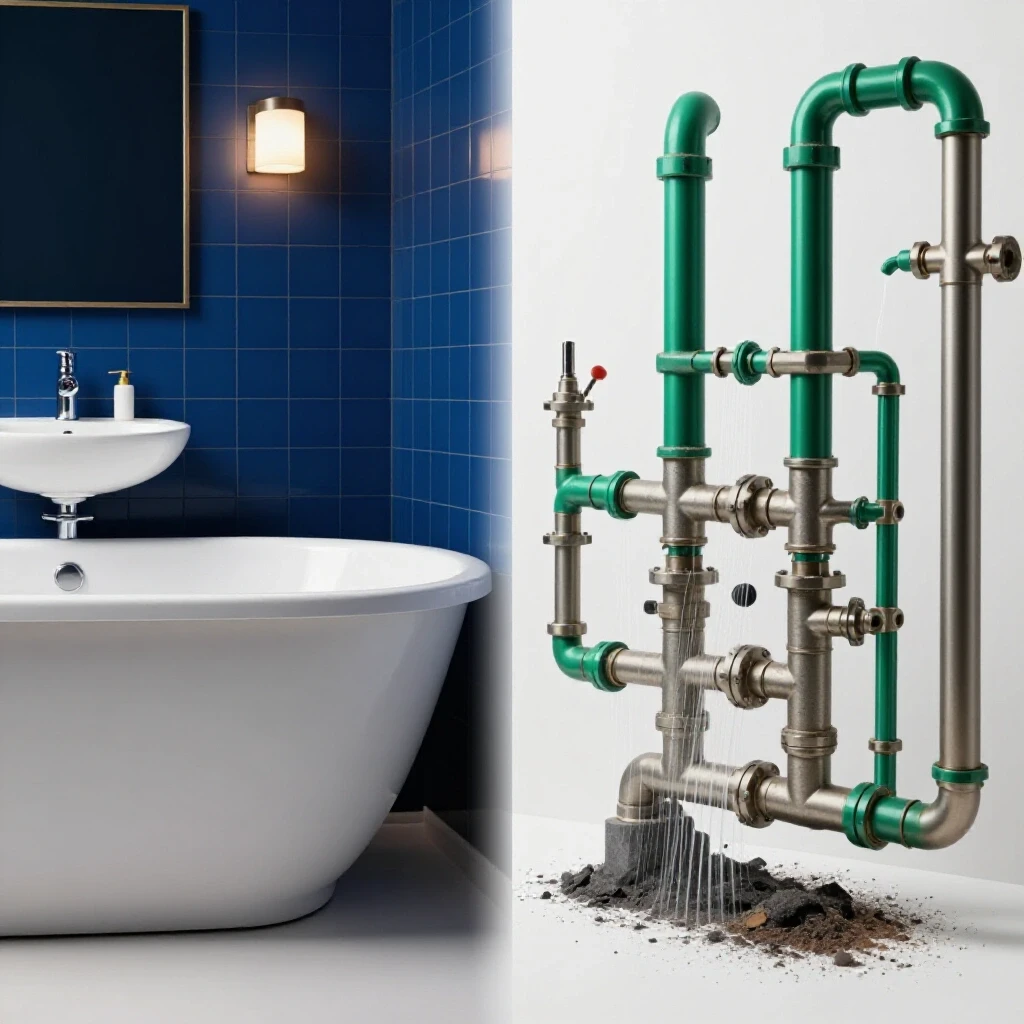
How to Fix Peeling Wallpaper in Bathrooms (Moisture Solutions)

Focusing on affordability is the cornerstone of effective property management. In my 17 years as a facilities technician, I have learned that the most expensive repairs are almost always the ones that were ignored when they were small, manageable issues. Maintaining older legacy structures requires a shift in perspective; you aren’t just fixing a surface; you are managing an environment. When decorative finishes begin to fail in high-moisture areas, it is rarely a problem with the paper itself. Instead, it is a diagnostic signal that the room’s mechanical systems and humidity levels are out of balance. By addressing these environmental factors early, you protect the structural integrity of the wall assembly without the need for a full-scale renovation.
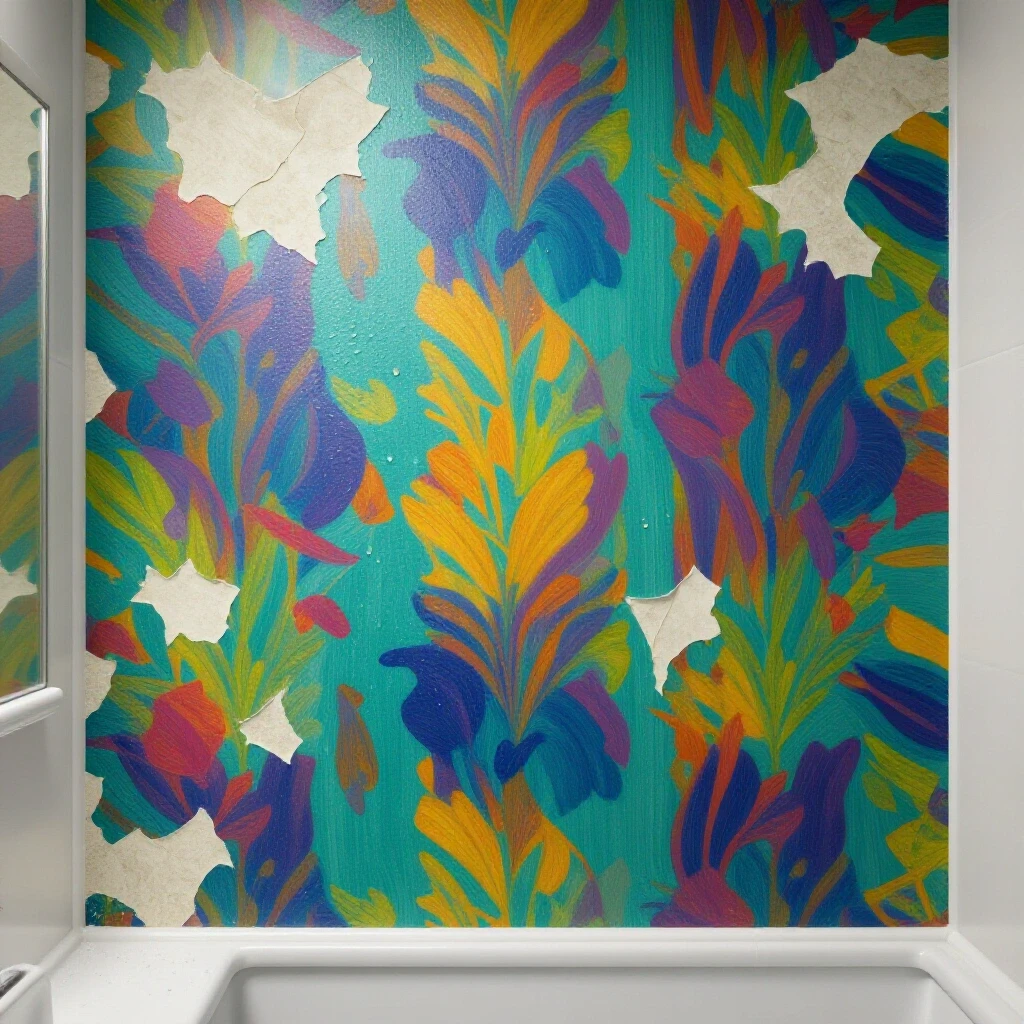
The Building Science of Vapor Migration and Surface Adhesion
Vapor migration is the movement of water in its gaseous state through porous materials like drywall or plaster, driven by differences in temperature and pressure. In a bathroom, high-pressure humid air seeks out cooler, lower-pressure areas, often pushing against the adhesive bond of wall coverings.
Building science teaches us that materials are constantly seeking equilibrium with their surroundings. When you run a hot shower, the relative humidity (RH) in the room can quickly spike from a comfortable 40% to over 90%. If this moisture is not evacuated by mechanical means, it penetrates the wallpaper seams. Once the water vapor reaches the water-soluble paste used in many older installations, it re-activates the adhesive, turning it back into a liquid state. This leads to edge lift and eventual delamination. In older homes, where plaster walls are common, the density of the substrate can actually trap moisture behind the paper, prolonging the saturation and accelerating the failure of the bond.
Essential Tools for Residential Diagnostics and Moisture Detection
Identifying the root cause of surface failure requires objective data rather than visual guesswork. Using a systematic home maintenance checklist involving specialized tools allows you to pinpoint exactly where the environmental control is failing.
To accurately assess a bathroom’s environment, I recommend the following diagnostic kit:
- Digital Hygrometer: This measures relative humidity and ambient temperature. I look for units that record “min/max” levels over a 24-hour period to see how high the humidity climbs during peak usage.
- Pinless Moisture Meter: This tool allows you to check the moisture content of the wall substrate without poking holes. It uses electromagnetic signals to detect water density behind the finish.
- Anemometer: A small handheld device used to measure the airflow (CFM) at the exhaust fan. This tells you if your ventilation system is actually moving the volume of air it was rated for.
- Infrared Thermometer: Useful for finding “cold spots” on walls where condensation is most likely to occur. These areas are often the first places where seams will begin to separate.
When I am performing a property audit, I look for a moisture content in drywall of less than 1%. If the meter reads higher, the substrate is holding onto water, which will prevent any adhesive from maintaining a long-term bond.
Symptom-to-Root-Cause Diagnostic Tree
Understanding why a finish is failing requires looking at the specific way it is peeling. Not all delamination is caused by the same environmental failure, and identifying the pattern is the first step in preventative home care.
| Symptom | Probable Root Cause | Mechanical Failure |
|---|---|---|
| Seams curling at the edges | High ambient humidity (>60% RH) | Inadequate exhaust fan CFM |
| Large bubbles in the center of the paper | Vapor trapped behind non-porous vinyl | Lack of vapor-rated primer |
| Paper sliding or shifting downward | Saturated substrate (plaster/drywall) | Poor air circulation/dead air zones |
| Brittle, cracking paper edges | Rapid drying/thermal cycling | Extreme temperature fluctuations |
Building on this, if you notice that the paper is only peeling near the ceiling, it is likely a result of the “stack effect” within the room. Hot, moist air rises and lingers at the highest points. If your exhaust fan is located too far from the shower or lacks the power to pull that air down and out, the ceiling-wall junction becomes a permanent moisture trap.
Mechanical Ventilation and Airflow Calibration
Mechanical ventilation is the primary defense against structural protection issues caused by humidity. A fan that makes noise but doesn’t move air is a common find in older properties where ductwork may be restricted or improperly sized.
In my experience, many homeowners rely on fans that are undersized for the square footage of the room. The Home Ventilating Institute (HVI) recommends at least 1 CFM per square foot for bathrooms under 100 square feet. If you have a 7×10 bathroom, you need a fan rated for at least 70 CFM. However, in older homes with long, flexible duct runs, static pressure increases, which reduces the actual airflow. I often find that a fan rated for 80 CFM might only be pulling 40 CFM at the grille. Testing this with an anemometer is the only way to verify the system’s efficiency.
- Check the fan’s flapper or backdraft damper to ensure it opens fully.
- Inspect the exterior termination point for lint or bird nests that block airflow.
- Ensure the “undercut” on the bathroom door is at least 0.5 to 0.75 inches to allow makeup air to enter the room while the fan is running.
Surface Preparation and Moisture-Resistant Barriers
When the environment is controlled, the next step in a plumbing repair guide or finish restoration is ensuring the substrate can handle intermittent wetness. This involves creating a barrier that prevents vapor from reaching the structural wall components.
Before reapplying any wall covering, the substrate must be sealed with a high-quality, moisture-resistant primer. Standard PVA primers used for dry areas are often insufficient for bathrooms because they can re-emulsify when exposed to high humidity. I recommend using an acrylic-based, “high-tack” primer specifically designed for “problem” areas. These primers create a hard, non-porous film that prevents the wallpaper paste from soaking into the drywall or plaster. Interestingly, using a vapor-retardant liner can also provide a stable, smooth surface that moves independently of the wall, reducing the stress on the decorative top layer during humidity spikes.
Step-by-Step Repair Execution for Lifting Seams
Addressing a lifting edge before it becomes a full-wall failure is a critical part of preventative home care. This process focuses on cleaning, re-hydrating the old adhesive safely, and establishing a new, permanent bond.
- Clean the Area: Use a damp (not soaking) cloth to remove any dust or old, flaky paste from the back of the paper and the wall.
- Soften the Paper: If the paper is brittle, hold a warm, damp sponge against it for 30 seconds. This makes the material pliable so it won’t crack when you press it back down.
- Apply Seam Adhesive: Use a specialized seam repair adhesive, which has a higher solids content than standard paste. Apply it sparingly with a small brush to both the wall and the back of the paper.
- Wait for “Tack”: Allow the adhesive to sit for 2-3 minutes until it feels sticky but not wet.
- Roll the Seam: Use a wooden or plastic seam roller to press the paper firmly into place. Work from the center of the strip toward the edge to push out any air.
- Wipe Excess: Use a clean, damp sponge to remove any glue that squeezed out. If left on the surface, this glue can attract dust and create a visible line.
As a result of this systematic approach, you create a repair that is integrated into the wall rather than just a temporary patch. I have found that taking these ten minutes to fix a six-inch peel can save hours of labor and hundreds of dollars in material costs later.
DIY vs. Professional Scope Limits
Knowing when to handle a repair yourself and when to call a specialist is vital for avoiding costly mistakes. In older properties, the complexity of the wall assembly often dictates the boundary.
| Task | DIY Scope | Professional Scope |
|---|---|---|
| Seam repair and edge gluing | Safe for most homeowners | Not typically required |
| Replacing a standard exhaust fan | If wiring is existing and accessible | If new ducting or circuit is needed |
| Testing humidity and moisture levels | Highly recommended with basic tools | For certified structural audits |
| Removing vinyl-coated paper | Possible with steamer/stripper | If plaster is crumbling or unstable |
| Installing vapor-rated liners | Advanced DIY project | Recommended for high-value finishes |
If you discover that the moisture content of your wall remains above 15% even after the room has been dry for 24 hours, there may be a deeper issue with the building envelope or insulation that requires a professional diagnostic.
Long-Term Maintenance for High-Humidity Environments
Preventative home care is not a one-time event; it is a seasonal cycle of inspection and adjustment. By monitoring the bathroom environment, you can catch mechanical failures before they manifest as peeling finishes.
My personal facility logs show that bathroom finishes last 40% longer when a simple maintenance schedule is followed. This involves checking the mechanical systems that control the air. If a fan motor starts to hum or vibrate, its CFM output is likely dropping. Replacing a $20 motor or cleaning a dusty fan blade is a minor task that prevents the $500 problem of failing wall coverings.
Preventative Maintenance Schedule
- Monthly: Vacuum the exhaust fan grille to ensure maximum airflow.
- Quarterly: Check the exterior vent cap for obstructions and ensure the damper moves freely.
- Bi-Annually: Use a hygrometer to verify that the room returns to below 50% RH within 20 minutes of a shower ending.
- Annually: Inspect all wallpaper seams, especially near the ceiling and shower enclosure, for the first signs of edge lift.
Conclusion: Practical Next Steps for the Homeowner
The key to mastering your home’s maintenance is moving from a reactive mindset to a proactive one. When you see a corner of wallpaper starting to pull away, don’t view it as a cosmetic failure. View it as a data point indicating that your bathroom’s humidity management needs adjustment.
Start by purchasing a basic hygrometer and monitoring the room for a week. If the humidity stays above 60% for extended periods, your first priority is improving ventilation, not buying more glue. Check your fan’s CFM, ensure your door has a proper undercut for makeup air, and clean your vent covers. Once the environment is stable, use the step-by-step repair techniques mentioned above to secure any loose edges. This systematic approach ensures that your home remains a controlled environment, protecting both your finances and your property’s structural health.
Frequently Asked Questions
Why does my bathroom wallpaper keep peeling even after I glue it back?
This usually happens because the underlying environmental issue hasn’t been addressed. If the relative humidity in the room frequently exceeds 60%, the moisture penetrates the paper and softens the adhesive again. Furthermore, if you are using standard school glue or a weak adhesive instead of a high-solids seam sealer, the bond won’t be strong enough to withstand the “pull” of the paper as it expands and contracts with heat and moisture.
How can I tell if my exhaust fan is actually working correctly?
A simple “tissue test” is a good start: if the fan can hold a single square of toilet tissue against the grille, it has some suction. However, for a technical assessment, use an anemometer to measure the CFM. If the fan is older than 10 years, the motor may be spinning but the blades could be too clogged with dust to move air efficiently. Also, check that the air is actually being vented outside and not just into your attic.
Is vinyl wallpaper better for bathrooms than paper-based options?
Vinyl-coated or “solid sheet” vinyl is much more resistant to moisture penetration through the face of the paper. However, because vinyl is non-porous, it can trap moisture behind it if the seams aren’t perfectly sealed or if the wall wasn’t primed with a vapor-retardant sealer. If moisture gets behind vinyl, it cannot evaporate easily, which can lead to the adhesive failing over a larger area.
What is the ideal humidity level for a bathroom?
Ideally, a bathroom should maintain a baseline relative humidity of 30% to 50%. During a shower, it will spike, but a properly functioning ventilation system should bring the levels back down to the baseline within 15 to 20 minutes. If your bathroom stays “steamy” for an hour after use, your ventilation is inadequate.
Can I just paint over peeling wallpaper to hold it down?
No, this is a common mistake that leads to more expensive repairs. The moisture in the paint will often cause the wallpaper to peel even further. Additionally, the weight of the paint can pull the weakened paper off the wall entirely. Always repair the seams and ensure the adhesive is dry and stable before applying any other finishes.
What should I do if my walls are plaster instead of drywall?
Plaster is more porous and holds more thermal mass than drywall. This means it stays cold longer, which can cause more condensation to form on the surface. When repairing wallpaper on plaster, it is even more important to use a high-quality primer to create a “bridge” between the dense plaster and the wall covering adhesive.
How much of an undercut should my bathroom door have?
For a bathroom exhaust fan to work, it needs “makeup air” to replace the air it is pulling out. Most building standards recommend an undercut of 0.5 to 0.75 inches between the bottom of the door and the flooring. If your door is tight to the floor, the fan will struggle against a vacuum, significantly reducing its CFM and leaving moisture in the room.
Does the type of primer really matter for bathroom wallpaper?
Yes, it is critical. Standard primers are often water-based and can soften when exposed to high humidity. For bathrooms, you need a primer that is specifically labeled as “moisture resistant” or “vapor-retardant.” These products create a hard, resinous barrier that prevents the moisture in the air from reaching the water-soluble paste behind the paper.
(This article was written by one of our staff writers, Daniel Whitaker. Visit our Meet the Team page to learn more about the author and their expertise.)