How to Fix a Muffled Dryer Vent for Fire Safety (Step-by-Step Guide)

Focusing on simplicity, I have spent nearly two decades crawling through crawlspaces and inspecting the mechanical arteries of aging homes. My 17 years as a facilities technician taught me that the most dangerous issues are often the ones that start quietly, hidden behind a drywall or tucked inside a silver foil tube. When a household appliance begins to underperform, it is rarely just a sign of old age; it is usually a diagnostic signal that a critical system is failing to breathe.
In older properties, the systems that manage heat and moisture are frequently the most neglected. I have seen how a small accumulation of debris can transform a routine chore into a significant safety hazard. My approach to residential diagnostics is rooted in building science, which looks at the home as a set of interconnected systems. By understanding how air moves and how heat dissipates, we can prevent the kind of mechanical failures that lead to costly structural damage or, worse, household fires.
The Science of Airflow and Static Pressure in Exhaust Systems
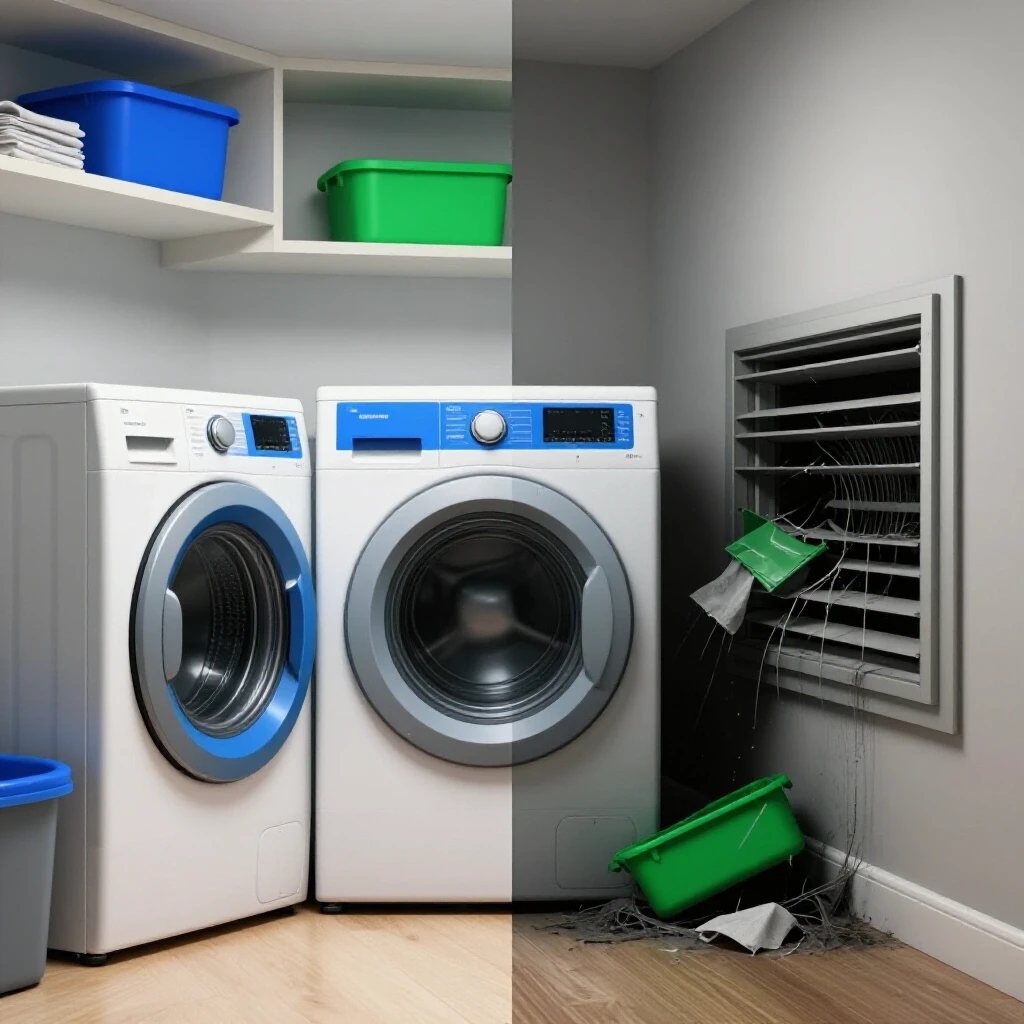
Airflow dynamics in a residential setting involves the movement of air through a confined space, driven by a mechanical fan. Static pressure refers to the resistance that the air encounters as it moves through the ductwork. When this resistance becomes too high, the system loses efficiency, causing heat to build up within the appliance rather than being safely exhausted outside.
In my experience, homeowners often overlook the “why” behind exhaust maintenance. A clothes dryer functions by circulating heated air through a tumbling drum to evaporate moisture. This moisture-laden air, along with tiny fibers of fabric known as lint, must be pushed through a duct to the exterior of the home. If the path is narrow or obstructed, the fan cannot move the air effectively. This creates a backup of heat. According to the Consumer Product Safety Commission (CPSC), thousands of residential fires occur annually due to lint accumulation, which has a very low ignition temperature.
When the exhaust path is clear, the air moves at a specific velocity, usually measured in feet per minute (FPM). If you notice the air exiting the wall cap feels weak, you are witnessing high static pressure in action. This resistance forces the dryer’s internal components to operate at higher-than-intended temperatures, which can degrade the motor and the heating element over time.
Identifying Symptoms of Obstructed Exhaust Paths
Residential diagnostics begin with observation and data collection. You must look for physical signs that the exhaust system is struggling to move air. Common symptoms include clothes taking multiple cycles to dry, the exterior of the appliance feeling excessively hot to the touch, or the exhaust vent flap failing to open fully during a cycle.
I recommend a systematic home maintenance checklist to track these changes. In many older homes I have serviced, the transition from “working fine” to “fire hazard” is gradual. You might notice a faint, musty smell in the laundry room, which indicates that moist air is leaking back into the house rather than exiting. This moisture can lead to mold growth on the walls behind the dryer, a classic sign of a failing building envelope.
| Symptom | Potential Root Cause | Risk Level |
|---|---|---|
| Long drying times (2+ cycles) | Heavy lint accumulation in duct | High – Fire hazard and high energy cost |
| Hot laundry room/appliance | Restricted airflow causing heat backup | High – Component failure and overheating |
| Vent flap stays closed or barely moves | Blockage at the exit point (nest or lint) | Moderate – Backpressure on motor |
| Musty smell or damp walls | Disconnected or leaking vent hose | Moderate – Structural moisture damage |
| Muffled or quiet airflow sound | Deep internal blockage or crushed hose | High – Immediate fire risk |
Essential Tools for Residential Vent Diagnostics
To perform a thorough inspection, you need a specific set of tools designed to measure and clear the exhaust path. These tools allow you to move beyond guesswork and apply a technical standard to your home care routine. Having the right equipment ensures that you can reach the entire length of the duct without causing damage to the material.
- Duct Cleaning Kit: This usually includes a series of flexible rods that connect to a brush head. It is designed to navigate the bends and turns of a standard 4-inch duct.
- High-Powered Vacuum with HEPA Filter: A shop-style vacuum is essential for sucking out loosened debris. The HEPA filter ensures that fine lint particles are not redistributed into your living space.
- Anemometer: This device measures airflow velocity. By holding it at the exterior vent, you can get a numerical reading of the FPM to compare against the manufacturer’s specifications.
- Infrared Thermometer: Use this to check the temperature of the dryer drum and the exterior vent. Significant heat at the vent is good; excessive heat on the dryer cabinet is a warning sign.
- Flashlight and Inspection Mirror: These allow you to look inside the wall cavity and the back of the dryer to check for disconnected joints or crushed hoses.
- Cordless Drill: Most cleaning kits are designed to be powered by a drill, which spins the brush to scrub the interior walls of the ducting.
Step-by-Step Inspection and Cleaning Sequence
Maintaining a safe exhaust path requires a methodical approach. You cannot simply clean the lint trap and assume the system is safe. You must address the entire run from the back of the appliance to the exterior wall cap. This process should be performed at least once a year, or more frequently in households with high laundry volume.
First, disconnect the power. If you have a gas dryer, be extremely careful not to disturb the gas line. Pull the unit away from the wall to access the transition duct. This is the flexible hose that connects the dryer to the wall. I often find that these hoses are crushed or kinked, which significantly restricts airflow. If the hose is made of thin plastic or foil, I recommend replacing it with a semi-rigid metal version for better fire resistance.
Next, use your vacuum to clean the area behind the dryer and the internal lint trap housing. Reach as far into the dryer’s exhaust port as possible. Once the transition duct is removed, you can begin cleaning the main wall duct. Attach the brush to the first rod and feed it into the wall, spinning it slowly with your drill. Add rods one by one until you reach the exterior of the house.
Finally, go outside and inspect the termination point. Ensure the flap or louvers move freely. I have frequently found bird nests or dryer sheets stuck in these openings. After cleaning, reconnect everything and run the dryer on a “fluff” or “air dry” setting for 10 minutes to blow out any remaining loosened lint.
Materials and Code Compliance for Safe Exhaust Systems
The materials used in your exhaust system are just as important as the cleaning schedule. Building codes have evolved significantly over the decades. In many older properties, I still find outdated and dangerous materials like white plastic “slinky” hoses. These are highly flammable and have ridges that trap lint much faster than smooth-walled pipes.
Standard building code now requires dryer exhausts to be constructed of 4-inch diameter rigid metal ducting. The interior surface should be smooth to minimize friction and lint traps. If your home uses flexible foil, it should only be used for the “transition” piece—the short length between the dryer and the wall—and it should be UL 2111 listed for safety.
The total length of the duct also matters. Most codes limit the run to 35 feet. However, every 90-degree elbow you add effectively “shortens” that limit by 5 feet because bends increase static pressure. If your laundry room is in the center of the house and the duct runs a long distance to the roof or a side wall, you may need a booster fan, though these require their own specific maintenance schedule.
DIY vs. Professional Scope Limits
While most homeowners can handle routine cleaning, there are times when the situation requires specialized knowledge or tools. Understanding your limits is a key part of structural protection. If you cannot locate the exit point of your vent, or if the duct runs through a finished ceiling where you cannot inspect the joints, it may be time to consult a specialist.
- DIY Scope: Routine annual cleaning, replacing transition hoses, cleaning the exterior wall cap, and testing airflow with an anemometer.
- Professional Scope: Repairing disconnected ducts inside walls, installing new rigid ductwork through a roof, or addressing electrical issues within the dryer’s heating circuit.
If you find that your duct is made of PVC pipe, call a professional immediately to have it replaced. PVC can build up static electricity, which attracts lint, and it cannot withstand the heat of a dryer fire, potentially allowing flames to spread into the wall cavities of your home.
Preventative Home Care and Multi-Year Maintenance Schedules
A proactive approach is the best way to avoid unexpected repair bills. I suggest keeping a log of your home maintenance activities. This allows you to spot patterns, such as the vent clogging faster in the winter when you dry heavier blankets and towels.
- Every Load: Clean the lint screen. This is the first line of defense.
- Every 6 Months: Visually inspect the exterior vent while the dryer is running. Ensure the flap is opening and there is no visible lint buildup.
- Every 12 Months: Perform a full “deep clean” of the ductwork using the rod and brush method. Inspect the transition hose for kinks or cracks.
- Every 2 Years: Check the area where the duct exits the house for proper caulking and sealing to prevent moisture intrusion into the building envelope.
Tracking the Progression of Repair Costs
Ignoring a restricted exhaust system leads to a predictable and expensive “failure curve.” What starts as a $20 DIY cleaning project can quickly escalate into a multi-thousand dollar disaster. By intervening early, you protect both your appliance and your property’s structural integrity.
- Stage 1 ($0 – $50): Regular DIY cleaning. The system remains efficient, and the dryer lasts its full expected lifespan (typically 10-13 years).
- Stage 2 ($150 – $400): The dryer’s thermal fuse blows or the heating element burns out due to overheating. You must now pay for appliance repair in addition to cleaning the vent.
- Stage 3 ($500 – $1,000): Excessive heat and moisture cause damage to the wall behind the dryer, leading to mold remediation and drywall repair.
- Stage 4 ($5,000+): A lint fire occurs. Even a small fire that stays contained within the duct can cause extensive smoke damage throughout an older home, requiring professional restoration.
FAQ: Common Questions on Exhaust Safety and Maintenance
How can I tell if my vent is blocked if I can’t see inside the wall?
The most reliable indicator is drying time. If a standard load of towels takes longer than 45-50 minutes, you likely have a significant airflow restriction. You can also feel the air coming out of the exterior vent; it should feel like a strong hair dryer. If it is just a faint breeze, there is a blockage.
Is it safe to use a leaf blower to clean the vent?
While some people use leaf blowers, I advise caution. A leaf blower can provide too much pressure, potentially disconnecting duct joints hidden inside your walls. A vacuum combined with a rotating brush is a much safer and more effective method for residential diagnostics.
Why does my dryer vent have water dripping from it?
This is usually caused by condensation. If the duct runs through a cold space like a crawlspace or attic and isn’t insulated, the warm, moist air cools down and turns back into liquid water. This water traps lint and can eventually lead to a complete blockage or structural rot.
Can I vent my dryer into the garage or crawlspace?
No. You should never exhaust a dryer into an interior space. This introduces massive amounts of moisture and fine lint into the home’s structure. This leads to mold, wood rot, and a significant fire hazard. All dryers must vent directly to the outdoors.
What is the best material for a dryer vent?
Rigid galvanized steel or aluminum tubing is the gold standard. It has a smooth interior that prevents lint from snagging and can withstand high temperatures. Avoid flexible plastic or thin foil ducts whenever possible, especially for long runs.
How do I know if my exterior vent cover is the right type?
A safe vent cover should have a flap or “lamb’s throat” design that opens when air blows out and closes when the dryer is off. Avoid covers with fine mesh screens, as these trap lint almost immediately and create a dangerous blockage.
My dryer is in the basement and the vent goes up. Is that a problem?
Vertical runs are more prone to blockages because the fan has to fight gravity to push the lint up. If you have a vertical run, you must be more diligent with your home maintenance checklist and consider cleaning it every six months.
Does the “Lint Alarm” on my dryer actually work?
Some modern dryers have sensors that detect backpressure. While helpful, they are not foolproof. These sensors often only trigger when the blockage is severe. Manual inspection remains the most reliable method for structural protection.
Can I use duct tape to seal the joints in my vent?
Actually, you should not use “duct tape” for ducts. The adhesive dries out and fails under heat. Use UL-listed foil tape or stainless steel worm-gear clamps to secure the connections. This ensures the joints stay airtight and secure over time.
How much lint is “normal” to find in the duct?
It is normal to find a thin coating of lint on the walls of the duct. However, you should never see “clumps” or areas where the diameter of the pipe is visibly reduced. If you can’t see the metal surface of the pipe, it’s time to clean it.
What should I do if I find a bird’s nest in the vent?
Wait until the nest is empty if possible, then remove all debris carefully. Once cleared, install a bird-proof vent cover that uses a weighted flap rather than a screen. This allows lint to exit while preventing animals from entering.
Is a “booster fan” a good idea for long vent runs?
A booster fan can help if your duct run exceeds 35 feet, but it adds another mechanical point of failure. These fans must be cleaned just as often as the duct itself, as they also accumulate lint and can become a fire risk if they seize up.
(This article was written by one of our staff writers, Daniel Whitaker. Visit our Meet the Team page to learn more about the author and their expertise.)