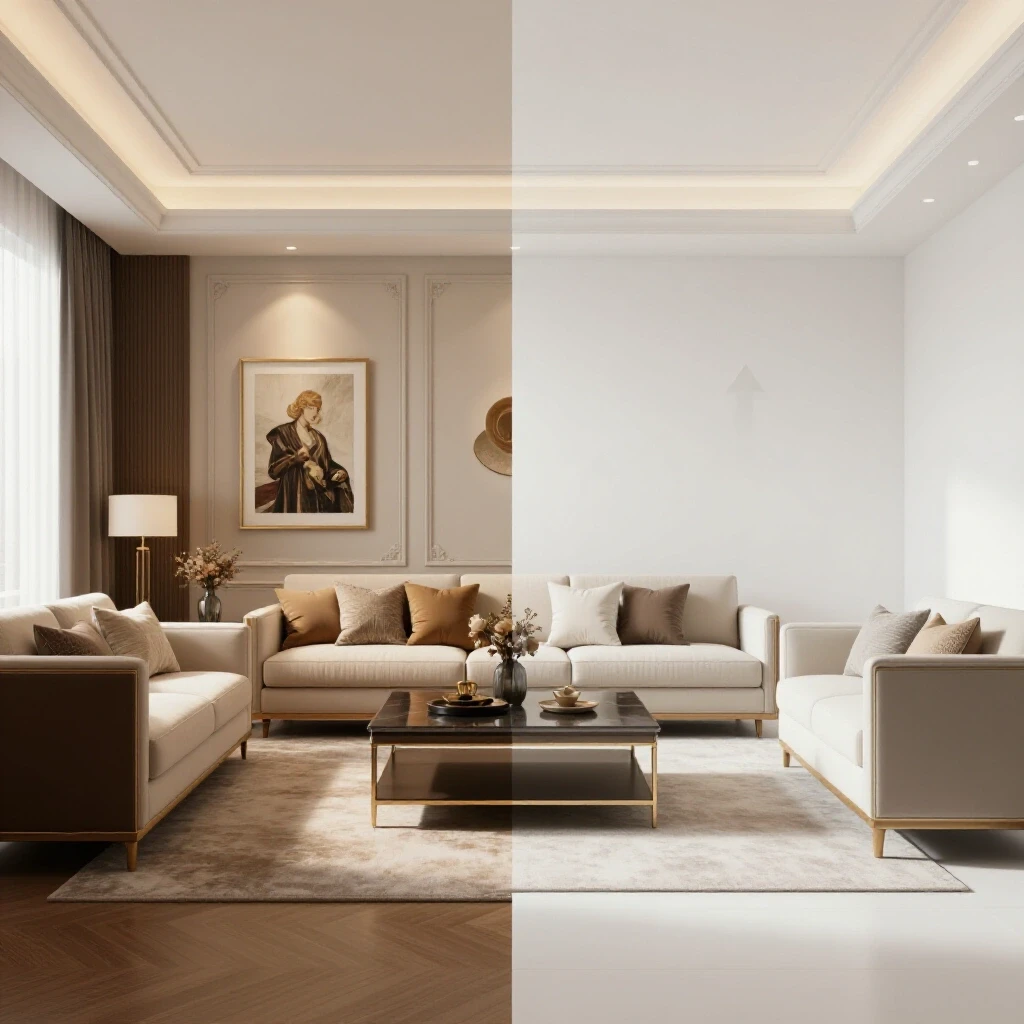
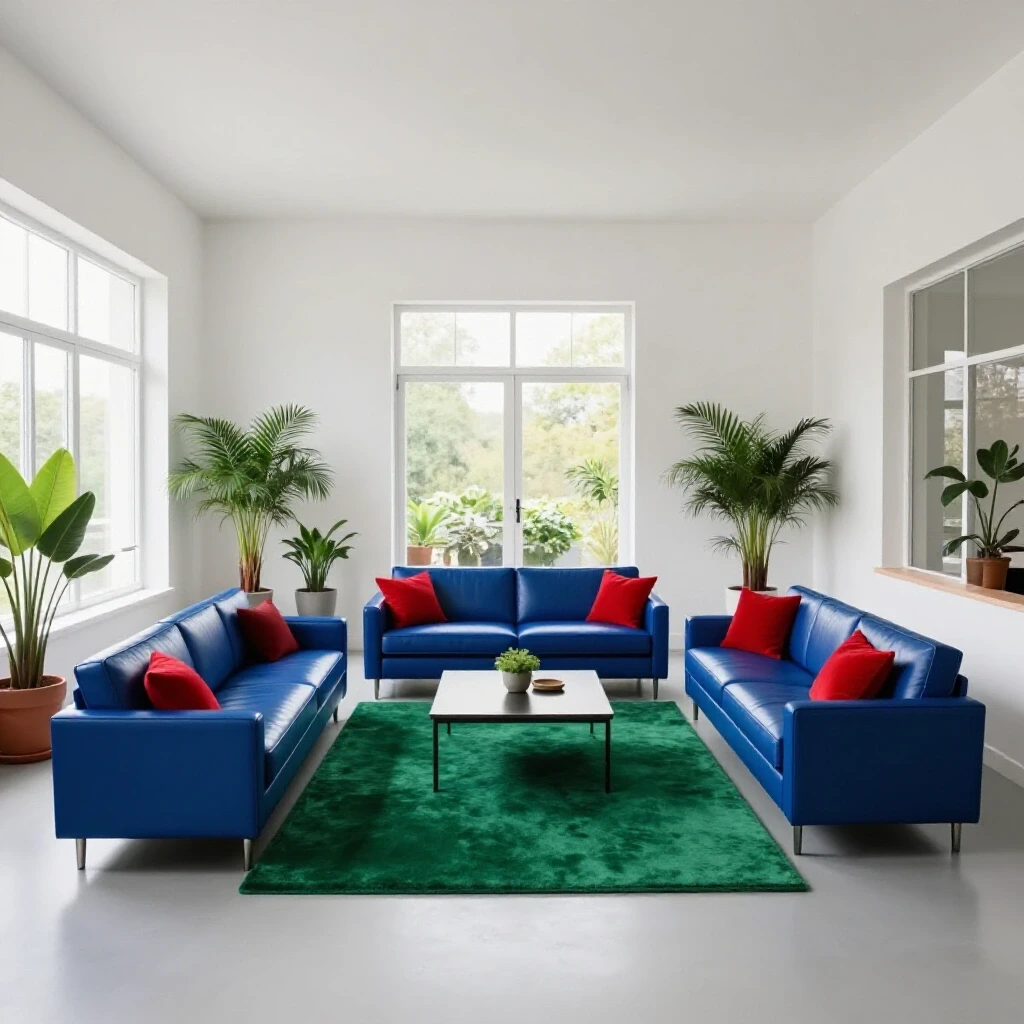
Common Color Schemes That Don’t Work in Real Homes (Expert Tips)

Talking about tradition often leads us to believe that certain colors belong in specific rooms. We might choose a deep navy for a cozy study or a stark white for a clean kitchen because that is how it has always been done. However, after 15 years of managing retail displays and living through multiple home renovations, I have seen how these traditional choices often clash with the messy reality of daily life. A color that looks stunning in a filtered photo can become a source of stress when it shows every paw print or makes a room feel like a cave on a rainy Tuesday.
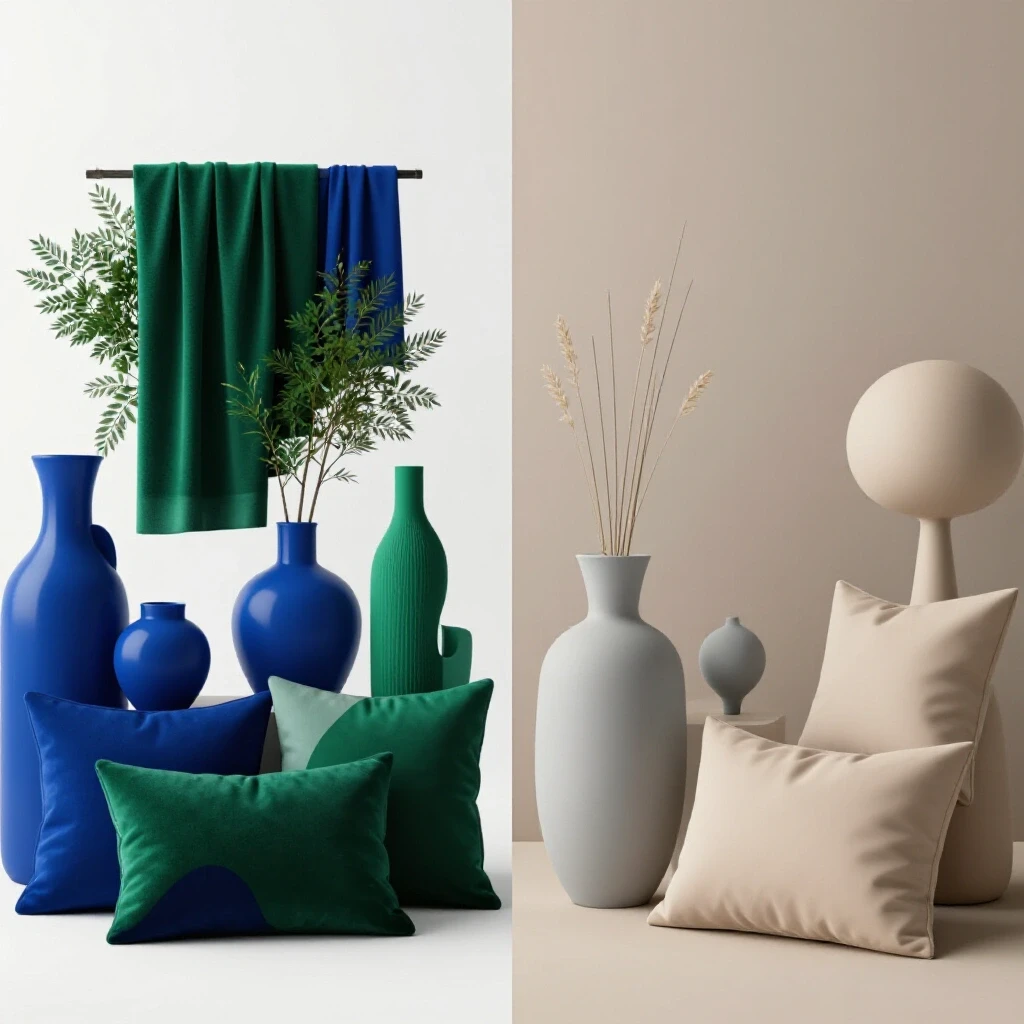
The Environmental Psychology of Living Spaces
Environmental psychology is the study of how our surroundings affect our behavior and mood. In a residential setting, the colors we choose influence our heart rate, stress levels, and even how large or small we perceive a room to be. Understanding these psychological triggers helps us avoid palettes that look good but feel uncomfortable.
When I worked in retail merchandising, I learned that high-contrast environments grab attention quickly. This is great for a store window but exhausting for a living room. Longitudinal studies on user satisfaction show that people living in high-contrast rooms—like bright white walls with jet-black furniture—often report higher levels of “visual noise.” This noise makes it difficult for the brain to relax. Over time, what felt modern and crisp starts to feel cold and demanding.
Interestingly, the psychological impact of a color can change based on the room’s purpose. A vibrant red might stimulate appetite in a dining room, but in a bedroom, it can interfere with sleep patterns. I once helped a family who painted their toddler’s room a “cheerful” bright yellow. Within a month, they noticed the child was more irritable. We eventually realized the high-saturation yellow was overstimulating, making it hard for the child to wind down.
Why Light Reflectance Value (LRV) Determines Room Utility
Light Reflectance Value, or LRV, is a scale from 0 to 100 that measures how much light a color reflects. A value of 0 is absolute black, and 100 is pure white. This metric is the most reliable way to predict if a paint choice will enhance or hinder the functional layout of your home.
- High LRV (70–90): These colors reflect most light. They make small, cramped hallways feel wider and help bounce natural light into dark corners.
- Mid-Range LRV (40–60): These are the “workhorse” colors. They provide enough depth to hide minor scuffs while still keeping the room feeling bright.
- Low LRV (0–35): These colors absorb light. While they create a moody atmosphere, they also require significantly more artificial lighting to make the space functional for tasks like reading or cleaning.
In my experience, homeowners often underestimate how much a low LRV color will “shrink” a room. If you apply a deep charcoal (LRV of 12) to a small living room with only one window, you will find yourself turning on lamps at 2:00 PM. This adds to your energy bill and can make the space feel oppressive during the winter months.
The Maintenance Reality of High-Maintenance Hues
Practical interior design requires us to look past the initial coat of paint and consider the “day one thousand” reality. Some color choices require constant upkeep to maintain their aesthetic appeal, leading to frustration for busy families.
- The “Museum White” Trap: Ultra-white floors or furniture show every hair, crumb, and speck of dust. In a house with pets or children, this creates a never-ending cleaning cycle.
- The Dark Flooring Dilemma: Contrary to popular belief, very dark floors (like espresso or black) are harder to keep clean than mid-toned wood. They highlight scratches and dust bunnies like a spotlight.
- Saturated Matte Finishes: While matte paint is trendy for its velvety look, it is notoriously difficult to clean. Wiping a smudge off a dark matte wall often leaves a permanent “burnish” mark or a shiny spot.
| Color Category | Visual Impact | Maintenance Level | Best Use Case |
|---|---|---|---|
| Ultra-White | Expansive, bright | High (shows dirt) | Low-traffic ceilings |
| Mid-Tone Greige | Neutral, calming | Low (hides dust) | Family living rooms |
| Deep Navy/Black | Sophisticated | Medium (shows dust/scratches) | Accent walls, dens |
| High-Saturation Neons | Energetic | High (visual fatigue) | Small decor accents |
Behavioral Mapping: Aligning Color with Room Activity
Behavioral mapping involves observing how people actually use a space before making design decisions. When we align our color choices with these behaviors, we create a more durable and functional home environment.
For example, a mudroom or entryway is a high-impact zone. Choosing a light, delicate color here is a recipe for disappointment. I once tracked the “scuff patterns” in a suburban home for a week. We found that the area between 12 and 36 inches off the floor took 90% of the abuse from shoes, bags, and wet dogs. By choosing a mid-toned, semi-gloss paint for the lower half of the walls (like a wainscoting effect), the family was able to maintain a beautiful entry without repainting every six months.
In the kitchen, the relationship between cabinet color and light is vital. Dark cabinets may look sleek, but they often make it harder to see into the depths of the cupboards. If you choose a dark palette for cabinetry, you must compensate with high-quality under-cabinet lighting. This ensures the space remains functional for food preparation and safety.
Measuring Fabric Durability and Color Performance
When selecting furniture, the color is only half the story. The material’s ability to hold that color over time is what determines long-term livability. We measure this using the Wyzenbeek method, which calculates “double rubs” to test fabric strength.
- Light Use (6,000 – 9,000 double rubs): Best for decorative pillows or formal chairs that are rarely sat upon.
- Medium Use (9,000 – 15,000 double rubs): Suitable for main living areas in homes without pets or small children.
- Heavy Duty (15,000 – 30,000 double rubs): The standard for family room sofas.
- Contract Grade (30,000+ double rubs): Essential for high-traffic areas or homes with active pets.
I have seen many families choose a beautiful velvet sofa in a rich jewel tone, only to find the fabric “crushing” or losing its color brilliance within two years. To avoid this, always check the rub count and look for “solution-dyed” fabrics. These fibers are colored all the way through, meaning they won’t fade or show white patches when they get a small snag or spill.
Spatial Flow and the “Visual Weight” of Furniture
The color of your furniture affects how much physical space it seems to occupy. This is known as visual weight. A dark brown leather sectional has a massive visual weight compared to a light grey fabric sofa of the same dimensions.
In smaller homes, choosing colors that match the wall color can help “hide” large storage pieces. For instance, if you have a wall of built-in bookshelves, painting them the same color as the wall prevents them from feeling like a giant obstacle. This creates a sense of spatial flow, making the room feel larger and less cluttered.
- Walking Pathway Clearance: Ensure at least 36 inches of space between furniture pieces. Darker furniture needs even more “breathing room” to avoid making the path feel narrow.
- Furniture-to-Screen Ratios: If your TV wall is a dark accent color, it can reduce eye strain by blending the screen into the background.
- Storage-to-Room Ratio: Aim for 10-15% of your floor space to be dedicated to integrated storage to keep visual clutter—and the color chaos it brings—at bay.
Avoiding the “Trend Fatigue” Cycle
As a former merchandising manager, I saw trends cycle in and out every 18 months. The “all-grey” trend is a perfect example of a palette that eventually failed in daily life for many people. While it looked clean in magazines, living in a colorless environment for years led to a phenomenon called “chromatic hunger.” People began to miss the warmth and personality of more varied tones.
To avoid trend fatigue, follow the 60-30-10 rule for color distribution: * 60% Dominant Color: Usually a neutral on the walls or large rugs. * 30% Secondary Color: Found in upholstery, curtains, or an accent wall. * 10% Accent Color: Used in pillows, art, and small decor.
This balance allows you to update the 10% or 30% without repainting the entire house or replacing expensive furniture. It provides a safety net for your decorating decisions, ensuring your home remains beautiful even as styles change.
Practical Steps for a Long-Term Livability Audit
Before committing to a new color scheme, conduct a “livability audit” to ensure your choices will stand the test of time. This process helps you identify potential failures before they become permanent.
- The 24-Hour Swatch Test: Paint a 2-foot square on every wall of the room. Observe how the color changes at 8:00 AM, 2:00 PM, and 8:00 PM. Artificial light can turn a “perfect” beige into a muddy pink instantly.
- The “Crumb” Test: If you are buying a rug or flooring, take a sample home and drop some common household debris on it (lint, hair, or cracker crumbs). If the debris vanishes, the color is a winner for maintenance.
- The Scale Mockup: Use painter’s tape on the floor to mark out the footprint of new furniture. If the pieces are dark in color, use cardboard boxes to simulate the height. This helps you feel the visual weight before you buy.
- The Fabric Stress Test: Get a fabric swatch and rub it against a piece of denim. If the blue dye from the jeans transfers to the swatch (common with light-colored polyester), that fabric will be a nightmare to maintain.
Conclusion: Balancing Beauty and Function
Designing a home that works for your family requires a shift in perspective. We must move away from choosing colors based on how they look in a vacuum and start choosing them based on how they interact with light, dirt, and our own psychology. By prioritizing Light Reflectance Value, understanding the visual weight of furniture, and selecting durable materials, we create spaces that don’t just look good on move-in day. We create homes that remain comfortable and functional for years to come.
Frequently Asked Questions
Why does my grey paint look blue or purple once it’s on the wall? Most grey paints have “undertones” created by the pigments used to mix them. Cool greys often have blue or purple bases, while warm greys (greige) have yellow or red bases. The natural light in your room—especially North-facing light—will pull these undertones out. Always test your paint in the specific room where it will be used.
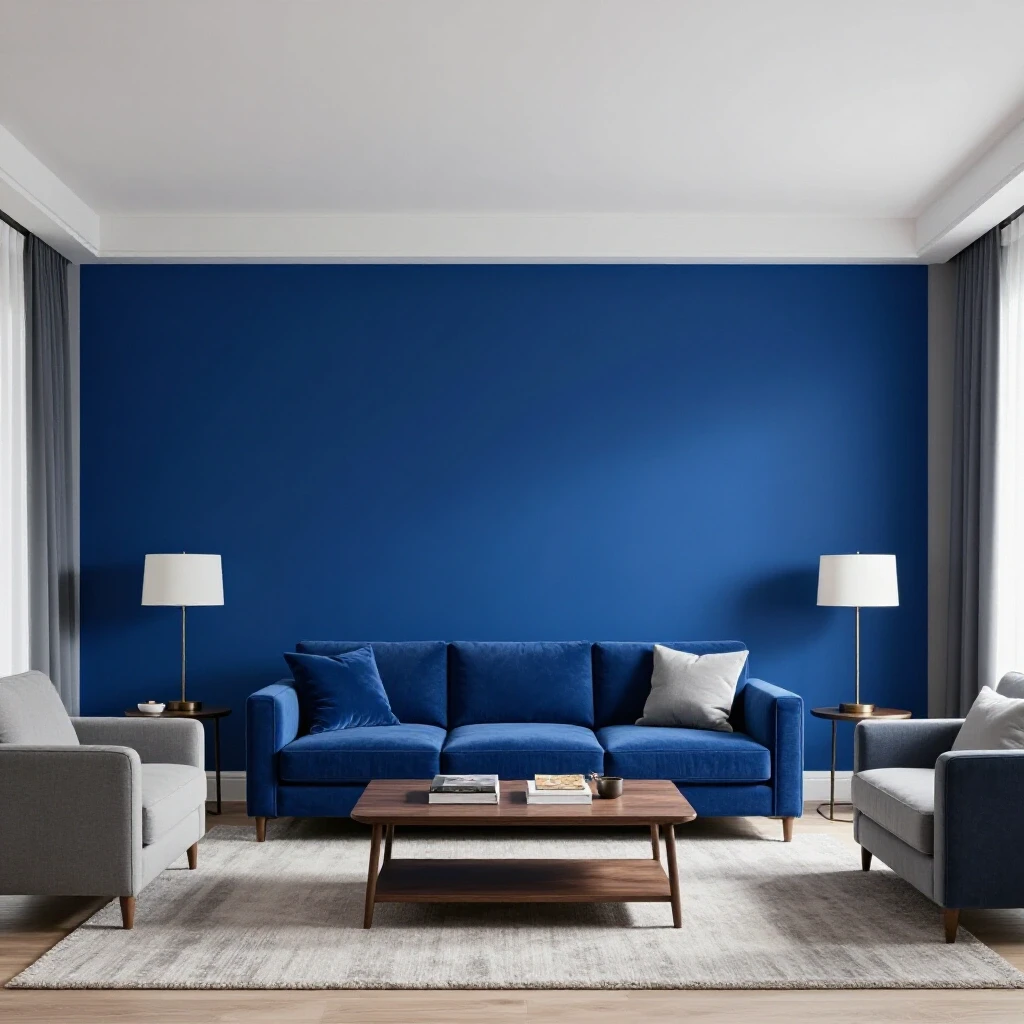
Are dark walls a bad idea for a small room? Not necessarily, but they require a specific strategy. If you use a dark color, ensure you have multiple light sources (floor lamps, sconces, and overheads). Also, keep the ceiling light and the furniture in a similar tone to the walls to reduce visual “clashes” that make the space feel smaller.
What is the most durable paint finish for a family home? For walls, an “eggshell” or “satin” finish is usually best. It has a slight sheen that allows for light scrubbing but doesn’t highlight every wall imperfection like a high-gloss finish would. Use “semi-gloss” for baseboards and doors, as these areas take the most physical abuse.
How can I use white in my home without it feeling like a hospital? Avoid “stark” or “pure” whites. Instead, look for “warm” whites that have a tiny hint of cream or grey. Layering different textures—like a chunky knit throw or a wooden coffee table—against white walls adds the warmth needed to make the space feel lived-in.
Does floor color really affect how much I have to clean? Absolutely. Mid-toned colors, such as oak-colored wood or multi-toned grey tiles, are the most “forgiving.” They hide dust and pet hair much better than very light or very dark floors.
What is the best way to choose a color for a high-traffic hallway? Choose a color with a mid-range LRV (between 50 and 60) and use a high-quality, washable paint. Consider a “scuff-resistant” formula designed for commercial spaces, which many brands now offer for residential use.
How do I stop my living room from feeling “flat” if I use all neutrals? The key is varying the “values” of your neutrals. Value refers to how light or dark a color is. If your walls, sofa, and rug are all the exact same shade of beige, the room will feel flat. Use a dark charcoal rug, a medium beige sofa, and light cream walls to create depth.
Can I use high-saturation colors in a small bedroom? It is risky because saturated colors can be visually loud. If you want a bold color, try using it on the wall behind your headboard. This way, you see it when you enter the room, but it isn’t in your direct line of sight while you are trying to relax in bed.
Why do my white kitchen cabinets look yellow after a few years? This is often due to “ambering” of the topcoat or exposure to cooking oils and UV light. To prevent this, choose a high-quality water-based finish rather than oil-based, and ensure your kitchen has proper ventilation to remove grease from the air.
Is there a way to make a low-ceiling room feel taller using color? Yes. Paint your baseboards, walls, and crown molding the same color. This removes the horizontal lines that “cut” the room into sections, tricking the eye into seeing one continuous vertical surface. Painting the ceiling a few shades lighter than the walls can also help.
(This article was written by one of our staff writers, James Whitaker. Visit our Meet the Team page to learn more about the author and their expertise.)