How to Declutter Your Home During Renovation (Step-by-Step Guide)

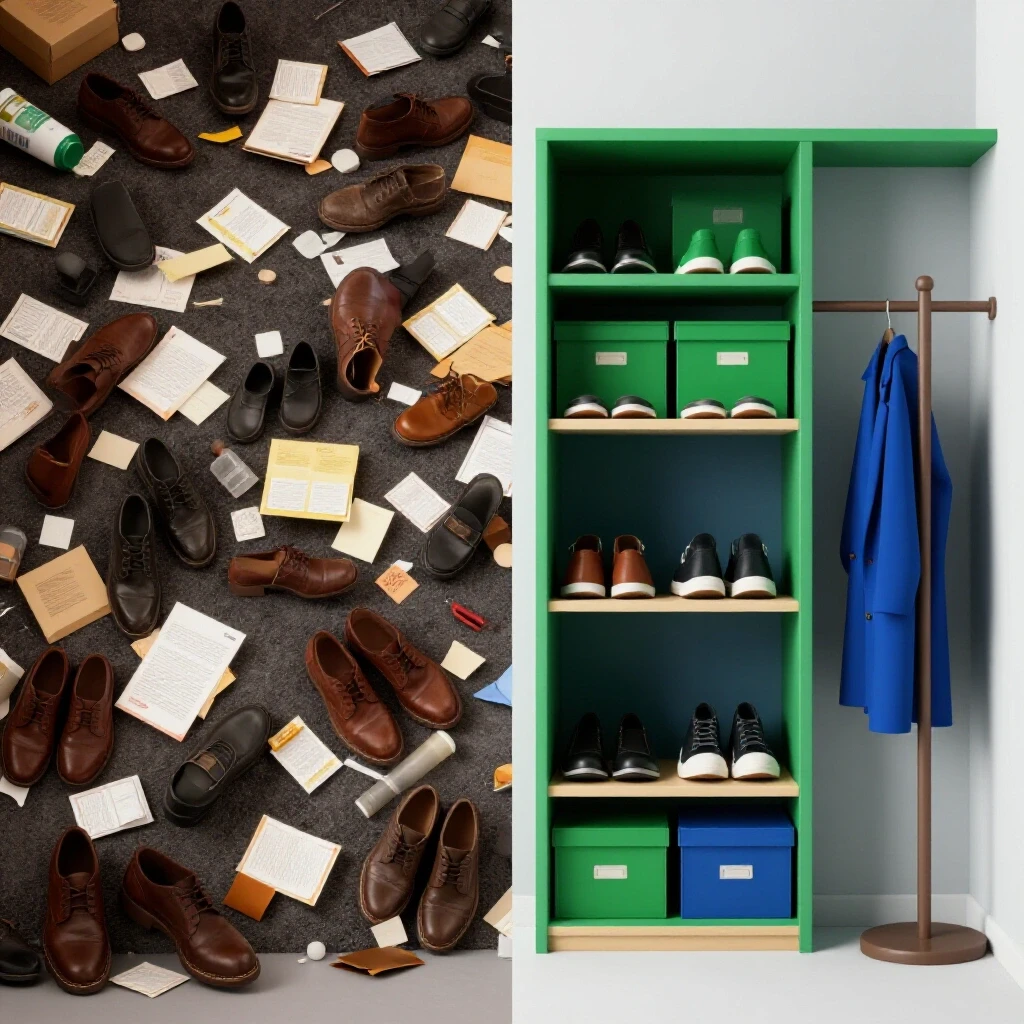
The dust from the first wall demolition had barely settled when I realized my carefully planned home organization systems were failing. My family was living out of plastic bins in the dining room, and the mental fatigue was setting in faster than the contractor could hang drywall. I watched my children dig through a mountain of mismatched shoes, their frustration mirroring my own as I realized that my logistics background hadn’t prepared me for the sheer volume of displaced items. Every surface was a magnet for clutter, and the simple act of finding a clean spoon felt like a complex supply chain problem.
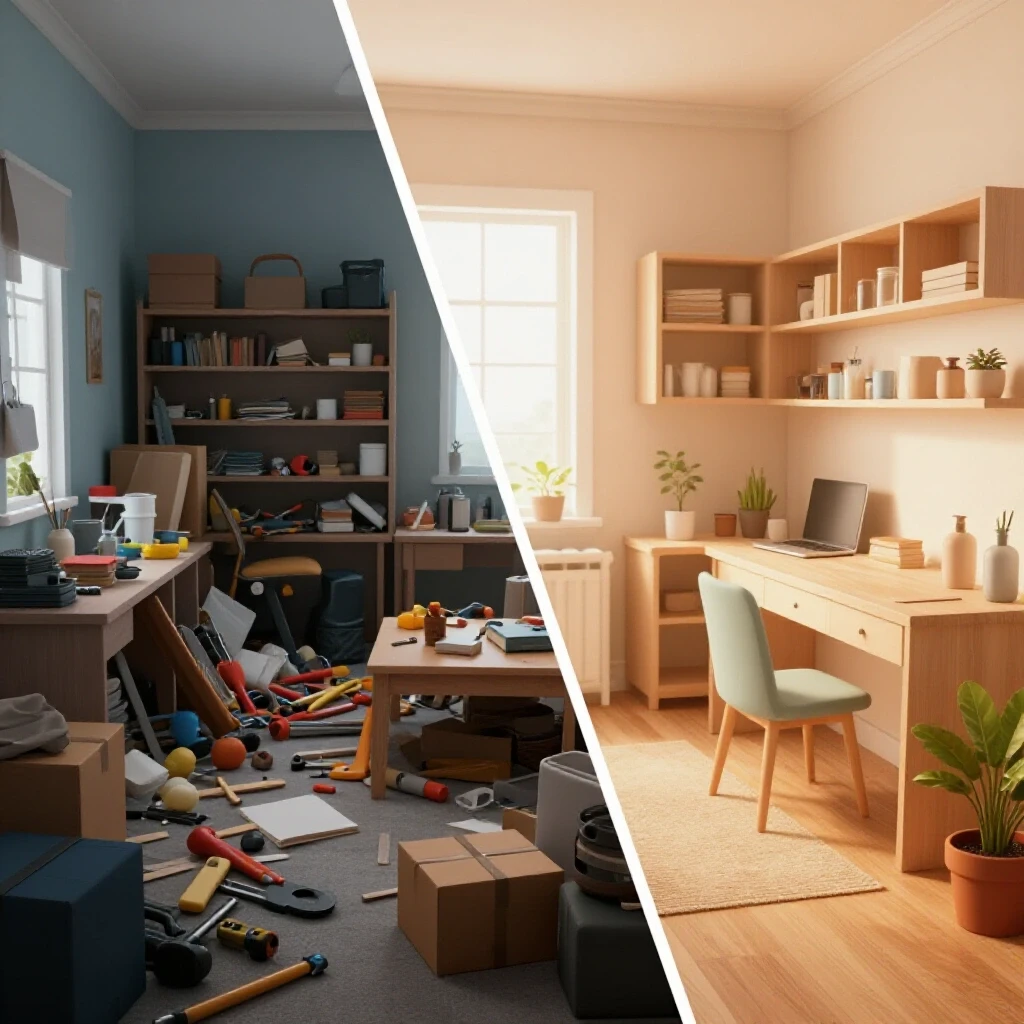
The Logistics of Living in a Home Under Construction
Managing household items during a major home update requires a shift from static storage to dynamic flow management. This phase involves understanding how items move through a space when traditional storage zones, like closets or cabinets, are temporarily unavailable. It focuses on minimizing the physical effort required to find and put away essentials.
When we began our own home update, I applied a concept from logistics called “dock-to-stock” time. In a warehouse, this is how long it takes for a product to go from the delivery truck to the shelf. In a home being remodeled, this is the time it takes for a stray toy or mail pile to find a home. When walls are open and rooms are off-limits, this time usually triples.
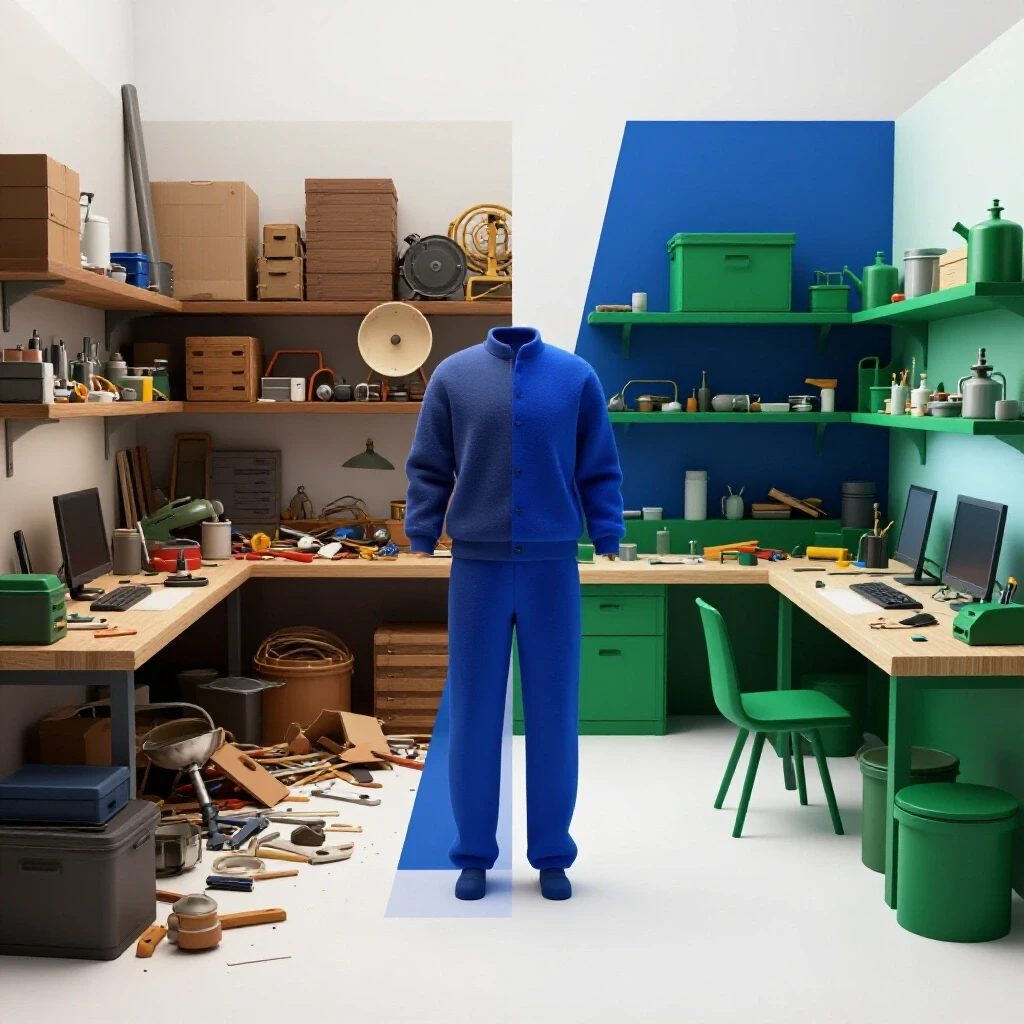
The primary reason our systems broke down was a lack of “spatial capacity limits.” We tried to cram the contents of three rooms into one. Environmental psychology suggests that when our visual field is crowded, our brains work harder to process information. This leads to the “visual overwhelm” many parents feel. We aren’t just tired from the work; we are tired from looking at the mess.
Why Sorting Systems Fail When Your Space Is in Flux
A sorting system fails when the “retrieval friction” becomes too high for the average family member to manage. Retrieval friction is the sum of physical steps and mental decisions needed to get an item out or put it away. During a remodel, we often add too many layers of lids and stacks.
In my experience, the “lid tax” is the biggest killer of sustainable decluttering. We bought heavy-duty bins with snap-on lids to protect our clothes from construction dust. However, I noticed that within three days, clothes were piled on top of the lids rather than inside the bins. The extra two seconds it took to unclip the lid was enough of a barrier to break the habit.
- Decision Fatigue: When every item is out of its “normal” place, your brain makes a new decision for every object you touch.
- Buffer Depletion: We lose our “patience buffer” when we are constantly stepping over boxes.
- Inflow/Outflow Imbalance: We often stop purging items because we are too busy managing the construction, leading to a massive buildup of “trash” that stays in the living zone.
The Storage Friction Index
I developed this index to help my family choose the right containers during our project. A lower score means the system is more likely to succeed.
| Storage Type | Physical Steps to Use | Visual Clarity | Friction Score (1-10) |
|---|---|---|---|
| Open Front Bins | 1 (Drop in) | High | 2 |
| Clear Lidded Totes | 3 (Lift, Open, Place) | High | 5 |
| Opaque Stacked Bins | 5+ (Move top bin, Open) | Low | 9 |
| Drawer Units | 2 (Pull, Place) | Medium | 4 |
Mapping Temporary Zones to Reduce Daily Stress
Zoning is the practice of grouping items by frequency of use rather than by category. During a home refresh, traditional categories like “office supplies” or “crafts” break down because the physical space for them has vanished. Instead, we must create zones based on the “Velocity of Use” to keep the home functional.
I divided our temporary living space into three zones: Hot, Warm, and Cold. The “Hot Zone” was the two-foot radius around our temporary kitchen and beds. Only items used daily were allowed here. The “Warm Zone” was for items used weekly, stored in accessible bins. The “Cold Zone” was for everything else, packed away and stacked high.
Interestingly, research in spatial ergonomics shows that we are most likely to maintain order when items are stored between our knees and shoulders. During our remodel, I realized we were storing daily essentials on the floor. By simply adding a temporary industrial wire rack, we reduced the physical strain of “digging,” which immediately lowered the family’s stress levels.
High-Efficiency Sorting for Displaced Belongings
Sorting while your home is in a state of flux requires a “binary decision” model to prevent cognitive overload. Instead of deciding if an item “sparks joy,” we ask: “Do I need this in the next 30 days?” If the answer is no, it moves to deep storage or is discarded immediately.
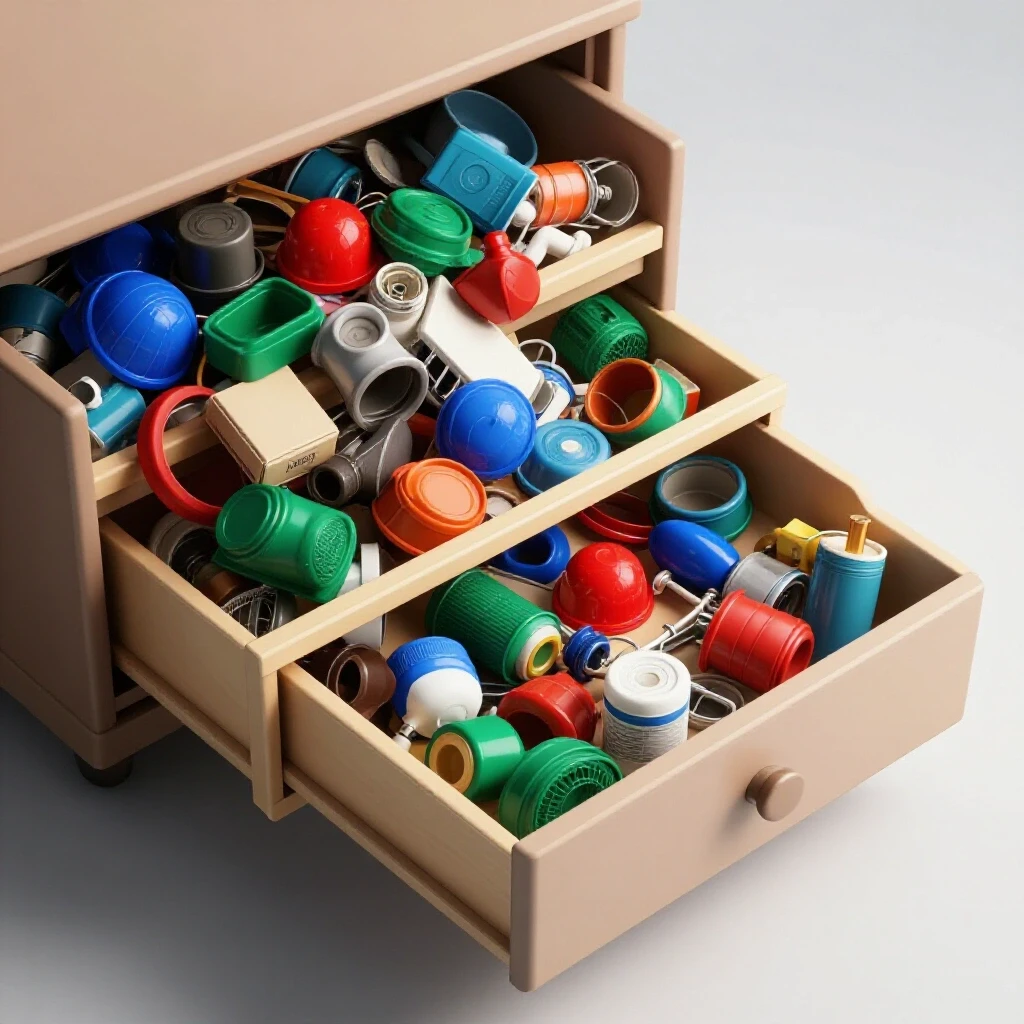
During our kitchen update, I watched my wife struggle to sort through a junk drawer while workers were hammering in the next room. The noise made it impossible to make complex decisions. We shifted to a “Time-Boxed Sorting” method. We set a timer for 15 minutes and focused only on one category, like “writing utensils.”
- The 30-Day Rule: If an item won’t be used before the project ends, it shouldn’t be in your active living space.
- The One-Touch Rule: During a remodel, if you pick an item up, you must put it in its final temporary home or the trash. No “maybe” piles.
- The Volume Ceiling: Each family member gets one “active bin” for personal items. If the bin overflows, something must be purged.
Sorting Density Guidelines
How much can you actually store in a cramped, temporary environment? Use these metrics to avoid over-filling your remaining space.
- Surface Coverage: No more than 20% of any flat surface should be covered by non-essential items.
- Bin Density: Fill bins to only 80% capacity to allow for easy “hand-searching” without dumping the contents.
- Vertical Limit: Stack bins no more than three high to prevent “stacking dread,” where you avoid the bottom bin because it’s too heavy to reach.
Selecting Low-Maintenance Storage Solutions for Families
Sustainable storage during a home project must be durable, visible, and easy to clean. Many families make the mistake of buying “pretty” baskets that trap construction dust or fragile containers that crack when moved. Functional home storage during this phase should prioritize utility over aesthetics.
I found that clear, modular units are the gold standard for reducing household clutter when you can’t see your walls. When you can see the contents, your brain doesn’t have to “search” as hard. This reduces the mental fatigue of living in a construction zone. We switched from wicker baskets to clear plastic drawers, and the “Where is my…?” questions dropped by nearly 60%.
- Industrial Wire Shelving: These don’t collect dust and can be moved easily on casters.
- Clear Plastic Drawers: These allow for “zero-step” retrieval compared to lidded bins.
- Heavy-Duty Labels: Use a broad-tip marker and bright tape. Small, “cute” labels are impossible to read in dim, temporary lighting.
- Over-the-Door Organizers: These utilize “dead space” on the few doors that remain functional, keeping floors clear for foot traffic.
Identifying and Fixing System Breakdowns
A system breakdown occurs when the “outflow” of clutter stops, or when the “inflow” of new materials exceeds the available space. In our home, the breakdown happened at the front door. We were bringing in renovation supplies, but we weren’t taking out the old fixtures or packaging fast enough.
I realized we needed a “Debris Exit Strategy.” We designated a 4×4 foot square in the garage as the “Outbound Zone.” Every night at 7:00 PM, I spent 10 minutes moving everything in that square to the curb or the trash. This simple logistical habit prevented the “clutter creep” that usually happens when you’re too tired to clean.
- The Bottleneck: Usually the entryway or the kitchen table.
- The Feedback Loop: If you find yourself searching for the same item for more than two minutes, the system has failed.
- The Correction: Move that item to a “Hot Zone” immediately, even if it looks “messy” there. Function beats form during a remodel.
Managing Family Behavior and Daily Habit Loops
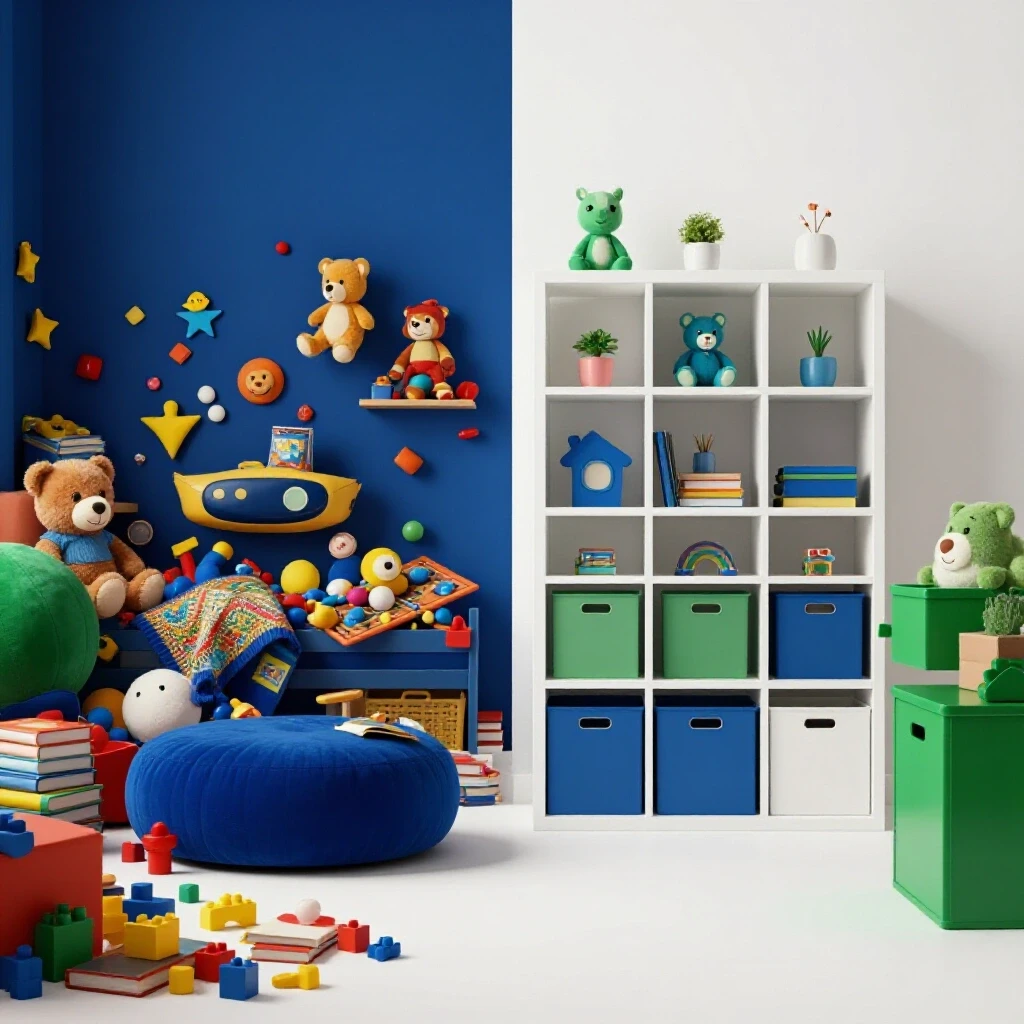
The success of any organization system depends on the “lowest common denominator” of the family. If a five-year-old can’t follow the system, the system will fail. We had to simplify our expectations. We stopped asking the kids to “clean their room” and started asking them to “put all the Legos in the blue bucket.”
We implemented a “Daily Reset” that took exactly eight minutes. In logistics, this is known as “5S” (Sort, Set in order, Shine, Standardize, Sustain). We didn’t aim for a perfectly clean house; we aimed for a “functional baseline.” This meant clearing the walkways and ensuring everyone had a clear spot to eat.
- Visual Cues: Use color-coded tape on the floor to show where bins should live.
- Low-Bar Rewards: Acknowledging when the “Outbound Zone” is cleared helps maintain momentum.
- The “No-New-Items” Policy: During the project, we paused all non-essential shopping to keep the inflow at zero.
Daily Maintenance Timeline (Family of 4)
| Task | Time Required | Responsibility | Benefit |
|---|---|---|---|
| Morning Surface Clear | 3 Minutes | Adults | Reduces visual noise for the workday. |
| Afternoon Bin Reset | 5 Minutes | Children | Keeps personal items from spreading. |
| Evening Outflow Check | 10 Minutes | Everyone | Prevents trash and debris buildup. |
| Total Daily Effort | 18 Minutes | Maintains basic functionality. |
Logistics Metrics for a Functional Living Space
To keep our sanity, I tracked a few key metrics. One was the “Step Count to Coffee.” At the start of our kitchen update, it took 12 steps and moving two boxes to make a cup of coffee. By reorganizing our temporary “Hot Zone,” I got it down to 3 steps. This might sound trivial, but these small wins prevent the mental fatigue that leads to total system collapse.
Another metric is “Item Density.” In a normal home, you might have 10 items per square foot of storage. During a remodel, that often jumps to 50. When density is too high, you stop putting things away because there is “no room.” The solution isn’t more bins; it’s a faster outflow of items you don’t need.
- Retrieval Step Count: Aim for under 3 steps for any daily item.
- Space Utilization: Keep at least 30% of your floor space clear for safe movement.
- Sorting Time-Box: Never sort for more than 20 minutes at a time to avoid decision fatigue.
- Daily Reset Duration: If it takes more than 20 minutes to “reset” the house, you have too many items in your active zones.
Practical Steps to Regain Control
If you feel like your home is slipping into chaos during your decluttering journey, start with a “Spatial Audit.” Walk through your home and identify the one area that causes the most frustration. Usually, it’s a high-traffic zone where items are “landing” but not “living.”
- Clear one “No-Fly Zone”: Pick one surface (like the kitchen island or a desk) and declare it a clutter-free zone. This provides a visual “anchor” of calm.
- Audit your containers: If you have to move a lid to put something away, remove the lid.
- Increase outflow frequency: Don’t wait for a “big trip” to the donation center. Take one bag every time you leave the house.
- Label by “Action” not “Object”: Instead of a bin labeled “Tools,” try “Fixing things this week.” This clarifies the item’s purpose during the flux.
Living through a home update is a marathon of logistics. By focusing on reducing friction and managing the flow of items, you can create a sustainable environment that supports your family rather than draining them. The goal isn’t a magazine-ready home; it’s a home where you can find your keys, make a meal, and breathe amidst the change.
Frequently Asked Questions
Why does my home get messy again so fast while I’m remodeling? This usually happens because your “inflow” of construction materials and daily mail exceeds your “outflow” of trash and purged items. Additionally, when your usual storage (like a closet) is blocked, items lose their “home,” leading to a pile-up on flat surfaces. To fix this, create temporary “landing zones” with open-topped bins.
What are the best storage solutions for families during a renovation? Prioritize clear, stackable drawers and industrial wire shelving. Avoid opaque bins with heavy lids, as these increase “retrieval friction.” Clear containers allow you to see what you have without digging, which reduces the mental load on both parents and children.
How can I involve my kids in reducing household clutter without it being a fight? Simplify the system to a “one-bin” rule. Give each child one large, open bin for their daily toys. Don’t worry about internal organization during the project; just focus on getting items off the floor and into the bin. Use visual cues like colored tape to show them exactly where their bin “lives.”
What is “retrieval friction” and why does it matter? Retrieval friction is the physical and mental effort required to get an item or put it away. If you have to move three boxes and open a lid to find a screwdriver, the friction is high. High friction leads to people leaving items out on counters, which quickly creates visual overwhelm.
How do I handle “decision fatigue” when sorting through years of clutter? Use the “30-Day Rule.” If you can’t decide whether to keep an item, ask if you will need it in the next month. If not, box it up and move it to a “Cold Zone.” This moves the decision to a later date when you aren’t already stressed by the construction environment.
Is it better to organize room-by-room or by category? During a home update, it is better to organize by “Velocity of Use.” Group everything you need for the next 24 hours together, regardless of category. This keeps your daily essentials accessible and prevents you from having to search through multiple “category” bins while workers are in the house.
How much time should I spend on daily maintenance? Aim for a “Daily Reset” of 15 to 20 minutes. If it takes longer than that, you likely have too many items in your “Hot Zone.” Use this time to clear walkways and reset the “Outbound Zone” rather than trying to achieve deep cleanliness.
What should I do if I run out of space for my bins? Go vertical with industrial shelving or focus on increasing your “outflow.” Often, we hold onto “trash” (like cardboard boxes from new appliances) longer than we should. Breaking down boxes and moving them to the curb immediately can free up significant square footage.
How do I stop the “visual overwhelm” of seeing everything in bins? Try to group your bins in one specific area rather than scattering them throughout the house. Use a “visual anchor,” like a clean tablecloth on the one table you use, to give your eyes a place to rest. Keeping bins stacked neatly and labeled clearly also helps the brain process the space as “organized” rather than “chaotic.”
What is a “Spatial Capacity Limit”? This is the maximum amount of “stuff” a room can hold before it stops being functional. During a remodel, this limit is much lower because you need more space to move around. If you are constantly bumping into things, you have exceeded your capacity and must move items to a “Cold Zone” or purge them.
(This article was written by one of our staff writers, Christopher Bennett. Visit our Meet the Team page to learn more about the author and their expertise.)