How to Identify and Organize Clutter Hotspots at Home (Guide)

Imagine walking into your home after a long day at work. Instead of being greeted by a mountain of mail on the entryway bench or a sea of school papers on the kitchen island, you see clear surfaces. There is a specific, easy-to-reach spot for your keys, your bag, and the kids’ shoes. The air feels lighter because your eyes aren’t jumping from one unfinished task to another. This isn’t a staged photo from a magazine; it is a functional reality built on the same principles used to manage high-volume warehouses and logistics hubs.
My journey into spatial management began eleven years ago in the world of operations and logistics. I spent my days optimizing flow rates and reducing bottlenecks in industrial settings. However, when I came home to my own growing family, I realized my house was a logistical nightmare. We would spend entire Saturdays cleaning, only to have the kitchen table disappear under a layer of clutter by Tuesday. I realized that the “pretty” storage bins we bought were actually part of the problem. They were too complex for a tired parent or a hurried child to use consistently. By applying industrial sorting metrics and spatial ergonomics to our home, we moved away from “tidying up” and toward a system that manages itself.
Why Household Surfaces Become Magnets for Mess
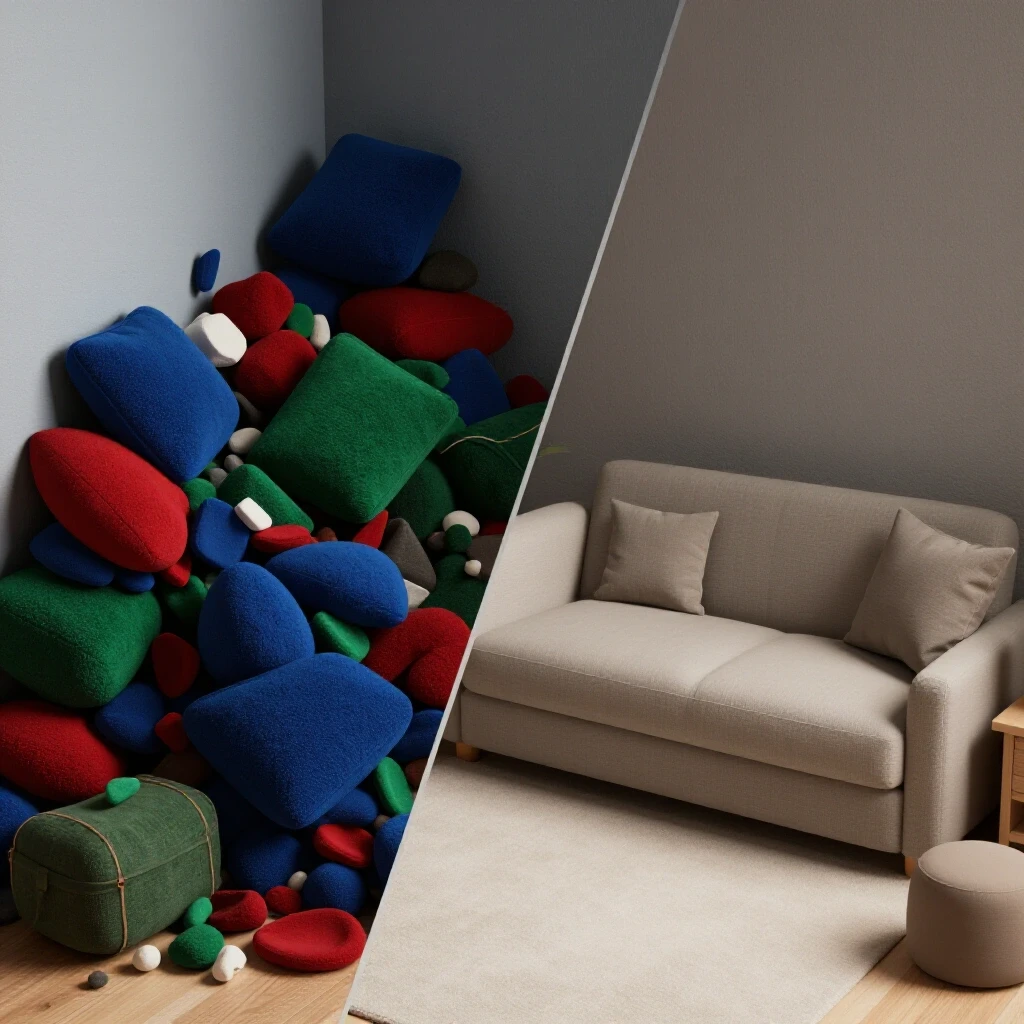
High-traffic surfaces act as natural landing zones for items entering the home. When we lack a defined docking station, items accumulate at the first available horizontal plane. This creates visual noise and increases the cognitive load required to find essential tools for daily tasks, leading to what researchers call environmental stress.
In environmental psychology, the “clutter effect” is well-documented. Studies, such as those published in the Journal of Environmental Psychology, suggest that a disorganized home environment can interfere with a person’s sense of “home” and their overall well-being. From a logistics perspective, this happens because of “high-friction” entry points. If it takes more than two steps to put something away, the human brain—especially one fatigued by a long workday—will choose the path of least resistance: the nearest flat surface.
Interestingly, we found that our kitchen island was our biggest bottleneck. It was the first flat surface anyone saw when entering from the garage. Because there was no designated “inbox” for mail or school forms, everything landed there. This is what I call a “spatial trap.” To fix it, we had to analyze the flow of items rather than just buying more boxes. We had to understand the difference between active storage and deep storage.
Analyzing the Logistics of Item Accumulation Zones
Understanding why items stop moving is the first step in creating a functional home. By viewing your house as a distribution center, you can identify where the flow of mail, gear, and laundry stalls. This allows you to implement targeted solutions that match your family’s actual movement patterns rather than trying to change their behavior through force.
In logistics, we look at “throughput”—the rate at which items move through a system. In a home, throughput often fails at the entryway, the kitchen counter, and the bedside table. These areas have high inflow but low outflow. To diagnose your home’s bottlenecks, you can use a simple sorting log for three days.
Table 1: Decluttering Sorting Log (Sample Data)
| Surface Location | Primary Items Found | Why They Stopped There | Daily Sorting Time |
|---|---|---|---|
| Kitchen Island | Mail, Keys, Half-eaten snacks | No designated mail bin; keys “lost” | 12 Minutes |
| Entryway Bench | Shoes, Backpacks, Jackets | Hooks are too high for kids; no shoe rack | 8 Minutes |
| Bedside Table | Books, Charging cables, Receipts | Drawer is full of “junk”; no cable clips | 5 Minutes |
| Dining Table | Craft supplies, Work laptop | No “work-from-home” zone | 15 Minutes |
Building on this data, you can see that the kitchen island isn’t the problem; the lack of a mail processing system is. When you identify the “why” behind the accumulation, the “how” of the solution becomes much clearer.
Reducing Retrieval Friction in Daily Storage Systems
Retrieval friction refers to the number of physical and mental steps required to put an item away or get it back out. Lowering this friction ensures that even the busiest family members can maintain the system. If a system requires opening a lid, moving a box, and then unlatching a clip, it will fail within forty-eight hours.
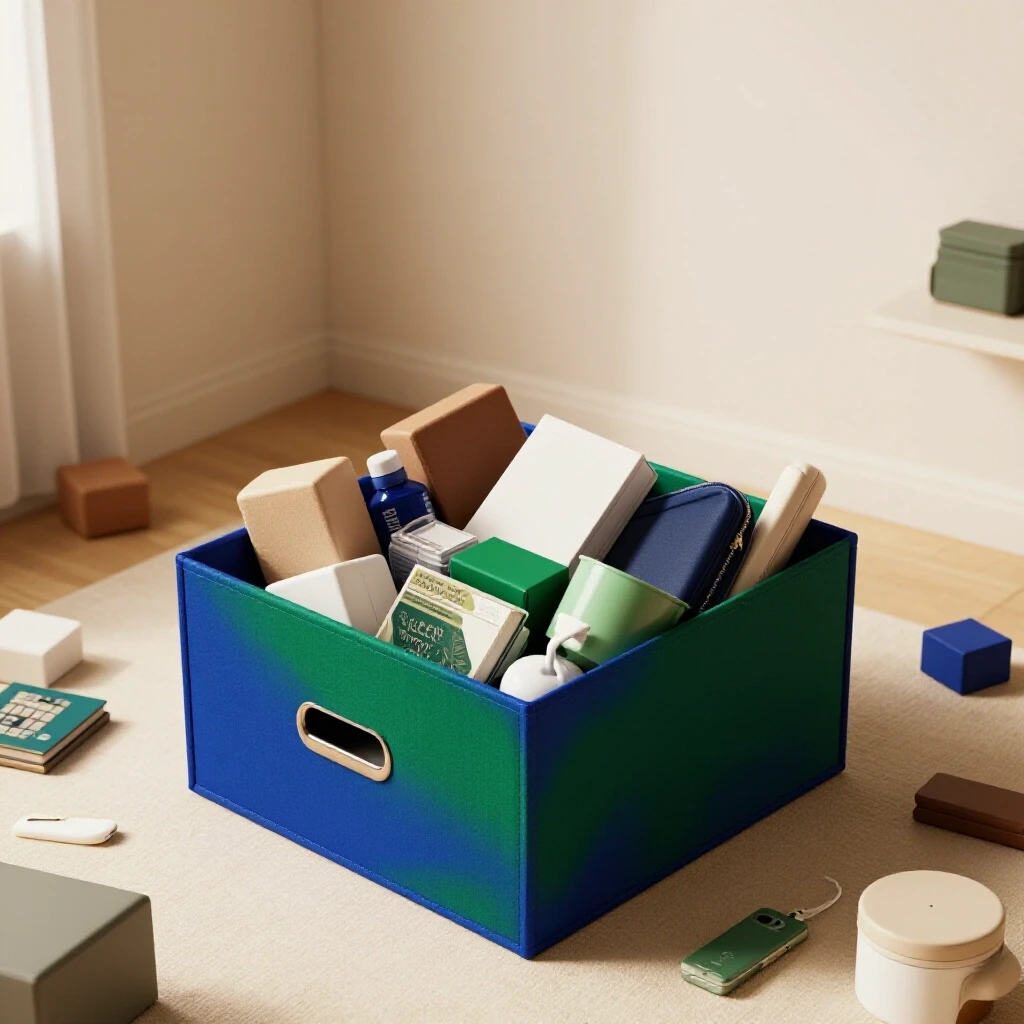
In operations, we aim for “one-touch” handling. The more times you touch an item, the more time you waste. For a busy home, this means prioritizing open-top bins for frequently used items. Research in organizational behavior shows that visual cues are essential for habit formation. If a child can see where the blocks go without opening a heavy lid, they are 60% more likely to put them back.
Table 2: Storage Friction Index by Container Type
| Container Type | Steps to Store | Friction Level | Best Use Case |
|---|---|---|---|
| Open Basket | 1 (Drop) | Low | Toys, Shoes, Daily Mail |
| Pull-out Drawer | 2 (Pull, Drop) | Low-Medium | Kitchen tools, Stationery |
| Lidded Bin | 3 (Lift, Drop, Close) | Medium | Seasonal clothes, Keepsakes |
| Stacked Lidded Bins | 5+ (Move, Lift, Drop…) | High | Long-term attic storage |
As a result of this logic, we replaced our lidded toy boxes with open canvas bins. The “sorting time” for the kids dropped from twenty minutes of complaining to five minutes of easy tossing. We traded “perfectly hidden” for “permanently manageable.”
Implementing a High-Efficiency Zoning Map for the Family Home
A zoning map designates specific areas for certain activities and the items associated with them. By creating “landing strips” for incoming items and “launching pads” for outgoing ones, you prevent cross-contamination between different household functions. This reduces the mental fatigue caused by seeing work papers next to dinner plates.
Zoning is about spatial ergonomics—arranging your environment to fit the user. For example, a “Zone 1” area is a high-frequency spot like the mudroom. Items here should be stored between knee and eye level for maximum efficiency. “Zone 3” might be the top shelf of a closet, reserved for items used only once a month.
- The Entryway Landing Strip: A small tray for keys, a basket for mail, and a dedicated hook for each family member’s daily bag.
- The Kitchen Command Center: A vertical file holder for active paperwork (bills, permission slips) to keep them off the horizontal counters.
- The Launching Pad: A designated spot near the exit for anything that needs to leave the house tomorrow (library books, gym bags, trash).
By mapping these zones, you create a “flow” that moves items through the house rather than letting them pool in the middle of the living room.
Why High-Friction Bins Lead to Rapid Clutter Reversion
Many families fail because they choose storage solutions based on aesthetics rather than ergonomics. When a system is too complex, the “sorting cost” becomes too high for the average person to pay at the end of a tiring day. This leads to a quick reversion to a cluttered state, regardless of how many times you “clean.”
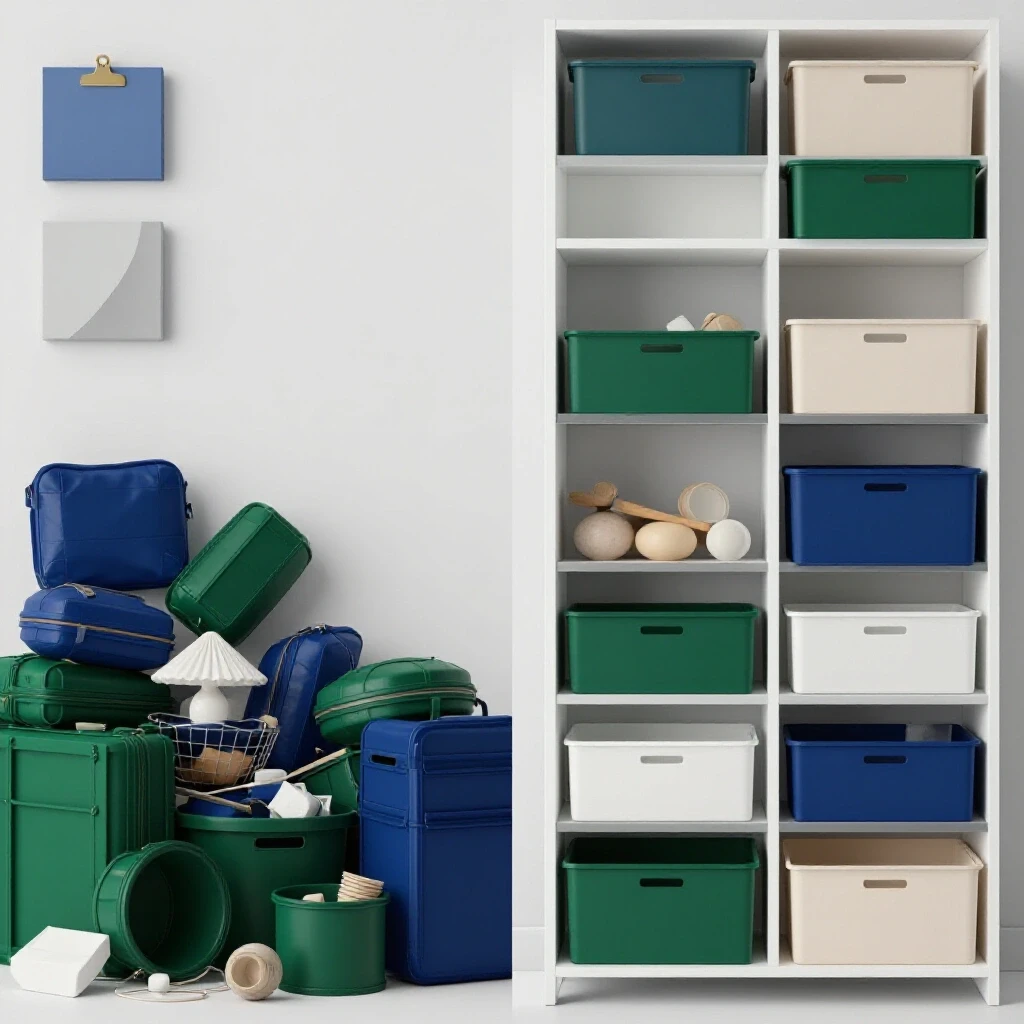
I once bought a beautiful set of matching wicker baskets with tight-fitting lids for our pantry. It looked like a professional photo. Within a week, the bags of flour and snacks were sitting on top of the lids instead of inside the baskets. My family wasn’t lazy; the system was inefficient. We had increased the “retrieval step count” unnecessarily.
To avoid this, follow the 80/20 Rule of Functional Storage: – 80% of your daily items should be in low-friction, easy-access storage. – 20% of your items (the ones you rarely use) can be in high-friction, “pretty” or tucked-away storage.
Sustaining Order Through Systematic Habit Loops
Sustainable organization relies on small, repeatable actions rather than massive weekend overhauls. By integrating a “closing shift” or a morning reset into your schedule, you manage the daily inflow of items before they reach a critical mass. These loops are the “maintenance schedules” of a well-run home.
In our house, we use a “15-minute reset” every evening before the kids go to bed. This isn’t a deep clean. It is a logistical sweep. We move items from the “landing zones” back to their designated “home zones.”
- The 2-Minute Rule: If an item takes less than two minutes to put in its proper place, do it immediately.
- The One-In, One-Out Policy: For every new item that enters a high-traffic zone, an old one must be moved to deep storage or donated.
- The Daily Outflow Check: Every morning, check the “launching pad” to ensure everything needed for the day is ready to go.
Daily Maintenance Timelines by Family Size
| Family Size | Recommended Reset Time | Focus Area |
|---|---|---|
| 2 Adults | 10 Minutes | Kitchen & Living Room |
| 2 Adults + 1 Child | 15 Minutes | Toy Zone & Entryway |
| 2 Adults + 3+ Children | 25 Minutes | Mudroom, Kitchen, Play Area |
These time-boxed intervals prevent the “all-day cleaning” sessions that lead to burnout. Interestingly, when the system is simple, the time required to maintain it stays consistent even as the family grows.
Selecting Low-Maintenance Storage Gear for Real Life
The gear you choose should support your habits, not demand new ones. Modern modular storage units and smart-label tracking systems can help, but only if they reduce the cognitive load of staying organized. Look for heavy-duty materials that can withstand daily use by children and busy adults.
- Clear Acrylic Bins: These allow for instant visual inventory, reducing the time spent searching for items.
- Over-the-Door Organizers: Excellent for utilizing vertical space in small homes without requiring permanent changes.
- Smart Labels (QR Codes): For deep storage boxes in the garage, use QR code labels that link to a digital list of contents on your phone.
- Magnetic Strips: Use these in kitchens or workshops to keep frequently used tools visible and accessible.
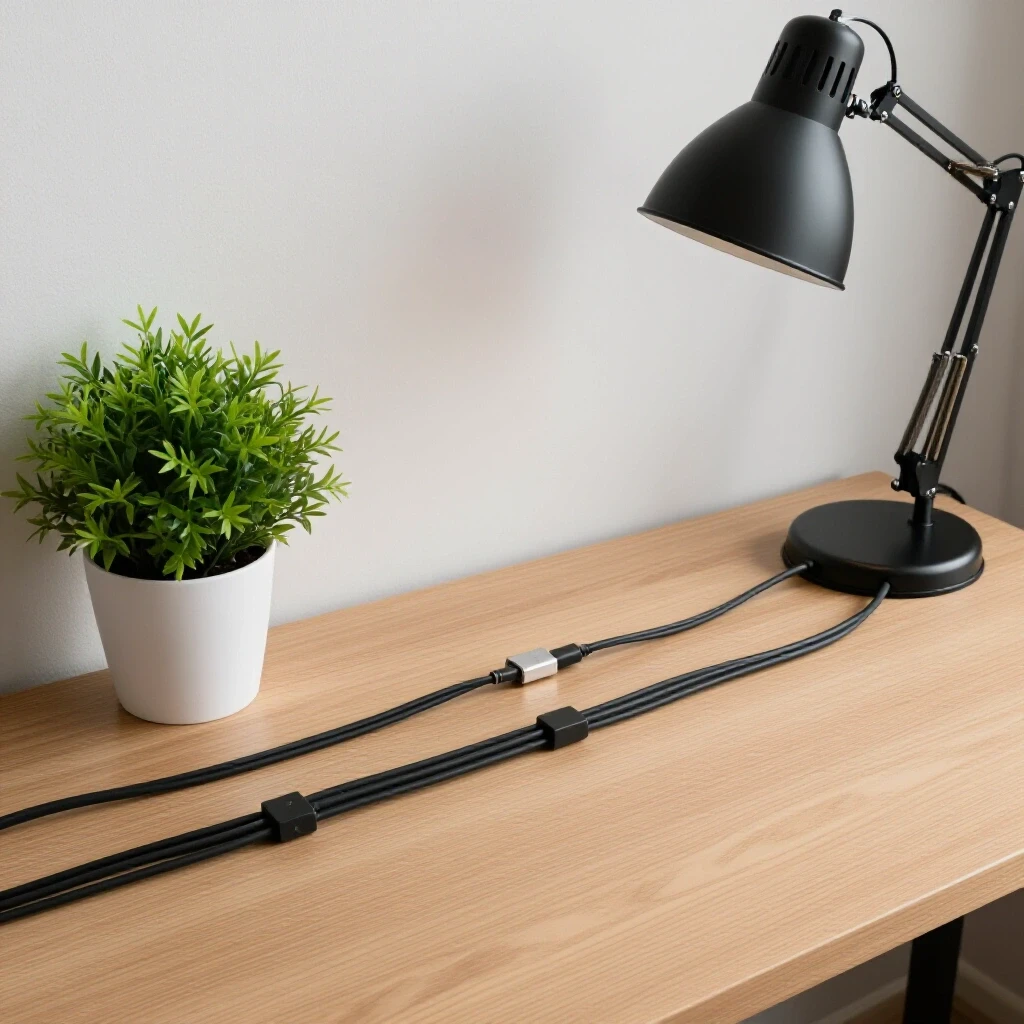
- Weighted Cable Holders: Prevent the “bedside cable crawl” by securing chargers to the nightstand.
When selecting gear, always measure your space first. A common mistake is buying containers that are too large, which encourages “over-stuffing” and makes it harder to find what you need. Aim for a 75% capacity limit in any bin to allow for easy sorting.
Actionable Steps to Reclaim Your Surfaces
To start your transition from constant clutter to a managed flow, focus on one area at a time. Do not try to reorganize the entire house in one weekend. Start where the frustration is highest—usually the kitchen or the entryway.
- Step 1: The 10-Minute Audit. Stand in your most cluttered room and identify the three spots where items always pile up.
- Step 2: Clear the “Docking Station.” Clear one surface completely. Place a single tray or basket there to catch incoming items.
- Step 3: Lower the Friction. If shoes are always on the floor, put an open basket there. Don’t fight the habit; facilitate it.
- Step 4: Set the Loop. Commit to a 10-minute “reset” at the same time every day for one week.
By focusing on the logistics of how your family actually lives, you create a home that supports you rather than one that demands your constant attention. The goal isn’t a “perfect” house; it is a functional space where you can finally relax.
Frequently Asked Questions
How do I stop the kitchen counter from becoming a “catch-all” for mail? The kitchen counter becomes a catch-all because it is the first convenient surface. To fix this, create a “mail processing station” closer to the door. Use a vertical sorter with three slots: “To Action,” “To File,” and “To Shred.” By moving the decision-making process to the door, you prevent the paper from ever reaching the kitchen.
What is the best way to get kids to use an organization system? Lower the physical barriers. Use open-top bins at their height. Labels with pictures are more effective than words for younger children. Most importantly, use the “one-touch” rule: if they have to open a lid, they probably won’t put the toy back.
Why does my house get messy again just days after a big clean? This usually happens because the “cleaning” was just moving items around rather than fixing the underlying flow. If you don’t have a designated “home” for every item, or if that home is too hard to reach, the items will naturally return to the surfaces where they are easiest to drop.
How do I handle items that don’t seem to have a specific “home”? These are often “homeless” items like random batteries, loose change, or receipts. Create a “Utility Zone” with small, divided drawers. Each drawer should have a specific category. If an item doesn’t fit a category, ask if it is actually needed.
Is it better to have more small bins or a few large ones? Smaller, categorized bins are almost always better. Large bins lead to “digging,” which increases retrieval friction and causes frustration. Small bins allow you to find exactly what you need in under five seconds.
What should I do with “sentimental” clutter that gathers on surfaces? Sentimental items should be moved out of “Active Zones” and into “Display Zones” or “Deep Storage.” If a surface is needed for daily function (like a dining table), it should not be used as a permanent display area for keepsakes.
How do I manage the “visual overwhelm” of open bins? If open bins feel too messy, choose opaque bins in a neutral color. This hides the internal “chaos” of the items while still providing the low-friction benefit of an open top. You get the visual calm of a closed container with the speed of an open one.
How often should I “audit” my organization systems? A quick audit every three to six months is usually enough. As seasons change or children grow, their needs—and the items they carry—will change. Adjust your “Zoning Map” to reflect your current reality.
What is the “15-minute reset” exactly? It is a timed period where the family works together to move items from “Landing Zones” (surfaces) back to their “Home Zones” (storage). It is not about deep cleaning or scrubbing; it is strictly about moving items to where they belong so the next day starts with a clean slate.
Can a digital inventory really help a busy family? Yes, especially for items stored in “Deep Storage” like holiday decorations or out-of-season clothes. Using a simple app to track what is in which box prevents you from buying duplicates and reduces the time spent rummaging through the garage or attic.
(This article was written by one of our staff writers, Christopher Bennett. Visit our Meet the Team page to learn more about the author and their expertise.)