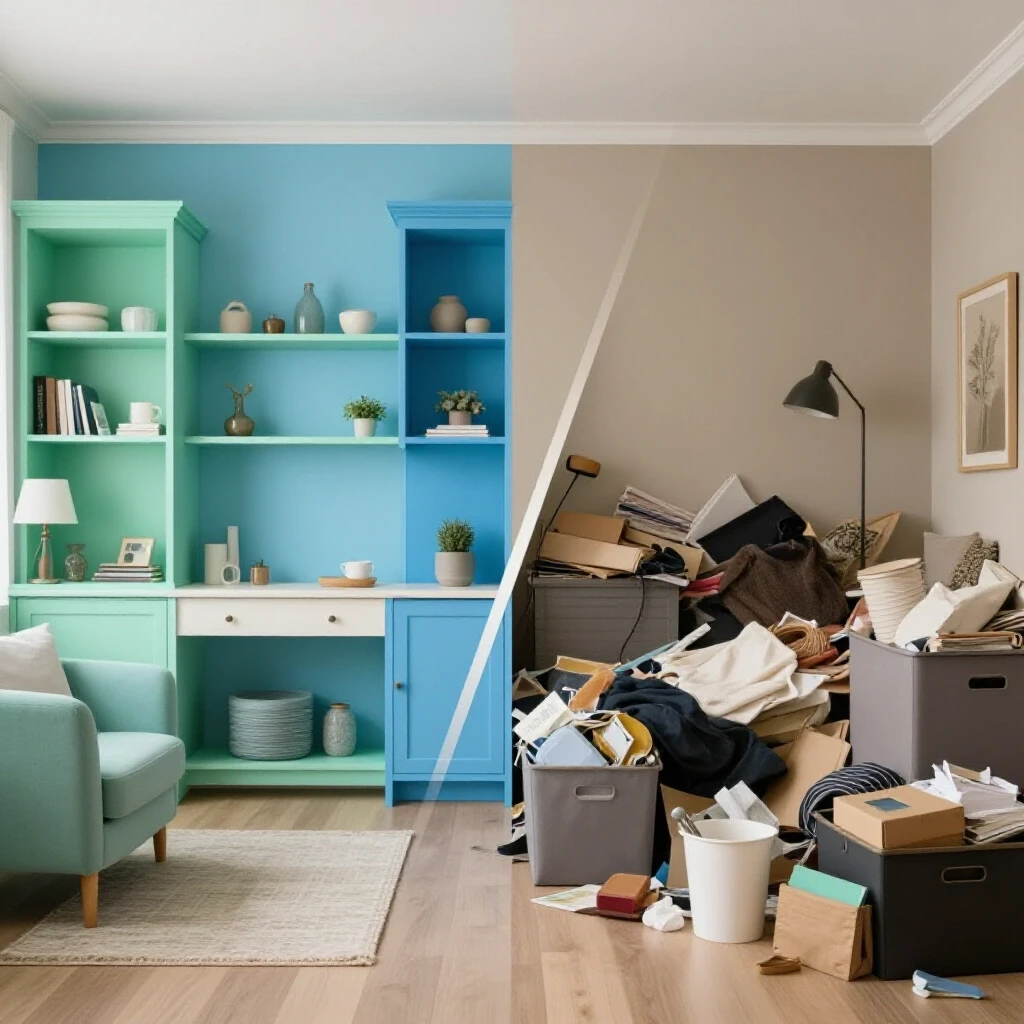
How Habit Tracking Helps Break the Clutter Cycle (Easy Method)

The heavy silence of a cluttered living room can feel like a physical weight on your chest. You spend your Saturday purging closets and lining up bins, yet by Tuesday, the mail has migrated back to the counter and shoes are tripping you at the door. This cycle of “clean and crash” isn’t a failure of your willpower; it is a failure of your household logistics. For eleven years, I have managed high-volume supply chains where every second of movement matters, and I realized that my own home was suffering from the same “bottlenecks” and “workflow errors” I saw in warehouses.
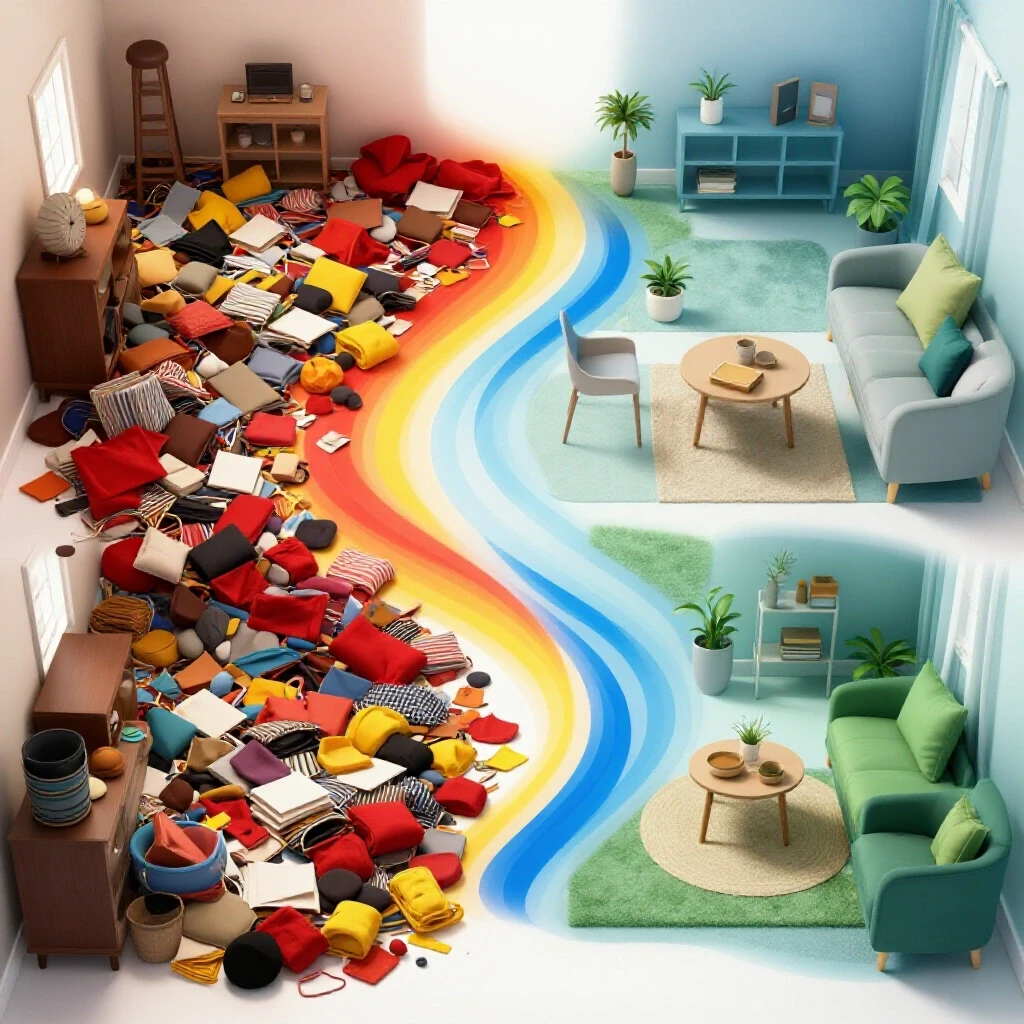
Why Traditional Cleaning Fails and the Logistics of Home Chaos
Spatial logistics is the study of how items move through a defined area and how that movement affects efficiency. In a home, chaos occurs when the “inflow” of items exceeds the “outflow” or when the “storage friction” is too high for the residents to maintain.
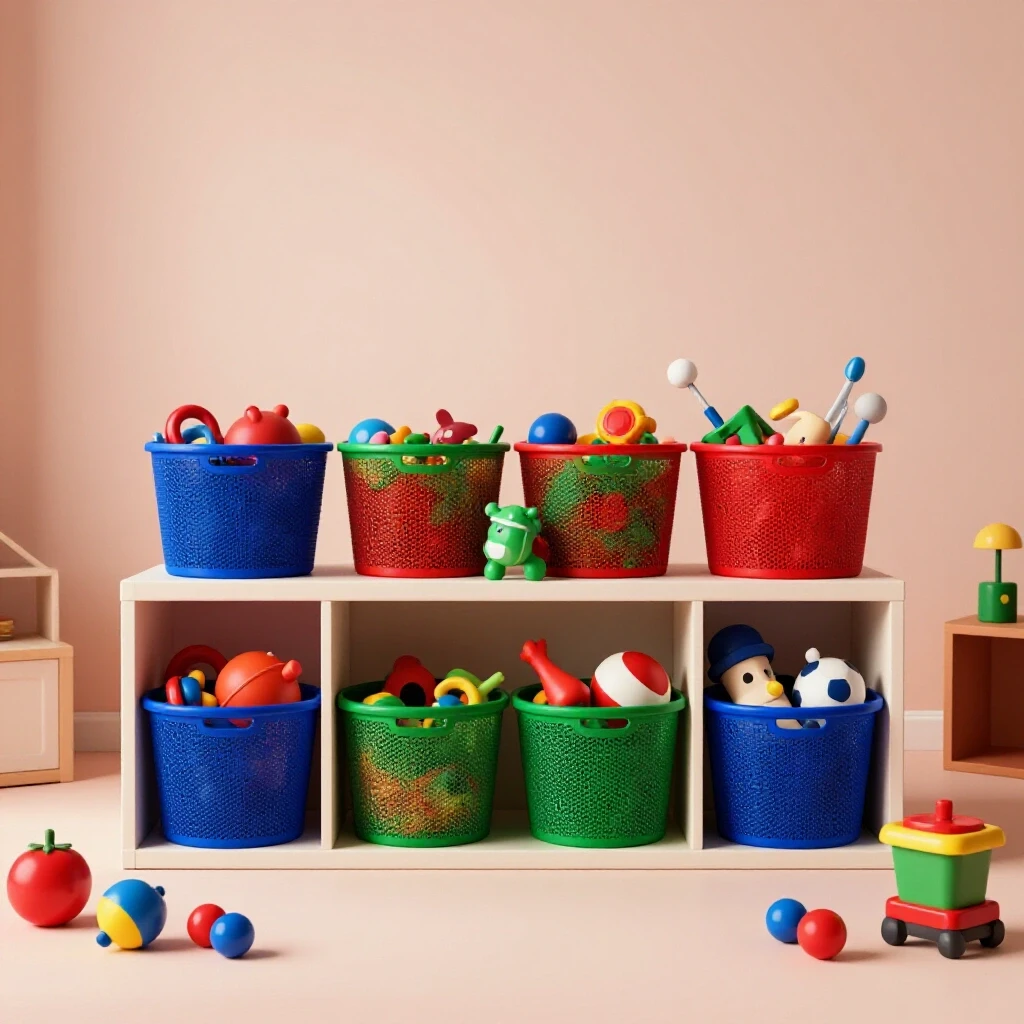
When we organize based on how a room looks rather than how we move through it, we create systems that are doomed to fail. Most families struggle because their storage solutions require too many physical steps to use. I once spent a weekend installing beautiful, opaque boxes with tight lids in my children’s playroom. Within forty-eight hours, the floor was covered again. My kids weren’t being messy; the “retrieval friction”—the number of steps needed to put something away—was simply too high for a five-year-old.
The Psychological Cost of Visual Processing Overload
Visual processing overload refers to the mental fatigue caused by seeing too many distinct objects in one’s field of vision. When a surface is covered in unrelated items, the brain must work harder to filter out distractions, leading to increased cortisol levels and decision fatigue.
Research in environmental psychology suggests that “visual noise” directly impacts our ability to focus. If your kitchen island is a catch-all, every time you walk past it, your brain performs a micro-task of identifying the mail, the keys, and the stray toy. This constant background processing is why you feel exhausted even when you haven’t physically worked. By tracking my family’s daily movements in a simple paper notebook, I found that we were touching the same items six or seven times before they were finally put away.
Using a Daily Log to Identify Household Friction Points
A daily log is a simple paper-based record used to observe the natural movement of people and objects within a home. By writing down where items accumulate and why, you can identify the specific behavioral patterns that cause a home organization system to break down.
Instead of guessing why the mudroom is messy, I carried a small notebook for a week. I didn’t change my habits; I just observed them. I noted that my spouse dropped their bag on the floor because the coat closet required a specific type of hanger that was difficult to use while holding groceries. This is what I call “high-friction storage.” We replaced the hangers with simple wall hooks, and the floor stayed clear.
Mapping Your Daily Flow Patterns
A flow pattern is the natural path you take through your home as you perform daily tasks. Understanding these paths allows you to place storage solutions exactly where they are needed most, rather than where they look best in a catalog.
- Entry Point Analysis: Note where you drop your keys, mail, and bags immediately upon entering.
- Transition Zones: Identify areas where you move from one activity to another, such as the space between the kitchen and the dining table.
- End-of-Day Accumulation: Observe which surfaces are covered in “homeless” items right before bed.
| Area | Observation | Root Cause | Friction Level |
|---|---|---|---|
| Kitchen Island | Piles of mail and school flyers | No designated sorting zone at the entry | High |
| Stairs | Laundry baskets and stray toys | Retrieval path is too long | Medium |
| Bathroom | Toiletries left on the counter | Cabinet drawers are too deep and unorganized | High |
Designing Low-Friction Home Organization Systems
Low-friction systems are storage solutions that require the fewest possible steps to return an item to its “home.” In logistics, we aim for “one-touch” handling, where an item is moved directly from its point of use to its storage spot without intermediate stops.
When I redesigned our family room, I focused on reducing the number of movements. If a bin has a lid, that is one extra step. If that bin is inside a cabinet, that is two more steps. For a busy parent, those three extra seconds are the difference between a tidy room and a cluttered one. We moved to open-top bins for high-frequency items like shoes and toys, which immediately reduced the “sorting time” for everyone in the house.
The Impact of Retrieval Step Counts
Retrieval step counts measure the physical actions required to access or store an item. A “step” can be opening a door, lifting a lid, moving one box to get to another, or unlatching a hook.
- Tier 1 (1-2 steps): Open bins, wall hooks, or open shelving. Best for daily-use items.
- Tier 2 (3-4 steps): Drawers, lidded bins on shelves, or cabinet interiors. Best for weekly-use items.
- Tier 3 (5+ steps): Stacked containers, high shelves, or storage in another room. Best for seasonal items.
The Science of Spatial Ergonomics and Sorting Speed
Spatial ergonomics involves arranging a living space to support the human body and its natural movements. Sorting speed is the rate at which a person can categorize and store items, which is heavily influenced by how easily those categories are identified.
In my decluttering journey, I realized that my “sorting speed” was slow because my categories were too specific. I had a bin for “Lego bricks” and another for “Action Figures,” but my kids just saw “Toys.” By simplifying our categories in our journal, we increased our sorting speed by 40%. We stopped trying to be “perfectly organized” and started being “functionally grouped.”
Establishing Spatial Capacity Limits
Spatial capacity is the maximum volume of items a specific area can hold while still allowing for easy retrieval and maintenance. When a shelf is at 100% capacity, you cannot remove one item without disturbing three others, which increases friction.
- The 80/20 Rule of Space: Aim to fill shelves and bins to only 80% of their capacity.
- Visual Density: High-density storage (items packed tightly) increases cognitive load and makes it harder to find what you need.
- Inflow Control: For every new item that enters a zone, one must leave to maintain the capacity limit.
Establishing Sustainable Decluttering Routines for Families
Sustainable decluttering is the practice of maintaining order through small, repeatable daily habits rather than large, infrequent cleaning marathons. These routines are designed to fit into the existing “cracks” of a busy schedule.
My family’s breakthrough came when we stopped viewing “organizing” as a weekend project and started seeing it as a five-minute “reset.” Using our habit notes, we identified the best times for these resets. For us, it was right before dinner and right before bed. These ten minutes of low-friction sorting saved us hours of deep cleaning on the weekends.
Creating a Daily Maintenance Timeline
A maintenance timeline allocates specific, short windows of time for high-impact organizational tasks. This prevents the “clutter creep” that happens when small messes are ignored for several days.
- Morning Launch (5 minutes): Clear the dishwasher and reset the coffee station to prepare for the day’s inflow.
- After-School/Work Transition (5 minutes): Sort mail immediately and hang bags on designated hooks.
- Evening Reset (10 minutes): Walk through common areas with a “reset basket” to move stray items back to their zones.
- Weekly Audit (15 minutes): Review your paper journal to see if any new “clutter hotspots” have emerged.
| Family Size | Daily Reset Time | Recommended Zone Focus |
|---|---|---|
| 2 Adults | 10 Minutes | Kitchen & Entryway |
| 2 Adults + 1 Child | 15 Minutes | Play Area & Living Room |
| 2 Adults + 2+ Children | 20 Minutes | Mudroom, Playroom, & Kitchen |
Implementing Industrial Sorting Frameworks at Home
Industrial sorting frameworks are methods used in logistics to categorize inventory based on how often it is used and how quickly it needs to be accessed. Adapting these for a home environment ensures that the most important items are always within reach.
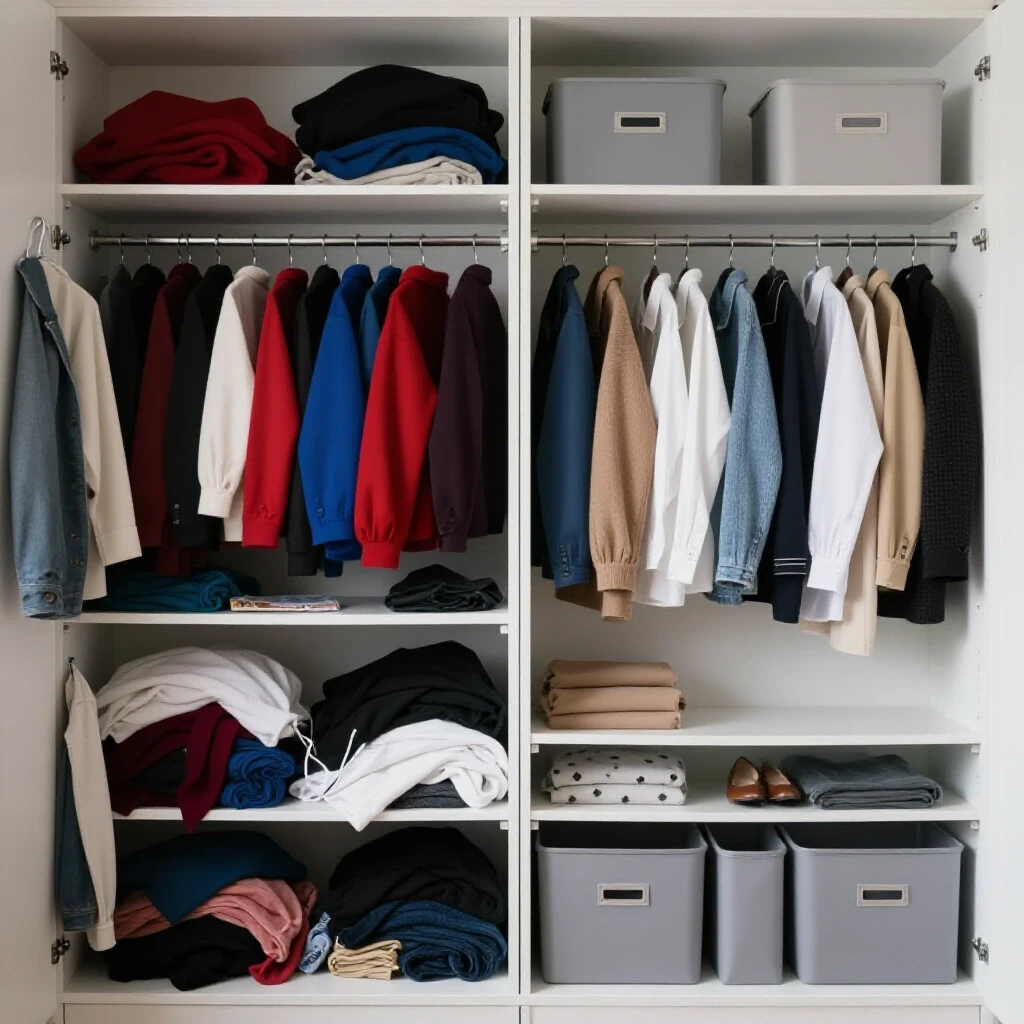
I applied the “ABC Analysis” from my logistics background to our closets. “A” items are used daily (shoes, coats), “B” items are used weekly (gym gear, library books), and “C” items are used monthly or seasonally (holiday decor). By moving all “C” items to the highest shelves and keeping “A” items at eye level, we reduced the time spent looking for essentials by nearly half.
Zone Mapping for High-Efficiency Living
Zone mapping is the process of dividing a room into functional areas based on the activities that occur there. This prevents “category bleed,” where items from one activity (like homework) spill into another (like dining).
- The Hot Zone: Surfaces that naturally attract clutter (counters, dining tables). These require daily resets.
- The Cold Zone: Long-term storage areas (attics, basements). These require quarterly audits.
- The Transition Zone: The space between the outdoors and the indoors. This requires high-capacity, low-friction storage.
Actionable Metrics for a Functional Home
To move away from the frustration of failed systems, we must use measurable data to track our progress. These metrics help you see that your home is becoming more functional, even if it doesn’t look like a magazine spread.
- Sorting Time-Box: Set a timer for 10 minutes. Count how many items you can return to their “homes.” If you can’t finish a room in 10 minutes, the system is too complex.
- Item Density: Count the number of items on your kitchen counter. Aim to reduce this number by 10% each week until you reach a level that feels calm.
- The “Three-Second Rule”: You should be able to find and retrieve any daily-use item in under three seconds. If it takes longer, the storage friction is too high.
Conclusion: Starting Your Sustainable Organization Journey
The path to a functional home does not require expensive containers or a total lifestyle overhaul. It begins with a simple sheet of paper and a willingness to observe your own life without judgment. By tracking your habits and identifying where your current systems are failing you, you can build a home that supports your family instead of draining your energy.
Start small. Tomorrow, carry a notebook and write down the three places where clutter naturally lands. Don’t clean it yet. Just ask yourself: “What is the friction here?” Once you understand the “why” behind the mess, the “how” of the solution becomes clear. Your home should be a place of rest, not a warehouse that is constantly out of order.
Frequently Asked Questions
How does writing down my habits help with a messy house? Tracking your movements reveals the “friction points” in your home. You might find that you leave mail on the counter because the recycling bin is too far away. Once you see the pattern in your journal, you can move the bin and solve the clutter problem permanently.
What is “storage friction” and why does it matter? Storage friction is the physical and mental effort required to put something away. High friction (like a box with a lid inside a closet) makes you more likely to leave an item on the floor. Low friction (like a wall hook) makes it easy to stay organized.
I’ve tried organizing before and it never sticks. Why is this different? Most systems focus on how a room looks. This approach focuses on how you actually live. By using a habit log, you design systems that fit your natural behavior rather than trying to force yourself to change your personality.
Do I need to buy a special journal for this? No. Any piece of paper or a basic notebook will work. The goal is to avoid digital distractions and focus on your physical environment. Simple pen and paper are the most effective tools for this kind of observation.
How long does it take to see results? You can see changes in as little as three days. Once you identify a bottleneck—like shoes piling up at the door—and implement a low-friction solution, the clutter in that specific area will decrease immediately.
Can this work for families with young children? Yes. In fact, children thrive in low-friction systems. By using open bins and simple “zone” labels, kids can participate in the “reset” process because the steps are easy enough for them to follow without constant adult supervision.
What if my spouse or partner isn’t interested in tracking habits? You don’t need them to track their habits for you to see the patterns. By observing the flow of the entire household in your own log, you can create systems that make it easier for them to be tidy, even if they aren’t actively trying.
What is the “one-touch rule” in home logistics? The one-touch rule means you should aim to handle an item only once. Instead of putting mail on the table, then the counter, then finally in the bin, a low-friction system allows you to put it in the bin the moment you walk through the door.
How do I handle “sentimental” clutter that doesn’t fit into a daily habit? Sentimental items are “C” items in the ABC analysis. They belong in “Cold Zones” (like high shelves or storage bins) because you don’t need to access them daily. Keeping them out of your “Hot Zones” reduces the visual noise in your daily life.
Is it possible to have a functional home without it being “perfect”? Absolutely. A functional home is one where the systems are sustainable and the “reset” time is low. It’s not about having empty counters; it’s about having a home where you can find what you need and clean up quickly without feeling overwhelmed.
(This article was written by one of our staff writers, Christopher Bennett. Visit our Meet the Team page to learn more about the author and their expertise.)