How a Dining Room Remodel Can Improve Daily Routines (Guide)

Highlighting sustainability in our homes often starts where we gather most: the dining area. After 18 years in the construction field, I have seen how a simple shift in a room’s footprint can alter a family’s entire daily rhythm. When we think about residential renovation planning, we often focus on the big-ticket items like kitchens or baths. However, the space where you share meals holds a unique power over your household flow. My own experience with two full-home overhauls taught me that even small layout changes require a disciplined approach to avoid the common pitfalls of budget creep and scheduling delays.
Defining the Scope for a Dining Space Refresh
Defining the scope of work means creating a detailed list of every change you plan to make before any materials are purchased. This document acts as your roadmap, preventing “scope creep,” which is when small additions slowly inflate your project’s cost and timeline beyond your original intent.
In my professional coordination career, I have found that homeowners often underestimate the complexity of a simple room update. For example, changing a light fixture seems easy, but if the new fixture is heavy, you may need to reinforce the electrical box in the ceiling. This is where a contractor management guide mindset helps, even if you are doing the work yourself. You must look at the “why” behind every change. Are you updating the space for better hosting, or is it for daily homework and family dinners?
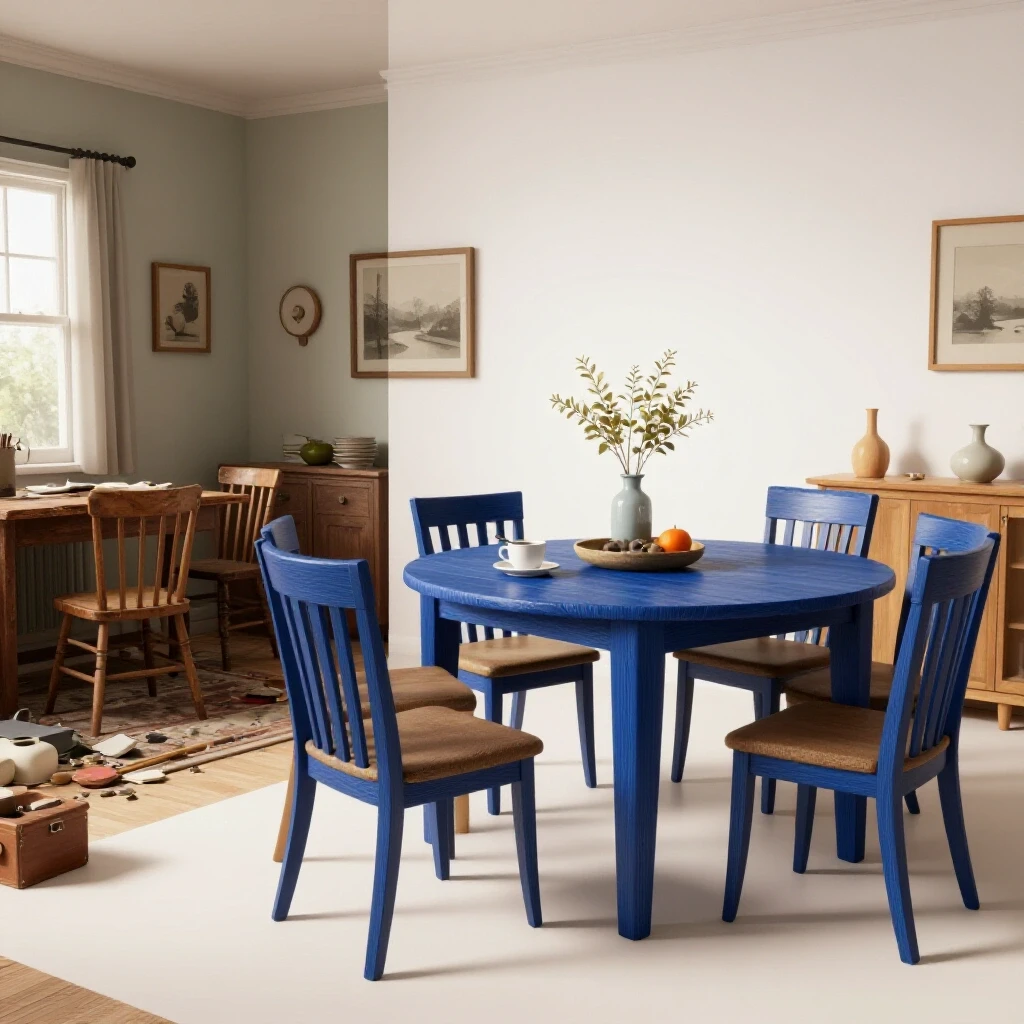
When I updated my own meal area, I realized the old layout forced us to walk around a bulky table to get to the back door. By shifting the table orientation and choosing a more efficient shape, the entire “traffic pattern” of our home improved. This is a core principle of home remodeling tips: focus on how people move through the space. A well-planned scope includes flooring choices, wall treatments, lighting upgrades, and any minor electrical shifts needed to support your new layout.
Estimating and Budgeting for Your Eating Area
Budget forecasting involves using historical data and current material costs to predict the total financial investment of your project. It requires looking at both the visible finishes and the hidden costs, such as delivery fees, waste disposal, and protective gear for the work site.
To get a realistic figure, I rely on RSMeans construction estimating resources. These tools provide cost-per-square-foot averages that are more reliable than a “best guess.” For a dining space, you should allocate your funds based on the impact each item has on your routine. In my experience, flooring and lighting offer the highest return on daily usability.
| Cost Category | Typical Allocation | Why It Matters |
|---|---|---|
| Flooring Materials | 30% | High-traffic durability is essential for daily meals. |
| Lighting & Electrical | 20% | Ambiance and task lighting change the room’s mood. |
| Wall Finishes/Paint | 15% | Provides the backdrop for the entire aesthetic. |
| Furniture & Decor | 25% | Direct impact on comfort and seating capacity. |
| Contingency Fund | 10% | Covers hidden issues like subfloor rot or wiring needs. |
While a kitchen remodel budget might focus on appliances, your dining area budget should prioritize the “thermal envelope” and comfort. If the room is drafty, no amount of paint will make it a place where people want to linger. Interestingly, I once worked on a project where the homeowner spent their entire budget on a custom table but forgot to account for the cost of refinishing the floor underneath it. Always plan for the “rippling effect” of your choices.
The Importance of Construction Sequencing
Construction sequencing is the logical order in which tasks must be performed to ensure efficiency and protect completed work. It prevents you from having to “undo” a step, such as painting a wall only to realize you need to cut into it for a new outlet.
When managing the timeline for a dining area update, the sequence usually follows a “top-down” approach. You start with the ceiling and lighting, move to the walls, and finish with the floors. This ensures that any paint drips or dust from the ceiling work don’t ruin your brand-new flooring.
- Demolition and Prep: Remove old carpet, wallpaper, or outdated fixtures.
- Structural and Electrical Check: Inspect the subfloor and update any wiring for new lighting.
- Surface Preparation: Patch drywall, sand walls, and prime.
- Ceiling and Wall Finishing: Paint the ceiling first, then the walls.
- Flooring Installation: Lay down your new surface and install baseboards.
- Fixture Installation: Hang the new chandelier or pendant lights.
- Furniture Placement: Bring in the table and chairs once the floor finish has cured.
In one of my personal renovations, I ignored this sequence and installed the flooring before painting the ceiling. As a result, I spent three extra days scrubbing white paint speckles off dark wood planks. Following a strict sequence reduces stress and keeps the project moving forward without backsliding.
Why Structural Inspection Checklists Save Your Budget
A structural inspection checklist is a systematic way to look for hidden problems like mold, rot, or outdated wiring before you start the “pretty” part of the project. It involves checking the integrity of the “bones” of the room to ensure your new finishes will last for years.
In older homes, the dining room floor often hides surprises. During a project on a 1940s colonial, we pulled up the old rug only to find significant water damage near the window. The subfloor—the thick layer of wood beneath your finished flooring—was soft and rotting. If we had just laid new wood on top, the floor would have eventually sagged or grown mold.
- Check for Level: Use a long level to see if the floor slopes toward one corner, which could indicate foundation settling.
- Inspect for Moisture: Look for dark stains on the subfloor or a musty smell that suggests a slow leak from a nearby window or radiator.
- Verify Electrical Safety: If your home has “knob and tube” or ungrounded wiring, a simple lighting update could become a safety hazard.
- Test for Lead and Asbestos: In homes built before 1978, old paint or floor tiles may contain hazardous materials that require special handling.
By catching these issues early, you can adjust your budget before you are too deep into the project. I recommend a 15–25% contingency buffer for homes over 50 years old to account for these specific structural discoveries.
Managing the Project Flow and Daily Logistics
Managing project flow means overseeing the daily progress of the work while balancing your own life, job, and family needs. It involves setting realistic milestones and tracking material lead times to ensure you don’t run into “dead time” where no progress is made.
One of the biggest mistakes I see is failing to account for “lead time,” which is the time it takes for a product to be delivered after you order it. If you choose a specific light fixture that takes six weeks to arrive, but you finish the painting in two weeks, your room will sit unfinished for a month. Use a simple tracking app or a spreadsheet to log every item you need and its expected delivery date.
Building on this, you must manage the “work site” even if it is just one room. Dust control is vital in a dining area, especially if it is adjacent to your kitchen. I always suggest using heavy-duty plastic sheeting and painter’s tape to seal off the doorways. This keeps the rest of your house livable while the dining space is under construction. In my professional career, the most successful projects were the ones where the homeowners stayed organized and communicated clearly with everyone involved in the process.
How Layout Adjustments Influence Household Rhythms
Layout adjustments refer to the physical rearrangement of furniture and walkways to improve how a room functions. It is not just about aesthetics; it is about the “ergonomics” of the space—how easily you can sit, stand, and move around the table.
When we updated our eating area, we moved from a rectangular table to a round one. This seemingly small design choice changed how we interacted. A round table allows everyone to see each other, which naturally encouraged longer conversations during dinner. We also added a small “buffet” or “sideboard” against the wall. This provided a place to set serving dishes, clearing up space on the table and making the meal feel less cluttered.
- The 36-Inch Rule: Ensure there are at least 36 inches between the edge of the table and the wall or other furniture to allow people to pull out their chairs and walk behind others.
- Lighting Height: The bottom of a chandelier should generally sit 30 to 34 inches above the table surface for optimal light without blocking views.
- Rug Sizing: If you use a rug, it should be at least 24 to 30 inches wider than the table on all sides so chair legs don’t get caught on the edge.
These metrics are grounded in residential building standards and post-occupancy evaluations. When a room is designed with these measurements in mind, it feels “right” even if you can’t quite put your finger on why. It reduces the friction of daily life, making the room a destination rather than just a pass-through space.
Finalizing the Project with a Punch-List
A punch-list is a final checklist of small tasks, repairs, and touch-ups that need to be completed before the project is officially finished. It is the “last 5%” of the work that often takes the most discipline to complete.
As you near the end of your dining area update, walk through the room with a critical eye. Look for paint drips on the baseboards, gaps in the floor molding, or light switches that feel loose. It is easy to feel “renovation fatigue” and want to call it finished, but these small details are what make the project look professional.
In my years of overseeing builds, I have found that a written list is the only way to ensure nothing is missed. If you are doing the work yourself, hold yourself to the same quality-control benchmarks you would expect from a pro. Once the punch-list is clear, take the time to clean the space thoroughly. Removing the construction dust is the final step in reclaiming your home and starting your new routine in a refreshed environment.
Frequently Asked Questions
How do I determine if my dining room floor needs a structural repair? You should look for signs of sagging, bouncing, or significant slopes. If you place a marble on the floor and it quickly rolls to one side, your floor is out of level. Small slopes are common in old homes, but a “spongy” feeling when you walk indicates that the subfloor or the joists (the beams holding up the floor) may be damaged by moisture or insects and require reinforcement.
What is the best way to manage a project schedule when I have a full-time job? The best approach is to use “critical path scheduling.” This means identifying the tasks that must happen in a specific order and focusing your energy there. For example, you cannot install flooring until the painting is done. Plan your high-effort tasks for weekends and use weeknights for low-noise activities like researching materials or ordering supplies.
How much of a contingency fund do I really need for a single-room update? For a dining area, a 15% contingency is usually sufficient for modern homes. However, if your home was built before 1960, I recommend 20–25%. This fund is not for “extra” decor; it is specifically for “surprises” like finding outdated electrical wiring behind a wall or discovering that your subfloor needs replacing once the old carpet is removed.
Why is lighting so important in a meal space renovation? Lighting dictates the “utility” of the room. A single bright overhead light can make a room feel like a cafeteria. By installing a dimmer switch and using layers of light—such as a central pendant combined with small lamps on a sideboard—you can transition the room from a bright homework station to a warm, inviting space for a dinner party.
Can I change my dining room layout without moving walls? Absolutely. Most layout issues are caused by “traffic flow” problems. By simply changing the size or shape of your table, or moving a doorway’s swing direction, you can drastically improve how the room feels. Focus on the 36-inch clearance rule to ensure the space doesn’t feel cramped during meals.
How do I avoid design mistakes that I will regret later? The most common error is choosing materials that don’t match your lifestyle. If you have young children or pets, a delicate silk rug or a high-maintenance wax-finish wood floor may cause stress. Always perform a “post-occupancy evaluation” in your mind: imagine yourself using the room on a busy Tuesday morning and a slow Sunday evening. If the materials can’t handle both, keep looking.
What are the most important tools for a homeowner managing their own refresh? 1. A high-quality laser measure for accurate floor plans. 2. A project management app to track “lead times” and delivery dates. 3. A digital level to check for floor and wall straightness. 4. A detailed “Scope of Work” document to prevent budget overruns.
How do I know if I am getting a fair price on materials? Use RSMeans data or local home center websites to find “cost per square foot” averages for your area. Always get at least three quotes for high-cost items like hardwood flooring or custom cabinetry to ensure you aren’t paying a “premium” due to a lack of research.
What is the “thermal envelope,” and why does it matter in a dining room? The thermal envelope is the barrier between the conditioned air inside your home and the outside air. In many dining rooms, old windows or poorly insulated walls make the space uncomfortable. Addressing drafts with weatherstripping or better window treatments can be more impactful for your daily routine than new furniture.
How do I handle “change orders” if I am doing the work myself? A change order is any shift in the original plan. If you decide to add a new outlet halfway through, that is a change order. To manage this, document the cost of the new materials and the extra time it will take. If it pushes you over your budget or past your deadline, you must decide if the change is worth the trade-off before you commit to it.
(This article was written by one of our staff writers, David Langford. Visit our Meet the Team page to learn more about the author and their expertise.)