DIY Decor vs Store-Bought: Which Saves Time and Money? (Guide)

The best-kept secret in high-end home renovation isn’t a specific brand or a hidden wholesale source. It is the “technical resource audit.” For 13 years, I have analyzed supply chains and material performance data to determine if building a custom home feature yields more value than purchasing a pre-manufactured alternative. Most homeowners focus on the sticker price, but the real cost includes the labor hours, specialized tools, and the long-term durability of the finished product. In my experience across multiple properties, the most expensive choice is often the one that looks the best on day one but fails to meet industry performance standards by year five.

Evaluating Material Performance: Custom Fabrication vs. Factory Standards
Technical performance standards are the measurable benchmarks that determine how a material reacts to stress, moisture, and wear. These standards, often set by organizations like ASTM International, provide a universal language for comparing hand-built components against factory-engineered products. Understanding these specs helps you look past the aesthetics to see the actual structural integrity.
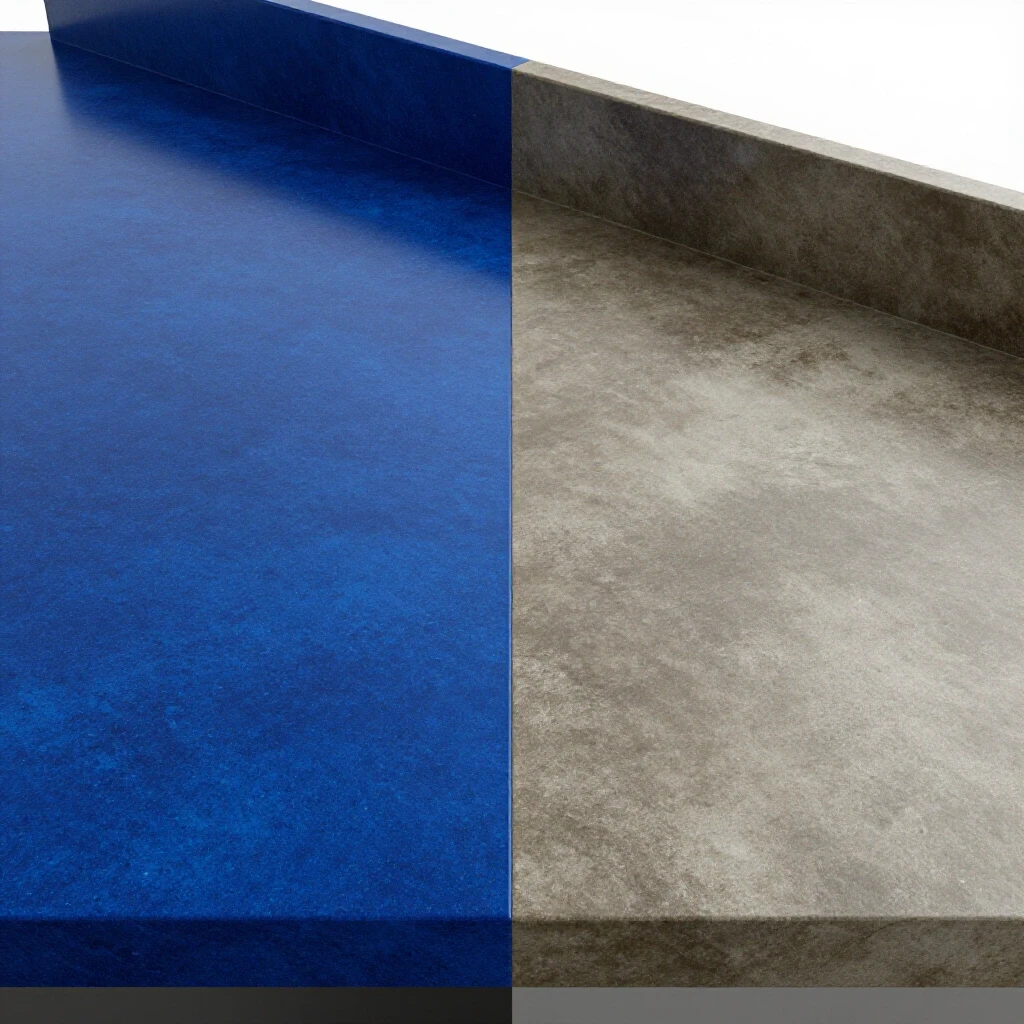
When I evaluate a material, I start with the “what” and “why.” For instance, if you are considering a custom-poured concrete countertop versus a factory-finished quartz slab, you are looking at two very different sets of technical engineering specifications. Concrete is a porous, hydraulic cement-based material. Its performance depends entirely on the mix ratio and the quality of the topical sealer. Quartz, conversely, is a composite material made of roughly 93% crushed stone and 7% resin, engineered under intense pressure and heat to be non-porous.
The difference in porosity is a critical metric. Porosity refers to the percentage of void space within a material, which determines how much liquid it will absorb. According to ASTM C97 standards, a high-quality natural stone should have a low absorption rate. If you build a custom surface, you are responsible for achieving that seal. If you buy a factory-made slab, that density is baked into the manufacturing process.
Understanding the Mohs Hardness Scale in Home Accents
The Mohs scale measures a material’s scratch resistance by determining how easily one substance can scratch another. This scale ranges from 1 (talc) to 10 (diamond). For home materials, a higher rating generally translates to lower maintenance and a longer lifespan in high-traffic areas.
In my own kitchen renovation, I compared hand-finished wooden surfaces to high-pressure decorative laminates. The wood, while beautiful, sat at a 3 or 4 on the hardness scale. The factory laminate, engineered with aluminum oxide, reached a 6 or 7. While the custom wood could be sanded and refinished, the factory surface required zero intervention for a decade. This is the trade-off between a material that is “repairable” and one that is “resilient.”
Why Higher Upfront Costs Don’t Always Guarantee Durability
A higher initial price point often reflects the rarity of a material or the complexity of its production rather than its physical toughness. Trade-off analysis requires homeowners to distinguish between “luxury” and “performance” by examining technical data such as tensile strength and wear-layer thickness.
I once spent a significant amount on custom-milled wide-plank flooring. I assumed the high cost meant it would outlast anything from a box. However, without the factory-applied, UV-cured aluminum oxide finishes found on high-end engineered planks, my custom floor showed signs of wear within two years. The “upfront cost” did not account for the recurring maintenance cycles required to keep the raw material protected.
Comparing Material Performance Specifications
To make an objective decision, you must look at the numbers. Below is a comparison of common materials used in custom projects versus their pre-manufactured counterparts based on standard industry testing.
| Material Property | Custom-Finished Wood | Factory-Finished Engineered Wood | Hand-Poured Concrete | Factory Quartz Slab |
|---|---|---|---|---|
| Janka Hardness (lbs) | 1,290 (Red Oak) | 1,360+ (Enhanced) | N/A (Brittle) | N/A (High Impact) |
| ASTM C97 Absorption | High (Requires Sealer) | Low (Factory Sealed) | 5% – 10% | < 0.05% |
| Wear Layer (mils) | N/A (Solid) | 20 – 40 mils | N/A | Full Thickness |
| Maintenance Cycle | 3-5 Years | 10-15 Years | 1-2 Years | None |
| Stain Resistance | Low | High | Moderate | Very High |
As the data suggests, the factory-engineered options often provide superior resistance to common household stressors. This is because industrial environments can control variables like humidity, pressure, and chemical curing that are impossible to replicate in a home workshop or on a job site.
Installation Complexity: The Hidden Cost of Personalized Projects
Installation complexity describes the technical precision and specialized equipment needed to integrate a material into your home. This factor often determines whether a project stays on budget or becomes a long-term drain on your resources and time.
When you choose a ready-made appliance or material, the installation is often standardized. For example, a standard 30-inch slide-in range follows a specific set of clearance and electrical specs. If you decide to build a custom hearth for a professional-grade range, you introduce variables like thermal shock resistance and ventilation requirements. Thermal shock resistance is the ability of a material to withstand rapid temperature changes without cracking. If your custom surround isn’t engineered for this, the material may fail under the heat of the appliance.
Technical Steps for Evaluating Installation Demands
- Review the Spec Sheet: Every major material or appliance has a technical data sheet. Check for “minimum clearance” and “structural load” requirements.
- Assess Tool Requirements: Does the material require a wet saw with a diamond blade, or can it be cut with standard woodworking tools?
- Check Substrate Requirements: High-end materials like large-format porcelain tile require a perfectly level substrate (L/720 deflection rating) to prevent cracking.
- Evaluate Curing Times: Custom finishes often require 24 to 72 hours of “off-gas” or drying time, during which the area must remain dust-free.
In my experience, the “time value” of a project often hinges on these hidden steps. A project that takes 10 hours to build but 40 hours to prep and install is rarely a better value than an off-the-shelf alternative that installs in four hours.
Long-Term Maintenance Profiles: Factory Finishes vs. Hand-Applied Coatings
A maintenance profile is a schedule of the necessary cleaning, sealing, and repairing required to maintain a material’s functional and aesthetic standards. This profile is heavily influenced by the initial manufacturing process and the chemical composition of the surface.
Factory finishes are often applied in “clean rooms” using electrostatic or UV-curing processes. This creates a molecular bond that is significantly tighter than anything applied with a brush or roller. For instance, a factory-finished cabinet door is often coated with a conversion varnish. This is a chemically-cured finish that resists moisture and household chemicals far better than the polyurethane or lacquer available to a homeowner.
The Reality of “Low Maintenance”
- Non-porous surfaces: Materials like quartz or high-grade stainless steel do not require sealing, saving hours of labor over a decade.
- Wear-layer thickness: In flooring, the wear layer is measured in “mils” (one-thousandth of an inch). A 20-mil wear layer on a factory plank is often tougher than a thick layer of site-applied wax.
- Tensile strength: This is the resistance of a material to breaking under tension. Factory-made composites are engineered to have high tensile strength, reducing the risk of cracks that require repair.
Interestingly, I have found that homeowners often overestimate their willingness to perform routine maintenance. If a material requires annual sealing, and you miss two years, the cost of restoration can exceed the original price of a more expensive, maintenance-free alternative.
Supply Chain Reliability and Material Sourcing for Home Improvements
Sourcing origin and supply chain logistics impact the consistency and availability of home materials. When you buy a mass-produced product, you benefit from a supply chain that ensures every unit meets the same technical specification. When you source raw materials for a custom project, you are at the mercy of “lot variation.”
Lot variation occurs when two batches of the same material have different physical properties. For example, two slabs of marble from the same quarry may have different absorption rates or structural fissures. In my 13 years of analyzing these chains, I have seen custom projects stall because a replacement piece for a broken hand-crafted item could not be matched. Ready-made goods, while sometimes less “unique,” offer the security of standardized replacements.
How to Audit Your Sourcing Options
- Check Manufacturer Tolerances: Reliable manufacturers publish their “allowable variance” for color and size.
- Verify ASTM Certifications: Look for materials that have been third-party tested for fire rating (Class A), slip resistance (DCOF), and hardness.
- Evaluate Lead Times: Custom components often have lead times of 8 to 12 weeks. If a part fails, your home remains unfinished for months.
A Practical Trade-Off Scoring Matrix
To help you decide between a custom-built accent and a factory-made alternative, I developed this scoring matrix. Rate each category from 1 to 5 (1 being poor/difficult, 5 being excellent/easy).
| Factor | Custom/Hand-Built Option | Factory/Ready-Made Option |
|---|---|---|
| Initial Material Cost | ||
| Technical Durability Spec | ||
| Ease of Installation | ||
| Maintenance Requirement | ||
| Replacement Availability | ||
| Total Score |
If the factory option scores significantly higher in durability and maintenance, the “uniqueness” of the custom option must be very high to justify the investment of your time. In my property evaluations, I typically choose the factory option for “high-stress” areas like kitchens and bathrooms, saving custom work for “low-impact” areas like decorative shelving or wall accents.
Final Recommendations for Evaluating Your Next Purchase
When you are standing in a showroom or looking at raw materials in a lumber yard, remember that you are not just buying a look; you are buying a performance profile. My 13 years of data show that the most successful renovations are those where the homeowner matches the material’s technical specs to their actual lifestyle.
If you have a busy household with pets and children, the “time value” of a factory-finished, high-durability floor is massive. If you live alone and enjoy the process of home maintenance, a custom-finished surface might provide more personal satisfaction. Always ask for the technical spec sheet. If a supplier cannot tell you the Janka rating, the porosity, or the wear-layer thickness, they are selling you a look, not a long-term solution.
Next Steps for Confident Purchasing
- Request Samples: Always get a physical sample and subject it to a “real-life” test (spill wine on it, scratch it with a key).
- Download Spec Sheets: Compare the ASTM ratings of your top three choices.
- Audit Your Time: Be honest about how many hours you can realistically dedicate to installation and annual maintenance.
- Prioritize High-Traffic Areas: Spend more on factory-engineered durability for floors and counters; save the custom creativity for focal points that don’t take a beating.
Frequently Asked Questions
What is the most important technical spec to look for in flooring?
For wood or engineered wood, look at the Janka Hardness rating and the wear-layer thickness (measured in mils). For luxury vinyl plank (LVP), a wear layer of 20 mils or higher is standard for high-traffic residential use. For stone or tile, check the DCOF (Dynamic Coefficient of Friction) to ensure it isn’t too slippery when wet.
Is custom-poured concrete as durable as granite or quartz?
Technically, no. Concrete has a much higher porosity rate, meaning it absorbs liquids easily and is prone to staining and bacterial growth if not sealed perfectly. It also has lower tensile strength, making it more likely to crack over time as your house settles. Quartz is the superior choice for durability and zero maintenance.
Why does factory-finished wood feel different than site-finished wood?
Factory-finished wood is often coated with multiple layers of aluminum oxide and cured under UV lights. This creates a very hard, slightly plastic-like feel that is incredibly durable. Site-finished wood uses air-dried polyurethane, which is softer and has a more natural “depth” but offers significantly less scratch resistance.
How do I know if a higher price actually means better quality?
Look for third-party certifications like ASTM (American Society for Testing and Materials) or ANSI (American National Standards Institute). If a $2,000 appliance has the same internal components and warranty as a $1,200 model, you are likely paying for the brand name or aesthetic design rather than technical performance.
Can I replicate a factory finish on a custom-made furniture piece?
It is very difficult. Industrial finishes like conversion varnish or two-part catalyzed lacquers require specialized spray equipment and a dust-free environment. Most home-applied finishes like oil-based polyurethane take longer to dry and are more susceptible to heat and chemical damage.
What is “wear-layer thickness” and why does it matter?
The wear layer is the top transparent coating on materials like engineered wood, LVP, or laminate. It protects the photographic or veneer layer underneath. A thicker wear layer (measured in mils) means the product can withstand more foot traffic and cleaning cycles before the design layer is damaged.
How often do custom stone surfaces actually need to be sealed?
Most natural stones like granite or marble require sealing every 6 to 12 months, depending on usage. You can test this by dropping water on the surface; if it beads up, the seal is good. If it soaks in and darkens the stone, you need to re-seal immediately to prevent permanent staining.
Are pre-fabricated cabinets better than custom-built ones?
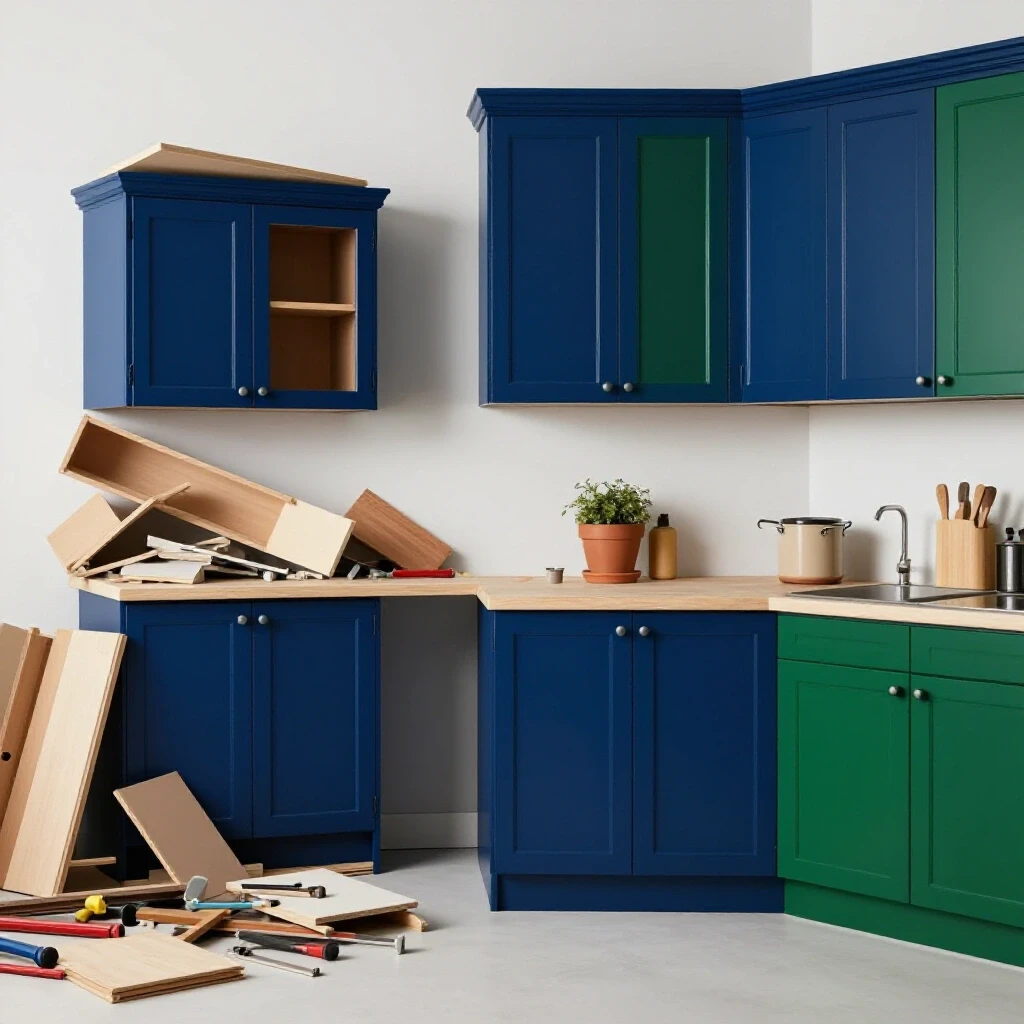
From a technical standpoint, high-end pre-fabricated cabinets often feature better finishes and more consistent hardware. Factory-applied finishes are more durable than paint applied on-site. However, custom cabinets offer better space utilization. The “best” choice depends on whether you value durability or a perfect fit more.
What is thermal shock and which materials resist it best?
Thermal shock occurs when a material expands or contracts too quickly due to temperature changes, leading to cracks. Quartz and certain ceramics are highly resistant, while natural stones like marble or custom concrete are more susceptible. This is vital when choosing materials for backsplashes behind high-heat cooktops.
Does “hand-crafted” always mean lower durability?
Not necessarily, but it means the durability is inconsistent. A master craftsman can build a piece that lasts centuries, but without factory-controlled testing, you have no data-backed guarantee of how it will perform against moisture, heat, or impact. Factory goods provide a “floor” of guaranteed performance.
(This article was written by one of our staff writers, Andrew Morrison. Visit our Meet the Team page to learn more about the author and their expertise.)