DIY Home Improvement Success Stories: Proven Project Results (Guide)

Every year, homeowners in the United States spend more than $100 billion on home improvements, yet a staggering number of these projects are abandoned or require professional intervention because the initial plan ignored basic safety or time requirements. Over the last 12 years, I have balanced a career in facilities management with the hands-on renovation of two personal properties. I have learned that the difference between a successful upgrade and a costly mistake usually comes down to preparation and a realistic understanding of your own limits.
Planning Your Safe Home Repairs: The Foundation of Every Project
Setting a solid foundation involves identifying the scope of your work, gathering necessary tools, and understanding the safety requirements of your specific project environment before any physical labor begins. This phase is where most weekend warriors fail because they underestimate the “hidden” hours of preparation.
When I first started, I jumped straight into a bathroom floor project without checking the subfloor for levelness. I spent three days trying to fix “lippage”—where the edges of tiles stick up higher than their neighbors—because I didn’t spend two hours prepping the substrate. Substrate preparation is the process of ensuring the surface you are working on is clean, flat, and structurally sound.
Before you pick up a hammer, you must consult the manufacturer’s technical guides. These documents tell you exactly which adhesives to use and how long they need to dry. For example, if you are working with Modified Thin-set, the curing time—the time it takes for a chemical reaction to harden the material—can vary significantly based on the temperature and humidity in your home.
Essential Equipment for Precision Weekend Renovations
A curated toolset ensures that each task is completed with accuracy and safety, reducing the risk of material waste or injury while maintaining a high standard of functional quality. Investing in the right tools often pays for itself in a single project by avoiding the cost of professional labor.
I recommend a “buy as you go” strategy, focusing on high-quality cordless systems that allow you to swap batteries between tools. Here is a list of the five most critical tools for the projects we will discuss:
- Non-contact Voltage Tester: This tool detects electrical current without touching bare wires. It is your first line of defense against accidental shocks.
- 4-Foot I-Beam Level: Essential for ensuring cabinets, shelves, and tiles are perfectly horizontal.
- Cordless Impact Driver: Unlike a standard drill, an impact driver uses rotational force and concussive blows to drive screws into tough materials without stripping the heads.
- Manual Tile Cutter: A “score and snap” tool that is much cleaner and quieter for indoor use than a wet saw for basic ceramic tiles.
- Digital Multimeter: This device measures voltage, current, and resistance. It helps you verify if a circuit is truly dead or if a new light fixture is receiving the correct power.
Project Metrics: DIY vs. Professional Comparison
| Project Type | Estimated DIY Time | Material Cost | Professional Labor Savings | Difficulty (1-10) |
|---|---|---|---|---|
| Tile Backsplash | 16 Hours | $250 – $400 | $800 – $1,200 | 6 |
| Light Fixture Swap | 2 Hours | $50 – $150 | $150 – $300 | 3 |
| Interior Room Painting | 10 Hours | $100 – $200 | $400 – $700 | 2 |
| Floating Floor Install | 20 Hours | $600 – $1,200 | $1,500 – $2,500 | 5 |
A Step-by-Step Home Upgrade: Installing a Subway Tile Backsplash
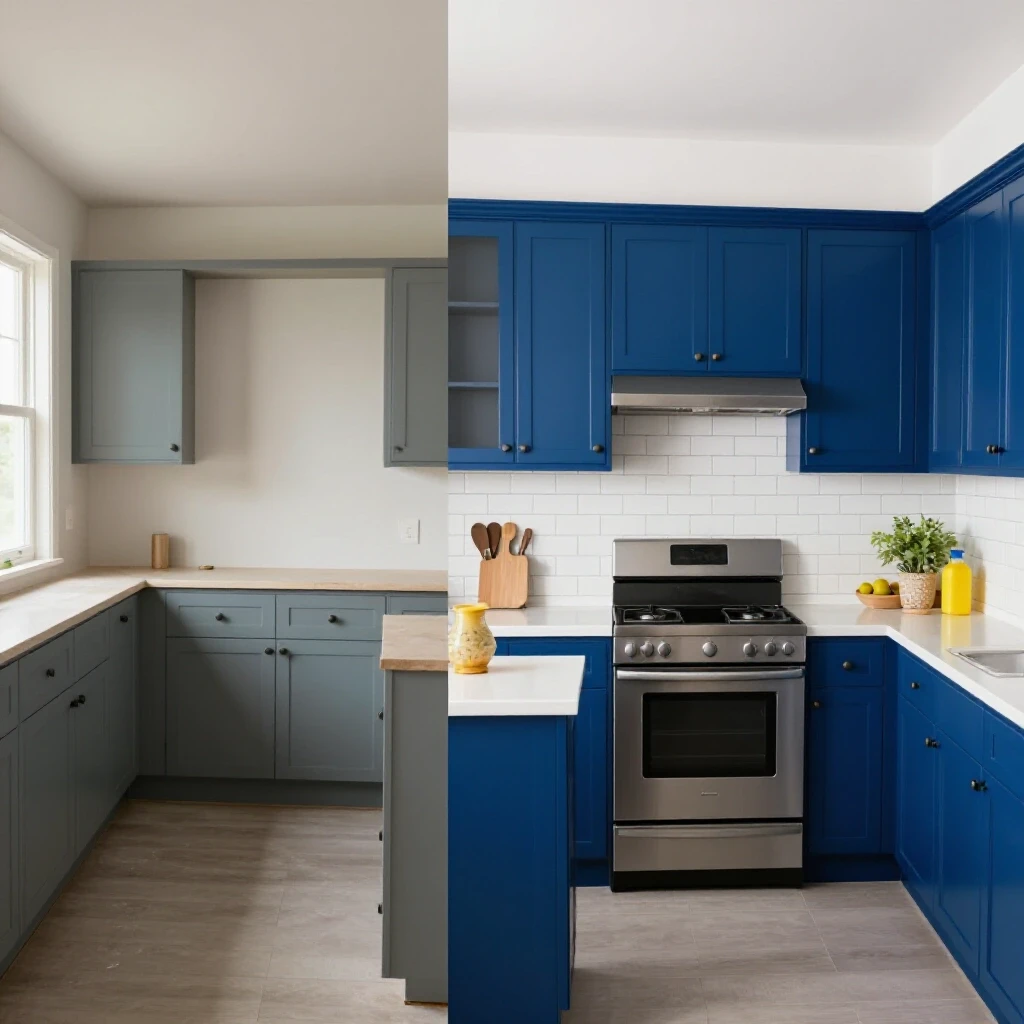
This project focuses on the installation of ceramic or glass tile over a kitchen counter to protect walls from moisture and heat while improving the room’s overall aesthetic and value. It is one of the most impactful weekend tasks you can perform.
The first step is a “dry-fit” test. This means laying out your tiles on the counter or floor to see how they will fit against the wall before you apply any adhesive. During my first backsplash project, I realized halfway through that I would end up with a tiny, one-inch sliver of tile in the corner. By dry-fitting, I was able to shift my starting point by two inches, creating a balanced look on both ends of the wall.
Execution Phases for Tiling
- Surface Prep: Clean the drywall with TSP (Trisodium Phosphate) to remove grease. If the wall is glossy, lightly sand it so the thin-set can grip the surface.
- Setting the Ledger: If you aren’t starting directly on the countertop, screw a straight piece of wood (a ledger board) to the wall to keep the first row of tiles from sliding down.
- Mixing Thin-set: Mix your mortar until it reaches the consistency of creamy peanut butter. Let it “slake” (sit undisturbed) for 10 minutes to allow the chemicals to fully hydrate.
- Applying Tile: Use a notched trowel at a 45-degree angle. Press the tiles firmly into the ridges.
- Grouting: Wait 24 hours for the tiles to set. Force the grout into the gaps with a rubber float, then wipe the excess with a damp—not dripping—sponge.
The Importance of Building Code Compliant DIY in Lighting Updates
Swapping out outdated light fixtures requires a thorough understanding of basic electrical safety, circuit identification, and the proper use of testing equipment to prevent shocks or fire hazards. Even a simple fixture swap must follow the National Electrical Code (NEC).
One common mistake I see is “over-lamping,” which means putting a bulb with a higher wattage than the fixture is rated for. This can melt the wire insulation and cause a fire inside your ceiling. Always check the sticker on the socket for the maximum wattage.
Safety Protocol for Electrical Work
- Identify the Circuit: Turn off the breaker. Do not rely on the wall switch alone, as someone could accidentally flip it back on while you are working.
- Verify with a Tester: Use your non-contact voltage tester on the wires inside the box. If it chirps, the power is still on.
- Check Wire Integrity: If the old wires look brittle or charred, stop. This indicates a deeper issue that might require a professional inspection.
- Secure Connections: Use the correct size wire nuts. Give each wire a “tug test” to ensure it won’t pull out of the connector.
- Grounding: Ensure the green or bare copper wire is securely attached to the grounding screw on the metal box or the fixture strap.
Mastering Weekend DIY Projects: Efficient Interior Painting and Trim
Improving a room’s visual appeal through painting and molding involves meticulous surface preparation, choosing the right finishes, and understanding the drying times required for a durable, professional-looking result.
Most people think painting is the easiest task, but it is actually the most labor-intensive if you want it to last. I once spent eight hours painting a guest room only to have the paint peel off the trim a month later. Why? I didn’t realize the previous owner used oil-based paint, and I applied water-based latex over it without using a bonding primer.
The Professional Preparation Checklist
- Patching: Fill nail holes with spackle and sand them flush.
- Caulking: Use a paintable siliconized acrylic caulk to fill gaps between the trim and the wall. This hides shadows and makes the job look seamless.
- Cutting In: Paint the edges and corners first with a 2.5-inch angled sash brush.
- Rolling: Use a 3/8-inch nap roller for smooth walls. Work in “W” patterns to distribute the paint evenly.
- Cure Times: While paint may feel “dry to the touch” in an hour, it usually takes 14 to 30 days to fully cure. Avoid scrubbing the walls or leaning furniture against them during this window.
Troubleshooting Common Execution Challenges
Even with the best plans, issues will arise. The key is knowing how to pivot without Panic. In my facilities management role, we use a “root cause” approach. If a screw won’t go in, don’t just push harder; check if you hit a metal nail plate (which protects pipes) or if you need a pilot hole.
If you are installing a floating floor and the planks won’t click together, check the “tongue and groove” for debris. Even a tiny grain of sawdust can prevent a tight seal. I always keep a vacuum and a soft brush nearby to clean every joint before assembly.
When to Pause and Call a Professional
Knowing your limits is a sign of an advanced DIYer, not a failure. You should stop and call for help if: – You find mold or significant water damage behind a wall. – You encounter “knob and tube” or aluminum wiring in an older home. – You need to move load-bearing studs or major plumbing stacks. – The project requires a permit that you are not legally allowed to pull as a homeowner in your jurisdiction.
Material Calculation and Budgeting Accuracy
Estimating materials is where budgets often spiral out of control. For tiling or flooring, always calculate the total square footage (Length x Width) and add a 10% waste factor. This covers broken tiles, miscuts, and future repairs.
For paint, one gallon typically covers 350 to 400 square feet. However, if you are painting a light color over a dark one, you must factor in the cost and time of two coats of primer plus two coats of finish paint.
Tool Investment ROI (Return on Investment)
Buying a $150 wet saw might seem expensive, but if it allows you to complete a $2,000 bathroom floor project yourself, the tool has paid for itself ten times over. I keep a log of every tool I buy and the labor costs I saved by using it. This helps justify the “hobby” to my family and keeps my garage organized with tools that actually get used.
Final Clean-Up and Tool Maintenance
The project isn’t finished until the tools are cleaned and stored. Dried thin-set or paint can ruin expensive brushes and trowels. I wash my brushes until the water runs clear and use a wire brush to scrub mortar off my trowels immediately after use.
Store your cordless batteries in a climate-controlled space. Extreme heat in a garage or cold in a basement can significantly shorten their lifespan. Proper maintenance ensures that when the next weekend rolls around, you are ready to start the next phase of your home’s transformation.
Conclusion: Taking the First Step Toward Your Next Upgrade
Successful home improvement is a marathon, not a sprint. Start with a small, manageable task like replacing a dated faucet or painting a small powder room. These quick wins build the confidence and the tool kit needed for larger projects.
By prioritizing safety, following building codes, and being honest about your time, you can transform your living space while saving thousands of dollars. The satisfaction of sitting in a room you renovated with your own hands is worth every hour of labor.
Frequently Asked Questions
How do I know if a wall is load-bearing before I start a project?
Generally, walls that run perpendicular to your ceiling joists are load-bearing. However, you should never remove a wall based on a guess. Check your attic or basement to see where the weight of the house is being transferred. If you see a beam or another wall directly below or above it, it is likely structural.
Why does my DIY paint job look “streaky” even after two coats?
Streaking, or “flashing,” often happens because the paint is drying too fast or you are not maintaining a “wet edge.” Work in smaller sections and avoid going back over paint that has already started to set. Using a high-quality roller cover also makes a significant difference in the finish.
What is the most common mistake in weekend DIY projects?
Underestimating the time required for “finishing work.” Many people can get 90% of a project done quickly, but the last 10%—the caulking, the touch-up paint, and the transitions—takes just as long as the first 90%. Always add a “buffer day” to your schedule for these details.
Do I really need to use a primer before painting?
Yes, in most cases. Primer provides a uniform surface for the paint to stick to and prevents “bleed-through” from stains or previous colors. Even “Paint + Primer” products are often not enough for fresh drywall or high-gloss surfaces.
Is it safe to change a light fixture if I live in an old house?
Old houses often have brittle wire insulation. When you move the wires to install a new fixture, the insulation can crack and fall off, exposing bare wire. If you see crumbling insulation, you should wrap the wires in electrical tape or heat-shrink tubing, but if the damage is extensive, consult an electrician.
How do I calculate how much tile I need for a small area?
Measure the height and width of the area in inches, multiply them, and divide by 144 to get the square footage. Add 10% to that number. For example, a 2-foot by 10-foot backsplash is 20 square feet. You should buy 22 square feet of tile.
What should I do if I strip a screw while removing an old fixture?
Use a pair of locking pliers (Vise-Grips) to grab the head of the screw and turn it manually. If the head is flush with the surface, you can use a screw extractor bit, which drills into the screw and grips it from the inside to back it out.
Can I use standard caulk in a shower or kitchen?
No. You must use 100% silicone caulk for areas exposed to water. Silicone is waterproof and flexible, whereas standard acrylic caulk will shrink, crack, and eventually grow mold when exposed to constant moisture.
How long should I wait before walking on a newly tiled floor?
You should wait at least 24 hours before walking on the tile to allow the thin-set to harden. If you walk on it too soon, you can shift the tiles or break the bond, leading to loose tiles and cracked grout later on.
Is a cordless drill powerful enough for most home upgrades?
For most tasks like hanging shelves or assembling furniture, a 12V or 18V cordless drill is plenty. However, for driving long screws into studs or drilling into masonry, a cordless impact driver or a hammer drill is much more efficient and prevents motor burnout.
(This article was written by one of our staff writers, Robert Callahan. Visit our Meet the Team page to learn more about the author and their expertise.)