How to Build a DIY Home Office Storage Wall (Step-by-Step Guide)

Building a vertical organization system for your workspace is more than just an aesthetic choice; it is a commitment to sustainable living. By selecting high-quality, durable materials like FSC-certified plywood or recycled metal pegboards, you reduce the cycle of “fast furniture” that often ends up in landfills. Investing in a long-lasting setup means you are using fewer resources over time while creating a functional environment that adapts to your changing professional needs.
In my twelve years as a facilities manager, I have learned that the most successful projects are the ones where you respect the limits of your tools and your home’s structure. I remember my first attempt at mounting a heavy shelf unit in my previous home. I rushed the process, ignored the stud finder’s warning, and ended up with a gaping hole in the drywall and a shattered lamp. That mistake cost me four hours of patching and painting that I hadn’t planned for. Now, I prioritize code-compliant methods and manufacturer specifications to ensure that every screw and bracket is placed with purpose.
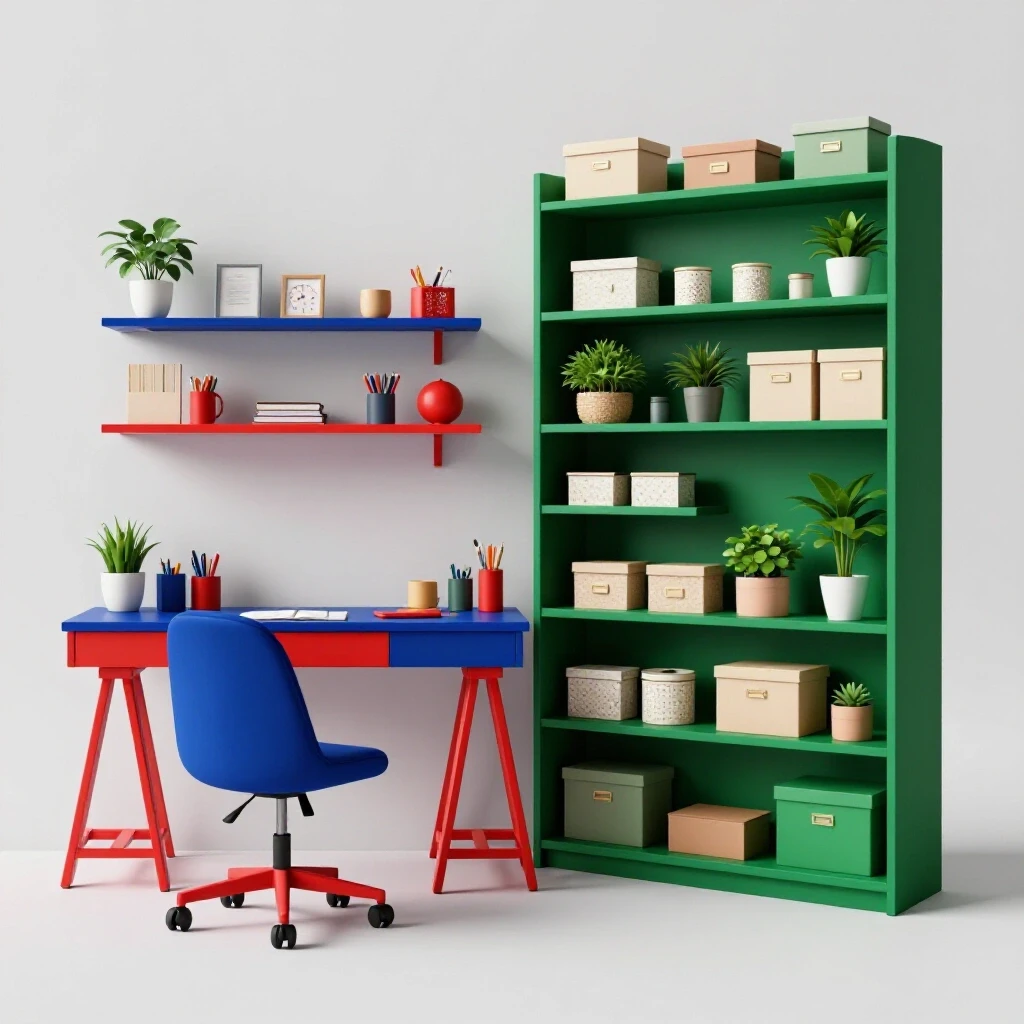
Initial Planning and Workspace Evaluation
This phase involves assessing the structural integrity of your walls and determining the specific layout that will maximize your vertical space. You must identify the location of wall studs, electrical outlets, and any potential plumbing lines to create a safe and functional design that adheres to residential safety standards.
Before you buy a single board, you need to know what is behind your drywall. In most modern homes, studs are spaced 16 inches apart on center, but older homes can vary. Using a high-quality stud finder is non-negotiable. I use a sensor that detects both wood and live AC wires. According to the National Electrical Code (NEC) 300.4, cables through bored holes in studs must be protected by steel plates if they are less than 1.25 inches from the edge. If you feel resistance while drilling, stop immediately. You might be hitting a protector plate, which means a wire is directly behind that spot.
I once consulted on a project where a DIYer ignored this resistance and drilled right into a 14/2 Romex cable. Not only did it trip the breaker, but it required cutting out a large section of the wall to repair the wire. To avoid this, I always map out my wall using painter’s tape. I mark every stud and every outlet. This visual guide helps me see the “forbidden zones” where mounting hardware should never go.
Essential Tool Inventory for Wall-Mounted Projects
A successful installation requires a specific set of hand and power tools designed for precision and weight-bearing security. Having the right equipment on hand prevents mid-project delays and ensures that all components are level, plumb, and safely fastened to the building’s frame.
- Cordless Drill and Impact Driver: A standard drill is for making pilot holes, while the impact driver provides the torque needed to drive long lag screws into studs without stripping the heads.
- Digital Stud Finder: Look for a model with “deep scan” and “wire warning” modes to ensure you are finding the center of the stud and avoiding electrical lines.
- 24-inch or 48-inch Bubble Level: A longer level is more accurate for spanning multiple brackets to ensure your shelving is perfectly horizontal.
- Tape Measure: Use a locking steel tape measure for precise layout marks.
- Speed Square: This helps you mark straight lines across your mounting boards and check the 90-degree alignment of brackets.
- Drill Bit Set: You will need high-speed steel bits for pilot holes and a masonry bit if you are mounting into brick or concrete.
- Impact-Rated Driver Bits: These are designed to withstand the high torque of an impact driver.
- Pencil and Painter’s Tape: For marking stud locations and layout lines without damaging the paint.
- Safety Glasses and Dust Mask: Drilling into drywall and wood creates fine particulates that can irritate your eyes and lungs.
DIY vs. Professional Installation Analysis
This comparison helps you understand the trade-offs between doing the work yourself and hiring a contractor. It breaks down the financial savings, the time commitment required for a high-quality finish, and the level of skill needed to ensure the structure remains safe and stable.
| Factor | DIY Approach | Professional Contractor |
|---|---|---|
| Direct Labor Cost | $0 (Your time) | $300 – $800 |
| Material Cost | $150 – $400 | $200 – $500 (Markup may apply) |
| Time Investment | 8 – 12 Hours (One weekend) | 4 – 6 Hours |
| Risk Level | Moderate (Requires careful measuring) | Low (Insured and experienced) |
| Tool Requirement | $100 – $300 investment | None (Pro brings their own) |
| Customization | High (Change as you go) | Moderate (Fixed to contract) |
Understanding Load Tolerances and Fastener Selection
Selecting the correct hardware is the difference between a shelf that stays up for years and one that collapses under the weight of your equipment. This section defines how different fasteners interact with wall materials and provides specific weight ratings for common mounting scenarios.
When mounting a vertical system, you must distinguish between “shear load” and “tension load.” Shear load is the downward pressure, while tension load is the force pulling the fastener out of the wall. For heavy storage, I always recommend mounting directly into the studs with 2.5-inch or 3-inch #10 wood screws. If a stud isn’t available exactly where you need it, you must use heavy-duty toggle bolts.
- Standard Plastic Anchors: These are for light items only (under 10 lbs). They rely on friction and can easily pull out of drywall.
- Self-Drilling Zinc Anchors: These are rated for 25-50 lbs but can fail if the wall is subject to vibration or if the drywall is old and crumbly.
- Toggle Bolts: These use a metal wing that expands behind the drywall. A 1/4-inch toggle bolt can often hold up to 90 lbs in 1/2-inch drywall.
- Lag Screws: These are heavy-duty bolts used for the main supports of a shelving system. They must penetrate at least 1.5 inches into the solid wood of the stud.
Step-by-Step Installation Phases
Following a logical order of operations ensures that each component supports the next and that the final assembly is structurally sound. This guide takes you from the initial layout and pilot holes to the final mounting of pegboards and shelving units.
Phase 1: Layout and Dry-Fit Testing
Dry-fitting is the process of holding your components against the wall to verify spacing before any holes are drilled. This prevents the “Swiss cheese” effect where you have to keep moving brackets because they don’t line up with your equipment. Use your painter’s tape to mark the exact footprint of the pegboards and shelves.
Phase 2: Drilling Pilot Holes
Never drive a screw into a stud without a pilot hole. A pilot hole should be slightly smaller than the shank of the screw. This prevents the wood stud from splitting, which significantly reduces its holding power. For a #10 screw, a 1/8-inch drill bit is usually sufficient. Ensure you are drilling straight and level.
Phase 3: Mounting the Primary Supports
Start with the highest component. Secure one side of the bracket or pegboard with a single screw, then use your level to find the horizontal plane. Once level, mark the other holes, swing the component out of the way, and drill your remaining pilot holes. Drive the screws in until they are snug, but do not over-tighten, as this can crush the drywall or strip the wood fibers in the stud.
Phase 4: Installing Modular Components
Once the main frames or pegboards are secure, you can begin adding hooks, bins, and floating shelves. For floating shelves, ensure the internal bracket is perfectly level. Even a 1/16-inch tilt at the wall will result in a noticeable slant at the edge of a 10-inch deep shelf.
Troubleshooting Common Installation Hurdles
Even with careful planning, DIY projects often encounter unexpected obstacles like uneven walls or hidden obstructions. This section provides practical solutions for correcting alignment issues and managing the minor setbacks that occur during a typical home improvement task.
One of the most common issues I see is “bowed walls.” Most residential walls are not perfectly flat. When you try to mount a long, straight board against a bowed wall, you will see gaps. In these cases, do not force the board to flush against the wall, as this puts constant tension on the screws. Instead, use thin wooden shims behind the mounting points to keep the board straight while filling the gap.
If you accidentally strip a screw hole in a wood stud, don’t panic. Remove the screw, jam a few toothpicks coated in wood glue into the hole, and let it dry for 30 minutes. Cut the toothpicks flush with the wall and re-drill your pilot hole. This provides new wood fiber for the screw threads to grip.
Material Cure and Drying Timelines
Properly completing a project involves respecting the chemical processes of the materials you use, such as paint, adhesive, and wood filler. This timeline ensures that you don’t compromise the finish or the bond by rushing into the next stage of the project.
| Material Type | Touch Dry Time | Full Cure/Wait Time | Notes |
|---|---|---|---|
| Latex Paint | 1 – 2 Hours | 14 – 30 Days | Avoid heavy weight on shelves for 48 hours. |
| Wood Glue | 30 Minutes | 24 Hours | Must be clamped or screwed during first 30 mins. |
| Drywall Spackle | 30 – 60 Minutes | 24 Hours | Sand only when completely white and hard. |
| Construction Adhesive | 2 Hours | 24 – 48 Hours | Varies by humidity and temperature. |
Safety Protocols and Code Compliance
Adhering to safety standards protects both the installer and the long-term integrity of the home. This section outlines the necessary precautions for working with power tools and ensuring that wall-mounted systems do not interfere with existing home infrastructure.
Safety is about more than just wearing goggles. It is about environmental awareness. When drilling into walls, you are potentially disturbing dust that could contain lead (in homes built before 1978) or asbestos. Always use a vacuum attachment on your drill to catch dust at the source.
Furthermore, ensure your storage system does not block access to electrical panels or HVAC returns. Building codes require a 36-inch clear space in front of electrical panels. If your vertical storage is near a heater or a vent, ensure that combustible materials like wood or paper are at least 6 to 12 inches away, depending on your local fire code.
Conclusion and Next Steps
Once the installation is complete, take the time to test the weight capacity of each shelf gradually. Start with lighter items and observe the brackets for any signs of deflection or pulling away from the wall. Clean your tools and store them properly to ensure they are ready for your next weekend project.
Your next steps should include: – Vacuuming all drywall dust from the floor and wall tracks. – Verifying that all hooks and bins are seated correctly in the pegboard. – Organizing your supplies by frequency of use, placing heavy items on lower shelves. – Checking the fasteners again in two weeks to ensure nothing has loosened due to settling.
Frequently Asked Questions
How do I know if my wall can support a full-sized vertical storage system? Most standard 2×4 stud walls can support significant weight if the load is distributed across multiple studs. A single 2×4 stud can hold hundreds of pounds vertically. The weakness is usually in the fasteners or the drywall. If you have metal studs (common in some condos), you must use specialized toggle bolts or “snap toggles,” as standard wood screws will not hold.
Can I install a pegboard over an existing outlet? You should never cover an electrical outlet with a permanent fixture. If you need to access the outlet, you must cut a hole in the pegboard to allow the faceplate to remain visible and accessible. If you want to move the outlet, that requires a permit and a licensed electrician in most jurisdictions.
What is the best height for mounting a workspace organizer? The “golden zone” is between 30 inches and 70 inches from the floor. This keeps the most frequently used items within reach while seated or standing. Anything higher than 72 inches usually requires a step stool and should be reserved for long-term storage items.
Why are my shelves sagging in the middle even though they are screwed into studs? This is likely due to “spanning.” If the distance between your brackets is too great for the shelf material, it will bow. For 3/4-inch plywood or MDF, brackets should be no more than 24 to 32 inches apart. For thinner materials, keep brackets every 16 inches.
Do I really need to use a level if the ceiling looks straight? Yes. Ceilings and floors are rarely perfectly level, especially in older homes. If you align your shelving to a crooked ceiling, the shelves will be slanted, and round objects like pens or tools will roll off. Always trust the bubble level over your eyes.
What should I do if I find a pipe behind the wall? If you encounter a copper or PVC pipe, you must move your mounting point. Never attempt to drill near a pipe. If you must mount in that area, use a shallow-depth anchor that does not penetrate more than 1/2 inch into the drywall, but realize this will have a much lower weight capacity.
How do I prevent the pegboard from wobbling when I pull a tool off? Pegboards need a “stand-off” or a furring strip behind them to create a gap for the hooks to go through. If the board is screwed directly to the wall, the hooks won’t fit. Use 1×2 wood strips screwed into the studs first, then mount the pegboard to the strips. This creates a solid, wobble-free frame.
Is it safe to use an impact driver on drywall anchors? No. Impact drivers provide too much sudden force and will likely spin the anchor, stripping the hole in the drywall. Use a manual screwdriver or a drill on a very low clutch setting for anchors. Save the impact driver for the long screws going into the wooden studs.
How much weight can a standard 1/4-inch pegboard hook hold? Most individual hooks are rated for 5 to 10 lbs. However, the limit is often the pegboard itself. If you hang a 20-lb sledgehammer on a single hook in a thin MDF pegboard, the board might tear. Distribute heavy loads across multiple hooks or use a metal pegboard for industrial tools.
What is the best way to patch holes if I decide to move the system later? Use a high-quality lightweight spackle. For holes from toggle bolts, you may need to push a small piece of mesh tape into the hole first to give the spackle something to grip. Sand it flush once dry, apply a coat of primer, and then paint to match the wall.
(This article was written by one of our staff writers, Robert Callahan. Visit our Meet the Team page to learn more about the author and their expertise.)