How to Build DIY Kitchen Counter Shelves for Small Spaces (Guide)

In my twelve years of managing commercial facilities and tackling home upgrades, I have learned that the most rewarding projects are often those that solve a daily frustration. In a kitchen under 100 square feet, every square inch of horizontal space is a premium asset. When I moved into my current home, the “countertop clutter” was more than an eyesore; it was a functional bottleneck that made meal prep feel like a puzzle. The solution wasn’t a massive renovation, but a targeted, vertical storage strategy designed to reclaim the workspace. This guide focuses on creating custom-sized risers and tiered units that fit under your existing cabinets, ensuring your tools and ingredients are accessible without sacrificing your chopping block.

Establishing the Scope for Your Vertical Countertop Storage Project
Planning involves measuring your available “envelope”—the space between your countertop and the bottom of your upper cabinets—to ensure your new storage doesn’t interfere with daily tasks. Most standard residential kitchens feature an 18-inch clearance, but variations in light valances or older construction can change this reality quickly.
Before I ever pick up a drill, I spend thirty minutes with a tape measure and a notepad. In my experience, the biggest mistake weekend warriors make is ignoring the “functional height” of the items they intend to store. If you build a beautiful wood riser for your spices, but it sits too high for you to see the labels, the project fails its primary purpose. I recommend a “dry-run” using cardboard scraps to visualize how a tiered unit will impact your line of sight and arm reach.
Project Feasibility and Resource Analysis
Understanding the investment of time and money helps you manage expectations alongside a busy professional schedule. This project is designed to be completed in a single weekend, with active work time totaling about four to six hours, depending on your finishing choices.
| Metric | DIY Countertop Riser | Professional Custom Carpentry |
|---|---|---|
| Material Cost | $40 – $85 | $150 – $300 |
| Active Labor Time | 4 – 6 Hours | 2 – 3 Hours |
| Skill Level | Beginner to Intermediate | Professional |
| Tools Required | Basic Hand/Power Tools | Specialized Shop Tools |
| Total Lead Time | 2 Days (with drying) | 2 – 4 Weeks |
Essential Tools and Materials for a Weekend Countertop Upgrade
Selecting the right equipment ensures your build is precise and safe, preventing the need for costly rework or professional intervention. Using the correct drill bits and fasteners prevents wood splitting, which is a common failure point for those rushing through the assembly phase.
I always tell my team at work that a tool is only as good as its maintenance. For this project, a reliable cordless drill is your primary asset. You don’t need a heavy-duty impact driver; a standard 12V or 18V drill with adjustable torque settings is actually better for preventing over-tightening in softwoods like pine or poplar.
The Core Tool Matrix
- Cordless Drill/Driver: Used for boring pilot holes and driving fasteners.
- Speed Square: A triangular marking tool essential for ensuring your shelf legs are perfectly perpendicular to the top.
- Tape Measure: Precision is key; I prefer a 16-foot tape with clear 1/16-inch markings.
- Drill Bit Set: Specifically, twist bits for pilot holes and a countersink bit to hide screw heads.
- Level: A 12-inch “torpedo” level ensures your storage surface isn’t slanted, which could cause items to slide.
- Sandpaper: A variety pack ranging from 80-grit (coarse) to 220-grit (fine) for a smooth finish.
Material Selection and Procurement
For kitchen environments, material choice is dictated by moisture resistance and load-bearing needs. I typically recommend S4S (Surfaced on Four Sides) lumber from a local home center. This wood is already planed and squared, which saves you from needing a jointer or planer.
- Poplar or Pine: Budget-friendly and easy to work with, though pine can be “sappy.”
- Hardwood (Oak or Maple): More expensive but highly durable and better for heavy items like stand mixers.
- Wood Glue: Look for “Type II” or “Type III” water-resistant glue (PVA), which is vital in a humid kitchen.
- Fasteners: 1-1/4 inch wood screws are standard for 3/4-inch thick lumber.
Safety Protocols and Building Code Compliance
Safety in the kitchen extends beyond sharp knives; it involves respecting electrical clearances and fire safety standards near heat-generating appliances. Building codes, such as the National Electrical Code (NEC), have specific requirements for outlet accessibility that your new shelving must respect.
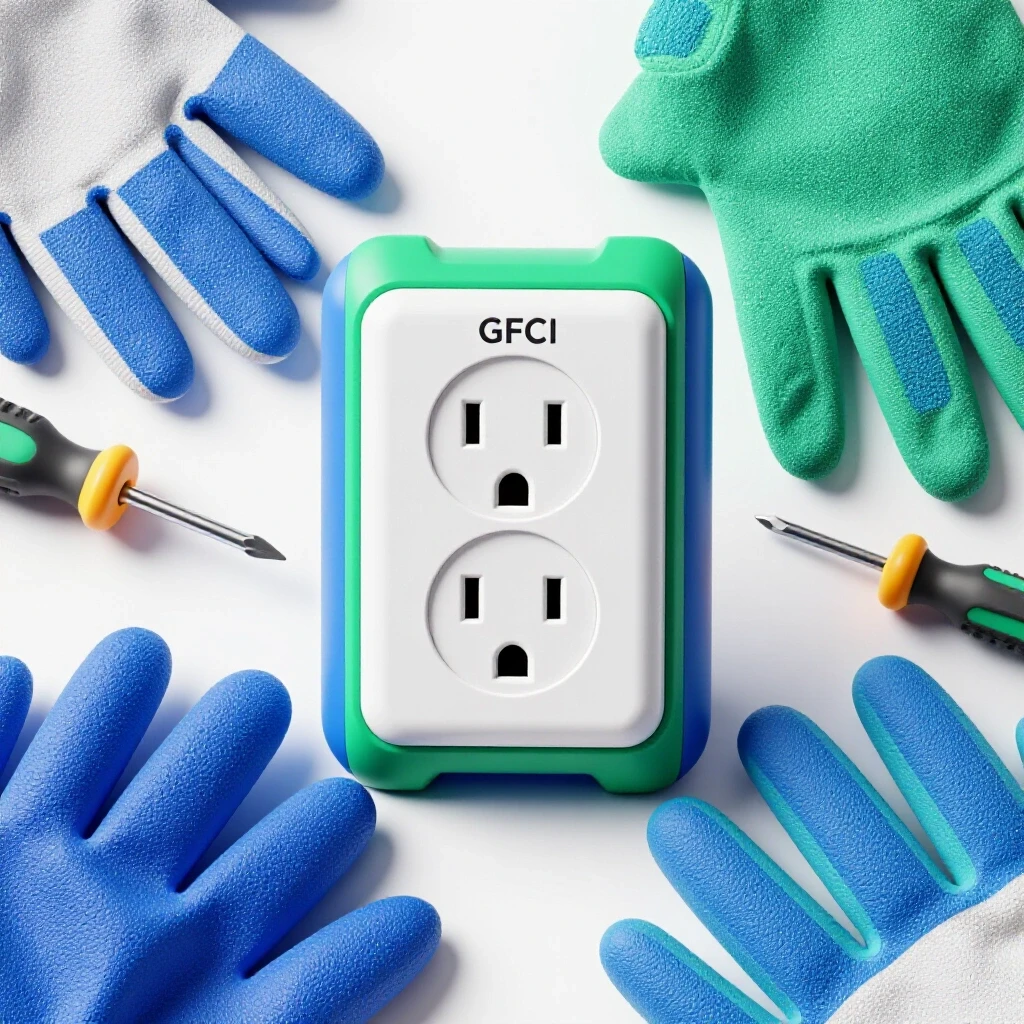
One of the most frequent mistakes I see in DIY home improvement is blocking a GFCI (Ground Fault Circuit Interrupter) outlet. Per NEC 210.52, kitchen counter outlets must remain accessible. If your tiered storage blocks an outlet, you are creating a code violation and a potential fire hazard. Always ensure there is at least a 3-inch gap between your shelf supports and any electrical faceplate.
Critical Safety Checkpoints
- Heat Clearance: If your shelf sits near a toaster oven or stove, maintain a minimum 6-inch clearance to prevent the wood from scorching or igniting.
- Moisture Barriers: Kitchens are high-moisture areas. Unsealed wood can warp or grow mold. Always apply a food-safe sealant or polyurethane.
- Weight Distribution: Do not exceed a load of 15 pounds per linear foot for basic 3/4-inch wood shelving without center supports.
- Ergonomics: Ensure the shelf height does not force you to reach at an awkward angle, which can lead to repetitive strain.
Step-by-Step Execution: Building Your Custom Countertop Riser
The assembly process requires a methodical approach, starting with precise cuts and ending with a finish that can withstand the rigors of a working kitchen. Following a structured sequence prevents “measurement creep,” where small errors at the beginning compound into a wobbly final product.
In my early DIY days, I once built a set of risers only to find they rocked back and forth because my kitchen counter wasn’t perfectly level. I learned that “scribing” or using adjustable feet can save a project. For this guide, we will focus on a standard four-legged riser design that provides maximum stability for small appliances.
Phase 1: Measuring and Cutting
Start by measuring the depth of your counter. Most counters are 24 to 25 inches deep. I find that a shelf depth of 6 to 8 inches is the “sweet spot”—it holds most canisters and spice jars without encroaching on your primary prep area.
- Mark your lengths: Use your speed square to draw a straight line across your lumber.
- Cut the top: If you don’t own a miter saw, a simple hand saw with a miter box will provide clean, 90-degree cuts.
- Cut the legs: Ensure all legs are identical in length. Even a 1/16-inch difference will cause the shelf to wobble.
Phase 2: The Importance of Dry-Fitting
Dry-fitting is the process of assembling the project without glue or permanent fasteners to check for fit and alignment. This is the stage where you catch mistakes before they become permanent.
Place your cut pieces together on the counter where they will live. Use a level to check the top surface. If the bubble isn’t centered, you may need to sand down one of the legs. Interestingly, most home counters have a slight pitch toward the front to prevent spills from running behind the cabinets. Your dry-fit will reveal if you need to compensate for this slope.
Phase 3: Drilling and Assembly
Once the dry-fit is successful, it is time to join the components. I always use a combination of wood glue and screws for maximum joint integrity.
- Drill Pilot Holes: Use a bit slightly smaller than the shank of your screw. This prevents the wood from splitting, especially near the ends of the boards.
- Countersink: Use a countersink bit to create a small “divot” so the screw head sits flush or slightly below the wood surface.
- Apply Glue: A thin, even bead of PVA glue on the mating surfaces creates a bond stronger than the wood itself once cured.
- Drive Screws: Slowly drive your screws. If you feel the wood starting to resist significantly, back out and clear the sawdust from the hole.
Finishing and Curing for Longevity
The finish you choose determines how well your new storage handles spills, steam, and cleaning chemicals. A “naked” wood shelf will absorb oils and water, leading to permanent staining within weeks of use.
I prefer water-based polyurethane for kitchen projects because it dries quickly and doesn’t yellow over time like oil-based versions. However, you must respect the curing times specified by the manufacturer. “Dry to the touch” is not the same as “ready for use.”
Finish Application Timeline
- Sanding: Start with 120-grit and move to 220-grit. Wipe away all dust with a tack cloth or a damp microfiber rag.
- First Coat: Apply a thin layer of finish. Let it dry for 2 to 4 hours.
- Light Sanding: Use 320-grit sandpaper to knock down the “raised grain” caused by the moisture in the finish.
- Second Coat: Apply the final layer.
- Cure Time: Wait at least 24 hours before placing any items on the shelf. For heavy items, wait 72 hours to ensure the finish has hardened completely.
Troubleshooting Common DIY Hurdles
Even with careful planning, unexpected issues can arise. Understanding how to pivot when a board warps or a screw snaps is what separates a frustrating weekend from a successful home upgrade.
If you find that your shelf is wobbly after assembly, don’t panic. You don’t necessarily have to take it apart. Small adhesive felt pads or adjustable screw-in “glides” can be added to the bottom of the legs to compensate for uneven counters. This is a trick we use in facility management to stabilize furniture on uneven commercial flooring.
Failure Analysis: Why Shelves Fail
- Overloading: Using 1/2-inch plywood instead of 3/4-inch solid wood often leads to “sagging” in the middle.
- Poor Glue Coverage: If you rely only on screws, the joints may loosen over time due to the vibrations of nearby appliances.
- Inadequate Pilot Holes: Splitting the wood during the final assembly is the most common reason DIYers give up on a project.
- Ignoring Moisture: Placing a coffee maker directly under an unsealed wood shelf will cause the wood to delaminate or warp within months.
Maintenance and Long-Term Care
Your custom-built storage requires minimal maintenance if finished correctly. However, a kitchen is a harsh environment. Regular inspections ensure your upgrade remains safe and functional for years to age.
I recommend checking the tightness of any fasteners every six months, especially if the shelf holds vibrating appliances like a blender. Wipe down the surfaces with a mild soap and water solution; avoid harsh degreasers that can eat through the polyurethane finish. If the finish starts to look dull or scratched, a light sanding and a fresh topcoat will restore its protective properties.
Quality Control Checklist
- Stability Check: Does the unit rock when pressed at the corners?
- Fastener Check: Are any screw heads starting to “pop” or pull through?
- Finish Integrity: Are there white rings or soft spots indicating water penetration?
- Clearance Check: Is the shelf still at least 3 inches away from electrical outlets?
Moving Forward with Your Kitchen Organization
Completing this project provides more than just a place to put your toaster; it builds the confidence needed for larger-scale weekend DIY projects. You have successfully navigated tool selection, material science, and safety codes to improve your home’s functionality.
Now that your counters are clear, you might consider adding under-shelf LED lighting or small hooks for measuring cups. These “micro-upgrades” build upon the foundation you just created. The key to a successful DIY journey is to take these measured, incremental steps, ensuring each addition is code-compliant and structurally sound.
Frequently Asked Questions
Q: Can I use pocket holes for this countertop storage project? A: Yes, pocket hole joinery is an excellent choice for this application. It hides the fasteners on the underside of the shelf, providing a cleaner look. Just ensure you use the correct screw length (typically 1-1/4 inch for 3/4-inch thick material) to avoid poking through the top surface.
Q: What is the best wood for a shelf that will sit near a sink? A: Hardwoods like Maple or White Oak are naturally more resistant to moisture than softwoods like Pine. Regardless of the species, the most important factor is the finish. Use a high-quality, water-based polyurethane and ensure you seal the end-grain of the wood thoroughly, as this is where moisture is most easily absorbed.
Q: How do I know if my shelf is “code-compliant” regarding my stove? A: Most local building codes follow NFPA (National Fire Protection Association) guidelines, which suggest keeping combustible materials (like wood) at least 6 to 12 inches away from open flames or high-heat surfaces. If your shelf is directly above or beside a range, check your stove manufacturer’s manual for specific “clearance to combustibles.”
Q: My kitchen counter is granite; how do I prevent the shelf from sliding? A: Do not screw the shelf into the granite. Instead, use small clear silicone bumper pads on the bottom of the shelf legs. These provide grip to prevent sliding and create a tiny air gap that prevents moisture from being trapped between the wood and the stone.
Q: Can I use reclaimed pallet wood for these risers? A: While aesthetically pleasing, pallet wood is often treated with chemicals (marked “MB” for Methyl Bromide) that are not safe for food-prep environments. If you use reclaimed wood, ensure it is heat-treated (“HT”) and sand it thoroughly in a well-ventilated area with a respirator.
Q: What should I do if my drill bit breaks off inside the wood? A: This usually happens if you’re not clearing the sawdust or if the bit gets too hot. Use a pair of needle-nose pliers to grip the broken end and back it out. If it’s flush with the wood, you may need to move your screw location by half an inch and fill the old hole with wood filler.
Q: Is it safe to put a heavy microwave on a DIY wood riser? A: Only if the riser is built with 3/4-inch solid wood and has a center support leg if the span is over 18 inches. Microwaves are heavy and top-heavy; ensure the riser’s footprint is wide enough to prevent tipping when the microwave door is opened.
Q: How do I calculate the amount of wood I need to buy? A: Sketch your design and list each part (e.g., 1 Top: 24″ x 8″, 2 Legs: 6″ x 8″). Add these lengths together and add 10% for “waste” or mistakes. Most S4S lumber is sold in 4-foot, 6-foot, or 8-foot lengths. A single 6-foot board of 1×8 (which is actually 7.25 inches wide) is usually enough for one large riser.
(This article was written by one of our staff writers, Robert Callahan. Visit our Meet the Team page to learn more about the author and their expertise.)