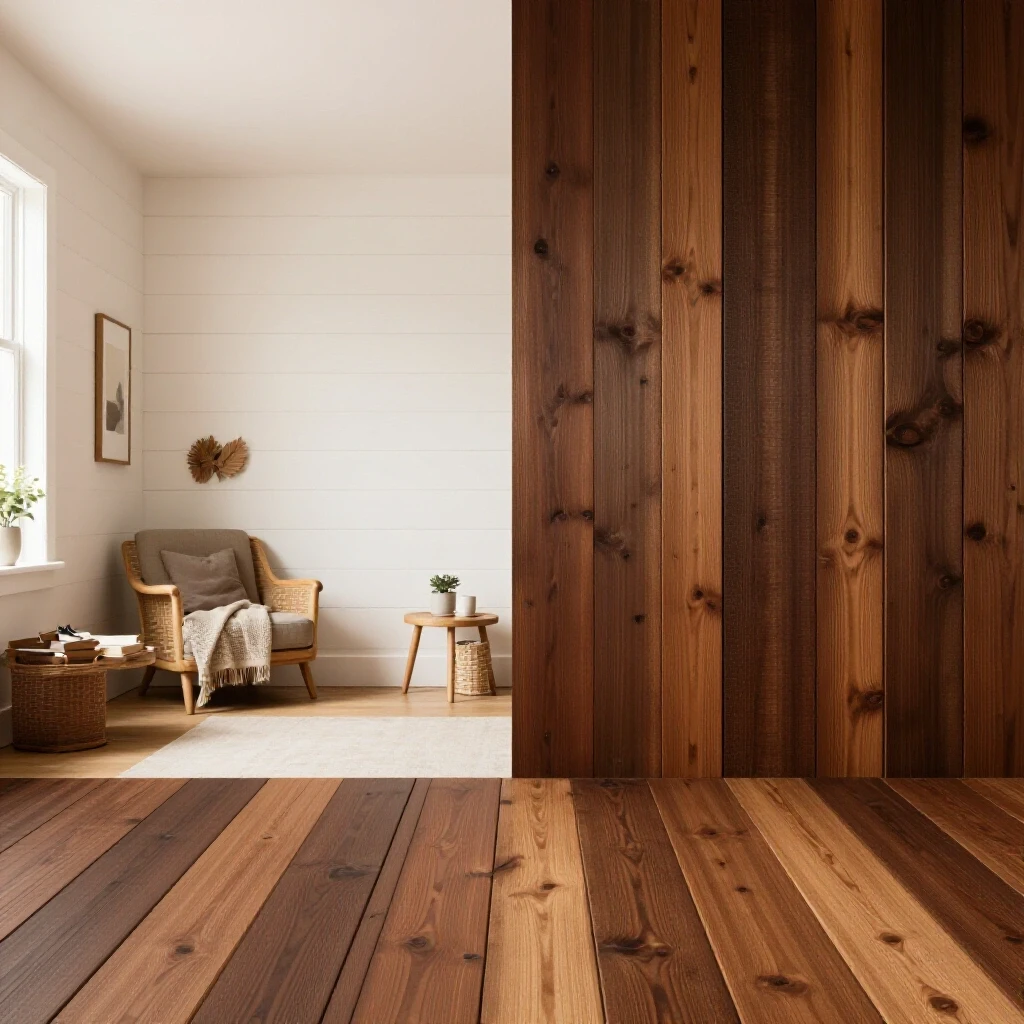
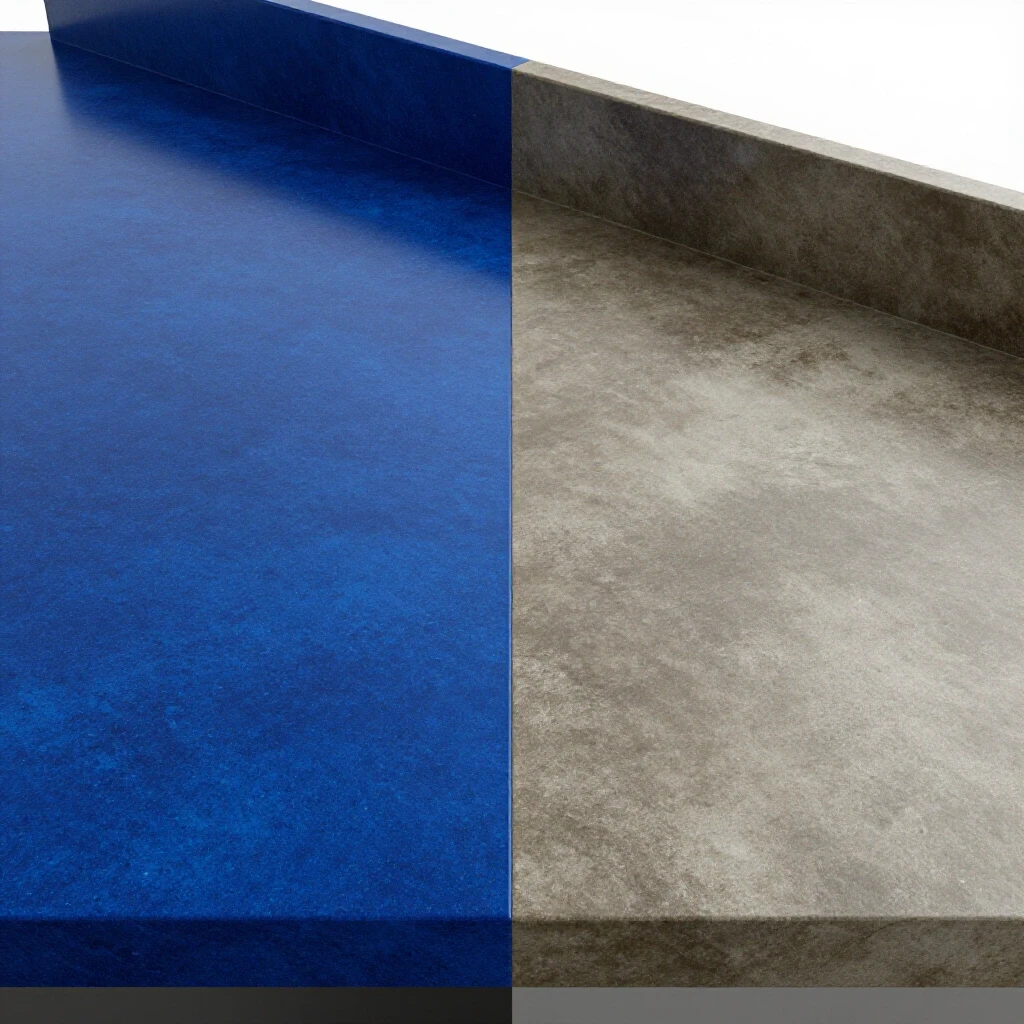
DIY vs Contractor Kitchen Remodel: Which Is Better? (Full Guide)

“I just want to know if spending an extra $10,000 on professional installation actually buys me a kitchen that lasts twice as long, or if I’m just paying for someone else’s peace of mind.”
This question, posed to me by a neighbor last year, captures the central tension of every major home renovation. As a supply chain analyst who has spent 13 years evaluating how materials move from factories to floors, I look at kitchens differently than most. To me, a kitchen isn’t just a room; it is a high-traffic laboratory where heat, moisture, and mechanical stress test every component daily. When you decide whether to manage a project yourself or hire a professional firm, you are essentially deciding who will be responsible for the technical tolerances of your home’s most expensive assets.
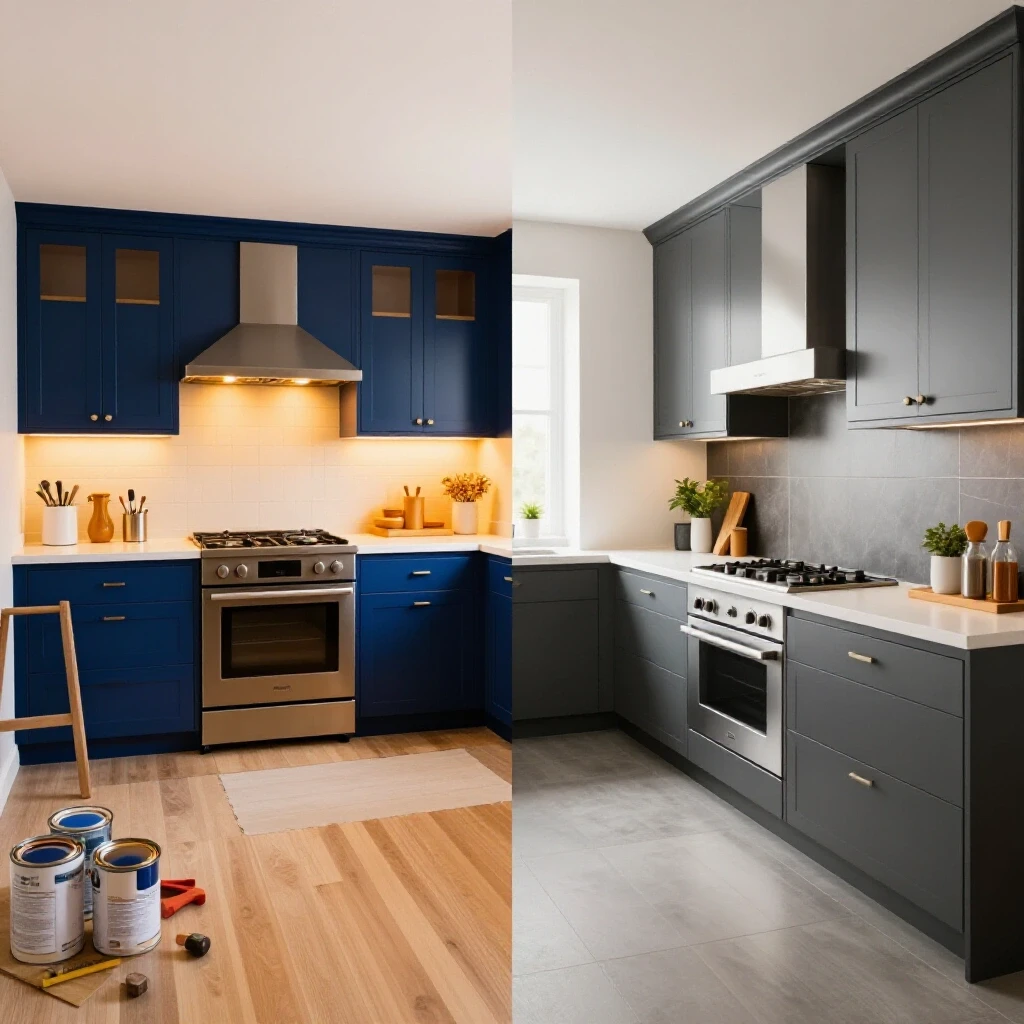
Over the last decade, I have managed the procurement and installation of materials for several properties. I have seen where a $5,000 savings on labor resulted in a $12,000 repair five years later, and where a high-end appliance failed not because of its build quality, but because of improper installation. In this guide, I will break down the technical specifications of materials and the logistical realities of installation so you can determine which path fits your technical skill level and your long-term budget.
Why Technical Material Specifications Dictate Your Installation Strategy
Technical material specifications are the measurable physical properties of a product, such as its density, hardness, and resistance to environmental stress. These numbers tell you how a material will behave over time, regardless of who installs it, but they also dictate how much room for error you have during the renovation process.
When you compare high-end home materials, you are looking at data points like the Mohs scale for hardness or ASTM ratings for water absorption. If you choose a material with low tolerances—meaning it is brittle or sensitive to moisture—the precision of the installation becomes more critical. In my experience, the more “technical” a material is, the more likely you are to need professional intervention to ensure the manufacturer’s warranty remains valid.
Understanding Porosity and Absorption in Countertop Selection
Porosity refers to the percentage of a material’s volume that consists of open pores, which determines how much liquid it will absorb. In a kitchen, low porosity is the primary defense against bacterial growth and permanent staining from oils or acids.
For example, the ASTM C97 standard measures the water absorption of natural stone. A high-quality granite might have an absorption rate of less than 0.2%, whereas some marbles can exceed 0.5%. When I evaluated materials for my own kitchen, I chose a dense quartz composite because its engineered porosity is nearly zero. This means I didn’t have to worry about the specific sealing schedule that a professional contractor would normally manage for a more porous natural stone.
The Role of Mohs Hardness in Surface Durability
The Mohs scale measures the scratch resistance of a material by seeing which minerals can visibly scratch it. It ranges from 1 (talc) to 10 (diamond). For a kitchen that sees heavy use, aiming for a surface with a Mohs rating of 6 or higher is a standard technical benchmark.
- Granite: Typically 6 to 7 on the Mohs scale.
- Quartz: Usually 7, thanks to the high concentration of silica.
- Marble: Often 3 to 5, making it susceptible to scratches from kitchen knives or even heavy ceramic plates.
Building on this, if you are managing the project yourself, a harder material like quartz is more “forgiving” of minor slips during installation but requires specialized diamond-tipped tools to cut. Interestingly, I found that the cost of renting these tools often eats into the savings of doing the work independently.
Evaluating the Real Trade-Offs: Performance vs. Installation Labor
A trade-off analysis is the process of weighing the upfront cost of a material or service against its long-term performance and maintenance requirements. In a kitchen, the biggest trade-off is often between the “sweat equity” of a self-managed project and the technical precision of a contracted one.
I have tracked the performance of various flooring types across three different properties over 15 years. What I discovered is that the “cheaper” independent route often overlooks the cost of specialized subfloor preparation. Professional contractors spend a significant portion of their labor hours on leveling and moisture barriers—steps that many homeowners skip, leading to material failure.
Side-by-Side Material Performance Specifications
| Material Type | Technical Rating (ASTM/Janka) | Installation Complexity | 15-Year Maintenance Cost |
|---|---|---|---|
| Engineered Hardwood | 1,200 – 1,400 (Janka) | Moderate | High (Refinishing) |
| Luxury Vinyl Plank | 20 mil Wear Layer | Low | Low (Replacement) |
| Porcelain Tile | < 0.5% Absorption | High | Medium (Grout Care) |
| Quartz Countertops | 7 (Mohs Hardness) | Very High | Very Low |
| Grade 3 Granite | 6-7 (Mohs Hardness) | Very High | Moderate (Sealing) |
As shown in the table, materials like porcelain tile have excellent technical specs but require high installation complexity. If the mortar bed isn’t perfectly level, the tile will “lippage,” creating a trip hazard and a point of failure where the tile can crack.
Why Higher Upfront Costs Don’t Always Guarantee Durability
In the world of high-end home materials, price is often driven by aesthetics or rarity rather than technical performance. A rare “exotic” granite might cost $150 per square foot, but it may actually be more brittle and porous than a standard “builder-grade” granite at $50 per square foot.
During my procurement logs from a 2018 project, I noted that a premium Italian marble countertop failed the “lemon test” (acid sensitivity) within 48 hours, while a mid-range quartzite remained pristine. As a result, I always advise homeowners to look at the technical spec sheet—specifically the acid resistance and flexural strength—rather than the price tag.
The Supply Chain Perspective on Appliance Buying
An appliance buying guide should focus on more than just features; it must address the serviceability and parts availability of the unit. From a supply chain perspective, a $4,000 refrigerator is only a good value if the manufacturer maintains a robust domestic parts network.
When you hire a contractor, they often have preferred vendors. This can be a double-edged sword. While they might get a professional discount, they are sometimes incentivized to push brands that are easier for them to install rather than what is best for your 10-year maintenance outlook.
Sourcing and Logistics: Managing Your Own Inventory
If you choose to source appliances yourself, you become the logistics manager. This involves:
- Verifying Dimensions: Standard openings are 36 inches, but “pro-style” ranges often require specific gas line offsets.
- Checking Electrical Loads: A high-induction cooktop may require a 50-amp circuit, which an independent homeowner might overlook until the unit arrives.
- Inspecting for Shipping Damage: Industry data shows that up to 10% of large appliances sustain some form of “concealed damage” during transit.
I once managed a project where the homeowner purchased a high-end range independently. Because they didn’t inspect the manifold upon delivery, they didn’t realize it was cracked until the contractor tried to hook it up three weeks later. The delay cost them an extra $800 in contractor “wait time” fees.
Installation Complexity and Structural Requirements
Every material has a set of structural requirements that must be met for it to perform as advertised. This is where the gap between independent work and professional contracting is most visible. For instance, the National Association of Home Builders (NAHB) points out that floor deflection—the “bounce” in your floor—must be minimal for heavy stone counters or large-format tiles.
Wear Layers and Life-Cycle Costing
In flooring, the “wear layer” is the topmost layer of a laminate or vinyl floor that resists scratches and scuffs. It is measured in mils (one-thousandth of an inch). For a kitchen, I recommend a minimum of 20 mils.
Life-cycle costing calculates the total cost of ownership over the product’s life. * Independent LVP Installation: $4/sq ft material + $0 labor + $0 maintenance = $4/sq ft over 10 years. * Professional Hardwood Installation: $8/sq ft material + $6/sq ft labor + $3/sq ft refinishing = $17/sq ft over 10 years.
While the hardwood has a higher life-cycle cost, it also adds more to the home’s resale value. This is a trade-off that depends entirely on your long-term residency plans.
Practical Steps for Evaluating Your Kitchen Strategy
To make an objective decision, you need to move away from emotions and toward data. I use a “Stress Test” matrix to evaluate whether I should handle a task or outsource it.
Technical Spec Tracker for Homeowners
Before buying any material, create a spreadsheet with the following columns: 1. ASTM Standard: What is the water absorption or slip resistance? 2. Warranty Requirements: Does the manufacturer require “certified installation” for the warranty to be valid? 3. Tooling Cost: What specialized tools are needed for this specific material? 4. Lead Time: How long will it take for replacements to arrive if a piece is broken during installation?
Sample Evaluation Kit
If you are comparing high-end materials, don’t rely on showroom samples. Create your own testing kit: 1. The Scratch Tester: Use a hardened steel pick to test the surface’s Mohs hardness. 2. The Acid Test: Place a slice of lemon on a stone sample for 24 hours to check for etching. 3. The Impact Test: Drop a heavy stainless steel pot from 12 inches onto a tile sample to check for chipping. 4. The Stain Test: Leave red wine, mustard, and balsamic vinegar on the surface overnight.
Managing the Long-Term Maintenance Profile
Maintenance is the “hidden” cost of a kitchen. A material that is cheap to install but requires annual sealing or specialized cleaners will eventually become more expensive than a premium, low-maintenance option.
In my 13 years of data collection, I’ve found that homeowners often underestimate the “labor cost” of their own time. If a natural stone countertop requires 4 hours of cleaning and sealing per year, over 15 years, that is 60 hours of labor. If you value your time at $50/hour, that is $3,000 in “hidden” maintenance costs.
Maintenance Cycles for Common Kitchen Materials
- Quartz: Daily wipe-down; no sealing required.
- Granite: Daily wipe-down; reseal every 12-24 months depending on porosity.
- Butcher Block: Monthly oiling; occasional sanding to remove bacteria-harboring deep scratches.
- Stainless Steel: Daily wipe-down; specialized grain-matching cleaners to prevent “tea staining” (surface oxidation).
Final Supply-Chain and Cost Recommendations
When deciding between independent management and professional contracting, the “sweet spot” is often a hybrid approach. I typically recommend sourcing high-end appliances yourself to avoid contractor markups, but hiring professionals for “wet trades” (plumbing) and “heavy trades” (countertop fabrication).
The technical material specifications should always be your guide. If you are choosing a material with a high “failure cost”—like a $3,000 slab of porcelain that can crack if handled incorrectly—professional installation is essentially an insurance policy. If you are choosing a modular material like LVP or pre-finished cabinets, the risk of independent installation is significantly lower.
Actionable Buying Worksheet: The Decision Matrix
- Skill Assessment: Have you ever worked with the specific tolerances required (e.g., 1/16th inch for tile spacers)?
- Tool Inventory: Do you own the tools, or will rental costs exceed 10% of the labor savings?
- Warranty Check: Read the fine print. Many high-end ranges (like Wolf or BlueStar) offer extended warranties if installed by a certified technician.
- Resale Horizon: If you are moving in <5 years, focus on “market-standard” professional finishes. If staying >10 years, focus on technical durability and your own maintenance preferences.
Conclusion: Making the Confident Choice
Choosing how to execute a kitchen renovation is a balance of technical understanding and logistical reality. By focusing on the material science—the Mohs hardness, the porosity, and the wear layers—you remove the guesswork from the process. Whether you do it yourself or hire a pro, the goal is the same: a kitchen that performs under pressure for decades.
Your next step should be to request the technical data sheets for every material you are considering. Don’t look at the photos; look at the ASTM ratings. Once you know how a material is built to fail, you will know exactly how it needs to be installed to succeed.
FAQ: Navigating the Technical Demands of Kitchen Renovations
Does a higher price for quartz always mean better durability?
Not necessarily. The price of quartz is often driven by the complexity of the “veining” or patterns. Technically, most quartz is 90-93% crushed stone and 7-10% resin. A $50/sq ft slab and a $120/sq ft slab often have the same Mohs hardness and porosity. You are paying for the aesthetic engineering, not the physical performance.
How do I know if my floor is strong enough for heavy stone counters?
Standard residential floors are designed for a “live load” of 40 lbs per square foot. A 3cm granite countertop weighs about 18 lbs per square foot. When you add the weight of the cabinets and the appliances, you are nearing the limit. A professional contractor will check the joist span and spacing to ensure the floor won’t sag over time.
Is the “wear layer” on flooring really that important?
Yes. In a kitchen, the wear layer is your only protection against dropped forks, sliding chairs, and pet claws. For independent installations, many people buy 6 mil or 12 mil LVP because it’s cheaper. However, in a high-traffic kitchen, a 12 mil layer can wear through in 3-5 years, whereas a 20 mil layer can last 20 years.
What is the most common mistake in independent appliance sourcing?
Failing to account for “clearance” vs. “cutout” dimensions. A refrigerator might be 35.75 inches wide (cutout), but the doors might need an extra 2 inches of space to swing open 90 degrees (clearance). I have seen many homeowners install beautiful cabinets only to find they can’t open their freezer all the way.
Why do contractors charge a markup on materials I can buy myself?
Contractors often include a 10-20% markup to cover the “procurement risk.” If a tile arrives broken or a faucet is missing a valve, the contractor spends their time (and money) fixing the issue. If you source the materials yourself, you are responsible for the labor costs of any delays caused by missing or damaged items.
Does professional installation increase the resale value of a home?
In many markets, yes. Appraisers and savvy buyers look for “fit and finish.” Grout lines that aren’t straight or cabinets that are slightly out of level are immediate red flags that the renovation might have other hidden technical issues, such as unpermitted electrical or plumbing work.
What is the ASTM C97 standard, and why should I care?
ASTM C97 is the standard test method for absorption and bulk specific gravity of dimension stone. It tells you exactly how much water a stone will soak up. For a kitchen, you want the lowest number possible. If a stone has a high absorption rate, it will harbor bacteria and stain easily, regardless of how much sealer you apply.
Can I install my own gas range?
While many homeowners do, it is technically demanding. You must use the correct thread sealant (yellow PTFE tape for gas), check for leaks using a manometer or soap solution, and ensure the BTU output matches your home’s gas line diameter. Many local codes require a licensed plumber for this specific task to ensure safety and insurance compliance.
What is “lippage” in tile installation?
Lippage occurs when the edges of adjacent tiles are not at the same level. This is common with large-format tiles (anything over 12×12 inches). Professionals use leveling systems (clips and wedges) to prevent this. If you are doing it yourself, lippage is the #1 technical error that makes a project look “amateur” and causes premature wear on the tile edges.
How often do I truly need to reseal granite?
It depends on the “water drop test.” Place a tablespoon of water on your counter. If it beads up after 15 minutes, your seal is good. If the stone darkens or absorbs the water, it’s time to reseal. Some dense granites never need sealing, while light-colored, porous ones might need it every 6 months.
(This article was written by one of our staff writers, Andrew Morrison. Visit our Meet the Team page to learn more about the author and their expertise.)