Best Toy Storage Bins: Compare Materials, Durability & Cost (Guide)

Walking into a home where every floor surface is covered in plastic bricks and scattered game pieces creates a specific kind of mental fatigue. For many of us, the visual noise of a cluttered living space isn’t just an eyesore; it is a direct drain on our daily productivity and stress levels. We often try to solve this by purchasing the first set of containers we see, only to find they crack, stain, or simply fail to fit our home’s aesthetic within six months.
Over the last 13 years, I have managed the procurement of materials for three different property renovations. My background in supply chain analysis has taught me that the “cheapest” solution often carries the highest long-term cost in both replacement frequency and maintenance hours. Whether you are choosing quartz countertops or modular systems for organizing playrooms, the logic remains the same: you must evaluate the technical specifications of the material to ensure it survives the reality of daily use.
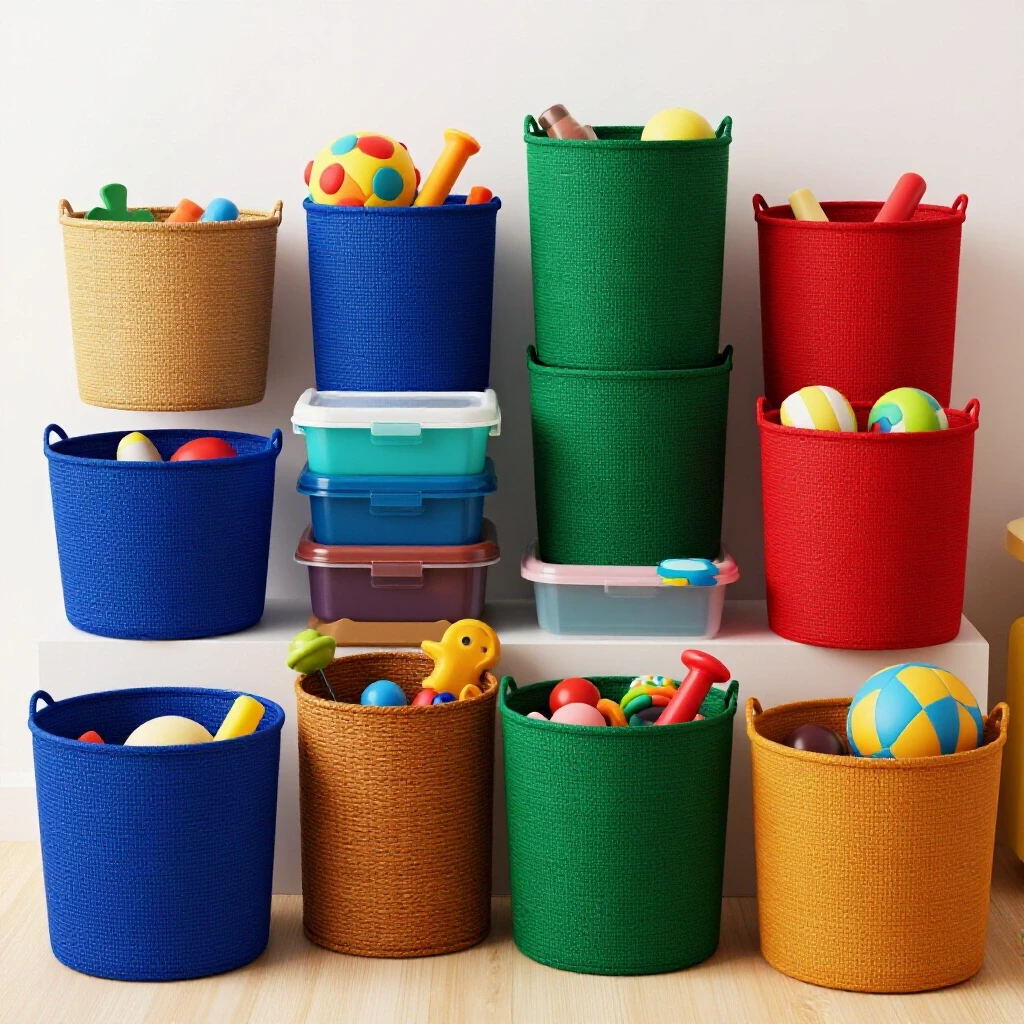
In this guide, I will apply a rigorous trade-off analysis to the world of modular home organization. We will look past the marketing photos and dive into the material science of polymers, hardwoods, and textiles. By the end of this article, you will have the metrics needed to choose a system that simplifies your daily routine without sacrificing the design integrity of your home.
Understanding Technical Standards for Modular Organization Systems
Technical standards are the measurable benchmarks that determine how a material performs under stress, heat, or repeated use. In the context of home organization, these standards help us predict if a container will bow under weight or shatter when dropped on a hardwood floor. Understanding these metrics allows homeowners to move beyond “it looks sturdy” to “it meets ASTM performance ratings.”
When I evaluate a material for my own home, I start with tensile strength and impact resistance. Tensile strength measures the maximum stress a material can withstand while being stretched or pulled before failing. For modular containers, this is critical because we often overstuff them or pull them by their handles. Impact resistance, often measured by the ASTM D256 Izod test, tells us how well a material absorbs energy during a sudden blow. If a container falls from a shelf, the Izod rating determines if it survives or becomes a jagged safety hazard.
Another key metric is the Rockwell Hardness scale, which measures the indentation resistance of a material. In a high-traffic family room, containers are constantly dragged across floors or bumped into furniture. A material with a low hardness rating will scratch easily, creating microscopic grooves that trap dirt and bacteria. By choosing materials with higher surface hardness, you significantly reduce the time spent on deep-cleaning and surface restoration.
Why Higher Upfront Costs Don’t Always Guarantee Durability
Price is often used as a proxy for quality, but in the supply chain world, price can also reflect branding or complex logistics rather than material performance. A high-end home material comparison must look at the “cost per use-cycle” rather than just the sticker price. A $50 wooden crate may seem superior to a $15 polymer bin, but if the wood is a soft species like pine, it may not survive three years of heavy impact.
I once outfitted a mudroom with expensive, hand-woven seagrass baskets because they matched the coastal aesthetic of the property. Within two years, the fibers began to fray and shed, creating a constant cleaning requirement. When I analyzed the failure, I realized the material’s tensile strength was insufficient for the weight of the items being stored. I replaced them with high-density polyethylene (HDPE) containers that mimicked the texture of natural fibers but offered superior durability.
The trade-off analysis here is simple: are you paying for the material’s performance or its appearance? In many cases, mid-tier materials with high technical specs outperform luxury materials that are prone to environmental sensitivity. For example, a high-quality composite can often handle moisture and temperature fluctuations better than solid wood, making it a more logical choice for basements or play areas.
Comparing Polymer Performance: PP vs. HDPE vs. Polycarbonate
Polymers are the backbone of modern organization, but not all plastics are created equal in a home material comparison. Choosing the wrong type of plastic can lead to “stress whitening,” where the material turns cloudy and brittle at points of high tension. Understanding the difference between Polypropylene (PP), High-Density Polyethylene (HDPE), and Polycarbonate is essential for long-term satisfaction.
- Polypropylene (PP): This is the most common material for household containers. It has a high melting point and excellent chemical resistance. However, it can become brittle at low temperatures. If you are storing items in an unheated garage or attic, PP may crack during the winter months.
- High-Density Polyethylene (HDPE): Known for its high strength-to-density ratio, HDPE is much more impact-resistant than PP. It is often used for heavy-duty storage because it does not splinter or crack easily. It is also highly resistant to mold and mildew, making it an excellent choice for humid environments.
- Polycarbonate: This is a high-end material often used when transparency is required. It is virtually unbreakable and has a much higher impact resistance than the other two. The trade-off is the cost; polycarbonate can be three to five times more expensive than PP.
| Material Property | Polypropylene (PP) | High-Density Polyethylene (HDPE) | Polycarbonate |
|---|---|---|---|
| Impact Resistance | Moderate | High | Very High |
| Transparency | Translucent/Opaque | Opaque | Crystal Clear |
| Surface Hardness | Low | Moderate | High |
| Chemical Resistance | Excellent | Good | Moderate |
| Average Lifespan | 5-7 Years | 10-15 Years | 15+ Years |
Natural Materials and the Janka Hardness Scale
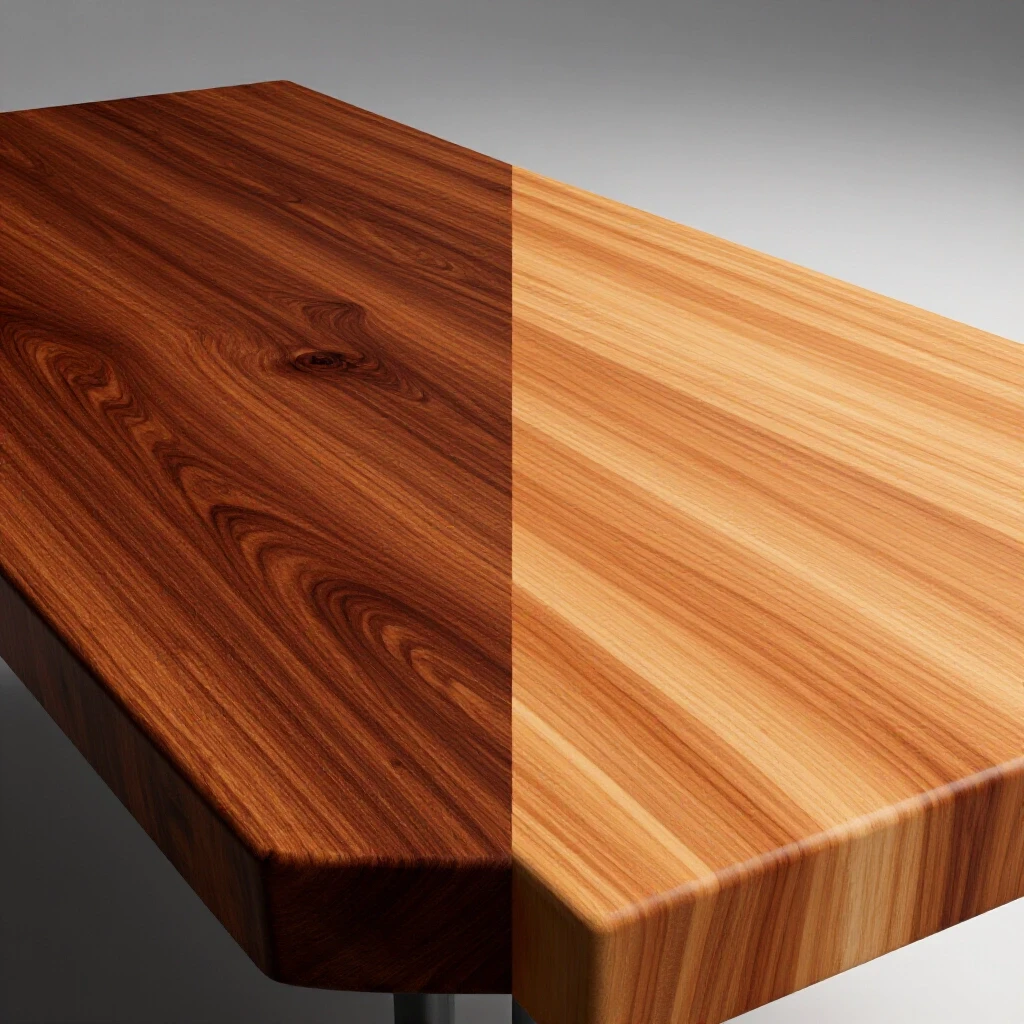
For homeowners who prefer natural materials like wood, the Janka Hardness Scale is the industry standard for evaluating durability. This test measures the force required to embed a small steel ball halfway into a sample of wood. When selecting wooden units for organizing a home, the species of wood determines how well the system will resist dents and dings over a decade of use.
In my second property, I installed a custom shelving unit using White Pine. While it looked beautiful initially, Pine has a Janka rating of only 380 lbf (pounds-force). Within a year, the edges were severely dented from containers being slid in and out. If I had used White Oak (1,360 lbf) or even Maple (1,450 lbf), the unit would have maintained its structural integrity and appearance much longer.
When choosing wooden organization components, consider the maintenance cycle. Softwoods require frequent sanding and refinishing to stay looking new. Hardwoods, while more expensive upfront, require significantly less intervention. This is a classic example of how a higher upfront price translates into lower maintenance costs over the life of the product.
Surface Porosity and the Science of Maintenance
Maintenance is often the most overlooked factor in an appliance buying guide or material evaluation. Porosity refers to the percentage of void space in a material, which determines how easily it absorbs liquids, stains, and odors. In a home with active children or pets, non-porous materials are the gold standard for reducing cleaning labor.
Materials like untreated wood or natural canvas are highly porous. If a juice box leaks or a marker goes astray, the stain becomes permanent because it is absorbed into the fibers. In contrast, materials like powder-coated steel or high-grade polymers have near-zero porosity. A simple wipe with a damp cloth is usually enough to restore the surface.
Interestingly, the texture of a surface also affects maintenance. A highly textured “matte” plastic might look modern, but those microscopic ridges can trap dust and grime. A smooth, semi-gloss finish is often the better technical choice for items that require frequent handling. When I evaluate materials for clients, I always perform a “stain test” on a sample piece to see how much effort is required to remove common household spills.
The Financial Reality: Upfront Cost vs. 15-Year Outlay
To make a confident purchasing decision, you must look at the total cost of ownership (TCO). This calculation includes the initial purchase price, the cost of cleaning supplies, the value of your time spent on maintenance, and the replacement cost once the item fails. A technical material specification analysis proves that the “budget” option is often the most expensive over a 15-year period.
Let’s look at a scenario comparing three types of modular systems for a high-use area:
- Low-End Fabric Bins: $100 upfront. These typically last 2 years before the internal cardboard collapses or the fabric tears. Over 15 years, you will buy 7.5 sets. Total: $750.
- Mid-Range Polypropylene Bins: $300 upfront. These last about 7 years. You will buy 2 sets. Total: $600.
- High-End HDPE or Wood Systems: $800 upfront. With proper care, these can last 20+ years. Total: $800.
While the high-end system has the highest initial cost, it offers the best value when you factor in the “hassle factor” of constantly replacing broken items. Furthermore, the high-end materials often retain a resale value, whereas low-end fabric bins are destined for a landfill.
Evaluating Samples: A Professional Sourcing Guide
Before committing to a full organization system, you should request or purchase samples. A supply chain professional never buys in bulk without a “first article inspection.” You can perform your own technical testing at home to ensure the material fits your lifestyle and durability requirements.
Here is a 5-step evaluation kit you can use:
- The Flex Test: Apply pressure to the sides of a container. Does it bow significantly? If so, it will likely lose its shape when filled with heavy items.
- The Scratch Test: Use a coin to firmly scratch an inconspicuous area. If the material flakes or leaves a deep white groove, the surface hardness is too low for high-traffic use.
- The Odor Absorption Test: Place a strong-smelling item (like an onion) inside a closed container for 24 hours. Wash it and see if the scent lingers. This is crucial for materials used in kitchens or playrooms.
- The Stackability Check: Stack three units high and check for stability. If the bottom unit shows any signs of compression, the wall thickness is insufficient.
- The Hinge and Handle Stress Test: If the system has moving parts, open and close them 50 times rapidly. Look for heat buildup or plastic fatigue (whitening) at the joints.
Modern Innovations: Recycled Composites and Smart Design
The industry is currently shifting toward high-tech composites that blend the aesthetics of natural materials with the performance of polymers. Wood-plastic composites (WPC) are becoming popular for home organization because they offer the weight and feel of wood but are moisture-resistant and don’t require refinishing. These materials often use recycled content, making them a more sustainable choice without sacrificing the technical specs.
Another trend is the integration of modularity with smart home logistics. Some high-end systems now include QR code labels or RFID tags that allow you to inventory the contents of a container via an app. While this may seem like overkill for some, for homeowners managing large properties or rotating seasonal items, it significantly reduces the “search time” and improves the flow of the home.
When sourcing these modern materials, look for manufacturers that provide detailed spec sheets. A company that is transparent about its material sourcing and ASTM testing is generally more reliable than one that relies solely on lifestyle photography. In my experience, the best products are those where the engineering is as beautiful as the exterior.
Practical Steps for a Confident Purchase
Choosing the right materials for your home’s organization is a balance of technical performance and lifestyle fit. You don’t always need the most expensive option, but you do need the option that matches the “load” of your household. By focusing on material science, you remove the guesswork and the emotional overwhelm of the decision-making process.
To move forward, I recommend the following:
- Identify the highest-traffic areas of your home where clutter accumulates.
- Determine if moisture resistance or impact resistance is your primary technical requirement.
- Calculate your 10-year budget, including potential replacement costs for cheaper materials.
- Order samples of two different material types to perform the home tests mentioned above.
By taking a systematic approach, you turn a chore into a strategic home improvement project. The result is a living space that functions as well as it looks, supported by materials that were engineered to last.
Frequently Asked Questions
What is the best material for containers that will be used daily by children?
High-Density Polyethylene (HDPE) or high-grade Polypropylene (PP) are generally the best choices. They offer high impact resistance (ASTM D256) and are non-porous, making them easy to sanitize. Avoid brittle plastics like polystyrene, which can shatter into sharp pieces if dropped.
How can I tell if a wooden storage unit is actually durable?
Check the Janka Hardness rating of the wood species used. For high-use areas, look for hardwoods like Maple, Oak, or Birch, which have ratings over 1,200 lbf. Avoid units made from “engineered wood” or “MDF” if they will be exposed to any moisture, as these materials tend to swell and lose structural integrity.
Are fabric bins ever a good long-term investment?
Fabric bins are rarely a 15-year solution. However, if you choose high-denier synthetic fabrics (like 600D or 900D polyester) with reinforced bases, they can serve well for lightweight items like linens. For heavy items or daily handling, the tensile strength of fabric is usually insufficient compared to polymers or wood.
Does “BPA-free” matter for non-food storage?
While BPA-free is a standard for food-contact items, it is less of a technical performance metric for general organization. However, many high-quality polymers (like PP and HDPE) are naturally BPA-free. Focusing on the technical specs like impact resistance and UV stability is more relevant for the longevity of the container.
Why do my plastic bins turn white at the corners?
This is known as “stress whitening.” It occurs when the polymer is bent or stressed beyond its elastic limit, causing microscopic voids to form in the material. This is a sign of low-quality Polypropylene or insufficient wall thickness. If you see this, the material is nearing failure and should be replaced with a higher-gauge or more flexible polymer.
Is there a difference between “water-resistant” and “waterproof” containers?
Yes. Water-resistant usually refers to the material’s ability to shed water (like a treated fabric), while waterproof usually refers to a system with a gasket seal (like an IP-rated polymer bin). For basements or garages, waterproof containers are necessary to protect contents from humidity and floods.
How do I maintain the finish on powder-coated steel bins?
Powder coating is a very durable finish, but it can chip if struck with heavy metal objects. To maintain it, avoid abrasive cleaners that can dull the finish. Use a soft microfiber cloth and a pH-neutral cleaner. If a chip occurs, seal it immediately with a matching touch-up paint to prevent oxidation (rust) of the underlying steel.
What is the average lifespan of a high-end modular system?
A well-engineered system made from hardwoods or high-grade composites should last 15 to 25 years. In contrast, budget-tier plastic or fabric systems typically require replacement every 2 to 5 years. The lifecycle cost analysis almost always favors the higher-quality materials.
(This article was written by one of our staff writers, Andrew Morrison. Visit our Meet the Team page to learn more about the author and their expertise.)