Best Door Mat Materials for Muddy Entryways (Comparison Guide)

Keeping a home clean starts at the threshold. Over 13 years of evaluating supply chains for high-end home materials, I have learned that the first line of defense is often the most overlooked. Selecting the right material for your entryway can prevent thousands of dollars in damage to interior hardwood or stone flooring by stopping grit and moisture at the door.
Understanding Technical Standards for Entryway Barriers
Technical standards involve measurable properties like moisture absorption, abrasion resistance, and UV stability. These metrics help homeowners determine if a material can withstand thousands of footfalls while effectively scraping debris from shoes before it reaches expensive interior surfaces.
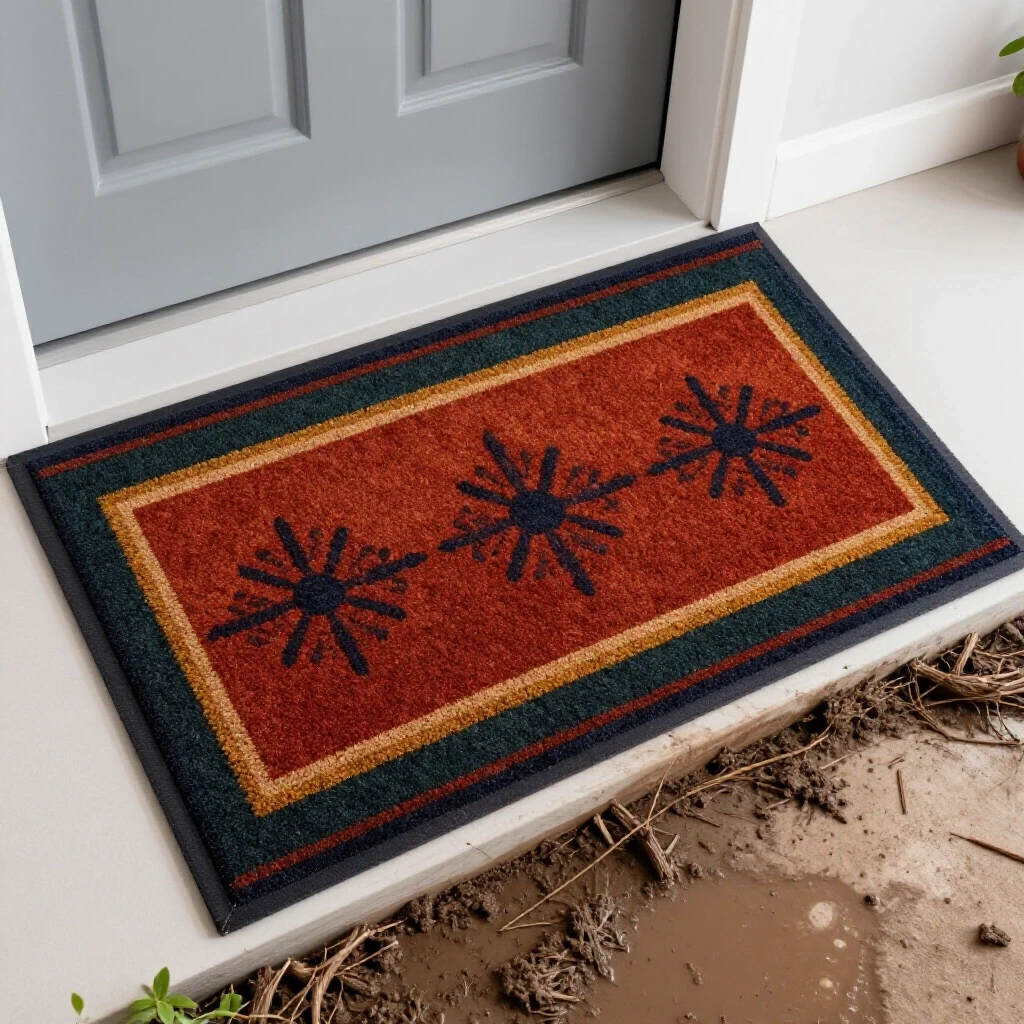
When I conduct a home material comparison, I look at the ASTM International standards. Specifically, ASTM D5252, known as the Hexapod Tumble Test, measures how a material maintains its appearance under heavy foot traffic. For entryway materials, we also look at ASTM D2859, which tests flammability, and various moisture-wicking ratings.
Understanding the “why” behind these standards is simple: an entryway mat is a filter. If the filter is too porous, mud leaks through to the subfloor. If it is too dense, it won’t trap the dirt. We look for a balance of “face weight”—the amount of fiber per square yard—and “crush resistance,” which is the material’s ability to spring back after being stepped on.
- Face Weight: Usually measured in ounces per square yard; higher is generally better for trapping dirt.
- Crush Resistance: The ability of fibers to remain upright to continue scraping.
- Backing Material: Often nitrile rubber or vinyl, which prevents moisture from seeping through to your actual floor.
Why Upfront Investment Impacts Maintenance Costs
The relationship between initial price and long-term upkeep involves calculating how often a material requires deep cleaning or replacement. A cheap material that fails after two winters often costs more in labor and replacement than a premium, durable alternative.
In my professional experience, homeowners often fall into the trap of buying for aesthetics alone. I once purchased a beautiful, low-cost natural fiber mat for a property in a rainy climate. Within six months, the fibers had saturated, mold began to grow on the underside, and the material began to “shed,” creating more mess inside the house than it was stopping. This is a classic example of where a durability vs maintenance cost analysis fails if you only look at the sticker price.
A high-end home materials strategy focuses on the “Total Cost of Ownership.” This includes the purchase price, the cost of cleaning products, the time spent cleaning, and the frequency of replacement.
Life-Cycle Costing Calculations
Life-cycle costing is a method used to determine the true value of a material over its usable life. For entryway materials, we typically use a 15-year horizon. This helps us see if a $150 rubber-backed synthetic mat is actually cheaper than five $30 natural fiber mats that need frequent replacing.
- Initial Purchase Price: The upfront cost at the register.
- Maintenance Cycle: How often the material requires vacuuming, hosing, or professional cleaning.
- Replacement Frequency: The estimated lifespan based on foot traffic and environmental exposure.
| Material Type | Upfront Cost | Expected Life | 15-Year Total Cost | Maintenance Level |
|---|---|---|---|---|
| Natural Coir | $25 – $45 | 1 – 2 Years | $225 – $350 | High (Shedding) |
| Recycled Rubber | $50 – $90 | 10+ Years | $75 – $120 | Low (Hose off) |
| Polypropylene | $40 – $80 | 5 – 7 Years | $120 – $180 | Medium (Vacuum) |
| High-End Textile | $100 – $200 | 8 – 10 Years | $200 – $350 | Medium (Washable) |
The Science of Fiber and Friction
Material science in this category focuses on how different textures interact with shoe treads to remove debris. This involves understanding “coefficient of friction” and “capillary action,” which dictate how well a surface can grab mud and pull moisture away from the soles of your shoes.
When I evaluate technical material specifications, I look at the “denier” of the fiber. Denier is a unit of measurement that tells us the fineness of the fiber. In an entryway setting, we want a mix of high-denier (thick, stiff) fibers for scraping and low-denier (soft, absorbent) fibers for drying.
Porosity and Moisture Management
Porosity refers to the volume of open spaces within a material, which dictates how much liquid it can hold. In an entryway setting, low porosity in the backing prevents mold growth, while high-surface-area fibers are necessary to trap and hold water away from the floor.
If a material is too porous throughout, water will simply sit against your expensive hardwood or stone entry. This causes “cupping” in wood or staining in natural stone. I always recommend a non-porous backing, such as nitrile rubber, which is more resistant to cracking than standard vinyl.
Fiber Density and Scraper Efficiency
Fiber density measures the number of bristles or loops per square inch. Higher density usually leads to better scraping action, as more contact points interact with shoe treads to dislodge compacted mud and grit.
I have tested various densities in my own home. A low-density mat allows mud to fall to the bottom, but once that “well” is full, the mud stays on top and tracks inside. A high-density “bi-level” design keeps the debris below the walking surface, so the next person entering doesn’t pick up the dirt left by the first.
Comparative Analysis of Common Entryway Materials
This comparison evaluates coir, rubber, and synthetic fibers against real-world stressors like heavy rain, mud, and high-frequency traffic. By analyzing these materials side-by-side, homeowners can see where higher upfront costs lead to better performance or where budget options suffice.
In my 13 years of material procurement, I have run what I call the “Muddy Entry Evaluation” on various properties. This involves tracking the amount of debris that makes it past the mat onto a white tile floor during peak rainy seasons. The results consistently show that material composition matters more than thickness.
Natural Coir: The Traditional Scraper
Coir is made from coconut husks and is prized for its aggressive scraping ability. However, it is highly susceptible to moisture. In my tests, coir performed excellently at removing dry dirt but struggled with wet mud, often becoming waterlogged and losing its effectiveness.
- Pros: Excellent scraping, sustainable material, classic look.
- Cons: Sheds fibers, holds moisture, can rot if not dried properly.
- Best For: Covered porches or dry climates.
Recycled Rubber and High-Tech Composites
Modern rubber mats are often made from recycled tires, making them incredibly durable. They are virtually indestructible and can be hosed off in seconds. In my trade-off analysis, rubber is the clear winner for pure durability, though it lacks the moisture-wicking capabilities of textile-based options.
- Pros: Waterproof, easy to clean, 10-year+ lifespan.
- Cons: Does not dry the bottom of shoes, can have a “utility” look.
- Best For: Uncovered entries with heavy mud or snow.
Polypropylene and Synthetic Textiles
Polypropylene is a thermoplastic polymer used in many high-performance mats. It is naturally stain-resistant and does not fade in sunlight. These are often “needle-punched” into a rubber backing, creating a material that both scrapes and absorbs.
- Pros: Fade-resistant, quick-drying, traps both dirt and water.
- Cons: Can “pill” or fuzz over time with heavy use.
- Best For: High-traffic family homes needing a balance of performance and style.
Sourcing and Environmental Sensitivity
Material sourcing affects both the carbon footprint and the physical performance of the product. Natural fibers like coir offer sustainable benefits but may shed, while recycled synthetic textiles provide superior stain resistance in humid or wet climates.
When I look at the supply chain for these products, I notice a significant difference between “virgin” plastics and recycled composites. Recycled PET (from plastic bottles) has become a staple in high-end home materials because it is surprisingly soft yet durable. From a technical perspective, these recycled fibers often have a higher melting point and better UV resistance than cheaper alternatives.
- Check for “CRI Green Label Plus” certification for indoor air quality.
- Look for “Post-Consumer Content” percentages to verify environmental claims.
- Ensure the backing is PVC-free if you are concerned about off-gassing in small entryways.
Technical Specification Tracker for Homeowners
A specification tracker allows you to compare products based on hard data rather than marketing claims. This tool focuses on thickness, weight per square yard, and warranty terms to ensure the selected material fits the specific demands of your home’s entry.
To make an informed decision, I recommend gathering the following data points for any material you are considering. You can usually find these on the manufacturer’s spec sheet or by asking a dedicated sales representative.
- Thickness: Measured in millimeters or inches. Ensure it clears your door’s “swing” height.
- Weight: Heavier mats stay in place better and usually contain more “scraping” material.
- Backing Type: Nitrile rubber is the gold standard for durability and floor protection.
- Warranty: Look for at least a 3-to-5-year wear warranty for premium products.
Performance Scoring Matrix
Use this simple 1-5 scale (5 being best) to grade materials during your home material comparison.
- Scraping Power: How well does it remove dry dirt?
- Absorption: How much water can it hold before it feels “squishy”?
- Ease of Cleaning: Can it be hosed off, or does it require professional care?
- Aesthetic Longevity: Will it look “worn out” after one season?
Practical Tips for Active Lifestyles
If you have a busy household with pets and children, your requirements change. I have found that a “two-zone” system works best. This involves a heavy-duty scraper material outside the door and a highly absorbent textile material just inside. This combination ensures that mud is removed first, and moisture is dried second.
Avoid “deep pile” mats if you live in a muddy area. While they feel soft, mud gets trapped deep in the fibers where a standard vacuum cannot reach. Over time, this grit acts like sandpaper, grinding down the fibers every time you step on the mat.
- Measure your door clearance twice before buying a thick mat.
- Choose a color that matches your local soil; grey or “heathered” patterns hide dirt best.
- Rotate the mat 180 degrees every few months to ensure even wear.
Final Supply-Chain and Cost Recommendations
After 13 years of evaluating these products, my recommendation is to prioritize the backing and the fiber density. A $100 investment in a high-quality polypropylene mat with a nitrile rubber backing will almost always outperform three $30 mats over the same period.
When you are in the process of an appliance buying guide or a full home renovation, don’t let the small details like entryway protection slide. The cost of refinishing a ruined hardwood entry can easily exceed $1,000, making a high-quality mat a very cheap “insurance policy” for your home.
Next Steps for Confident Purchasing
- Measure the “swing” height of your front door to determine the maximum thickness allowed.
- Identify your primary “enemy”—is it wet mud, dry sand, or melting snow?
- Request a small material sample if possible to test the “stiffness” of the scraping fibers.
- Check the manufacturer’s cleaning instructions to ensure they fit your lifestyle.
FAQ: Entryway Material Performance
Which material is best for heavy mud? Rubber or heavy-duty polypropylene with a bi-level design is best. The “peaks” scrape the mud off, while the “valleys” hold the dirt so it isn’t tracked further.
Does a higher price always mean better durability? Not necessarily. A high price often reflects a brand name or a complex aesthetic design. You must look at the technical material specifications, such as face weight and backing material, to verify durability.
How do I prevent my mat from sliding on stone or wood? Look for a mat with a “cleated” or “textured” rubber backing. This increases the coefficient of friction between the mat and the floor, preventing slips.
Are natural fibers like coir better than synthetics? Coir is excellent for scraping but poor for moisture and longevity. Synthetics like PET or polypropylene are generally more durable and easier to maintain in wet climates.
How thick should an entryway mat be? Most standard doors have a clearance of 1/2 inch to 3/4 inch. Ensure your mat is at least 1/8 inch thinner than this gap to prevent the door from catching.
Can these materials be used over heated floors? You must check the manufacturer’s rating. Some rubber backings can degrade or “bake” onto the floor if exposed to constant heat from radiant flooring.
How often should I clean my entryway barrier? For high-traffic homes, vacuum weekly. For rubber or synthetic mats, a deep clean with a hose should happen once per season to remove deep-seated grit.
Will a rubber backing damage my hardwood floors? High-quality nitrile rubber is generally safe. However, cheap vinyl backings can contain plasticizers that may react with certain floor finishes, causing permanent staining or “yellowing.”
What is the best color for hiding dirt? Multi-colored or “tweeded” patterns in earth tones (browns, greys, tans) are the most effective at masking dirt between cleanings.
Is recycled PET as durable as virgin plastic? Yes, in many cases, recycled PET fibers are engineered to be just as strong and stain-resistant as virgin polypropylene, while offering a better environmental profile.
(This article was written by one of our staff writers, Andrew Morrison. Visit our Meet the Team page to learn more about the author and their expertise.)